


What's hot

What's hot
News flashes are posted here frequently to keep you up-to-date with the latest advances in health and longevity. We have an unparalleled track record of breaking stories about life extension advances.
Green tea compound protects against high fat diet-induced cognitive dysfunction
 July 31 2017. An article that appeared on July 24, 2017 in The FASEB Journal reported that supplementation with the green tea catechin epigallocatechin-3-gallate (EGCG) helped alleviate adverse effects of a high fat and high fructose diet in mice. The finding could be of significance to millions of individuals who consume a Western diet, which is high in fat and added sugars.
“To our knowledge, this study is the first to provide compelling evidence that the nutritional compound EGCG has the potential to ameliorate high fat, high fructose-triggered learning and memory loss,” announced Xuebo Liu, PhD, and colleagues at the College of Food Science and Engineering at Northwest A&F University in Yangling, China.
Three-month-old mice were fed a standard diet or a high fat, high fructose diet with or without the addition of EGCG for 16 weeks. Water maze testing revealed a protective effect for EGCG supplementation against memory impairment in animals that received the high fat and fructose diet. The compound was also associated with protection against diet-induced neuronal damage. Neuroinflammation was lowered by EGCG via inhibition of MAPK and NF-kB pathways, in addition to decreased expression of the inflammatory mediator tumor necrosis factor-alpha.
In neuronal cell cultures, elevated glucose and insulin resistance were reduced by EGCG via improvements in oxidized cellular status and mitochondrial function.
"Green tea is the second most consumed beverage in the world after water, and is grown in at least 30 countries," Dr Liu observed. "The ancient habit of drinking green tea may be a more acceptable alternative to medicine when it comes to combatting obesity, insulin resistance, and memory impairment."
Editor-in-Chief of The FASEB Journal Thoru Pederson, PhD, concluded that "Many reports, anecdotal and to some extent research-based, are now greatly strengthened by this more penetrating study."
—D Dye
Cocoa flavanols: new nutraceutical?
 July 28 2017. A review published on May 16, 2017 in Frontiers in Nutrition concludes that “Through a variety of direct and indirect biological actions, in part still speculative, cocoa and cocoa-derived food have been suggested to possess the potential to counteract cognitive decline and sustain cognitive abilities, particularly among patients at risk.”
Valentina Socci and colleagues at Italy’s University of L’Aquila examined a number of studies that assessed the effect of cocoa flavanols (a type of flavonoid) on human cognition. They document improvements in general cognition, attention, processing speed and working memory, among other benefits. While healthy aged individuals benefitted from cocoa, effects such as these were pronounced among older adults whose memory and cognition was beginning to decline. "This result suggests the potential of cocoa flavanols to protect cognition in vulnerable populations over time by improving cognitive performance,” commented Dr Socci and Michele Ferrara, of the University of L’Aquila’s Department of Biotechnological and Applied Clinical Sciences. “If you look at the underlying mechanism, the cocoa flavanols have beneficial effects for cardiovascular health and can increase cerebral blood volume in the dentate gyrus of the hippocampus. This structure is particularly affected by aging and therefore the potential source of age-related memory decline in humans."
Among women, cocoa consumption following a night of wakefulness has been found to counteract the impairment in cognition that would typically result. The effect led to improvement in working memory accuracy. This suggests a mental benefit for female shift workers or those with insomnia.
"Regular intake of cocoa and chocolate could indeed provide beneficial effects on cognitive functioning over time,” Drs Socci and Ferrara conclude. "Dark chocolate is a rich source of flavanols. So we always eat some dark chocolate. Every day."
—D Dye
Cranberries may benefit gut bacteria
 July 26 2017. In September 2017, the journal Applied and Environmental Microbiology published an article that describes a role for cranberries in promoting the growth of beneficial intestinal bacteria. A carbohydrate that occurs in the fruit appears to function as a prebiotic: a nondigestible compound that nourishes probiotic microorganisms.
“We're basically eating for two,” commented lead researcher David Sela, who is a nutritional microbiologist at the University of Massachusetts Amherst. “These gut bacteria are extremely significant to us, they really are very important. Our food makes a difference for us as well as the beneficial microbes that we carry around with us."
“A lot of plant cell walls are indigestible, and indeed we cannot digest the special sugars found in cranberry cell walls called xyloglucans,” Dr Sela explained. "But when we eat cranberries, the xyloglucans make their way into our intestines where beneficial bacteria can break them down into useful molecules and compounds."
For their study, Dr Sela and colleagues tested the effects of isolated xyloglucans on the probiotic Bifidobacterium longum. Theyfound a change in fermentative endproducts secreted by B. longum subsequent to administration of xyloglycans, indicating metabolism of the prebiotic.
"With probiotics, we are taking extra doses of beneficial bacteria that may or may not help our gut health," Dr Sela stated. "But with prebiotics, we already know that we have the beneficial guys in our guts, so let's feed them! Let's give them more nutrients and things that they like. They make molecules and compounds that help us, or they make it to help some of the hundreds of other kinds of beneficial members of the community. They are consuming things we can't digest, or they are helping other beneficial microbes that we find it hard to introduce as probiotics, or their presence can help keep pathogens away."
—D Dye
Vitamin D supplement use associated with lower risk of breast cancer
 July 24 2017. The July 2017 issue of Environmental Health Perspectives published the finding of researchers at the National Institutes of Health of a lower risk of breast cancer over five years of follow-up in association with higher levels of serum vitamin D or vitamin D supplementation.
The current investigation included participants in the Sister Study, which enrolled women with no history of breast cancer who had a sister diagnosed with the disease. Serum samples from 1,611 subjects who subsequently developed breast cancer and 1,775 randomly selected participants were analyzed for 25-hydroxyvitamin D levels [25(OH)D]. Average vitamin D intake and supplement use during the year prior to enrollment were estimated from data provided by questionnaire responses.
A serum 25(OH)D level of at least 38 nanograms per milliliter (ng/mL) was associated with a 21% lower adjusted risk of developing breast cancer over follow-up in comparison with levels of 24.6 ng/mL or less. In comparison with no regular supplementation, the use of a vitamin D supplement at least four times per week was associated with an 11% lower risk of the disease, which declined to a 17% lower risk among postmenopausal women.
“To date, the randomized clinical trials of vitamin D supplementation have provided little evidence of benefit from supplementation,” the authors remark. “However, certain features, including small sample size, nonadherence, and combined treatment regimens or off-protocol supplementation made it difficult for those trials to establish causality or to identify effective dose levels. In principle, a randomized, placebo-controlled trial of vitamin D supplements alone among women who abstain from self-supplementation would be the best way to assess the effects of vitamin D on breast cancer risk.”
“Our results support the hypothesis that vitamin D supplementation could be effective for breast cancer prevention and may help to establish clinical benchmarks for beneficial 25(OH)D levels,” they conclude.
—D Dye
Whey protein supplementation could help maintain muscle during aging
 July 21 2017. A study reported on July 18, 2017 in the journal PLOS ONE found positive effects for supplementation with whey protein in combination with calcium, creatine, omega 3 polyunsaturated fatty acids and vitamin D in the muscles of older men. The gradual loss of muscle that occurs with aging known as sarcopenia is associated with frailty, falls and disability in late life. "Older people who do little to prevent the progression of sarcopenia drift toward a state where they find activities of daily living, like rising from a chair or ascending stairs very difficult or maybe impossible," observed lead researcher Stuart Phillips, who is a professor in the Department of Kinesiology at McMaster University.
The study included 49 men aged 70 years and older who received the whey-based supplement combo or a placebo for six weeks. At the end of the six-week period, the participants continued their regimens while engaging in a resistance and high-intensity interval training program for 12 weeks. "We chose that combination of exercises to get a maximal benefit in terms of fitness and muscle strength" explained coauthor Gianni Parise.
At the end of the first six weeks, those who received whey experienced an increase in lean body mass as well as strength. While both groups experienced gains in strength during the second phase of the study, those who received the whey-based supplement combination had greater upper body strength than the control group.
"The results were more impressive than we expected," reported first author Kirsten Bell. "Clearly, exercise is a key part of the greatly improved health profile of our subjects, but we are very excited by the enhancements the supplement alone and in combination with exercise was able to give to our participants."
—D Dye
Carnitine deficiency suggested as contributor to autism
 July 19 2017. In an article appearing on July 13, 2017 in BioEssays, Arthur L. Beaudet of Baylor College of Medicine submits the hypothesis that a lack of carnitine, a compound synthesized in the body from lysine, could be behind some cases of autism. “We believe there are compelling reasons to think that brain deficiency of carnitine and perhaps other micronutrients such as essential polyunsaturated fatty acids can cause autism with an extreme male bias, and that 10–20% of cases of autism could be prevented by changes in infant nutrition,” he writes.
In 2009, Patricia Celestino-Soper discovered that 1 in 350 males are unable to synthesize their own carnitine due to an inactive copy of the X chromosome gene TMLHE. "Of the nearly 460,000 males in the United States who have TMLHE gene deficiency, only about 3 percent develop autism,” Dr Beaudet noted. “The remaining 97 percent become healthy adults. Sometimes behavioral regression occurs."
While TMLHE deficiency occurs in approximately 1% of autistics, Dr Beaudet believes that brain carnitine deficiency could be behind a greater number of cases. "We speculate that the individuals with a normal physical examination and normal brain imaging results in studies, which represents 10% to 20% of all cases of autism spectrum disorders, might have in common a mechanism that leads to a mild form of autism,” he explained. “This mechanism might involve brain carnitine deficiency."
"In many cultures, when the infant is introduced to new foods between 4 and 8 months of age, the first non-milk foods are fruits, juices, cereals and vegetables, all of which contain almost no carnitine, and meats are introduced later," Dr Beaudet added. "We now know that 1 in 350 males indeed cannot synthesize carnitine. The need for an RDA for carnitine perhaps should be reviewed."
—D Dye
Eating more tomatoes could help protect against skin cancer
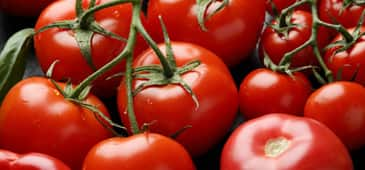 July 17 2017. An article that appeared online on July 11, 2017 in Scientific Reports reveals a protective effect for consuming tomatoes against the development of skin tumors. “To our knowledge, this is the first study investigating the effects of tomato consumption on keratinocyte carcinomas in vivo,” authors Jessica L. Cooperstone and colleagues announce.
Researchers at Ohio State University fed hairless mice a growth-enhancing rodent diet that did not contain tomatoes or carotenoids, or a 10% tangerine tomato or red tomato powder diet for 35 weeks. (The lycopene in tangerine tomatoes, while significantly lower in quantity, has greater bioavailability than that of than red tomatoes.) From the 11th to 20th week, two-thirds of the animals were exposed to ultraviolet-B light three times weekly.
At the end of the study, the number of tumors in male mice that received diets that contained tomatoes or red tomatoes was, on average, half that of male mice on the control diet. While those that received tangerine tomatoes had fewer tumors than animals that received no tomatoes, the difference was not considered significant.
"This study showed us that we do need to consider sex when exploring different preventive strategies," remarked senior author Tatiana Oberyszyn, who is a member of Ohio State's Comprehensive Cancer Center. "What works in men may not always work equally well in women and vice versa."
Clinical trial results suggest that consuming tomatoes can reduce sunburn, which may be due to tomato’s carotenoids that deposit in the skin and protect against ultraviolet light damage. "Alternative methods for systemic protection, possibly through nutritional interventions to modulate risk for skin-related diseases, could provide a significant benefit,” Dr Cooperstone observed. "Foods are not drugs, but they can possibly, over the lifetime of consumption, alter the development of certain diseases."
—D Dye
More antiaging effects for fisetin
 July 14 2017. Readers of What’s Hot may recall the publication of the recent finding of Mayo Clinic researchers of a potential antiaging senolytic effect for fisetin, a compound found in plants that is available as a dietary supplement. On June 2, 2017 in The Journals of Gerontology Series A, researchers from the Salk Institute reported a reduction in aging-related inflammation and cognitive decline in mice given fisetin.
Acting on earlier findings of a decrease in memory loss in association with fisetin supplementation in mice that were genetically modified to develop Alzheimer’s disease, Pamela Maher and colleagues tested the compound in a SAMP8 mouse model of premature aging. Three-month-old animals were given diets with or without fisetin for 7 months, during which memory and activity tests were conducted, and levels of proteins related to brain function and responses to inflammation and stress were measured.
"At 10 months, the differences between these two groups were striking," reported Dr Maher, who is a senior staff scientist in Salk's Cellular Neurobiology Laboratory. While mice that did not receive fisetin did poorly in tests of cognitive function and had elevated markers of stress and inflammation, those that received the compound were not noticeably different from untreated 3-month-old SAMP8 mice.
"Mice are not people, of course," noted Dr Maher, "But there are enough similarities that we think fisetin warrants a closer look, not only for potentially treating sporadic Alzheimer’s disease but also for reducing some of the cognitive effects associated with aging, generally."
"Companies have put fisetin into various health products but there hasn't been enough serious testing of the compound," she added. "Based on our ongoing work, we think fisetin might be helpful as a preventative for many age-associated neurodegenerative diseases, not just Alzheimer's, and we'd like to encourage more rigorous study of it."
—D Dye
Computer, smart phone users could benefit from lutein, zeaxanthin
 July 12 2017. A report published in the journal Foods on June 29, 2017 adds evidence to a protective effect for the macular carotenoids lutein and zeaxanthin against damage to the eye caused by exposure to high-energy blue light from computer or smart phone screens. The two carotenoids act as a natural filter for high-energy blue light.
In the randomized, double-blind, Blue Light User Exposure (B.L.U.E.) study, 48 adults aged 18 to 25 years with six or more hours of daily near-field screen time exposure received a placebo or 24 milligrams lutein plus zeaxanthin daily for six months. Visual performance measures, physical indicators of excessive screen time, sleep quality and macular pigment optical density were assessed before and after the treatment period.
At the end of the treatment period, participants who received the carotenoids experienced improvement in all visual performance measures, macular pigment optical density, eye strain, eye fatigue, headache frequency, and sleep quality compared to the placebo group. Improved sleep was not associated with macular pigment optimal density increase and was suggested to be the result of decreased oxidative stress and inflammation.
"The effects of blue light on vision isn't new,” noted lead author Dr James Stringham, of the University of Georgia’s Department of Psychology. “However, 10 years ago we saw a surge in near field technology holding or using devices within arm's length, resulting in increased complaints around high screen use -- neck pain, eye strain and fatigue, headaches. This has led to an opportunity with supplementation -- a simple mode of therapy with specific nutrients that have a wealth of benefits as they deposit in the eye. After six months of supplementation we saw significant reduction around 30% in these symptoms and significant improvement in measures of visual performance and protection."
—D Dye
Sunburn remedy found in vitamin D
 July 10 2017. The role of sun exposure in the formation of vitamin D in the body is well known. Now it appears that the vitamin may also play a role in protecting the skin from burning after being exposed to potentially damaging amounts of the sun’s ultraviolet (UV) rays.
In a randomized trial reported on May 30, 2017 in the Journal of Investigative Dermatology, 20 men and women were given 50,000 international units (IU), 100,000 IU or 200,000 IU vitamin D3, or a placebo one hour following ultraviolet UV lamp sunburn to the inner arm. The patients were examined 24 hours, 48 hours, 72 hours and 1 week after irradiation.
Forty-eight hours after undergoing irradiation, skin biopsy specimens analyzed for the proinflammatory mediators tumor necrosis factor-alpha and inducible nitric oxide synthase revealed lower levels of these factors among those who received the highest dose of vitamin D3 compared to the placebo group. Furthermore, beginning at 72 hours, there was a lower amount of swelling among those who received the two highest doses of vitamin D. Those whose serum vitamin D3 levels were significantly higher after treatment had increased skin expression of the anti-inflammatory enzyme arginase-1 as well as a sustained decrease in skin redness, while those with lower vitamin D3 levels had greater expression of pro-inflammatory genes.
"We found benefits from vitamin D were dose-dependent," reported senior author Kurt Lu, MD, who is an Assistant Professor of Dermatology at Case Western Reserve University School of Medicine and University Hospitals Cleveland Medical Center. "We hypothesize that vitamin D helps promote protective barriers in the skin by rapidly reducing inflammation. What we did not expect was that at a certain dose, vitamin D not only was capable of suppressing inflammation, it was also activating skin repair genes."
—D Dye
Study finds anti-inflammatory effect for lutein
 July 7 2017. The July 2017 issue of Atherosclerosis published an article by Swedish researchers which describes an anti-inflammatory effect for the carotenoid lutein in patients with coronary artery disease.
"A considerable number of patients who have experienced myocardial infarction still have low-level chronic inflammation in the body, even after receiving effective treatment with revascularization, drugs and lifestyle changes,” remarked lead researcher Lena Jonasson, who is a professor in the Department of Medical and Health Sciences at Linkoping University. “We know that chronic inflammation is associated with a poorer prognosis."
The study included 59 patients with acute coronary syndrome and 134 patients with stable angina. Blood samples were analyzed for interleukin-6, a marker of inflammation, and the carotenoids lutein plus zeaxanthin, alpha and beta carotene, lycopene and beta-cryptoxanthin. In 42 patients, plasma levels of these factors were reanalyzed three months after coronary intervention to open narrowed blood vessels. Additionally, peripheral blood mononuclear cells (types of white blood cells) from stable angina patients were treated with lutein for 24 hours followed by incubation with an inflammation-inducing compound and measurement of markers of inflammation.
In the heart disease patients, having a lower level of lutein plus zeaxanthin was associated with a higher level of interleukin-6 before and after coronary intervention. "The patients were receiving the best possible treatment for their disease according to clinical guidelines, but even so, many of them had persistent inflammation," Dr Jonasson observed.
In peripheral blood mononuclear cells, lutein pretreatment was associated with a reduction in interleukin-6, interleukin-1 beta, and tumor necrosis factor (TNF).
"Our study confirms that one particular carotenoid, lutein, can suppress long-term inflammation in patients with coronary artery disease,” concluded first author Rosanna Chung. “We have also shown that lutein is absorbed and stored by the cells of the immune system in the blood."
—D Dye
Trial finds reduction in depressive symptoms following magnesium supplementation
 July 5 2017. A randomized, crossover trial reported on June 27, 2017 in the journal PLoS One resulted in a reduction in symptoms of depression and anxiety among participants who received magnesium for a six week period.
The trial included 126 men and women diagnosed with mild to moderate depression. Sixty-two participants received a daily supplement that contained 248 milligrams elemental magnesium from magnesium chloride for six weeks followed by a six week period during which no supplement was consumed. The remainder of the group received no supplementation during the first six weeks and a magnesium supplement during the latter portion of the trial. Questionnaires in which subjects rated their depression and anxiety were administered at the beginning of the study and every two weeks during the treatment periods.
Six weeks of magnesium supplementation was associated with a significant reduction in depression scores, however, scores did not improve during the control periods. Anxiety also improved during magnesium supplementation, but worsened during the control portion of the trial. In addition, headaches were less likely to be experienced in association with magnesium supplementation in comparison with no treatment.
“This is the first clinical trial done on magnesium for depression in the U.S.,” authors Emily K. Tarleton and her colleagues at the University of Vermont announce. “There are many barriers to treatment for depression including stigma associated with diagnosis, cost, side effects, non-adherence, and loss to follow-up. Magnesium supplements do not come with the added stigma associated with other therapies and, while monitoring response is still important, the risk of side effects is not as great as from antidepressants.”
“Although improvement in symptoms occurred within two weeks and was maintained while on treatment, long-term effectiveness is unknown and longer trials are needed,” they conclude.
—D Dye
Lipoic acid shows brain protective effect in MS
 July 3 2017. On June 28, 2017, the journal Neuroimmunology & Neuroinflammation published the results of a pilot study which found a slower rate of brain atrophy among multiple sclerosis (MS) patients who received a daily supplement of lipoic acid.
The trial included 27 MS patients who received 1,200 milligrams R-lipoic acid per day for two years and 24 who received a placebo. Subjects were of an average age of 58.5 years and had an average disease duration of 29.6 years. Magnetic resonance imaging of the brain was conducted upon enrollment between May 2011 and October 2013, at one year, and at the end of the two-year study.
At the end of two years, participants who consumed lipoic acid had 68% reduction in annualized percent brain change volume in comparison with the controls. Those who received lipoic acid also had improved walking times and fewer falls. The authors remark that the reduction in brain atrophy rate achieved in the current trial among those who received lipoid acid compares favorably with that observed in a recent trial that evaluated the effects of the drug ocrelizumab, which found a 17.5% reduction over a 120-week period.
The pilot trial’s findings will form the basis of an expanded multisite clinical trial that will begin later this year.
"These are high doses," noted lead author Rebecca Spain, MD, MSPH, who is an assistant professor of neurology at the Oregon Health & Science University School of Medicine. "And while it seems safe, we won't know whether it actually improves the lives of people with MS until we can replicate the results in the pilot study through a much bigger clinical trial. Fortunately, we're going to be able to answer that question with the participation of kind volunteers."
—D Dye
