How Much Protein Do You Really Need? Myths and Facts
Published: February 2026
At a Glance
- Getting enough protein isn't just about building muscle—your health depends upon it.
- Your protein needs vary by age, sex, activity level and health status.
- The type and timing of your protein could have an impact on your health.
At this point, protein is practically synonymous with muscle. Everyone knows they need to consume protein if they want that coveted lean muscle mass. But long before Arnold Schwarzenegger made sculpted physiques cool, our bodies relied on protein. Protein is in every tissue and cell in the body, and we couldn't function without it.
Whether your goal is to lift heavier weights or lift your mood, eating a protein-rich diet is essential.
But how much dietary protein do you really need? The answer will depend on your age, weight and activity level. We'll show you how (and why) to get the right amount for you.

What does protein do in the body?
Protein is one of the three macronutrients, along with carbohydrates and fat, that your body needs in large amounts to sustain physiological processes and support whole-body health. This includes muscle building, of course, and so much more:
- Protein provides structure to cartilage, bone, skin and hair, as well as muscle tissues.
- A specialized type of protein, enzymes, are used to speed up various chemical reactions.
- Protein makes up hemoglobin, which carries oxygen to cells.
- Certain hormones, like insulin, are actually proteins. Thyroid-stimulating hormone and oxytocin are similar examples.
- Proteins are essential to immune system function.
- Protein supports a healthy metabolic rate and body composition.
Pro tip: If you want to see how well all of these processes are working, check in with a complete blood panel (CBC) lab test at least once a year!
"Unfortunately, it is possible to eat too much of a good thing. Too much of any macronutrient can lead to excessive calorie intake, and too much protein can put a burden on your kidneys and liver."
How much protein do you really need per day?
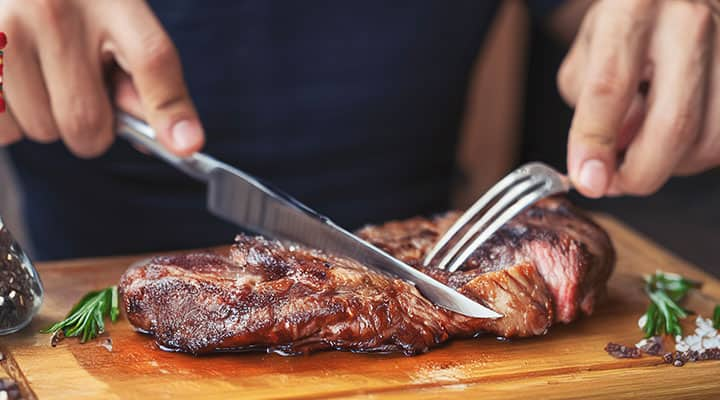
The Recommended Dietary Allowance (RDA) of protein determines protein intake by age. For adults 18 years and older, the RDA is 0.8 grams of protein per kilogram of body weight. The RDA represents the average daily intake that meets the nutritional requirements for 97-98% of healthy individuals.
Does that mean the RDA is the optimal amount of dietary protein? Maybe…but maybe not. Protein needs vary based on your age, gender, body weight and activity level. How much protein you need is also influenced by certain health concerns and medications.
For instance, a pregnant or nursing female typically has increased protein needs, while someone with a chronic kidney condition may require lower protein intake than what the RDA suggests. Your goals matter, too. If you're trying to maintain body weight, it could be beneficial to increase your protein intake.
You could also use the Acceptable Macronutrient Distribution Range, or AMDR, to estimate protein needs. The AMDRs represent ranges of macronutrient intake goals associated with a reduced risk of chronic disease. The AMDR for protein is 10% to 35% of daily caloric intake. For someone consuming a 2,000-calorie diet, that would equate to 200-700 calories from protein, or 50-175 grams per day. Of course, you'd want to find a more precise percentage that suits your health and lifestyle needs, while making sure to get adequate calories from carbohydrates and fat, as well.
If you're not sure whether to use the RDA, the AMDR or an entirely different recommendation, enlist the help of your medical doctor or registered dietitian, especially if you have any medical conditions. Only registered dietitians are qualified to provide medical nutrition therapy.
Protein needs by age and lifestyle
The following guidelines can help you calculate your daily protein intake.
| Who | How Much | Why |
|---|---|---|
| Children 4–13 Years Old | 0.95 g/kg/d based on the Dietary Reference Intake (DRI) | To prevent nutrient deficiency |
| Children 14–18 Years Old | 0.85 g/kg/d based on DRI | To prevent nutrient deficiency |
| Sedentary Adult | 0.8 – 1.0 g/kg/d based on RDA | To prevent nutrient deficiency |
| Active Adult | 1.2 – 1.6 g/kg/d based on Dietary Guidelines for Americans, 2025-2030 | To improve body composition–especially when paired with calorie restriction |
| Post-menopausal Woman | 1.1 g/kg/d based on an average intake for post-menopausal women | To improve body composition and physical function |
What happens if you don't get enough protein?

Remember, the RDA represents the minimum amount of protein your body needs to prevent a nutrient deficiency. But if you're not getting at least 0.8 grams of protein per kilogram of body weight, you may experience some obvious physical signs. The National Council on Aging warns adults to look out for certain signs of inadequate protein intake:
- Fatigue and weakness
- Muscle loss or decreased strength
- Brittle hair or nails
- Slow wound healing
- Frequent illness
- Swelling
- Anemia (low blood iron levels)
- Mood changes or brain fog
Can you eat too much protein?
Unfortunately, it is possible to eat too much of a good thing. Too much of any macronutrient can lead to excessive calorie intake, and too much protein can put a burden on your kidneys and liver.
Whether you take in extra calories from carbohydrates, fats or protein doesn't matter. Extra calories, or extra energy, gets stored in adipose tissue (aka body fat) to hopefully be used later. But, be wary, it can also become the stubborn body fat no one likes but everyone loves to complain about.
Does age change how much protein you need?

Yes, your age affects how much protein you need, largely due to natural changes in muscle mass and activity level. Many people start to worry about muscle loss after 40. In truth, you begin to lose 3% to 5% of muscle per decade after your 30th birthday.
Research suggests that resistance training can help combat these natural shifts in muscle mass. Adequate dietary protein intake can also help maintain lean muscle mass and protect bone density.
What are the best food sources of protein?

There is no shortage of protein in our food supply.
- Protein is naturally found in animal foods, which means beef, chicken, turkey, fish, eggs and dairy products are all excellent sources of protein. You'll want to choose lean or low-fat meat and poultry to minimize your intake of saturated fat. The best choices include 93% lean ground beef, pork loin, and chicken or turkey breasts without the skin.
- No meat? No problem. Those who do not eat animal products should increase their intake of plant-based proteins, such as beans, peas, lentils, nuts and seeds. Plus, plant-based protein foods are cholesterol-free and good sources of fiber. This not only feeds your muscles, but also supports a healthy brain and heart.
- Protein powders and protein bars are convenient protein sources when eating whole foods is not an option. Whey protein naturally contains essential amino acids and branched-chain amino acids.
What happens in your body when you eat protein?
Like a strand of pearls, each protein molecule is a string of amino acids. Once protein foods are digested and absorbed, the amino acids go to work all throughout the body. Your body can produce some amino acids on its own, but others are essential because they can only be obtained through your diet.
When is the best time to eat protein?
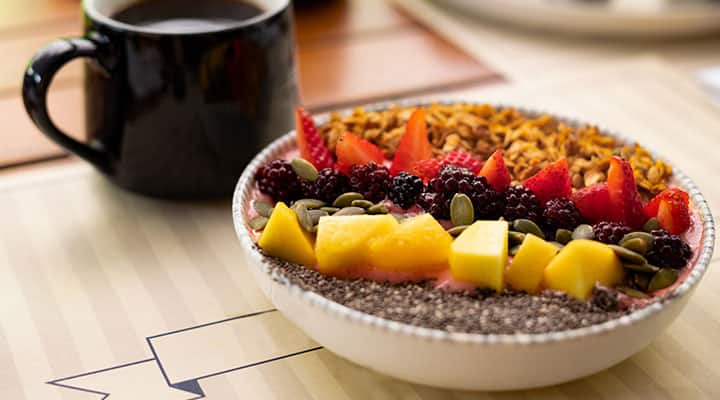
You've probably heard you need to eat a high-protein meal or snack within an hour post-workout, or all your sweat (and tears) will be for naught. But this very strict eating window doesn't have much scientific weight behind it. In fact, studies repeatedly show that eating enough protein daily (but not too much) is far more important than the timing of the protein, even if building muscle is your goal.
However, there is one important caveat. We know muscle protein synthesis, or muscle building, decreases overnight while you're fasting. If you continue to fast through the next morning, your body will remain in a catabolic state, where it is breaking down muscle protein.
The simple fix: Consume at least three grams of leucine in the morning to help stimulate muscle protein synthesis. Three grams of leucine can be easily obtained from about 30 grams (around one ounce) of high-quality protein.
A high-protein breakfast is a great way to start the day, but it is not your free pass to skip other meals or choose nutrient-poor foods for the rest of the day. You still need to consume 1.2-1.6 grams of protein per kilogram (or 2.2 pounds) of body weight to maximize your body's muscle-building abilities. Consuming protein with every meal and snack has other benefits as well, namely helping to stabilize blood sugar and keeping you satiated, so you aren't sabotaging your meal plan with the munchies.
Can protein support metabolism?

There are a few key links between protein and metabolism. For one, eating protein foods can help promote satiety. Like fiber, protein slows down the digestive process, which helps keep you feeling fuller longer. The more satisfied you feel after your meals, the less likely you are to excessively snack between meals or overeat at the next one.
Also, it takes more energy (calories) for the body to digest protein than the other macronutrients. This is called the thermic effect of food, and it's another way protein supports a healthy metabolism.
And, of course, protein supports the body's ability to build lean muscle mass. If you increase lean muscle mass, you increase the number of calories your body burns at rest. All the more reason to make sure you're lifting weights or incorporating resistance training at least twice a week and getting enough protein for health and longevity.
At a Glance
- Protein is essential for providing structure to muscles, bones, skin and hair.
- The RDA for protein is 1.2-1.6 grams per kilogram per day, but an active or older adult may need twice as much.
- Start your day by eating at least 30 grams of high-quality protein, sourced from lean meat, low-fat dairy or plant-based foods for optimal health.


References
- Delimaris I. "Adverse Effects Associated with Protein Intake above the Recommended Dietary Allowance for Adults." ISRN Nutr. July 2013. https://pmc.ncbi.nlm.nih.gov/articles/PMC4045293/
- Dent E, et al. "International Clinical Practice Guidelines for Sarcopenia (ICFSR): Screening, Diagnosis and Management." J Nutr Health Aging. 2018. https://pubmed.ncbi.nlm.nih.gov/30498820/
- Gregorio L, et al. "Adequate dietary protein is associated with better physical performance among post-menopausal women 60-90 years." J Nutr Health Aging. 2014. https://pmc.ncbi.nlm.nih.gov/articles/PMC4433492/
- Harris S, et al. "Protein and Aging: Practicalities and Practice." Nutrients. July 2025. https://pubmed.ncbi.nlm.nih.gov/40806046/
- Morton RW, et al. "A systematic review, meta-analysis and meta-regression of the effect of protein supplementation on resistance training-induced gains in muscle mass and strength in healthy adults." BMJ Journals. March 2018. https://bjsm.bmj.com/content/52/6/376
- Sayer AA, Cruz-Jentoft A. "Sarcopenia definition, diagnosis and treatment: consensus is growing." Age and Ageing. October 2022. https://academic.oup.com/ageing/article/51/10/afac220/6770072
- "8 Signs of Protein Deficiency in Older Adults." National Council on Aging. December 2025. https://www.ncoa.org/article/8-signs-of-protein-deficiency-in-older-adults/
- "Food-First Fueling: When to Consume Protein for Maximum Muscle Growth." USADA. https://www.usada.org/spirit-of-sport/when-consume-protein-muscle-growth/
- "Microbiome and Metabolism Research: Little Rock, AR." USDA. https://www.ars.usda.gov/research/publications/publication/?seqNo115=383055
- "Nutrient Recommendations and Databases." National Institutes of Health. https://ods.od.nih.gov/HealthInformation/nutrientrecommendations.aspx
- "Nutrition & Health Info Sheets for Health Professionals - Protein Requirements." University of California Davis. https://nutrition.ucdavis.edu/outreach/nutr-health-info-sheets/pro-protein-requirements
- "Protein Foods." USDA. https://www.myplate.gov/eat-healthy/protein-foods
- "The Scientific Foundation for the Dietary Guidelines for Americans, 2025-2030." USDA. https://cdn.realfood.gov/Scientific%20Report.pdf

Always be in the know!
Access the latest deals, wellness news, expert health tips & more!