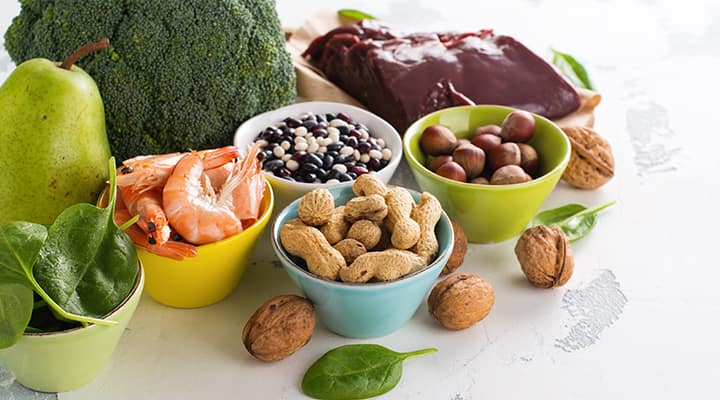
8 Vitamin & Mineral Deficiencies That Cause Hair Loss
Published: May 2024 | Updated: February 2026
At a Glance
- Hair loss affects 40% of women and 50% of men by age 50.
- Several vitamin and mineral deficiencies are linked to thinning hair.
- A blood test is the best way to identify nutrient-related hair loss.
While pop culture often associates hair loss with images of men going bald in middle age (think of George Costanza's famously gleaming scalp), hair loss is also fairly common in women. About half of men show signs of male pattern hair loss by age 50, and roughly 40% of women develop female pattern hair loss by that same age.
No matter what their odds are, most people want to keep their hair on their head…and not in the bathroom sink! Did you know the foods you eat (or don't eat enough of) may play a role in hair health? Here's everything you need to know about the connection between vitamin deficiencies and a healthy mane, plus how to identify through lab testing whether it's your diet or some other factor that's causing your hair loss.

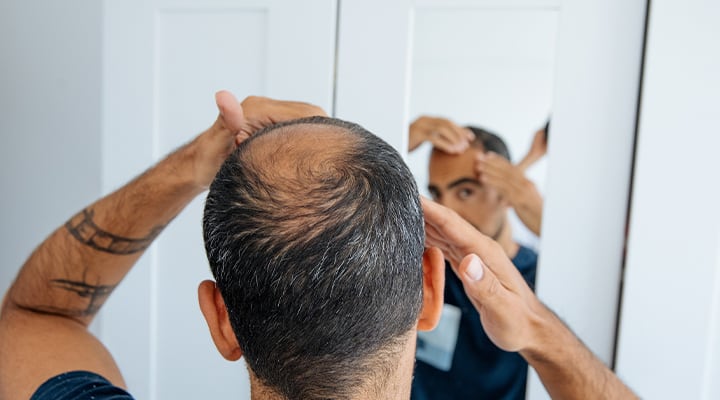
A vitamin deficiency occurs when your body lacks the necessary amount of a nutrient it needs, and certain ones have been linked to hair loss.
1. Vitamin D
Vitamin D supports hair growth by stimulating hair follicles to promote the active growth (anagen) phase, supporting the formation of new hair follicles, and regulating hair growth cycles. The vitamin D receptor in follicles also plays a big role, which is why people with vitamin D receptor issues often experience significant hair loss.
One study looked at blood vitamin D levels in 54 men and women with thinning hair and 55 people without hair thinning. The research found that almost 80% of the thinning hair group had low vitamin D levels compared to the group with healthy hair.
2. Biotin (B7)
Biotin supports the hair growth cycle by helping the body produce keratin, the structural protein that makes up the hair shaft. Research shows that biotin deficiency is associated with various hair-related problems, including alopecia.
3. Iron
Iron helps red blood cells deliver oxygen to hair follicles, supporting their growth.
Researchers studied 30 women with hair loss and 30 without, none of whom had thyroid dysfunction or unusual inflammation. The study found that the women with poor hair health had markedly lower levels of ferritin, a protein that stores iron in the cells. Of the nine people with anemia (low iron levels), eight also experienced hair thinning, highlighting the role iron deficiency plays in overall hair health.
4. Zinc
This mineral is thought to help with hair follicle recovery. A study of 312 people with alopecia and other hair-related issues found that their blood contained less zinc compared with those experiencing healthy hair growth. Additionally, some studies show that taking zinc daily can help reverse hair thinning in zinc deficiency-related alopecia.
5. Vitamin C
Vitamin C helps your body absorb iron better, and since iron is linked to hair health, you'll want to make sure you're getting enough.
6. Vitamin E
Both vitamin C and vitamin E have antioxidant effects that help defend hair follicles from free radicals.
7. Vitamin A
This essential vitamin is needed for hair cell growth, and its antioxidant activity helps protect cells from oxidative stress.
8. Vitamins B12 & folate (B9)
The research on B vitamins and hair loss isn't conclusive, but we know that B12 helps make red blood cells, and blood flow is important for growing hair. One Turkish study found that people with hair loss also had a higher prevalence of the MTHFR gene mutation, which makes it harder for the body to metabolize folate and B12. Research has found that other gene variants can also affect hair growth.
Other Nutrient: Protein
A protein deficiency may also affect your hair growth. Hair is made almost entirely of a protein called keratin; it is the fundamental building block of the hair shaft.
| Nutrient | Role in Hair Health | Signs of Deficiency | Sources |
|---|---|---|---|
| Vitamin D | Helps stimulate the active growth phase, creating new hair follicles (the pores from which new hairs grow), playing a role in the hair production cycle |
|
Fatty fish (salmon, mackerel), fortified milk and orange juice, egg yolks, sitting in the sun |
| Biotin (B7) | Essential for producing keratin |
|
Eggs (cooked), almonds, nuts, salmon, avocados, sweet potatoes, whole grains |
| Iron | Produces hemoglobin, which carries oxygen to hair follicles for growth |
|
Red meat, poultry, fish, lentils, spinach, beans, fortified cereals |
| Zinc | Crucial for hair tissue growth |
|
Oysters, beef, lamb, pumpkin seeds, lentils, chickpeas, spinach |
| Vitamin C | An antioxidant that helps produce collagen (a protein that strengthens hair) and is essential for absorbing iron |
|
Citrus fruits (oranges, lemons), strawberries, bell peppers, broccoli, kiwi |
| Vitamin E | Protects hair follicles from oxidative stress |
|
Wheat germ, almonds, peanuts, collard greens and spinach, avocados, bell peppers, mango |
| Vitamin A | Required for cell growth |
Caution: Too much vitamin A can also cause hair loss |
Sweet potatoes, carrots, spinach, kale, pumpkin, eggs, milk |
| Vitamin B12 & folate (B9) | Helps create red blood cells, which are necessary to carry oxygen and nutrients to the scalp and hair follicles |
|
|
| Protein | Hair is made almost entirely of a protein called keratin; it is the fundamental building block of the hair shaft |
|
Meat, fish, eggs, dairy (Greek yogurt, cottage cheese), legumes, tofu, quinoa |
Please note: The signs of deficiency can overlap a lot, so it's hard to pinpoint one specific deficiency and link it back to a symptom. "If you notice a change in mood, appetite, hair/skin health, unexplained weight, or feeling 'off,' it could be a nutrient deficiency, but it could also be something more serious," Dr. Sandhaus said. "In those cases, you should see your doctor and get a blood test."
Why do vitamin and mineral deficiencies cause hair loss?

The cells within the hair follicles on your scalp divide very rapidly, and nutrients such as vitamins A and E foster the cellular turnover that makes this process work. Deficiencies of these vitamins and other nutrients can mess with the follicle activity and trigger hair shedding.
Since the body can't make most vitamins on its own, getting them from your diet is a necessity—especially if you want to avoid deficiencies and maintain head-to-toe (or in this case "hair-to-toe") health.
“Vitamins are compounds your body requires for normal growth and nutrition and to function at its best. They play an important role in the hair follicle cycle, which impacts both the quality and quantity of your hair.”
How do you know if hair loss is caused by nutrient deficiency?
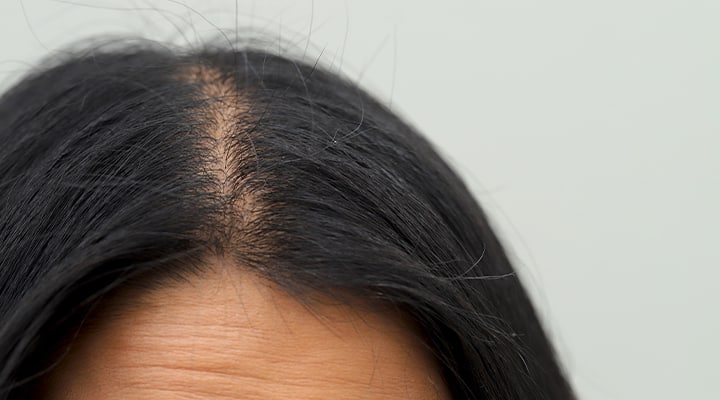
From there, you can discuss the results with your doctor or specialist to develop a treatment plan. If you are low in certain nutrients related to alopecia, specific plant extracts might help you reverse hair loss.
Aside from these reasons, hormone imbalances and heredity can play a role in how much hair you have on your head. You can get an at-home genetic test to find out if your genes are to blame for your hair growth patterns. This can also help you identify the best hair regrowth protocol.
What’s the best way to correct nutrient deficiencies?
If your blood test shows that you're deficient in nutrients associated with hair loss, then you'll want to add more of those nutrients to your diet.
For example, if you're low in zinc or iron, try eating more red meat, poultry, salmon, oysters, lentils, and fortified cereals. Take a food-first approach and aim to include more nutrient-dense foods in your diet, like eggs, spinach and beans. Supplemental nutrition can fill the gaps.
Important caveat: While there are connections between hair loss and vitamin deficiency, taking these vitamins if you didn't have a deficiency in the first place won't necessarily help you regrow what you've lost. However, at the very least, avoiding deficiencies may help you hold on to your hair!
Key Takeaways
- Hair follicles depend on getting enough nutrients to grow and cycle normally.
- Being deficient in iron, vitamin D, zinc, biotin, and B vitamins is most commonly linked to hair loss.
- A simple blood test can identify nutrient deficiencies.


References
- Almohanna HM, et al. "The Role of Vitamins and Minerals in Hair Loss: A Review." Dermatol Ther (Heidelb). March 2019. https://pubmed.ncbi.nlm.nih.gov/30547302/
- Hussein RS, et al. "Impact of Thyroid Dysfunction on Hair Disorders." Cureus. August 2023. https://www.ncbi.nlm.nih.gov/pmc/articles/PMC10492440/
- Moeinvaziri M, et al. "Iron status in diffuse telogen hair loss among women." Acta Dermatovenerol Croat. 2009. https://pubmed.ncbi.nlm.nih.gov/20021982/
- Patel DP, et al. "A Review of the Use of Biotin for Hair Loss." Skin Appendage Disord. April 2017. https://pmc.ncbi.nlm.nih.gov/articles/PMC5582478/
- Peyravian N, et al. "The Inflammatory Aspect of Male and Female Pattern Hair Loss." J Inflamm Res. November 2020. https://pmc.ncbi.nlm.nih.gov/articles/PMC7667670/
- Tamer F, et al. "Serum ferritin and vitamin D levels should be evaluated in patients with diffuse hair loss prior to treatment." Postepy Dermatol Alergol. July 2020. https://pmc.ncbi.nlm.nih.gov/articles/PMC7394174/
- "Can stress cause hair loss?" Mayo Clinic. May 2023. https://www.mayoclinic.org/healthy-lifestyle/stress-management/expert-answers/stress-and-hair-loss/faq-20057820
- "My Food Data." https://myfooddata.com/
- "What Iron Does for Your Body." Cleveland Clinic. July 2024. https://health.clevelandclinic.org/iron

Always be in the know!
Access the latest deals, wellness news, expert health tips & more!