Does High Cortisol Mean Low Libido? Here's What the Science Says
Published: June 2026
At a Glance
- Chronic high stress levels can result in erectile dysfunction, vaginal dryness and other sexual health disorders.
- Developing stress-coping techniques to lower cortisol can help improve libido.
- A cortisol blood test can shed light on hormonal imbalances that could be infringing on your overall health and romantic relationships.
As a gynecologist, I field daily questions about libido. Specifically, how to keep it going amid busy schedules, late nights, piling to-do lists or financial concerns. It's probably not surprising that stress can put a damper on romance (it hardly makes for good pillow talk), but what many people may not realize is that there's also a biological reason that it reduces arousal and can even impact fertility.
One key factor is cortisol levels. Let's take a look at the relationship between cortisol and libido, the impact of hormones on sexual desire, and whether your stress levels could be the culprit of your sexual dysfunction.
1. What is cortisol?

Cortisol is a steroid hormone (glucocorticoid) that plays a major role in many physiological processes. It follows our internal clock and fluctuates throughout the day. The hypothalamic-pituitary-adrenal (HPA) axis, an intricate connection between the brain, pituitary and adrenal glands, regulates the body's inflammatory response, energy production, blood sugar levels, sleep/wake patterns and cortisol secretion.
Think of cortisol as being on the opposite schedule as melatonin. In the morning, we have high cortisol levels (as melatonin levels decrease), which help us wake up and start our day. As we wind down in the evening, cortisol levels decline (while melatonin levels rise), allowing us to rest. In addition to this normal ebb and flow, the body releases cortisol in response to stress (no surprise there) and low blood sugar, as well as helping to regulate blood pressure.
When cortisol stays on schedule and in check, you have healthy cortisol levels; the issue occurs when there's a cortisol imbalance (too much, too little, or secreted at the wrong times). When see-sawing cortisol levels become a pattern (hello, chronic stress!), they can trigger a whole slew of health problems, including:
- Metabolic dysregulation
- Insomnia
- Sexual dysfunction
- Insulin resistance
- Weight gain or cortisol belly
- Emotional well-being
In other words, cortisol is not a "bad" hormone; on the contrary, it's essential to our well-being. It's when it's out of whack that we can run into issues, including with libido.
2. How does cortisol affect libido?

Chronic stress can trigger our "fight or flight" response, which spikes cortisol levels, releases glucose for immediate energy needs and suppresses non-essential functions, such as digestion and reproduction. Since sex drive is not necessary for immediate survival under stressful conditions, sexual desire takes a tumble. Here's how that plays out:
Impact of stress on sex hormones:
Elevated stress levels signal the hypothalamus to dial down reproductive function. As a result, the release of gonadotropin-releasing hormone (GnRH) decreases, and the pituitary gland becomes less responsive to GnRH signaling. Since this specialized hormone (GnRH) is involved in the production of sex hormones, such as testosterone and estrogen, the slower production of sex hormones can lead to a drop in libido.Impact of stress on sexual function:
In addition to throwing sex hormones out of whack, there's a psychological effect of high stress that can affect sex drive in men and women. People with chronic stress may not be as responsive to sexual touch, reducing desire and satisfaction, which may add to the stress that feeds into a vicious cycle. For women, chronic stress could mean dryness and vaginal spasm; for men, it could manifest as difficulty gaining or maintaining an erection.
Here's a quick chart summarizing the impact of cortisol on sexual health:
| How Cortisol Imbalance Affects | Women | Men |
|---|---|---|
| Libido | May decrease testosterone and lower desire | May decrease testosterone and lower desire |
| Arousal | Decrease in estrogen reduces lubrication | Decrease in testosterone and vasoconstriction reduces erectile function |
| Orgasm | May delay or reduce intensity | May delay or reduce intensity |
| Fertility | May affect probability of conception (due to decreased sexual interest or timing of intercourse); more studies are needed | May affect health of sperm, erectile function, and ability to climax; more studies are needed |
| Sexual Function | Poor mood and higher perceived stress make it more likely to encounter dysfunction | Poor mood and higher perceived stress make it more likely to encounter dysfunction |
So, if you've noticed your libido dwindling when life gets overwhelming, it could be an indication that you should test your hormone (and cortisol!) levels.
"Sex works best when the body feels safe, rested, and hormonally balanced."
3. What hormones are involved in sexual desire?

There's a cocktail of hormones involved in sexual desire, and these hormones not only need to be at healthy levels, but they have to work together in balance for you to enjoy a healthy sex life. Keep in mind that factors like age, nutrition, sleep, stress and even how active (or inactive) you are directly impact that delicate equilibrium.
Let's peek at the 10 key hormones involved in arousal and libido.
Testosterone:
Produced in the testes and ovaries—yes, women need testosterone, too—it is an important part of promoting desire and arousal.Estrogen:
Involved in supporting vaginal lubrication and the integrity of the vagina (both internal and external tissues), estrogen is directly involved in sexual desire and satisfaction (no one wants painful intercourse). For women, since estrogen levels fluctuate in tandem with their menstrual cycle, it can cause fluctuations in desire.Progesterone:
Sometimes referred to as the calming hormone, progesterone can temper desire and produce sedative-like effects in some people, especially as women's hormone levels change throughout their cycle and at different life stages. In men, progesterone mainly serves as a precursor or building block for different steroid hormones, including testosterone, and affects sperm function.Cortisol:
Unsurprisingly, the stress hormone can interfere with desire and arousal when imbalanced, in both women and men.Dopamine:
Most of my patients know dopamine as a neurotransmitter, but it can act as a hormone (or a neurohormone) that drives motivation and pleasure, or the psychological drive to seek sex.Serotonin:
Also a neurohormone, serotonin is a key inhibitor (sends stop signals) in pathways involved in sexual desire, which can decrease libido.Oxytocin:
Another neurohormone known for its crucial role in bonding, trust and emotional connections. This "love hormone" has a positive impact on libido.Prolactin:
This hormone can suppress sexual desire in women, especially during pregnancy and if they are breastfeeding. Because prolactin plays a role in dopamine and serotonin pathways, it can also lower libido in men.DHEA:
It's a precursor to various sex hormones that are involved in desire, and it may support vaginal health.Thyroid hormones:
Imbalanced thyroid hormone production not only affects mood and energy but can also lead to low libido.
As I explain to my patients, sex drive goes beyond high cortisol and low libido; it's about balance, so that, under healthy circumstances, they can harmonize together and promote a healthy libido.
4. How stress affects female libido at different life stages

High cortisol levels can affect estrogen production and result in vaginal dryness, which can lower libido. However, women's hormone levels naturally fluctuate throughout their adult life, and they experience these fluctuations during different life stages. Here's the way stress impacts women at different "milestones":
Menstrual cycle:
Healthy hormone levels fluctuate during our monthly cycles, and desire fluctuates along with them. For example, rising progesterone levels during the luteal phase can lead to decreased desire and libido, while rising estrogen levels leading up to and during ovulation can lead to increased desire. But women's resilience to stress also changes with their cycles. For example, women are more susceptible to stress during the luteal phase because estrogen levels are low; in contrast, they may be more resilient to stress during their follicular phase as estrogen levels rise, leading to ovulation.Pregnancy and lactation:
Estrogen and androgens, such as testosterone, decline during pregnancy and when women breastfeed. Unsurprisingly, aside from the obvious physical discomfort, libido and sex drive take a back seat.Perimenopause:
Before women's cycles stop completely—menopause is marked by a full 12 months without a period—there's an "era" lasting as long as 10 years where fluctuations in estrogen can dysregulate the cortisol cycle, leading to stress susceptibility, low libido, and even anxious feelings.Menopause:
Once menstruation ceases, women experience a dramatic change in hormone levels; what's more, the ovaries begin to decline in function. Together, these changes affect several aspects of women's health, including libido, vaginal health, and stress resilience. Higher stress means higher cortisol, which can pull the plug on sexual desire.Postmenopause:
Once women navigate through menopause, sex hormone levels decrease permanently, and there may be an increased sensitivity to cortisol. It's common for women to experience problems falling and/or staying asleep during this stage, and the reason is linked to stress and higher cortisol levels, affecting sleep and leaving women more vulnerable to the long-term effects of cortisol dysregulation.
How stress impacts male libido at different life stages

While a woman's libido can wax and wane from day to day depending upon where she is in her cycle and her susceptibility to stress, for men, the pattern is more straightforward and tied to age. Testosterone levels gradually decline past the age of 30, with the most significant hormonal shifts at age 50.
At this stage, men may notice changes in energy levels, sex drive, mood and stress resilience. And chronically elevated cortisol can lower testosterone, fertility and sperm count. This can lead to difficulty achieving an erection and orgasm; this, in turn, can impact confidence, further exacerbating the situation.
The difference in how the sexes respond to stress isn't just biological; men are more likely to practice behaviors that may not be conducive to managing stress in healthy ways. For example, men tend to compartmentalize issues they are struggling with and may avoid seeking help. As a result, cortisol levels gradually rise, eventually taking its toll on overall health, and of course, libido.
What are symptoms of high cortisol?
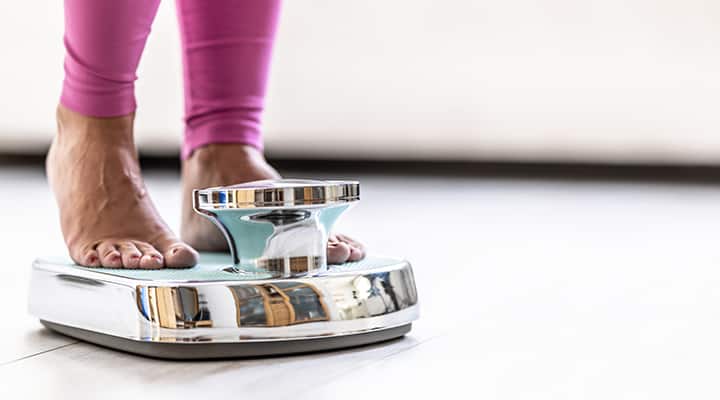
How do you know if you're dealing with high cortisol levels? Here are seven possible symptoms of dysregulated cortisol:
- Weight gain
- Muscle and bone weakness
- High blood sugar (can become diabetes)
- High blood pressure
- Sexual dysfunction
- Mood difficulties and anxiety
- Fatigue and difficulty sleeping
These symptoms can be caused by factors other than cortisol, however. As I explain to my patients, it's easy to blame cortisol for common health concerns, such as fatigue, poor sleep, mood swings, changes in weight, or feeling "wired but worn out." If you've been struggling with some of these symptoms, you should speak with your physician, who may also recommend a cortisol blood test to shed light on any abnormalities in cortisol levels and adrenal function.
5. How can you lower cortisol for better sexual satisfaction?

Developing stress-coping techniques can be a proactive approach to lowering cortisol and improving sexual satisfaction. In general, making lifestyle changes, which can include dietary supplements, will positively impact cortisol levels and libido.
Here are my top non-negotiable habits at every age:
Get regular exercise:
Research shows the sweet spot for movement is around 150 to 300 minutes of moderate intensity physical activity each week. Whether you're brisk walking, swimming or weightlifting, you can break up your sweat sessions to fit your schedule. This can look like 30 to 60 minutes of movement five days a week, 25 to 50 minutes six days a week, or 75 to 150 minutes twice weekly.Prioritize restful sleep:
Sleep is when your body resets, heals and regulates metabolism. Keep your bedroom dark and cool (60° to 68°F) when it's time to hit the hay. Aim to get seven to nine hours of uninterrupted sleep every night. And do your best to go to sleep and wake up around the same time every day, even on weekends. Emerging research suggests that sleeping in may help make up for missed sleep, so don't neglect short naps when you feel your body needs it.Follow a balanced diet:
Nutrient-dense, whole foods should be your primary source of essential nutrients. Pile up your plate with fiber-rich foods, such as tubers, colorful veggies and fruits, high-quality protein, and healthy fats—think Mediterranean diet.Soothe the nervous system:
Your body does not differentiate stress from work and a life-threatening situation; in other words, the physiological response to stress is the same. Fostering a calm mind-body connection through daily movement, meditation, spending time in nature, and reconnecting with loved ones are great ways to help your body unwind from the inside out.
FAQs about cortisol and sex
Is sexual dysfunction caused by high cortisol?

Yes and no: there are a lot of things that can cause sexual dysfunction, which we can define as any difficulty a person experiences at any point during sexual activity. And yes, high cortisol can be one of the causes. Sexual dysfunction also can be a stressor.
As we discussed earlier, the disruption of the HPA axis, which leads to decreased sexual responsiveness and satisfaction, can turn into a vicious cycle, and those conditions won't foster feelings of desire or intimacy. In the heat of the moment, this can mean that stress and elevated cortisol levels can make it difficult to maintain an erection or sufficient vaginal lubrication—plus the psychological and emotional barriers compound the issue.
How long can it take for libido to return once stress levels are lowered?

Every person will have a different journey, whether it's days, weeks or months. Recall that cortisol imbalances can lead to a high cortisol and low libido cycle, which can add more stress. If you're struggling with managing stress and reigniting that spark, the first step is to be communicative with your partner and be patient with yourself. Seeking an intimacy specialist can help you and your partner navigate the ups and downs of boosting libido and rediscovering intimacy.
Why do some people crave intimacy when stressed while others avoid it?
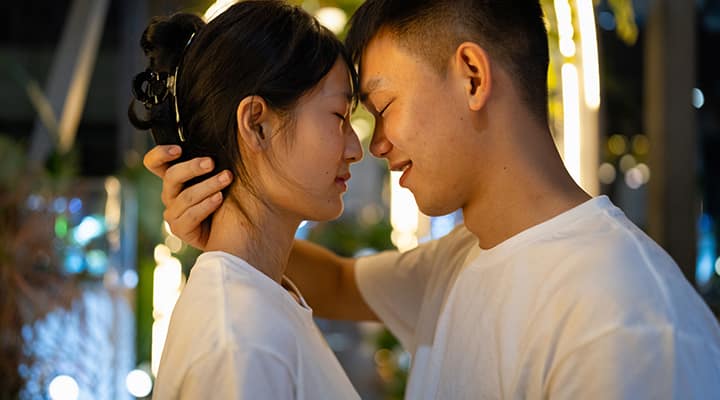
People respond very differently to stress; there are emotional and psychological factors that are at play. For example, attachment styles, or patterns of behavior people express in their close relationships, is one psychological aspect that influences how people respond to intimacy when they are stressed.
Some people may have very strong physical symptoms due to stress, such as headaches, stomach problems, and fatigue, making it difficult to physically connect with their partner. On the other hand, there are people who seek out physical and emotional release through sex.
Both responses are normal, but it's important to support a healthy stress response, so it doesn't tarnish intimacy in the long run.
Key Takeaways
- Chronic stress reduces sexual responsiveness and satisfaction, which can lead to more stress, further tanking libido, becoming a vicious cycle.
- Cultivating daily habits that support a healthy stress response can help lower cortisol and improve libido.
- It may take time to get libido back to healthy levels. Be patient with yourself and communicate with your partner.


References
- Amabebe E, Anumba DOC. "Psychosocial Stress, Cortisol Levels, and Maintenance of Vaginal Health." Front Endocrinol (Lausanne). September 2018. https://pmc.ncbi.nlm.nih.gov/articles/PMC6165882/
- Barham DW. "The role of cortisol in erectile function." Transl Androl Urol. August 2023. https://pmc.ncbi.nlm.nih.gov/articles/PMC10481202/
- Barton DL, et al. "Systemic and local effects of vaginal dehydroepiandrosterone (DHEA): NCCTG N10C1 (Alliance)." Support Care Cancer. April 2018. https://pmc.ncbi.nlm.nih.gov/articles/PMC5823730/
- Basson R, et al. "Dehydroepiandrosterone and cortisol as markers of HPA axis dysregulation in women with low sexual desire." Psychoneuroendocrinology. June 2019. https://pubmed.ncbi.nlm.nih.gov/30909007/
- Croft HA. "Understanding the Role of Serotonin in Female Hypoactive Sexual Desire Disorder and Treatment Options." The Journal of Sexual Medicine. December 2017. https://academic.oup.com/jsm/article-abstract/14/12/1575/6973348
- Chai Y, et al. "Cortisol dysregulation in anxiety infertile women and the influence on IVF treatment outcome." Front Endocrinol (Lausanne). June 2023. https://pmc.ncbi.nlm.nih.gov/articles/PMC10299854/
- DeFronzo RA, Auchus RJ. "Cushing Syndrome, Hypercortisolism, and Glucose Homeostasis: A Review." Diabetes. December 2025. https://pubmed.ncbi.nlm.nih.gov/40663715/
- Knezevic E, et al. "The Role of Cortisol in Chronic Stress, Neurodegenerative Diseases, and Psychological Disorders." Cells. November 2023. https://pubmed.ncbi.nlm.nih.gov/38067154/
- Marcinkowska UM, et al. "Hormonal Underpinnings of the Variation in Sexual Desire, Arousal and Activity Throughout the Menstrual Cycle – A Multifaceted Approach." The Journal of Sex Research. August 2022. https://www.tandfonline.com/doi/full/10.1080/00224499.2022.2110558
- Montero-Lopez E, et al. "The relationship between the menstrual cycle and cortisol secretion: Daily and stress-invoked cortisol patterns." International Journal of Psychophysiology. September 2018. https://www.sciencedirect.com/science/article/abs/pii/S0167876017302696
- Stalder T, et al. "The Cortisol Awakening Response: Regulation and Functional Significance." Endocr Rev. January 2025. https://pubmed.ncbi.nlm.nih.gov/39177247/
- Verma R, et al. "Gender differences in stress response: Role of developmental and biological determinants." Ind Psychiatry J. January 2011. https://pmc.ncbi.nlm.nih.gov/articles/PMC3425245/

Always be in the know!
Access the latest deals, wellness news, expert health tips & more!
Popular Lab Test