13 Tips to Keep Your Liver Healthy
Published: July 2021 | Updated: November 2025
At a Glance
- Your liver is essential for metabolism, detoxification, and overall health.
- Daily habits like what you eat, drink, and how you manage stress directly affect liver health.
- Certain supplements, such as milk thistle, NAC, and probiotics, may offer additional liver support.
Your liver is your body's second-largest organ and one of the hardest-working. It performs over 500 functions every day, from metabolizing nutrients and producing bile to removing toxins and regulating energy. It's the thankless hero that keeps your body running smoothly, so how do you make sure it has what it needs to keep on keepin' on?
While trendy "detox" diets often get attention, true liver health isn't about quick fixes—it's about consistent daily choices. We've got 13 tips to support your liver through smart nutrition, hydration, exercise, sleep, stress management, and targeted liver health supplements.
Following these liver health tips can help your liver thrive and support your overall health for years to come.
What does your liver do, and why should you protect it?

Your liver is a vital organ that keeps your body functioning efficiently. Its main job is to filter substances from your blood, but it does much more than that.
Some of the liver's other important roles include:
- Producing cholesterol, which is used for hormones, cell membranes, and bile
- Making proteins like clotting factors to manage bleeding and albumin to regulate fluid balance
- Maintaining steady blood sugar by storing and releasing glucose as needed
- Breaking down toxins so they can safely be eliminated from the body through stool or urine
- Processing fats for energy and storing any excess for later use
Your liver is remarkably resilient. However, exposure to toxins, poor diet, or stress can take a toll over time. The best thing you can do is support it daily with healthy, sustainable habits that will keep it functioning efficiently as you age.
13 science-backed tips for a healthy liver
1. Eat a diet rich in fruits, vegetables, whole grains, and healthy fats
A Mediterranean-style diet can help support liver health and function. Include plenty of colorful vegetables, fruits, legumes, nuts, seeds, olive oil, and lean proteins like fish or poultry.
2. Engage in regular physical activity
Exercise supports circulation, a healthy body weight and healthy liver fat levels, and it promotes long-term liver health. Aim for at least 150 minutes of moderate-intensity activity per week, such as brisk walking, cycling, or swimming.
3. Get enough sleep
Getting too little or too much sleep can affect your liver health. Adults should aim for 7–9 hours of high-quality sleep each night to support metabolic processes.
4. Drink alcohol in moderation (or not at all)
Alcohol is one of the most well-known and widely used toxins and it's processed in the liver. Limiting your intake, or choosing alcohol-free alternatives like mocktails, can help protect your liver.
5. Limit processed foods, added sugars, excess salt, and unhealthy fats
Highly processed foods, sugary beverages, and trans or saturated fats are all a challenge for your liver. Eating whole, minimally processed foods helps support liver function and protect your liver over the long term.
6. Stay consistently hydrated

Water is essential for many liver functions, including fat metabolism, digestion, and detoxification. Proper hydration helps your liver process and eliminate waste efficiently.
7. Limit exposure to known toxins
Exposure to chemicals in cigarettes, cleaning products, or industrial pollutants can affect the liver. Reduce your exposure by practicing safe handling, using protective ventilation, and avoiding smoking.
8. Maintain a healthy weight
Excess body fat, particularly around the abdomen, can contribute to fat accumulation in the liver. Losing even 5–10% of your body weight can help support your organs.
9. Stay up to date on medical visits

Routine check-ups, screenings, and laboratory tests enable you to monitor liver health.
10. Maintain healthy blood sugar and insulin
Proper insulin function and glucose metabolism are crucial for liver health. Maintaining already-healthy blood sugar levels can support liver health.
11. Support your immune system
Your liver and immune system work hand in hand. Practicing good hygiene, such as regular hand washing, helps support your immune defenses and, in turn, your liver health.

Explore Our Best Prebiotic & Probiotic Supplements
12. Manage stress
Stress can negatively impact liver function and metabolism. Incorporating relaxation techniques such as mindfulness, meditation, yoga, or therapy can help manage stress and support long-term liver health.
13. Consider liver-supportive supplements
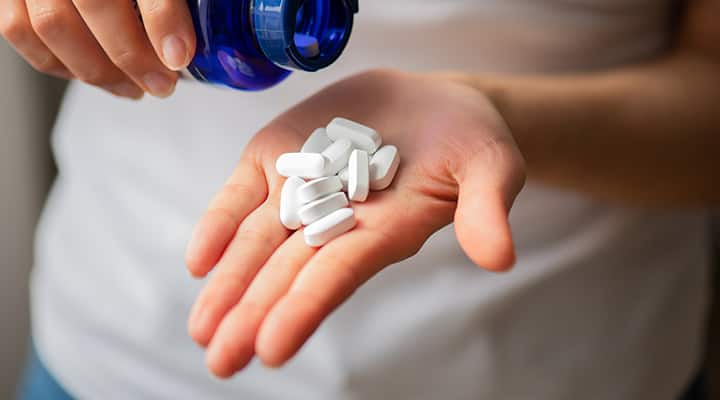
Certain supplements may help support liver health:
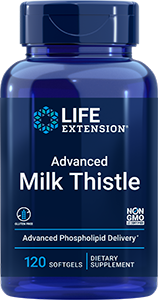
Milk thistle
. Milk thistle is a well-known herb that supports liver health and the body's natural detoxification process. Its active extract, silymarin, provides powerful antioxidant protection, helping to fight oxidative stress and promote healthy liver function.NAC
. NAC (N-Acetyl-L-Cysteine) is a precursor to glutathione, a powerful antioxidant that protects liver cells from free radicals and supports the liver's natural detoxification processes.Probiotics
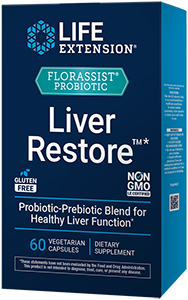
. A healthy gut microbiome plays an important role in supporting liver health. Clinically studied probiotic and prebiotic blends support digestive balance and a healthy inflammatory response, and promote healthy liver enzyme levels and other liver biomarkers.
What are the best foods to keep your liver healthy?
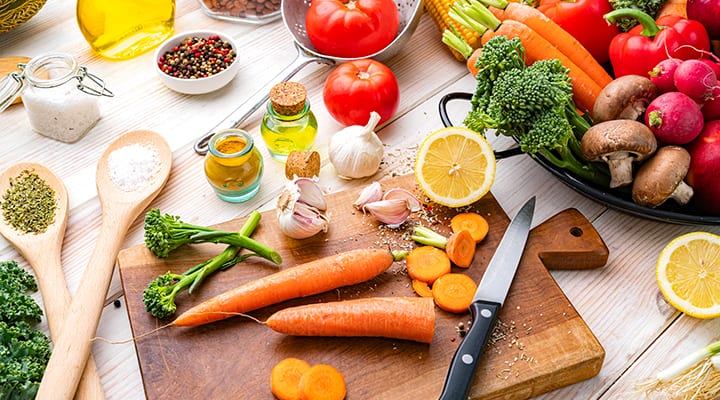
Eating a diet full of nutrient-rich foods is one of the best ways to maintain a healthy liver. Certain foods contain compounds that support a healthy inflammatory response, protect liver cells, and encourage your body's natural detoxification processes. Eating these foods regularly can help give your liver the support it needs to stay strong and healthy.
| Food type | Examples | Key liver benefits |
|---|---|---|
| Cruciferous vegetables | Broccoli, kale, Brussels sprouts | Contain unique sulfur compounds (glucosinolates) that support the activity of liver enzymes required for detoxification and act as antioxidants |
| Leafy greens | Spinach, lettuce, arugula, Swiss chard | High in chlorophyll, which protects liver cells and offers antioxidant support |
| Root vegetables | Sweet potatoes, carrots, beets | Contain antioxidants such as beta-carotene and betaine, which protect liver cells and support detoxification |
| Garlic | Fresh garlic, garlic powder | Contains allicin, which supports antioxidant defenses and liver cell protection; fresh garlic provides the highest levels |
| Berries | Blueberries, cranberries, raspberries, strawberries | Rich in flavonoids, which help protect liver cells and support natural detoxification |
| Citrus fruits | Oranges, lemons, limes, grapefruit | Rich in vitamin C and polyphenols that help support a healthy inflammatory response, protect against oxidative stress, and encourage overall liver health |
| Coffee & tea | Brewed green tea, matcha, brewed coffee | Tea is rich in catechins, which have antioxidant effects and may support healthy liver fat levels; the polyphenols in coffee also have antioxidant effects and may help protect liver cells |
| Fatty fish | Salmon, sardines, mackerel | Rich in omega-3 fatty acids that support healthy inflammatory processes and help support healthy liver fat levels |
| Healthy fats | Olive oil, avocado, nuts (especially walnuts), seeds | Contain monounsaturated fats, which support healthy insulin signaling and help support healthy liver fat levels |
| Whole grains | Brown rice, oats, quinoa | Promote a healthy insulin response and provide fiber, which supports overall liver function |
What should you avoid to keep your liver healthy?
Many things can overburden the liver over time. Drinking too much alcohol, smoking, and exposure to environmental chemicals or pollutants can all affect the liver. Lifestyle factors, like being sedentary or failing to manage stress, can also affect liver health.
Want to support your liver health through targeted nutrition? Our health needs quiz can deliver a recommendation for supplements based on your lifestyle and concerns.
Key Takeaways
- Eat a Mediterranean-style diet rich in whole foods, healthy fats, and antioxidants to support liver health.
- Limit alcohol, added sugars, and processed foods to help maintain a healthy liver.
- Stay active, hydrated, and maintain a healthy weight to support liver function.
- Consider supplement support like milk thistle, NAC, or probiotics, to help maintain optimal liver health.


References
- Baldelli S, et al. "Glucosinolates in Human Health: Metabolic Pathways, Bioavailability, and Potential in Chronic Disease Prevention." Foods. March 2025. https://pmc.ncbi.nlm.nih.gov/articles/PMC11940962/
- Kang K, et al. "Perceived stress and non-alcoholic fatty liver disease in apparently healthy men and women." Scientific Reports. January 2020. https://www.nature.com/articles/s41598-019-57036-z
- Long L, et al. "Daytime napping, nighttime sleeping duration, and risk of hepatocellular carcinoma and liver disease-related mortality." JHEP Reports. October 2023. https://www.sciencedirect.com/science/article/pii/S2589555923001507
- Montemayor S, et al. "Dietary Patterns, Foods, and Nutrients to Ameliorate Non-Alcoholic Fatty Liver Disease: A Scoping Review." Nutrients. September 2023. https://pmc.ncbi.nlm.nih.gov/articles/PMC10534915/
- Spengler U. "Liver Disease Associated with Non-Hepatitis Viruses." Encyclopedia of Gastroenterology. 2020. https://pmc.ncbi.nlm.nih.gov/articles/PMC7149569/
- Younossi ZM, et al. "AGA Clinical Practice Update on Lifestyle Modification Using Diet and Exercise to Achieve Weight Loss in the Management of Nonalcoholic Fatty Liver Disease: Expert Review." Gastroenterology. February 2021. https://www.gastrojournal.org/article/S0016-5085(20)35538-4/fulltext
- Zhao L, et al. "Specific botanical groups of fruit and vegetable consumption and liver cancer and chronic liver disease mortality: a prospective cohort study." Am J Clin Nutr. February 2023. https://pmc.ncbi.nlm.nih.gov/articles/PMC10131619/
- Zhao N, et al. "Association of plain water intake with risk of all-cause and cause-specific mortality in individuals with non-alcoholic fatty liver disease or metabolic dysfunction-associated steatotic liver disease." Frontiers in Nutrition. October 2024. https://www.frontiersin.org/journals/nutrition/articles/10.3389/fnut.2024.1478194/full
- "Type 2 Diabetes and Your Liver." CDC. September 2025. https://www.cdc.gov/diabetes/diabetes-complications/type-2-diabetes-liver-disease.html

Always be in the know!
Access the latest deals, wellness news, expert health tips & more!
Liver Support Favorite