Is the Carnivore Diet Healthy? Ask the Dietitian
Published: August 2025
Chances are, you've probably seen someone on social media touting the "benefits" of the carnivore diet—an all-meat, no-plant way of eating that promises everything from improved energy to rapid weight loss. At first glance, it might sound simple: just eat meat and skip the rest.
But is cutting out all plant foods really a good idea for your health? While it's true that focusing on protein can be helpful in some contexts, the carnivore diet takes this concept to the extreme. Before you start filling your plate with nothing but steak and bacon, let's take a closer look at what the carnivore diet includes—and what it leaves behind. (We'll give you a hint: fiber is a glaring omission!)
Carnivore Diet Food List
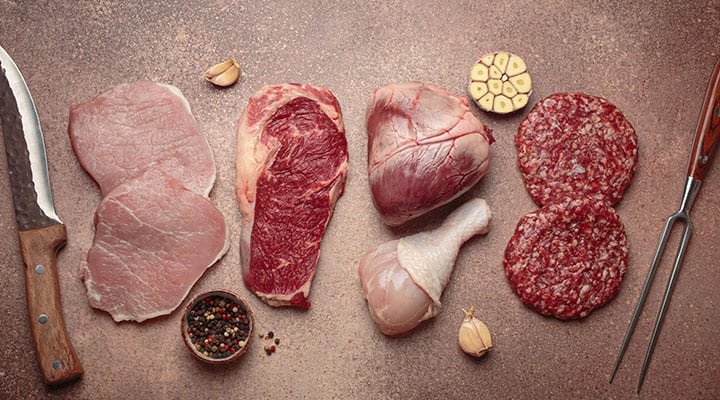
A strict carnivore diet eliminates all plant-based foods and focuses entirely on animal products. That means no vegetables, fruits, grains, legumes, nuts, seeds, or plant oils.
Here's what a typical carnivore food list looks like:
Animal Proteins
- Beef (steak, ground beef, ribs)
- Pork (chops, bacon, sausage—ideally nitrate-free)
- Chicken (breasts, thighs, wings, skin included)
- Turkey, lamb, duck, bison, and other meats
- Organ meats (liver, kidney, heart)
Animal Byproducts
- Eggs
- Full-fat dairy (cheese, heavy cream, butter), if tolerated
Seafood
- Fish (salmon, tuna, sardines, cod)
- Shellfish (shrimp, scallops, crab, mussels)
Fats & Seasonings
- Animal fats like lard, butter, ghee, or tallow
- Salt, sometimes pepper (though pepper is technically a plant product)
Beverages
- Water
- Bone broth
- Some versions allow coffee or tea, though these are plant-based and technically not carnivorous in nature
Is the carnivore diet healthy?
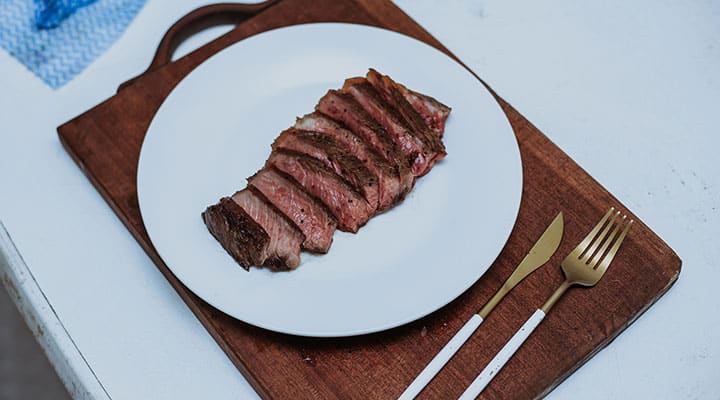
The carnivore diet removes all plant foods, which means it also removes the nutrients that come with them—like fiber, phytonutrients, and countless vitamins and minerals found only in fruits, vegetables, whole grains, legumes, nuts, and seeds.
While you might not notice anything significant in the short term, a diet overloaded with protein and saturated fat can strain your body's metabolic health and cardiovascular system over time. So is the carnivore diet healthy? Most nutrition experts agree: No, not really.
Many proponents of the carnivore diet share the idea that humans evolved on an all-meat diet, but that simply isn't true. Paleolithic hunter-gatherers ate what they could find, and yes, some wild meat, but also lots of plants: berries, tubers, seeds, nuts, and greens. So not only is the carnivore diet lacking in essential nutrients, it's also not aligned with how humans have evolved to eat.
Those powerful phytonutrient compounds found in plants like polyphenols and bioflavonoids play a big role in promoting a healthy inflammatory response, supporting heart health, and much more. You won't find them in meat because "phyto" literally means plant. The carnivore diet offers zero of these proven health protectors.
Plant foods also contain fiber. Most Americans already aren't meeting the recommended daily amount of fiber. This underrated nutrient helps feed your gut microbiome, supports already-healthy cholesterol and blood sugar levels, and keeps your digestion on track. The carnivore diet offers no fibrous foods, and while yes, you can supplement, it is important to also obtain fiber from a variety of sources to get the different types of fibers.

Explore Our Best Digestive Health Supplements
What are the cons of a carnivore diet?

While the carnivore diet may seem appealing for its simplicity (no labels to read, no carbs to count, no veggies to chop), it comes with several important drawbacks that are hard to ignore. Cutting out entire food groups, especially nutrient-rich plant foods, can have long-term effects on your health.
From digestion to heart health to sustainability, here are the most commonly cited concerns and risks associated with following a strict carnivore diet:
Lack of fiber
: Without plant foods, the diet is completely devoid of dietary fiber, which supports digestion, gut health, and regularity.Digestive discomfort
: On a related note, bloating is common with this diet plan, especially in the early stages of cutting out fiber.Nutritional intake
: Eliminating fruits, vegetables, legumes, and whole grains removes important vitamins, minerals, and antioxidants, including vitamin C, potassium, and polyphenols.Too much of the "bad" fats
: Diets high in saturated fat and cholesterol, common in heavy meat intake, are the antithesis of a heart-healthy lifestyle.Gut bacteria imbalance
: A lack of plant diversity can reduce microbiome diversity, which may impact digestion and mood—and even your immune system health.Unsustainable long-term
: Socially restrictive and nutritionally unbalanced, most people find it difficult to stick with the carnivore diet long-term.Feeling "off"
: Many people feel off their game—maybe a little cranky, tired or in a fog—which is likely due to their nutritional intake and a lack of slow-digesting carbohydrates.
Should you try the carnivore diet?

Nutrition-related trends and fad diets have their appeal for a reason. It's understandable to be curious about the carnivore diet, especially if you're looking to lose weight, reset your eating habits, or simplify your routine. But before diving in, it's important to consider your personal goals, health status, and how sustainable the approach really is for your lifestyle.
If you're thinking about trying it, treat it like an experiment—not a long-term commitment. A short trial of about 7 to 10 days may help you tune into how your body responds without putting your health at risk. Just know: those first few days may come with some fatigue, irritability, or digestive changes as your body adjusts to a lack of carbs and fiber. That's normal, but it can be avoided (or eased) with a smarter approach.
If you're looking for a more balanced meal plan, start with a high-protein diet and add lots of nutrient-dense foods in. Instead of quitting carbs cold turkey, keep a few small servings of starchy, whole-food carbohydrates in your meals, like sweet potatoes, squash, or lentils. These are nutrient-dense sources of energy that can help you feel better and perform better, especially if you're active.
If you're set on trying a carnivore-style eating plan, consider a modified version. You don't need to eliminate vegetables completely, especially leafy greens and fiber-rich veggies. These foods don't interfere with higher-protein goals, and they come with powerful health perks, like antioxidants, vitamins, and yes, fiber.
Speaking of fiber, if occasional constipation hits, a fiber supplement and adding a few plant foods back in might help. You don't have to be "all or nothing" to see benefits from simplifying your meals. A balanced, flexible approach will serve your body—and your long-term health—much better in the long run.
Should you take supplements on the carnivore diet?

In short: yes. Because the carnivore diet cuts out entire food groups that contain fiber, namely fruits, vegetables, whole grains, legumes, nuts, and seeds, it also eliminates many of the essential nutrients your body needs to function at its best. Even if you're eating high-quality meats and organ cuts, it's nearly impossible to get everything your body requires from animal products alone.
While a meticulously planned carnivore diet might meet your needs for certain vitamins, minerals, and omega-3 fatty acids, doing it well is nearly impossible. Without the right expertise, you risk falling short on key nutrients like vitamin C, fiber, magnesium, and phytonutrients (which only come from plants).
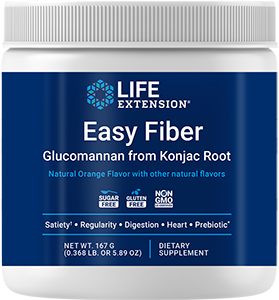
At the very least, a fiber supplement is a smart addition. Fiber supports digestion, keeps your gut microbiome happy, and helps maintain healthy cholesterol and blood sugar levels. Consider something like Easy Fiber by Life Extension to help fill the gap.
You might also benefit from other digestion-supporting supplements like:
- A greens powder to provide plant-based antioxidants and phytonutrients
- Digestive enzymes to support the breakdown of protein-heavy meals
- A multivitamin to cover nutrient gaps like vitamin C, potassium, and folate
Carnivore Diet vs. Keto: What’s the Difference?
At a glance, the carnivore and keto diets might seem similar: they both limit carbs and emphasize animal-based foods. But they differ in key ways, especially when it comes to food variety, macronutrient focus, and scientific research.
The keto diet is a high-fat, moderate-protein, very low-carb diet. It encourages fats from both animal and plant sources, like avocado, coconut oil, nuts, seeds, and olive oil. You'll also see plenty of non-starchy vegetables, like spinach and cauliflower, on a typical keto plate.
The carnivore diet, on the other hand, is all about animal products—meat, fish, eggs, and sometimes dairy. It's high in protein and fat, but intentionally excludes all plant-based foods, including those healthy fats from nuts, seeds, avocados, and oils. That means no fiber, no phytonutrients, and no carbs.
There's also a big difference in scientific research backing the keto diet. Keto has been extensively studied, with research suggesting benefits for certain medical conditions and weight management. The carnivore diet lacks the evidence base, and most of what you'll find online is anecdotal or driven by social media trends, rather than peer-reviewed science.
What is the best diet to follow?
Of course, there are many different ways to eat well. But when it comes to long-term health and scientific support, the plant-rich Mediterranean dietary pattern continues to lead the pack. Decades of research show that it supports heart health, cognitive function, blood sugar balance, and longevity.
A similar evidence-based approach, the DASH Eating Plan, was specifically developed to help support healthy blood pressure and also promotes a balanced, whole-food diet rich in fruits, vegetables, whole grains, lean proteins, and healthy fats.
Meat and other animal-derived foods still deserve a place on your plate (if you're so inclined)—but your heart (and the rest of you) will thank you if you bring plants, seeds and legumes into the mix.
If you're not sure where to start, consider taking our supplement quiz or consulting a healthcare provider who understands high-protein or elimination-style diets. On a restrictive diet like the carnivore diet, supplements are a requirement to fill in nutrient gaps for long-term health.

References
- Furbatto M, et al. "Mediterranean Diet in Older Adults: Cardiovascular Outcomes and Mortality from Observational and Interventional Studies-A Systematic Review and Meta-Analysis." Nutrients. November 2024. https://pubmed.ncbi.nlm.nih.gov/39599734/
- Monjotin N, et al. "Clinical Evidence of the Benefits of Phytonutrients in Human Healthcare." Nutrients. April 2022. https://pmc.ncbi.nlm.nih.gov/articles/PMC9102588/
- Quagliani D, Felt-Gunderson P. "Closing America's Fiber Intake Gap: Communication Strategies From a Food and Fiber Summit." Am J Lifestyle Med. July 2016. https://pmc.ncbi.nlm.nih.gov/articles/PMC6124841/
- Zemer A, et al. "Ketogenic diet in clinical populations—a narrative review." Frontiers in Medicine. October 2024. https://www.frontiersin.org/journals/medicine/articles/10.3389/fmed.2024.1432717/full
- "DASH Eating Plan." National Heart, Lung, and Blood Institute. January 2025. https://www.nhlbi.nih.gov/education/dash-eating-plan


Always be in the know!
Access the latest deals, wellness news, expert health tips & more!
Popular Supplement