9 Habits to Prevent Wellness Burnout
Published: July 2026
At a Glance
- Wellness burnout occurs when health habits become stressful and overwhelming.
- Wellness burnout can affect anyone striving to maintain a healthy routine.
- The stress from wellness burnout can impact your sleep, metabolism and heart health.
- Changing your mindset and limiting social media can help prevent wellness burnout.
You feel like you are doing everything right: tracking your steps, monitoring your sleep, drinking water, and eating plenty of fruits, vegetables and protein. Yet lately you're not feeling so great—mentally and physically!
The surprising culprit may be wellness burnout, which ironically can occur when the pursuit of "perfect" health leads to guilt, anxiety and physical symptoms, such as fatigue, headaches and chronic stress.
Let's talk about the signs and symptoms of wellness burnout, who is most at risk, and practical, healthy habits that can help you maintain your well-being without feeling overwhelmed.

Signs and symptoms of wellness burnout

Wellness burnout is not a formal medical diagnosis, but a colloquial phrase referring to what happens when a person's efforts to be as healthy as possible end up stressing them out. Wellness burnout can occur easier than you think, thanks to several factors:
- Overwhelm from the sheer volume of health information and conflicting health trends in wellness culture. A recent survey found 69% of American adults named inaccurate or misleading information as a major source of stress—and health-related misinformation is rampant.
- Obsessing about or hyper-analyzing health choices, which leads to guilt over "slip-ups."
- The abundance of health-measuring devices that track steps, heart rate, sleeping, diet and more.
- Performative wellness (the social pressure around workouts, diet and health stats).
Stress from any source (be it a near-accident on the road or sleeping through the start of your morning workout) causes your body to release "fight or flight" hormones, specifically cortisol and epinephrine. These hormones activate the HPA-axis (hypothalamic-pituitary-adrenal-axis), which helps regulate the body's stress response.
Your immediate response (a higher heart rate, a spike in blood sugar and muscle tension) can quicken your reactions and help you avoid that wayward car. But when the body is under chronic stress, the HPA-axis can become dysregulated. Excess cortisol release can reduce responsiveness and have cascading effects on other hormones. This leads to emotional and cognitive exhaustion, as well as physical fatigue.
Signs and symptoms of wellness burnout include:
Physical signs.
Physically you might experience low-level headaches or generally feel tired and unwell.Psychological signs.
Mentally, you might feel anxiety about your health choices, guilt from your "unhealthy" choices, and a lack of enjoyment and enthusiasm.Behavioral signs.
You may find yourself obsessively tracking sleep, steps, heart rate and other health markers through fitness trackers or hyper-analyzing your food choices and efforts to meet your health goals.
"Feelings of wellness burnout can sour your relationship with food, exercise and healthy activities in general," said Dr. Michael A. Smith, MD, the Director of Education for Life Extension. "You might feel inclined to give up on your wellness goals entirely. But keep in mind that perfection is unattainable and unnecessary. Focus on your big-picture goals while keeping your mental well-being a top priority."
"Feelings of wellness burnout can sour your relationship with food, exercise and healthy activities in general."
Practical ways to prevent well-being burnout

Constant exposure to wellness tips, diet trends and conflicting information on social media can be overwhelming, leading to overthinking health choices. And missing your health goals can leave you open to feelings of failure. To counter that:
Be a critical consumer of health information.
Social media is full of people with no authority saying completely false things with full confidence. Be wary of anything you see online. Who is saying it and why? Do they have any evidence to support their claims? It's important to get advice from people you can trust, those with the authority and credentials to make informed recommendations (starting with your doctor!). The lack of authority in the social wellness industry is well-documented. A study out of the University of London found 81% of TikTok videos about cancer cures made unfounded medical claims, and a wellness influencer who falsely claimed to be cured of cancer inspired a nonfiction book, Netflix series, and Australian federal court case.Change your mindset.
If you are stressing over unrealistic goals (such as eliminating all plastic products from your life), obsessing over a high protein target, or worrying about sugar in fruit, take a huge step back. Instead, think about the big picture. If you are eating a reasonably balanced diet, moving your body, and prioritizing sleep, you are already doing great.Set realistic goals.
Goal-setting often fails because there is no such thing as perfect, and trying to change everything at once is unsustainable. Instead, focus on a few big-picture goals that fit your lifestyle (like getting 7-8 hours of sleep, 20 minutes of movement and two servings of vegetables every day). Do not attempt to do everything perfectly, and forgive yourself if you have an "off" day. Another tip: Give yourself a range of targets so you can succeed even on busy days. (Maybe you won't get over 10k steps every day, but 7k is still respectable!)Reduce the number of wellness goals.
You can't work on everything all at once. Pick a category you want to work on for a week or month (better sleep or stretching every morning) and set yourself some realistic goals (see #2) to improve (like putting your phone away an hour before bed and turning down the lights). Don't also try to completely overhaul your diet at the same time! Get your new habit solid before moving on. Periodically audit your goals and remove any that are not working for you.

Limit your social media.
Wellness content on social media can quickly become overwhelming and can lead to unrealistic (and sometimes impossible) expectations. You don't need to delete all your social media apps, but set yourself some hard limits to help reduce comparison and stress. It's too easy to fall down wellness rabbit holes that leave you feeling worse about yourself and despairing over the ideal routine.Take breaks in tracking.
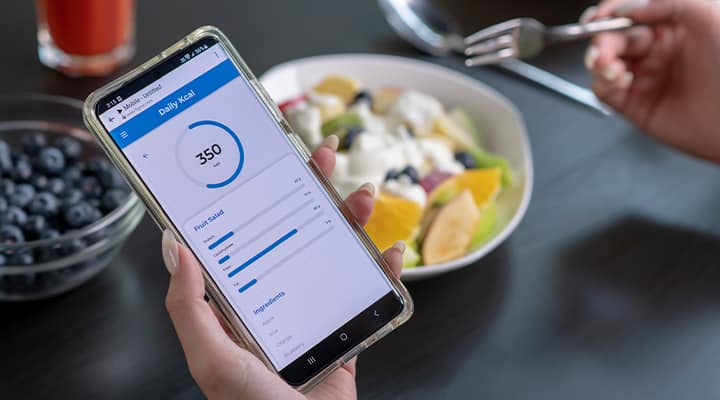
Constantly tracking steps, sleep or other activities can create pressure to "perform" wellness. Instead, track 1-2 measures (like sleep and steps) and focus on how you feel physically and mentally as a more reliable measure of health progress. Turn off push notifications and "streaks" from health apps that can add to the pressure and anxiety of wellness.Schedule recovery days.
Rest days are an important part of a balanced wellness routine. Take time away from structured exercise and strict food tracking to give yourself time for physical and mental recovery without guilt.
Practice stress management.
Stress-reducing activities such as spending time in nature, practicing yoga, or meditating can help support a healthier mindset. Nutrients like GABA and ashwagandha, which have been studied for stress management, can also help to bring some calm to your day.Make it a social activity.
Engaging in wellness habits with friends or family can increase motivation and consistency (but be sure to practice support without shame or guilt). Walking, cooking, or attending fitness classes with a buddy can make healthy habits more enjoyable and sustainable.
| Sign of wellness burnout | Lifestyle intervention | Added support |
|---|---|---|
| Feeling overwhelmed |
|
|
| Poor sleep |
|
|
| Exhaustion |
|
|
| Guilt or anxiety over health-related choices |
|
|
| Lack of enjoyment or enthusiasm |
|
|
How to Fact-Check Wellness Content
Before you cut out all carbs or go on the cabbage soup diet, take a step back and look at the source of your information.
Who wrote it?
It is important to note that personal experience with a health issue does not make you an expert. Our bodies are incredibly complex, and every single person is different (just look at your fingerprints). Consider the medical training and expertise of the speaker.What does the science say?
Has the health solution in the video been tested in clinical trials? Has the result been documented in multiple populations? Don't trust anecdotal evidence in one person or in their circle of friends or followers on TikTok.Resist appeals to emotion and scare tactics.
Is the video or article urging you to "do this before it is too late"? Is ominous music playing in the background? These tactics create a false sense of urgency hoping to push consumers or followers into action.Talk to your doctor.
You wouldn't invest your hard-earned savings with a stranger on TikTok who claims to have an inside track to great wealth. Don't invest your health with them either. Talk to an expert and do your research before making any drastic changes to your lifestyle.
How chronic stress contributes to wellness burnout
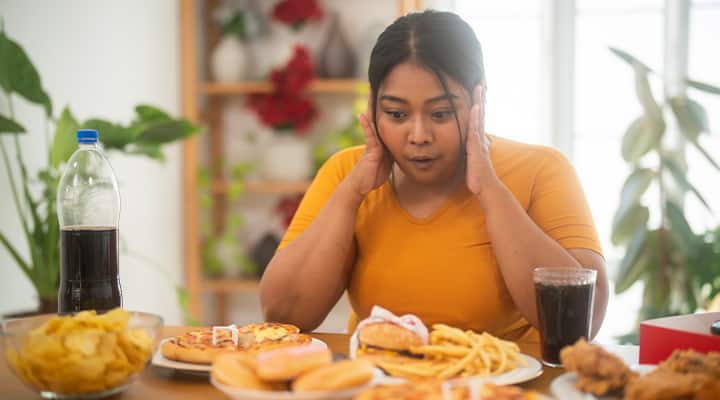
Burnout and chronic stress share distinctly unhealthy outcomes. They may include:
- Trouble sleeping
- Cognitive impairment
- Inflammation
- High blood pressure
- High blood sugar
- Changes to your metabolism
Chronic stress can also contribute to weight gain, gray hair and wrinkles, factors that might add even more pressure to your wellness journey. Having a healthy lifestyle should make you feel good mentally and physically, so one obvious sign of wellness burnout is not feeling well even when you are eating well, exercising and getting enough sleep.
It is important to discuss any signs and symptoms with a trusted healthcare provider, because physical and mental changes may also be attributed to factors other than stress. Taking a blood test that measures your stress hormones, thyroid function, metabolic health markers and inflammatory response might also be helpful.
Although wellness burnout can affect anyone, people who are more susceptible to stress-induced changes may be at higher risk. These populations include:
- Women experiencing menstrual cycles
- Women experiencing perimenopause or menopause
- Aging adults
Wellness burnout vs. adrenal fatigue: What's the difference?
Neither of these terms is a recognized medical diagnosis. Wellness burnout is essentially stress overload—in this case, caused by feeling overwhelmed by the pressure to be healthy. Adrenal fatigue is a term used for a variety of non-specific terms including fatigue, food cravings and poor sleep. What people blame on adrenal fatigue is generally HPA-axis dysregulation, or altered cortisol signaling, not the adrenal gland becoming fatigued. Some of the symptoms of wellness burnout and adrenal fatigue overlap.
Stress management through lifestyle and nutrition is the best way to deal with altered cortisol signaling, and you should work with a healthcare practitioner to restore a healthy stress response. Our practical tips for preventing burnout are a good place to start, as well.
Remember, wellness is not an "all or nothing" approach. A healthy lifestyle is about consistency, not perfection, so missing a workout or step goal does not mean failure. Keep moving forward without guilt or comparison, and protect your mental health just as fiercely as you support your physical health.
Key Takeaways
- Being a wellness perfectionist can lead to feelings of overwhelm and failure.
- Setting realistic goals and focusing on 1-2 at a time can help prevent wellness burnout.
- Fact-check wellness content and be suspicious of advice that uses scare tactics or takes an all-or-nothing approach.


About the Author: Brannon Blount is a registered dietitian. She earned a bachelor’s degree in Biochemistry from Virginia Tech and a master’s degree in Applied Nutrition from the University of New England. She has clinical nutrition experience and focuses on evidence-based nutrition education and promoting balanced, realistic eating patterns for sustainable health.
References
- Dekker CA, et al. "Beyond the Buzz: Investigating the Effects of a Notification-Disabling Intervention on Smartphone Behavior and Digital Well-Being." Media Psychology. March 2024. https://www.tandfonline.com/doi/full/10.1080/15213269.2024.2334025
- James KA, et al. "Understanding the relationships between physiological and psychosocial stress, cortisol and cognition." Frontiers in Endocrinology. March 2023. https://www.frontiersin.org/journals/endocrinology/articles/10.3389/fendo.2023.1085950/full
- Khammissa RAG, et al. "Burnout phenomenon: neurophysiological factors, clinical features, and aspects of management." J Int Med Res. September 2022. https://pmc.ncbi.nlm.nih.gov/articles/PMC9478693/
- Montero-Lopez E, et al. "The relationship between the menstrual cycle and cortisol secretion: Daily and stress-invoked cortisol patterns." International Journal of Psychophysiology. September 2018. https://www.sciencedirect.com/science/article/abs/pii/S0167876017302696
- Spindler M, et al. "Dysfunction of the hypothalamic-pituitary adrenal axis and its influence on aging: the role of the hypothalamus." Scientific Reports. April 2023. https://www.nature.com/articles/s41598-023-33922-5
- Zhang T. "Navigating Perimenopause: 5 Tips from a Women's Health Provider." Johns Hopkins Medicine. September 2025. https://www.hopkinsmedicine.org/health/wellness-and-prevention/navigating-perimenopause-5-tips-from-a-womens-health-provider
- "Life's Essential 8™." American Heart Association. https://www.heart.org/en/healthy-living/healthy-lifestyle/lifes-essential-8
- "Stress in America™ 2025." American Psychological Association. https://www.apa.org/pubs/reports/stress-in-america/2025/full-report.pdf

Always be in the know!
Access the latest deals, wellness news, expert health tips & more!
Popular Lab Test