What Is Biohacking: A Beginner’s Guide
Published: January 2023 | Updated: October 2026
At a Glance
- "Biohacking" is an umbrella term for a broad range of practices aimed at optimizing health, performance, cognition, and well-being.
- Biohackers make intentional changes in their behavior, nutrition, technology use, or pursue other biological interventions.
- While some biohacking tools and techniques are widely accepted, others need more research to prove their benefits.
Are you a biohacker? If you wear a smartwatch to monitor (and then tweak) your sleep patterns, or follow a special diet to influence your biology, you might be! The term "biohacker" might conjure images of withstanding extreme temperatures or gene modification—and indeed, it can mean that. Yet it also refers to using specific strategies to optimize your health—including physical performance, sleep, cognitive function, longevity and everything in between.
Let's go over the research behind different types of biohacking and explore the safest and most effective ways for you to optimize your health and well-being.
What is biohacking?
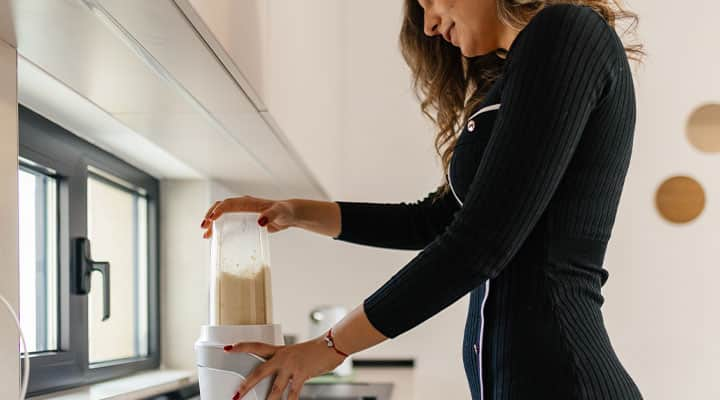
Biohacking is an umbrella term for a broad range of practices aimed at optimizing health, performance, cognition, and well-being through intentional changes in behavior, nutrition, technology use, or other biological interventions.
It is practiced on a spectrum:
Level 1:
The "gateway" to biohacking involves well-studied healthy behaviors, such as taking targeted nutrients, eating a healthy diet, or adopting exercise routines to meet a specific goal (like building muscle mass). If any of these activities are already in your wheelhouse, you might already be on the path to biohacking for longevity!Level 2:
You're a level 2 biohacker if you're investing in biohacking tools like cold plunges, saunas, or red light therapy; tracking the results of your resistance training with power tests; intermittent fasting; or closely monitoring your health with lab tests and wearable devices.Level 3:
This is where things venture into experimental and uncharted territory, and includes treatments or therapies that are still being studied and may have limited long-term safety data. Examples include peptide injections, stem cell therapies, gene therapies, off-label medication use, and technology implants within the human body.
Most people fall somewhere between levels 1 and 2, and may not be intentionally biohacking. People at level 3, however, are more likely to be intentionally pushing the boundaries of what their bodies can do.
How to biohack
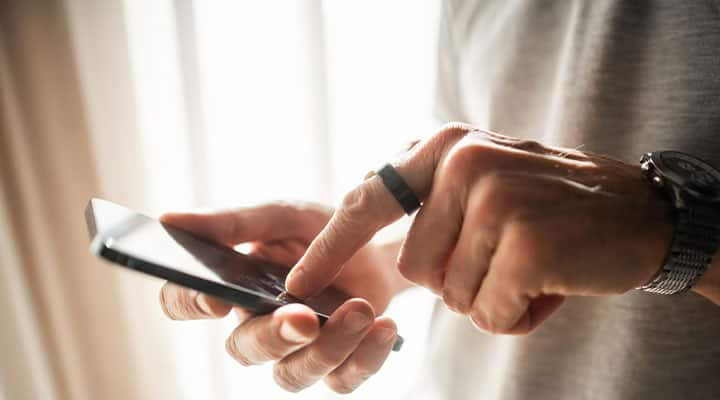
Whether you've just stumbled upon the term "biohacking" and want to give it a go, or have a house filled with red-light therapy devices, the following methods all focus on improving your health—and using data from tests to find ways to reach new levels of well-being.
Optimize your nutrition.
Prioritizing nutrient-dense whole foods over highly processed foods and added sugars is key to optimal health. Biohackers also often add supplemental nutrients such as vitamin D, NAD+ boosting supplements (NMN and NR) and omega-3s to support specific health goals like healthy aging. Lab tests that assess overall nutritional status and note any vitamin deficiencies can guide your diet. And wearing a glucose monitor can help you pinpoint patterns on how certain foods spike your blood sugar levels.Improve sleep hygiene.
Practices such as establishing a regular sleep-wake cycle, reducing exposure to light at bedtime, and getting sunlight upon waking can improve the quality of your sleep. If you've got a smartwatch or other wearable technology, you can track REM cycles, sleep latency and your overall sleep score to see whether your efforts are paying off.Fine-tune your athletic performance.
Popular goals include increasing muscle mass and improving functional mobility (strength and full range of motion), but it's also key to make time in your schedule for recovery. Two big biomarkers of longevity that are positively impacted by exercise include heart rate variability and VO2 max. Checking these periodically is a great way to monitor your response to exercise—but don't forget that grabbing heavier weights or bumping up your treadmill speed are also great indicators of progress.

Manage stress.
Stress resilience is the name of the game for biohackers, who use mindfulness, meditation, deep breathing, time in nature, and cold plunge therapy to protect their mental well-being while managing life's stressors. You can test your cortisol levels to get a readout on whether these tactics are working.Biohack your brain.
Neurohacking refers to optimizing mental clarity, memory, focus, and productivity—and fortunately, if your nutrition, sleep, exercise and stress management are all on point, your brain health comes along for the ride! Biohackers use nootropics, puzzles and memory games to boost their cognitive health.Get to know your genes.
Nutrigenomics is a field of study focused on how your genes influence your response to food. Biohackers use that information to fine-tune which foods to consume (and which to avoid). You can take a nutrigenomic lab test to identify genetic mutations that might affect how your body interacts with caffeine and lactose, among other things. It will also assess how well your body converts certain B vitamins into active forms and measures your fat and cholesterol metabolism.
The results can indicate which nutrients you need to have (or not have) in your diet to support your unique biology. This can be especially important in optimal nutrition and weight management, because genetic factors can determine 40% to 70% of a person's weight. In fact, some nutrigenomic tests will even show you whether you're a good candidate for GLP-1 medications!
Important caveat to all of this: being a biohacker isn't necessary to live a long and healthy life, and some of these techniques aren't for everyone. That being said, if you're a "data nerd" or enjoy the gamification aspect of biohacking, it can make it more fun to pursue wellness!
Biohacker tools
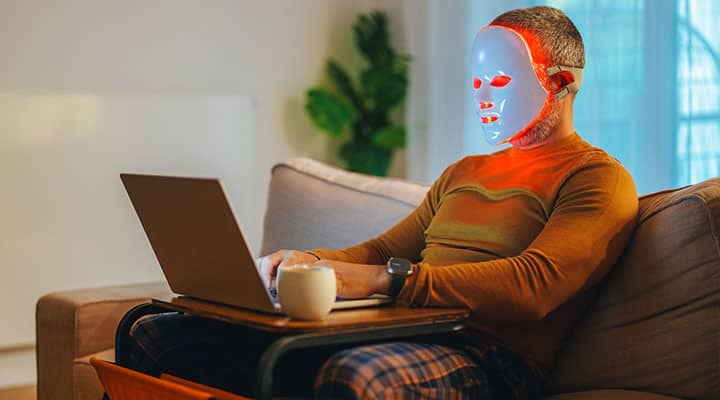
Understanding what biohacking tools are, how they work, and their potential risks can help you make more informed decisions about which approaches fit your goals. "Biohacking can be a powerful tool that can help you live your best life, but it's important to balance curiosity with caution," said Michael A. Smith, MD. "Some interventions lack clinical research, so focus on science-based techniques for lifestyle optimization."
| Biohacking tool | Benefits | Safety considerations |
|---|---|---|
| Wearable devices like the Apple Watch, Fitbit and Oura Ring |
|
|
| Nootropics like magnesium L-threonate, blueberry extract, ashwagandha and L-theanine |
|
|
| Cold and heat exposure like cold plunges, ice baths and sauna sessions |
|
|
| Intermittent fasting (restricting eating to an eight-hour window or cycling between periods of eating and fasting) |
|
|
| Photobiomodulation or red light therapy (the use of specific wavelengths of light to influence biological processes) |
|
|
| Hyperbaric oxygen therapy (HBOT), a medical treatment for conditions such as anemia and carbon monoxide poisoning |
|
|
"Biohacking can be a powerful tool that can help you live your best life, but it's important to balance curiosity with caution. Some interventions lack clinical research, so focus on science-based techniques for lifestyle optimization."
How do I know if I'm getting results from biohacking?
A hallmark of biohacking is measuring progress. So, instead of asking, "Do I feel better?" biohackers look for data that tracks changes over time. If you've been focusing on better sleep, check your watch or ring data to see how much REM you've been clocking. If the goal is body composition, in-body scans can help you understand your muscle to fat ratio.
And if there's one metric many biohackers love to monitor, it's biological age. Evaluating your biological age with a lab test (rather than counting your years on Earth) helps you understand how your body is aging by measuring the impact of overall stress on your health in real time.
Make data measurement an essential part of your biohacking tool kit. Knowing what's going on behind the scenes of your biology gives you the upper hand so you, with the guidance of your doctor, can "hack" your biology and address any abnormalities that may show up in your lab work.
Key Takeaways
- Common biohacking tools include wearable devices, lab tests, nootropics, sauna, cold plunge and light therapy.
- Tracking your biomarkers through lab testing is an essential part of your biohacking tool kit.
- Some forms of biohacking, such as hyperbaric oxygen therapy and cybernetics, may be unsafe.


References
- Akhgarjand C, et al. "Does Ashwagandha supplementation have a beneficial effect on the management of anxiety and stress? A systematic review and meta-analysis of randomized controlled trials." Phytotherapy Research. August 2022. https://onlinelibrary.wiley.com/doi/10.1002/ptr.7598
- Buijze GA, et al. "The Effect of Cold Showering on Health and Work: A Randomized Controlled Trial." PLoS One. September 2016. https://pubmed.ncbi.nlm.nih.gov/27631616/
- Cain T, et al. "Effects of cold-water immersion on health and wellbeing: A systematic review and meta-analysis." PLoS One. January 2025. https://pmc.ncbi.nlm.nih.gov/articles/PMC11778651/
- De Azevedo WMV, et al. "Photobiomodulation and sleep quality: systematic review and meta-analysis." Lasers in Medical Science. June 2026. https://link.springer.com/article/10.1007/s10103-026-04913-5
- Eerens W, et al. "Biohacking and Chip Implantation in the Human Hand: An Introduction." American Society for Surgery of the Hand. November 2025. https://www.jhsgo.org/article/S2589-5141%2825%2900195-1/fulltext
- Fu Q, et al. "Hyperbaric oxygen therapy for healthy aging: From mechanisms to therapeutics." Redox Biol. July 2022. https://pmc.ncbi.nlm.nih.gov/articles/PMC9156818/
- Hickson LJ, et al. "Senolytics decrease senescent cells in humans: Preliminary report from a clinical trial of Dasatinib plus Quercetin in individuals with diabetic kidney disease." EBioMedicine. September 2019. https://pubmed.ncbi.nlm.nih.gov/31542391/
- Jokinen-Gordon H, et al. "A Retrospective Analysis of Adverse Events in Hyperbaric Oxygen Therapy (2012-2015): Lessons Learned From 1.5 Million Treatments." Adv Skin Wound Care. March 2017. https://pubmed.ncbi.nlm.nih.gov/28198743/
- Kane AE, et al. "Long-term NMN treatment increases lifespan and healthspan in mice in a sex dependent manner." bioRxiv.org. June 2024. https://www.biorxiv.org/content/10.1101/2024.06.21.599604v1
- Kirby NV, et al. "Intermittent post-exercise sauna bathing improves markers of exercise capacity in hot and temperate conditions in trained middle-distance runners." Eur J Appl Physiol. February 2021. https://pubmed.ncbi.nlm.nih.gov/33211153/
- Laukkanen T, et al. "Association Between Sauna Bathing and Fatal Cardiovascular and All-Cause Mortality Events." JAMA Internal Medicine. April 2015. https://jamanetwork.com/journals/jamainternalmedicine/fullarticle/2130724?utm_source=openevidence&utm_medium=referral
- Liu G, et al. "Efficacy and Safety of MMFS-01, a Synapse Density Enhancer, for Treating Cognitive Impairment in Older Adults: A Randomized, Double-Blind, Placebo-Controlled Trial." J Alzheimers Dis. 2016. https://pubmed.ncbi.nlm.nih.gov/26519439/
- Loos RJF, Yeo GSH. "The genetics of obesity: from discovery to biology." Nat Rev Genet. February 2022. https://pmc.ncbi.nlm.nih.gov/articles/PMC8459824/
- Malík M, Tlustoš P. "Nootropics as Cognitive Enhancers: Types, Dosage and Side Effects of Smart Drugs." Nutrients. August 2022. https://pmc.ncbi.nlm.nih.gov/articles/PMC9415189/
- Messerli FH, et al. "Risk Factor Variability and Cardiovascular Outcome: JACC Review Topic of the Week." J Am Coll Cardiol. May 2019. https://pubmed.ncbi.nlm.nih.gov/31118154/
- Moini Jazani A, et al. "Efficacy of hydrotherapy, spa therapy, and balneotherapy on sleep quality: a systematic review." Int J Biometeorol. June 2023. https://pubmed.ncbi.nlm.nih.gov/37145200/
- Moore E, et al. "Effects of Cold-Water Immersion Compared with Other Recovery Modalities on Athletic Performance Following Acute Strenuous Exercise in Physically Active Participants: A Systematic Review, Meta-Analysis, and Meta-Regression." Sports Medicine. December 2022. https://link.springer.com/article/10.1007/s40279-022-01800-1
- Shivappa P, et al. "From light to healing: photobiomodulation therapy in medical disciplines." J Transl Med. December 2025. https://pubmed.ncbi.nlm.nih.gov/41466382/
- Sun B, et al. "Hyperbaric oxygen treatment for chronic insomnia at high altitude: A prospective, randomized, open-label, parallel-group trial." Travel Med Infect Dis. May-June 2025. https://pubmed.ncbi.nlm.nih.gov/40089167/
- "Every Intermittent Fasting Protocol, Explained by the Research." Fasting Diet Guide. April 2026. https://fasting-diet-guide.com/fasting-protocols/

Always be in the know!
Access the latest deals, wellness news, expert health tips & more!
Popular Blood Test