7 Peptides in Food: Bioactive Benefits
Published: June 2026
At a Glance
- The term "peptide" is trending in the wellness community, but everyday foods have always contained them.
- Protein-rich foods are broken down into peptides and amino acids during normal digestion.
- Eggs, milk, seafood, soy, legumes and whole grains are common peptide-rich foods.
- Eating eggs causes your body to naturally produce GLP-1.
As a registered dietitian, I'm getting more questions about peptides than ever. With the popularity of GLP-1, which is the peptide most closely associated with weight loss and blood sugar reduction, peptides are clearly having a moment.
But before chasing the next trend to lose weight, improve athletic performance, or support better health, it helps to understand what peptides actually are and the role they play in your health and wellness.
For starters, did you know you're probably already consuming peptides every day, if not at every meal? That's because a peptide is simply a small fragment of a protein. During digestion, enzymes break food proteins into amino acids (which you probably already knew) and peptides.
And like the "other" peptides being touted in the wellness space, some dietary peptides are bioactive, meaning they may support your body's healthy function in specific ways—many of which are under early stages of scientific investigation, but are exciting nonetheless.
Food-derived peptides are a great example of how nutrition goes beyond calories and macros and gives a whole new meaning to the saying that "food is medicine." Let's look at seven common sources for food-derived peptides, what they may do, and how to include more of them in your diet.

1. Eggs

Eggs are one of the easiest peptide-rich foods to add to your diet. Not only are they a great source of high-quality protein, but egg proteins are also broken down into peptides (and amino acids) during digestion.
Eggs, particularly egg whites, have also been shown to increase the secretion of glucagon-like peptide 1 (GLP-1). Some egg-derived bioactive peptides have been studied for antioxidant activity as well as antimicrobial, anti-inflammatory, antidiabetic and antihypertensive (blood pressure-lowering) activities. Most of this research is still early, but at the very least, think of eggs as a nutrient-dense food first, with peptide effects as a possible bonus.
Eggs provide vitamins A, B, D, and E, plus choline, lutein and zeaxanthin. These nutrients support brain health, eye health and overall nutrition. Because eggs contain dietary cholesterol, people with specific concerns should work with a healthcare provider or nutrition professional to build a healthy diet plan.
Try this: Keep hard-boiled eggs on hand, add eggs to breakfast bowls, or use them to increase protein in salads.
"Food-derived peptides are a great example of why nutrition is more than calories and macros. Protein-rich foods do not just provide amino acids. They can also release smaller peptide fragments during digestion that may support different functions in the body."
2. Dairy, milk and yogurt

Dairy foods are some of the best-known sources of food-derived peptides. Milk contains two major types of protein: casein and whey. During digestion, enzymes break these food proteins into smaller peptides and amino acids. Milk peptides can also be released through fermentation or hydrolysis.
Dairy peptides have been studied for potential effects in a variety of functions ranging from cardiovascular health to calcium absorption. The studied effects include antihypertensive, antimicrobial, antioxidant, anti-inflammatory, immunomodulatory and anticancer activity. Some research has looked at peptides and blood pressure, especially peptides derived from casein and whey protein hydrolysates. The research is promising, but more human studies are needed.
Yogurt adds another benefit because fermentation helps break down milk protein and may release bioactive peptides. This is why fermented food peptides are such an interesting area of research. Yogurt also provides beneficial bacteria, calcium and protein.
Try this: Use Greek yogurt for breakfast, add milk to smoothies, or use whey or casein protein when food alone is not enough.
3. Meat and animal proteins
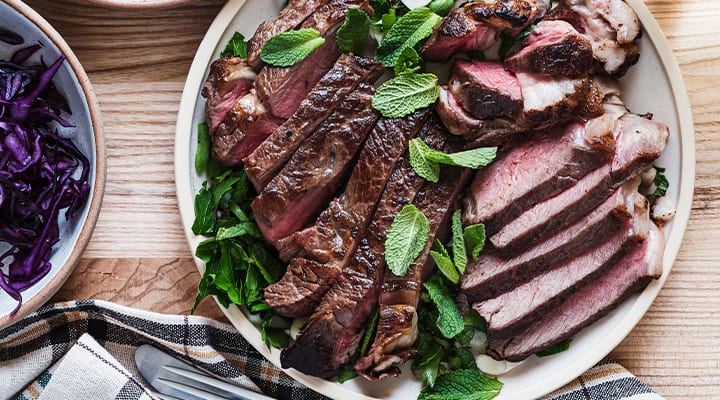
Meat and animal proteins are some of the most readily available natural sources of peptides in food. Foods like chicken, beef, turkey, and pork contain food proteins that digestion breaks into peptides and amino acids.
Some meat-derived bioactive peptides have been studied for potential antioxidant, antimicrobial, and anti-inflammatory activities, plus support for normal blood pressure function. These peptides may also modulate gut microbiota and influence short-chain fatty acid production.
As is the case with other dietary peptides, clinical support in humans is still limited, so lean meats should be viewed as high-quality protein sources first. Meat provides iron, zinc, vitamin B12, and other B vitamins. These nutrients support energy metabolism, red blood cell production, and muscle health.
Collagen-rich animal products can also be processed through hydrolysis (the process of breaking down using water) into collagen peptides, which have been studied for skin, joint and bone health. But remember, those studies are specific to collagen peptides, not all meat.
Try this: Choose lean options like chicken breast, turkey, sirloin or pork tenderloin.
4. Fish, shellfish and seafood

Seafood, including fin fish and shellfish, is an excellent source of protein and peptides. During digestion, enzymes break seafood protein into smaller fish peptides and amino acids. Marine protein hydrolysates are also added to diets because they provide specific peptide fragments.
Fish peptides and marine bioactive peptides have been studied for many bioactive functions including antioxidant, antihypertensive, antidiabetic, antimicrobial, anti-inflammatory, anticoagulant and anti-cancer effects, as well as immunoregulatory and wound-healing activities.
Marine collagen is another example. Fish skin or scales can be processed through hydrolysis into collagen peptides used in nutritional products.
Seafood also brings benefits beyond peptides. Fatty fish like salmon, sardines and mackerel provide omega-3 fatty acids, which support heart and eye health. Shellfish also provide minerals like zinc, selenium and iodine.
Try this: Include fatty fish a couple of times per week, or add shrimp, tuna or shellfish to salads and bowls.
5. Legumes, beans and lentils
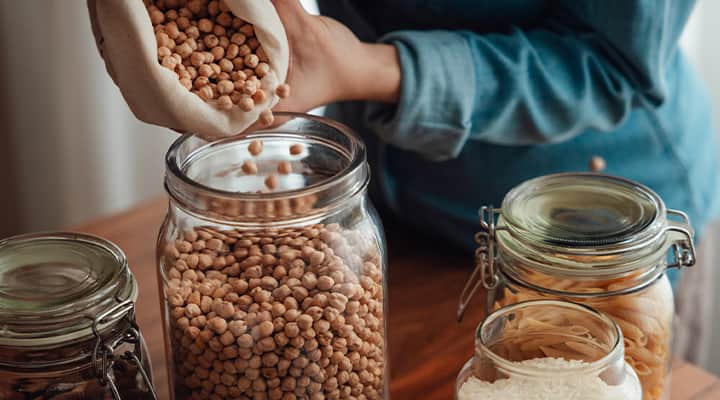
Legumes like beans, lentils and chickpeas provide plant-based protein, fiber and minerals like magnesium. During digestion, enzymes break legume protein into peptides and amino acids. Fermentation and hydrolysis can also generate protein hydrolysates and legume-derived bioactive peptides.
These bioactive peptides may have antioxidant, hypoglycemic, antihypertensive and anti-inflammatory effects, which support normal blood pressure function and healthy blood sugar responses. Some of those legume benefits come from fiber, magnesium, potassium and plant compounds, not peptides alone.
One note: Legumes contain phytates, which may reduce the absorption of some minerals such as zinc. That does not mean legumes are bad. It simply means variety matters.
Try this: Add lentils to soups, chickpeas to salads, or black beans to tacos and bowls.
6. Soy

Soy is one of the best-known plant-based protein foods and a major source of soy peptides. Tofu, edamame, soy milk, tempeh and natto contain food proteins that can be broken down into peptides and amino acids.
Soy peptides have been studied for potential effects on healthy lipid levels, blood pressure function, antioxidant activity and healthy inflammation. Lunasin is one of the most-studied soy peptides.
Soy also provides fiber, vitamins and soy isoflavones, which have been studied to support healthy aging, bone health, and healthy blood lipid levels in older women. Studies have found that people with the highest consumption of soy isoflavones had a 10% lower risk of all-cause mortality than those with the lowest consumption; higher intake was also associated with decreased risk of mortality from cancer.
Fermented soy products may offer an added benefit. Fermentation helps break down soy protein and may release more bioactive peptides. Tempeh and natto also provide beneficial bacteria that positively affect your gut microbiome, and natto is famed for its vitamin K content.
Try this: Add tofu to stir-fries, snack on edamame, or use tempeh in grain bowls.
7. Whole grains and oats

Whole grains and oats are usually known for fiber (supporting healthy gut regularity and blood sugar levels), but they also contain protein that can generate peptides during digestion, processing, fermentation or hydrolysis. Grains are not as high in protein as eggs, milk, meat or soy, but they still contribute food-derived peptides.
Whole grain peptides have been studied for antioxidant activity and antihypertensive support, meaning they promote normal blood pressure function. They also may be antithrombotic (helping prevent blood clots). However, more research is needed, and some benefits from whole grains come from fiber, vitamins, minerals, and beta-glucans, a type of fiber that supports immune health.
Try this: Use oats for breakfast, add oats to smoothies, or build meals around quinoa, barley, brown rice, or farro.
| Food | Potential benefits |
|---|---|
| Eggs | Supports antioxidant, antimicrobial and anti-inflammatory activity and blood pressure function. |
| Dairy, milk and yogurt | Supports calcium absorption, bone health, and cardiovascular function. May display anti-inflammatory, immunomodulatory, and anticancer activity. |
| Meat and animal proteins | Supports antioxidant and anti-inflammatory activity and blood pressure function. Collagen peptides may support skin and joint health. |
| Fish and seafood | Supports antioxidant and anti-inflammatory activity, skin or tissue health, and blood pressure function. |
| Legumes, beans and lentils | Supports antioxidant and anti-inflammatory activity, and metabolic and blood pressure health. |
| Soy | Supports lipid levels, blood pressure function, and antioxidant and anti-inflammatory activity. |
| Whole grains and oats | Supports antioxidant activity and normal blood pressure function. |
A quick note: Bioactive peptides in food are promising, but many findings come from lab, animal or early human studies. These foods are best viewed as nutrient-dense protein and fiber sources first, with peptide-related effects as an added area of interest.
Frequently asked questions about peptides in food
Peptides in food are not just a wellness trend. They are part of the natural way the body breaks down protein and uses nutrition to support everyday function. But because research is still emerging, at this point we may have more questions than answers. However, here are a few FAQs we can shed light on:
What is the difference between dietary peptides and bioactive peptides?
Dietary peptides are small protein fragments from food. The body can use them for nutrition after protein is broken down during digestion. Bioactive peptides are a more specific type of peptide that may have functional effects in the body, ranging from supporting antioxidant activity and healthy blood pressure to metabolic health.
Does digestion destroy bioactive peptides?
It is true that digestion breaks protein into peptides and amino acids, but some peptides may survive long enough to be absorbed or interact with the digestive tract. Results vary based on peptide structure, digestion, enzymes and the person.
Do you need wellness peptides if food already contains peptides?
Not necessarily. Many foods already provide protein, amino acids and peptides. For most people, peptide-rich foods and enough protein are the best first step, namely from foods like eggs, milk, yogurt, seafood, soy, legumes, and whole grains. Unregulated injectable wellness peptides, especially for weight loss, are a different category and may have safety concerns or limited clinical data.
The best place to start is a balanced, protein-rich diet. Choose a variety of peptide-rich foods, include plenty of fiber from plant foods, and focus on consistent nutrition habits that support your long-term health goals. And if you're not sure whether a healthy diet is sufficient, lab tests can give you a peek under the hood. For example, competitive athletes can take a performance panel that assesses for energy, endurance, overtraining and other important factors.
Key Takeaways
- Adding protein-rich foods to your diet should be the first place to start when exploring peptides.
- Fermentation helps break down milk protein and may release bioactive peptides.
- Grains are not as high in protein as eggs, milk or meat, but they have food-derived peptides.
- Human research is still developing, so foods should be viewed primarily as nutrient-dense protein and fiber sources.


References
- Benedé S, Molina E. "Chicken Egg Proteins and Derived Peptides with Antioxidant Properties." Foods. June 2020. https://pmc.ncbi.nlm.nih.gov/articles/PMC7353489/
- Cavazos A, Gonzalez de Mejia E. "Identification of Bioactive Peptides from Cereal Storage Proteins and Their Potential Role in Prevention of Chronic Diseases." Compr Rev Food Sci Food Saf. July 2013. https://pubmed.ncbi.nlm.nih.gov/33412684/
- Cell editorial team. "Molecular biology: The fundamental science fueling innovation." Cell. November 2024. https://pubmed.ncbi.nlm.nih.gov/39547204/
- Chatterjee C, et al. "Soybean Bioactive Peptides and Their Functional Properties." Nutrients. September 2018. https://pubmed.ncbi.nlm.nih.gov/30200502/
- Dhahri M, et al. "The isolation, bioactivity, and role of β-glucans in health: A review." Int J Biol Macromol. November 2025. https://pubmed.ncbi.nlm.nih.gov/41038474/
- Gutiérrez-López JO, et al. "Lunasin-like Peptide in Legume and Cereal Seeds: A Review." Int J Environ Res Public Health. September 2025. https://pubmed.ncbi.nlm.nih.gov/41154909/
- Hughes J, Grafenauer S. "Oat and Barley in the Food Supply and Use of Beta Glucan Health Claims." Nutrients. July 2021. https://pubmed.ncbi.nlm.nih.gov/34444720/
- Indrati R. "Bioactive Peptides from Legumes and Their Bioavailability." Legumes Research. September 2021. https://www.intechopen.com/chapters/78515
- Kashung P, Karuthapandian D. "Milk-derived bioactive peptides." Food Production, Processing and Nutrition. January 2025. https://link.springer.com/article/10.1186/s43014-024-00280-2
- Kiersnowska K, Jakubczyk A. "Bioactive Peptides Obtained from Legume Seeds as New Compounds in Metabolic Syndrome Prevention and Diet Therapy." Foods. October 2022. https://pubmed.ncbi.nlm.nih.gov/37431048/
- Lee S, et al. "Tracking bioactive peptides and their origin proteins during the in vitro digestion of meat and meat products." Food Chem. October 2024. https://pubmed.ncbi.nlm.nih.gov/38820629/
- Liu YF, et al. "Bioactive peptides derived from egg proteins: A review." Crit Rev Food Sci Nutr. 2018. https://pubmed.ncbi.nlm.nih.gov/28609123/
- Ma C, et al. "Egg-based nutrient delivery system: advances in omega-3, antioxidant, and micronutrient enrichment." Front Nutr. January 2026. https://pubmed.ncbi.nlm.nih.gov/41660417/
- Machado M, et al. "Bioactive Food Proteins: Bridging Nutritional and Functional Benefits with Sustainable Protein Sources." Foods. August 2025. https://pubmed.ncbi.nlm.nih.gov/40941156/
- Madhu M, et al. "Bioactive peptides from meat: Current status on production, biological activity, safety, and regulatory framework." Chemosphere. November 2022. https://www.sciencedirect.com/science/article/abs/pii/S0045653522021439
- Nachvak SM, et al. "Soy, Soy Isoflavones, and Protein Intake in Relation to Mortality from All Causes, Cancers, and Cardiovascular Diseases: A Systematic Review and Dose-Response Meta-Analysis of Prospective Cohort Studies." J Acad Nutr Diet. September 2019. https://pubmed.ncbi.nlm.nih.gov/31278047/
- Nielsen SD, et al. "Bioactive milk peptides: an updated comprehensive overview and database." Crit Rev Food Sci Nutr. November 2024. https://pubmed.ncbi.nlm.nih.gov/37504497/
- Nolan L, O'Toole PW. "Soy and the gut microbiome: a bi-directional relationship shaping nutrition and health." European Journal of Nutrition. February 2026. https://link.springer.com/article/10.1007/s00394-026-03900-4
- Shahidi F, Saeid A. "Bioactivity of Marine-Derived Peptides and Proteins: A Review." Mar Drugs. April 2025. https://pubmed.ncbi.nlm.nih.gov/40278278/
- Shen W, Matsui T. "Current knowledge of intestinal absorption of bioactive peptides." Food Funct. December 2017. https://pubmed.ncbi.nlm.nih.gov/29139513/
- Song L, et al. "Preparation, Biological Activities, and Potential Applications of Hen Egg-Derived Peptides: A Review." Foods. March 2024. https://www.mdpi.com/2304-8158/13/6/885
- Veronese N, et al. "The impact of dietary fiber consumption on human health: An umbrella review of evidence from 17,155,277 individuals." Clin Nutr. August 2025. https://pubmed.ncbi.nlm.nih.gov/40651334/
- Waqar M, et al. "Harnessing meat byproducts for health: bioactive peptides to modulate gut microbiota and promote sustainability." Food Chem X. January 2026. https://pubmed.ncbi.nlm.nih.gov/41630887/
- Xing L, et al. "Marine Products As a Promising Resource of Bioactive Peptides: Update of Extraction Strategies and Their Physiological Regulatory Effects." J Agric Food Chem. March 2022. https://pubmed.ncbi.nlm.nih.gov/35235313/
- Zhao C, et al. "Structure-activity relationships of bioactive peptides derived from legumes: significance and perspectives." Crit Rev Food Sci Nutr. 2026. https://pubmed.ncbi.nlm.nih.gov/41247701/

Always be in the know!
Access the latest deals, wellness news, expert health tips & more!
Digestive Health Favorite