What No One Tells You About Essential Amino Acid Supplements
Published: August 2025
If you're active, you probably understand the vital role recovery plays in your fitness journey. That period of rest helps your muscles recover from your workout, replenishes energy stores, and so much more.
Essential amino acid (EAA) supplements also play a role in muscle recovery, as well as exercise performance, and brain and immune health.
While you may think they are just for bodybuilders or athletes, amino acids can also help you maintain muscle mass over time and help supplement your diet if you avoid animal products or just want to get more protein on a daily basis.
Let's explore essential amino acid supplements the myths that surround them, and how you might benefit from adding EAAs to your diet.
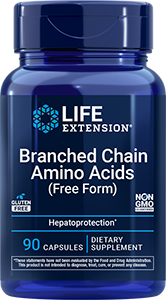
What makes an amino acid "essential"?

Essential nutrients are those you need, but your body doesn't produce, so you have to get them from your diet. For instance, when you get enough sunlight, your body can make the vitamin D you need, but your body can't make vitamin C—an essential vitamin you get from the foods you eat.
Your body requires 20 different amino acids. Of those 20, nine are essential and need to be consumed through your diet. The essential amino acids are:
- Histidine
- Isoleucine
- Leucine
- Lysine
- Methionine
- Phenylalanine
- Threonine
- Tryptophan
- Valine
Among the essential amino acids, the branched-chain amino acids (BCAAs) leucine, isoleucine and valine stand out from the rest. They support muscle function, mass and recovery, as well as brain and immune health.
Your body produces the 11 other amino acids, including alanine, arginine and glycine. But just because you make them doesn't mean you might not benefit from getting more of these nutrients than your body can produce during periods of occasional stress or intense physical activity. In these cases, amino acid supplements may be beneficial.
Myths and truths about essential amino acid supplements
When supplements like amino acids have been around for a long time, myths tend to pop up. Here are some common myths about amino acids—and their accompanying truths.
Myth #1: All amino acid supplements are identical.
Truth: Each amino acid has a unique function and role in the body.

- Branched-chain amino acids (BCAAs) supplements are commonly used for their ability to build muscle strength and endurance, support physical performance, promote brain and immune function, and encourage muscle recovery.
- Supplements with other essential amino acids generally support muscle building, growth and recovery, hormone production, and the creation of neurotransmitters. High-quality protein powders with essential amino acids support lean muscle, reduce protein breakdown, and promote immune system health and longevity.
- Single amino acid supplements are designed to address certain health outcomes. For example, glutamine functions as a supplement for gut health and immune system support. Glycine helps promote relaxation and supports restful sleep. Arginine supports arterial health and helps maintain already-healthy blood pressure levels.
Myth #2: More is better.
Truth: Your body can only use so much.

- There's no need to overdo it when it comes to supplement doses. Large amounts of amino acids do not produce additional muscle growth or enhanced performance results. The human body has a limited capacity to process amino acids at any given time; the rest are simply broken down before being excreted from your body. Essentially, there is no added benefit to taking too much, but there is an added hit to your wallet.
- All supplements, including amino acids, provide their best benefits when taken according to recommended dosages or following the advice of your healthcare provider.
- Consistent use is a much better way to produce superior results than taking excessive amounts.
Myth #3: Amino acids are just for bodybuilders.
Truth: Many people can benefit from amino acids.
Yes, amino acids can benefit bodybuilders and weightlifters, yet many different types of people find them useful.
- Older adults utilize amino acids as a means to inhibit muscle loss during aging, which is vital for sustaining their strength and mobility as well as their general health.
- The protein needs of vegans and vegetarians can be supported through amino acid supplements, especially when they do not obtain sufficient high-quality protein through plant-based diets alone.
- Amino acids benefit elite athletes as well as everyday people, helping them to recover from workouts, maintain strength and lean muscle mass, and support an active lifestyle.
How to get amino acids in your diet

Amino acids are always found in foods with protein, so most animal products like meat, eggs and dairy will be good sources of various amino acids. But certain plant-based sources that are higher in protein—like soy, quinoa and buckwheat—also contain all the necessary amino acids in proper balance.
Amino acid supplements can also be animal- or plant-based. Animal-sourced amino acids are often made from animal byproducts; plant-based supplements are made from crops like fermented corn seed, pea and soy.
Which supplement form is best?
Research has found free amino acids may be better absorbed than intact proteins. Also, our bodies generally use the L-forms of amino acids, not the D-forms. (L- and D- are isoform designations. They are mirror images of each other, like the right and left hands. Our bodies use the "left hand" form—which scientists are still trying to understand.) So look for supplements that use the L-form of amino acids.

Explore Our Best Amino Acid Supplements
Best time to take essential amino acid supplements to optimize absorption

As with any supplement, following the instructions found on the label is important when using an essential amino acids (EAAs) product. Those instructions (which will indicate whether to take it with food or on an empty stomach) will affect the timing of your supplement intake.
If you're supplementing to promote performance during exercise or encourage recovery after a workout, the timing may also vary. According to the International Society of Sports Nutrition, people should consume high-quality protein during the two hours following exercise to promote muscle protein synthesis and recovery. But if you want to support exercise endurance, or prefer to take your amino acids away from a big meal to avoid competition for absorption, supplementing an hour or two before your workout might be best.
Whatever you decide, consistency is key, so find a time that works in your schedule and stick to that routine.
Who needs essential amino acid supplements?
We've certainly made the case that amino acids are important for our health—but does that mean everyone should add them to their supplement routine? Not necessarily. A healthy, well-balanced diet usually delivers enough protein and amino acids for the average individual. Whole-food sources like meat, fish, dairy, eggs, beans and tofu supply adequate nutrients to support health and strength.
Supplements become useful when you want extra support for muscle strength or help maintaining your muscles during aging. They can also help you increase your protein intake if you eat a limited or inconsistent diet thanks to your lifestyle. Supplements should not replace a healthy diet; they are meant to help fill the nutrient gaps or help you reach a particular health goal.
How to choose the right essential amino acid supplement

Choosing the right supplement requires attention to ingredient labels.
- Begin by selecting supplements from trustworthy brands that maintain their reputation for high-quality products.
- Look for those with third-party testing of ingredients and those who will provide a certificate of analysis (COA) on request for your supplements. These ensure you are getting exactly what you expect from your products.
- Each supplement label should include all ingredients along with precise measurements and exact dose details. Along with transparent labels, supplements should be based on scientific studies of the ingredients you are getting.
What is the ideal ratio for branched-chain amino acid supplements?
The BCAA supplement market offers products with a leucine to isoleucine to valine ratio of 2:1:1. These amino acids at these ratios support muscle development and post-exercise recovery needs.
What Is a Complete Protein?
You may have also heard about "complete proteins." These foods contain the nine essential amino acids at ideal levels. Complete proteins are found in animal-based foods including meat, eggs and dairy products. Most plant proteins lack a sufficient amount of one or more of the nine essential amino acids (EAAs), but consuming different plant foods throughout the day will provide your body with all the necessary amino acids and benefits. Some specific plant species—including soy, quinoa and buckwheat—naturally contain all the necessary amino acids in proper balance.
How to incorporate essential amino acid supplements into your routine

Start with goals
: Determine your health objectives before selecting amino acids to match your desired outcomes. You can achieve easy protein support through complete protein powder supplements. BCAA supplements and single amino acid supplements can help promote workout recovery and specific health needs.Make it easy for yourself
: Choose a time that fits your schedule so you can be consistent in your product use.Look at the label
: Be sure to follow the product instructions or the advice of a healthcare provider when establishing your routine.
Is amino acid supplementation right for you? Life Extension's health needs quiz can help you pinpoint your fitness goals and make a recommendation based on your health concerns.

References
- Broer S. "Amino Acid Transport Across Mammalian Intestinal and Renal Epithelia." Physiological Reviews. January 2008. https://journals.physiology.org/doi/full/10.1152/physrev.00018.2006
- Ispoglou T, et al. "The efficacy of essential amino acid supplementation for augmenting dietary protein intake in older adults: implications for skeletal muscle mass, strength and function." Proceedings of the Nutrition Society. December 2020. https://www.cambridge.org/core/journals/proceedings-of-the-nutrition-society/article/efficacy-of-essential-amino-acid-supplementation-for-augmenting-dietary-protein-intake-in-older-adults-implications-for-skeletal-muscle-mass-strength-and-function/D9267EA8B0ABC9AB4453EEADD15B0B99
- Kane A. "Spotlight on Plant Based Proteins." Massachusetts General Hospital. March 2024. https://www.massgeneral.org/news/article/spotlight-on-plant-based-proteins
- Kerksick CM, et al. "International society of sports nutrition position stand: nutrient timing." J Int Soc Sports Nutr. August 2017. https://pmc.ncbi.nlm.nih.gov/articles/PMC5596471/
- Le Couteur DG, et al. "Branched chain amino acids, aging and age-related health." Ageing Research Reviews. December 2020. https://www.sciencedirect.com/science/article/abs/pii/S1568163720303330
- Rahimi MH, et al. "Branched-chain amino acid supplementation and exercise-induced muscle damage in exercise recovery: A meta-analysis of randomized clinical trials." Nutrition. October 2017. https://pubmed.ncbi.nlm.nih.gov/28870476/
- Service RF. "Why are all proteins ‘left-handed'? New theory could solve origin of life mystery." Science. February 2024. https://www.science.org/content/article/why-are-all-proteins-left-handed-new-theory-could-solve-origin-of-life-mystery
- Weijzen MEG, et al. "Ingestion of Free Amino Acids Compared with an Equivalent Amount of Intact Protein Results in More Rapid Amino Acid Absorption and Greater Postprandial Plasma Amino Acid Availability Without Affecting Muscle Protein Synthesis Rates in Young Adults in a Double-Blind Randomized Trial." J Nutr. January 2022. https://pubmed.ncbi.nlm.nih.gov/34642762/
- "Amino Acids." MedlinePlus. January 2023. https://medlineplus.gov/ency/article/002222.htm
- "Dietary Proteins." MedlinePlus. July 2024. https://medlineplus.gov/dietaryproteins.html

Always be in the know!
Access the latest deals, wellness news, expert health tips & more!
Active Lifestyle & Fitness