What Helps You Absorb Vitamin D and What Gets in the Way?
Published: November 2025
At a Glance
- Many people are low in vitamin D.
- Pairing vitamin D with healthy fats, nutrients like magnesium, and maintaining a healthy gut can help your body absorb it more effectively.
- Very low-fat or fat-free diets, gut issues, and being low in certain nutrients can reduce absorption of vitamin D.
From your bones to your heart, brain, and more, vitamin D plays a role in every cell of the body. This fat-soluble vitamin is found naturally in few foods, but it can also be synthesized from sunlight and obtained from supplements and cereal, bread and other fortified products.
Yet approximately 40% of people don't get enough vitamin D daily, which raises the question: why?
It's important to understand what helps your body absorb vitamin D and what can get in its way to ensure you are getting enough of this important nutrient.
What Helps Your Body Absorb Vitamin D?
| Helps Absorption | Hinders Absorption |
|---|---|
| Taking vitamin D3 supplements with food that contains healthy fats (avocado, nuts) | Taking with very low-fat or fat-free meals or snacks, or taking on an empty stomach |
| Healthy body fat percentage | Excess body fat |
| Moderate sun exposure | No sun exposure or dark skin (hinders UVB absorption) |
| Good gut health (probiotics, fiber) | Unbalanced gut microbiome |
There are several things you can do to help your body better absorb and utilize this essential nutrient.

Take vitamin D with foods that contain fats:
Vitamin D is a fat-soluble vitamin, meaning it's best absorbed when eaten with foods containing dietary fat. Pair vitamin D-rich foods, drinks, or supplements with foods that contain fats as these foods help your body absorb vitamin D better. Choose healthy fats like avocado, nuts, or olive oil. For example, take your vitamin D supplement with your morning breakfast that includes avocado toast, almond butter, or a handful of walnuts to maximize vitamin D absorption.Choose vitamin D3 over D2:
Not all forms of vitamin D found in supplements are absorbed the same by the body. Research has shown that vitamin D3 is more bioavailable and more effective than vitamin D2 at increasing and maintaining overall vitamin D levels in the body.Pair D with magnesium:
Think of magnesium and vitamin D as buddies. In order for vitamin D to be absorbed by the body, you need magnesium to be present too. Magnesium is needed to convert vitamin D into its active form and also aids vitamin D transportation in the body.Get regular sun exposure:
Sunlight exposure is one of the best natural ways to help your body get vitamin D. When your skin is exposed to UV rays it produces vitamin D.Optimize gut health:
A healthy gut not only supports digestion and immune function, but also affects how well your body absorbs vitamin D. Vitamin D helps maintain a balanced gut microbiome, and without enough of it, bad bacteria can take over. Some compounds produced by gut bacteria can also help vitamin D work more effectively.Take the recommended dosage:
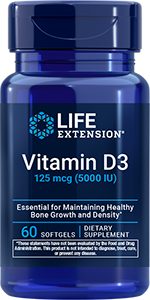
While the RDA is currently 15-20 mcg (600-800 IU) of vitamin D daily, Life Extension recommends 125-200 mcg (5,000-8,000 IU) to maintain optimal vitamin D levels. Check your blood serum 25-hydroxy vitamin D concentration at least once a year to monitor your vitamin D status.Maintain a healthy weight:
Maintaining a healthy weight is important for vitamin D absorption. Fat tissue absorbs vitamin D, leaving lower amounts in circulation.


Explore Our Best Vitamin D Supplements
What can reduce vitamin D absorption?
While your body can absorb vitamin D on its own, several things can reduce or even interfere with its absorption. Being aware of these things can help you maintain healthy vitamin D levels.
Low-fat or fat-free meals:
Eating very low-fat or fat-free meals can reduce absorption, as vitamin D is fat-soluble. Including foods like fatty fish, avocados, nuts, seeds, and oils like olive or avocado oil into a balanced diet can improve absorption and support overall nutrition and health.Low calcium levels:
Being low in calcium can impair the body's ability to absorb vitamin D effectively. Check your lab values at least once per year with your doctor to ensure adequate levels. Include calcium rich foods into your diet to up your intake of this mineral too.Gut issues:
An unbalanced gut can reduce vitamin D absorption. Certain gastrointestinal conditions may lower absorption rates.Darker skin pigmentation:
People with darker skin pigment (higher melanin content) may need more sun exposure or higher dietary/supplemental vitamin D intake as they do not produce vitamin D in response to sunlight exposure.
Should you take vitamin D with food or on an empty stomach?
Taking vitamin D with foods, especially meals containing healthy fats, enhances absorption. On the other hand, a vitamin D supplement on an empty stomach is less effective and may hinder maximum absorption.
What are fat-soluble vitamins?
Fat-soluble vitamins include vitamins A, D, E, and K. These vitamins are stored in the body's fat tissue and liver and are absorbed best with dietary fat.
What nutrients work best with vitamin D?

Magnesium:
Magnesium is crucial for the enzymatic process that converts vitamin D into its active form and helps transport it throughout the body.Vitamin K2:
Vitamin D helps guide calcium from your intestines into the blood, while vitamin K2 directs it into your bones, so the two work hand-in-hand.Calcium:
Vitamin D enhances calcium absorption in the small intestine, helping maintain healthy bones.Dietary fat:
Vitamin D is fat-soluble, so consuming it with foods rich in healthy fats improves absorption.
Can lifestyle changes help with vitamin D absorption?
Yes, simple lifestyle changes can help improve how your body absorbs and uses vitamin D. As we've mentioned, taking vitamin D supplements with a meal containing healthy fat, rather than on an empty stomach, can help increase absorption and improve your vitamin D levels. Additional ways to ensure optimal vitamin D levels include spending time outdoors, which helps your body naturally produce more vitamin D. Between 10 AM to 1 PM is when UV rays are strongest. However, it is not recommended to expose the skin for prolonged amounts of time during these hours, so aim for around 15 minutes (varies depending on your location and season).
Does vitamin K2 improve vitamin D3 absorption?
No. Vitamin K2 doesn't directly improve absorption of vitamin D but works together with vitamin D to guide calcium into your bones. If you take high levels of vitamin D3 without getting enough vitamin K2, calcium may not be directed properly.
Do I need to take anything with vitamin D3 for absorption?
Yes, it's best to pair vitamin D3 supplements with sources of fat, preferable healthy ones such as olive oil, nuts or seeds. You can also combine it with other synergistic nutrients like magnesium and vitamin K2.
Key Takeaways
- Vitamin D is a fat-soluble vitamin essential for maintaining healthy bones, immune function, heart health, and brain health.
- Choose a vitamin D3 supplement over D2 for maximum absorption.
- Pair vitamin D-rich foods, drinks, or supplements with healthy fats and magnesium to boost absorption.
- Maintaining a balanced diet with nutrient-rich foods that also support gut health can help maintain healthy vitamin D levels.


References
- Brown EIG, et al. "Effect of Vitamin D2 Supplementation on 25-Hydroxyvitamin D3 Status: A Systematic Review and Meta-Analysis of Randomized Controlled Trials." Nutr Rev. September 2025. https://pubmed.ncbi.nlm.nih.gov/40973107/
- Cui A, et al. "Prevalence, trend, and predictor analyses of vitamin D deficiency in the US population, 2001–2018." Frontiers in Nutrition. October 2022. https://www.frontiersin.org/journals/nutrition/articles/10.3389/fnut.2022.965376/full
- Dai Q, et al. "Magnesium status and supplementation influence vitamin D status and metabolism: results from a randomized trial." Am J Clin Nutr. December 2018. https://pubmed.ncbi.nlm.nih.gov/30541089/
- Dawson-Hughes B, et al. "Dietary fat increases vitamin D-3 absorption." J Acad Nutr Diet. February 2015. https://pubmed.ncbi.nlm.nih.gov/25441954/
- Moan J, et al. "Ultraviolet-radiation and health: optimal time for sun exposure." Adv Exp Med Biol. 2014. https://pubmed.ncbi.nlm.nih.gov/25207380/
- Ospina NS, et al. "Navigating Complexities: Vitamin D, Skin Pigmentation, and Race." The Journal of Clinical Endocrinology & Metabolism. June 2024. https://academic.oup.com/jcem/article/109/8/1955/7671048
- Tobias DK, et al. "Association of Body Weight With Response to Vitamin D Supplementation and Metabolism." JAMA Network. January 2023. https://jamanetwork.com/journals/jamanetworkopen/fullarticle/2800490
- Yang X, et al. "Causal relationship between gut microbiota and serum vitamin D: evidence from genetic correlation and Mendelian randomization study." Eur J Clin Nutr. July 2022. https://pubmed.ncbi.nlm.nih.gov/35046567/

Always be in the know!
Access the latest deals, wellness news, expert health tips & more!
Popular Supplement