GABA vs. Magnesium Acetyl-Taurate: Which Is Better for Stress?
Published: June 2026
At a Glance
- Magnesium is known for its whole-body health benefits.
- Low magnesium intake can be linked to stress.
- GABA and magnesium acetyl-taurate are two popular options for stress support.
Stress is inevitable, whether it's just the everyday grind of juggling work and family commitments, or you've got an upcoming event like travel or the dreaded dentist's chair. GABA and magnesium acetyl-taurate are two supplements that can help!
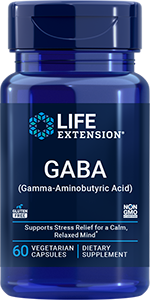
GABA, or gamma-aminobutyric acid, is known as the "calming neurotransmitter." So, it makes sense that people would use this amino acid when they're facing an out-of-the-ordinary obstacle. Come to think of it, why would anyone take any supplement other than GABA for stress support?
Well, magnesium acetyl-taurate has some bragging rights, too: it's also been studied for its ability to support a healthy stress response. And it works on a different type of stress—that everyday "noise" that makes it hard to relax.
Let's dive deep into how these two nutrients work, what they're best used for and how to decide which is best for you.
What is GABA and how does it calm your brain?

Let's start with the basics. GABA is a naturally occurring inhibitory neurotransmitter—meaning it helps to reduce excitation. Or simply, the "slow down" signal you need in a day filled with "go, go, go!" Your brain thrives on a balance of excitation and inhibition, and GABA helps keep that in check!
Having enough GABA really comes in handy in response to cortisol: the body’s primary stress hormone, which can also influence our sleep and circadian rhythm. In these moments of occasional stress, you don’t want to be caught without a healthy supply of GABA!
The good news? GABA is available as an oral supplement. When you take GABA, it promotes a sense of calm from the occasional stress we all encounter, like last-minute packing for a trip or an important work meeting. It’s your brain’s way of taking a second to kick back and relax when it needs it most.
GABA has been shown to help relieve occasional stress and promote a relaxed state of mind and balanced mood. In fact, a study found participants taking 100 mg of GABA reported feeling less taxed after completing stressful tasks, and brainwave measurements indicated a healthy physiological response to stress.
And when it comes to sleep, GABA has you covered! In another study, 100 mg of GABA was reported to help participants fall asleep faster. Plus, they didn’t report feeling drowsy the next day!
Here's the best part: GABA can work in as little as 30 minutes. So, when something springs up unexpectedly, you can be well-equipped to sleep well and wake up ready to go!
Does GABA cross the blood-brain barrier?
The jury is still out on this one! Human studies have not examined brain GABA levels after supplementation (which would be quite difficult!). But more importantly, there is clinical evidence that GABA works.
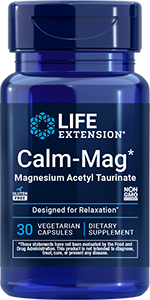
What is magnesium acetyl-taurate?

Magnesium is no stranger to the spotlight: it plays a role in over 600 biochemical reactions! It's well known for its whole-body health benefits, with common forms including:
- Magnesium oxide
- Magnesium citrate
- Magnesium glycinate
But when it comes to keeping your cool, you can't beat magnesium acetyl-taurate. Also called magnesium acetyl-taurinate, this highly absorbable form of magnesium is complexed with the amino acid taurine and an acetyl group to support mood and a healthy response to stress.
Fun fact: It’s estimated that over 60% of adults don’t consume enough magnesium from their diet. And here’s where it gets tricky—low levels of magnesium can cause higher levels of stress, while stress itself can reduce magnesium. Talk about a vicious cycle!
But luckily, there are some simple ways to boost your magnesium intake. Supplementation can help fill the gap, or you can add more magnesium-rich foods into your diet—like dark, leafy greens, legumes and (my personal favorite) a bit of dark chocolate.
Magnesium acetyl-taurate helps promote a healthy response to daily stress and encourages feelings of calmness and relaxation. So, consider GABA as the short-term, on-demand approach, and magnesium acetyl-taurate as the ongoing support.
Just like with GABA, a common question is whether magnesium acetyl-taurate crosses the blood-brain barrier. This has not been shown in human studies, so the answer remains unclear.
How does magnesium acetyl-taurate support your brain's GABA system?

In clinical studies, magnesium acetyl-taurate has not been shown to directly support the brain’s GABA system. Rather, the focus should be on magnesium’s physiological function in the body, which does play a role in your brain’s GABA system.
In the body, magnesium acts as an agonist at GABA receptors. In plain terms, magnesium helps increase GABA’s effect in the brain. Think of it like a helping hand when trying to open a tight lid on a jar. Or getting help from a friend lifting a heavy piece of furniture.
Magnesium also helps to inhibit excitatory NMDA receptors. This means that in the body, GABA not only enhances inhibition (more "slow down") but also reduces excitation (less "let's go!"). Together, these help support a calm and relaxed state.
Magnesium is also linked to your body’s stress response. In fact, many signs of stress, like fatigue and irritability, are found in people with low magnesium intake.
"GABA and magnesium acetyl-taurate both support your stress and mood in different, but complementary, ways. GABA supports healthy sleep, which is key to managing stress, and helps provide a quick response to occasional stress. On the other hand, magnesium acetyl-taurate helps keep you on an even keel in your day-to-day."
GABA vs. magnesium acetyl-taurate

There are many differences between the two, but each shine in their own way. So, how can you choose?
- If you're looking for healthy sleep support or something fast-acting for occasional stress, reach for GABA.
- If you want ongoing support for mood and a healthy stress response to help you relax and keep a clear mind, then magnesium acetyl-taurate is the answer.
That doesn't mean those are the only factors to consider. Let's take a closer look at what sets them apart!
| Factor | GABA | Magnesium Acetyl-Taurate |
|---|---|---|
| Supports healthy stress response | Yes | Yes |
| Supports sleep | Yes | No, has not been studied |
| Best for | Occasional stress | Supporting healthy stress responses and mood |
| Dosage | 100 mg | 750 mg (providing 45 mg elemental magnesium) |
| How quickly it works | As quickly as within 30 minutes | Three months, with some benefits observed in as soon as one month |
| Clinical studies | Yes | Yes |
| Crosses blood-brain barrier? | Currently uncertain, awaiting clinical evidence | Currently uncertain, awaiting clinical evidence |

Explore Our Best Stress Management Supplements
So, ultimately, GABA and magnesium acetyl-taurate both support your stress and mood in different, but complementary, ways. GABA supports healthy sleep, which is key to managing stress, and helps provide a quick response to occasional stress. On the other hand, magnesium acetyl-taurate helps you stay grounded day-to-day.
Can you take GABA and magnesium acetyl-taurate together?
Yes, you can! It's important to speak with your doctor or healthcare provider before adding supplements to your routine but there is no evidence to suggest these cannot be taken together. But remember, always be sure to follow the product label.
Frequently asked questions

What is the dosage of GABA and magnesium acetyl-taurate?
The dosage of GABA and magnesium acetyl-taurate associated with clinical benefits are 100 mg and 750 mg, respectively.
Which is better to take if you're trying to stay calm and focused?
If you're looking for quick, short-term help then GABA is your choice. If you want to stay on an even keel from day to day, magnesium acetyl-taurate is a great option.
Key Takeaways
- Magnesium acetyl-taurate supports a healthy, day-to-day stress response.
- Need help winding down at night? GABA can help you fall asleep faster.
- GABA helps relieve occasional stress and promotes a relaxed state of mind.


References
- Jiang C, et al. "From the gut to the brain, mechanisms and clinical applications of γ-aminobutyric acid (GABA) on the treatment of anxiety and insomnia." Front Neurosci. May 2025. https://pubmed.ncbi.nlm.nih.gov/40400620/
- Matek Sarić M, et al. "Magnesium: Health Effects, Deficiency Burden, and Future Public Health Directions." Nutrients. November 2025. https://pubmed.ncbi.nlm.nih.gov/41305676/
- Pickering G, et al. "Magnesium Status and Stress: The Vicious Circle Concept Revisited." Nutrients. November 2020. https://pubmed.ncbi.nlm.nih.gov/33260549/
- Varga P, et al. "The Role of Magnesium in Depression, Migraine, Alzheimer's Disease, and Cognitive Health: A Comprehensive Review." Nutrients. July 2025. https://pubmed.ncbi.nlm.nih.gov/40647320/
- Workinger JL, et al. "Challenges in the Diagnosis of Magnesium Status." Nutrients. September 2018. https://pmc.ncbi.nlm.nih.gov/articles/PMC6163803/
- Yamatsu A, et al. "Effect of oral γ-aminobutyric acid (GABA) administration on sleep and its absorption in humans." Food Sci Biotechnol. April 2016. https://pubmed.ncbi.nlm.nih.gov/30263304/
- Yoto A, et al. "Oral intake of γ-aminobutyric acid affects mood and activities of central nervous system during stressed condition induced by mental tasks." Amino Acids. September 2012. https://pubmed.ncbi.nlm.nih.gov/22203366/
- "Magnesium." National Institutes of Health. January 2026. https://ods.od.nih.gov/factsheets/Magnesium-HealthProfessional/

Always be in the know!
Access the latest deals, wellness news, expert health tips & more!
Stress Management Favorite