Goal Weight Strategies: Calorie Deficit vs. Maintenance vs. Surplus
Published: April 2026
At a Glance
- Eating at a calorie deficit is ideal for weight loss, while a surplus is ideal for gaining.
- Your daily calorie allowance will depend upon your metabolic rate, activity level and weight goal.
- Eating nutritiously and supplementing as needed is important for maintaining energy and a healthy weight.
If you're driving somewhere for the first time, you don't just follow your nose or hope the wind blows you in the right direction. You map out a route in your GPS or ask someone how to get there. The same goes for your weight management goals.
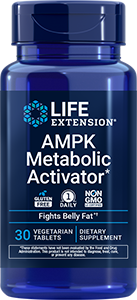
If you don't know exactly how much energy your body needs to get from point A to point B, you'll probably get lost along the way, or you may not reach your destination at all. But once you know the difference between calorie deficit, calorie maintenance and calorie surplus, and how to calculate what your numbers should be, the path to your goals becomes much clearer. That path helps to determine your exercise level and nutrition needs, including supplements like a metabolic activator.
1. Calorie Deficit

A calorie deficit occurs when you consume fewer calories than your body uses. This forces your body to use stored energy (mostly from fat) to make up for the energy deficit. In the bodybuilding world, this is sometimes referred to as “cutting,” as in cutting calories or cutting out body fat.
Health goal: Weight loss
"An energy deficit is the most important factor in weight loss," said Dr. Michael A. Smith, MD, the Director of Education for Life Extension. "Other factors, such as exercise, play key roles, but calorie intake is the number one predictor of success in losing weight and keeping it off."
Weight loss has a number of health benefits for your overall wellness, as well as athletic performance.
What to eat
Many experts recommend a deficit of 500 calories per day. How you create that deficit can vary. You may decide to get all your calories during a specific eating window, then fast for the rest of the day. Or you could consume small meals every two to three hours.
- Regardless of how you structure a low-calorie diet, the majority of your calories (45-65%) should come from high-fiber carbohydrates. High-fiber carbohydrates provide long-lasting energy, so you feel full and satisfied between meals.
- Up to 35% of your calories should come from protein to promote satiety and help preserve lean muscle mass as you lose weight. Try protein pacing to spread your intake throughout the day.
- The remaining calories would come from healthy fat sources, such as avocado, olive oil, fatty fish, nuts and seeds.
Nutrition goals
- Support metabolism
- Preserve lean muscle mass
- Consume adequate vitamins and minerals
How long should you stay in a calorie deficit?
A sustainable calorie deficit is generally short-lived, lasting 3 to 6 months, depending on your weight goals. Some adults may benefit from working with a health professional during a calorie deficit. Once you've achieved your desired weight loss, you shift into maintenance.
Supplement recommendations
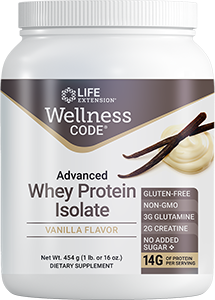
Protein powder.
Quality protein supports lean muscle mass and immune health.Creatine powder.
Creatine powder enhances cellular energy metabolism and promotes exercise performance.
“An energy deficit is the most important factor in weight loss. Other factors, such as exercise, play key roles, but calorie intake is the number one predictor of success in losing weight and keeping it off.”

2. Calorie Maintenance
When you consume the same number of calories your body uses, you're in a calorie maintenance phase, where calories in equals calories out.
Health goal: Stable, unchanged body weight
Choosing to keep your weight stable is an excellent long-term strategy to maintain overall health. In fact, this is the best strategy for most healthy people. However, you may also choose a maintenance phase after significant fat loss or muscle gain, because you've achieved your goal and now want to hold onto it.
What to eat
To maintain calories, you'll want to eat consistent portions throughout the day and ideally at consistent times.
- Create balanced meals, where at least 50% of your plate is non-starchy vegetables, 25% is a lean protein food and 25% is a high-fiber carbohydrate or starchy vegetable.
- Don't worry if you splurge for a day, or even for an entire weekend. Simply reduce your intake for one or two days afterward to counter the temporary surplus.
Nutrition goals
- Consume adequate macronutrients (proteins, fats and carbs) and micronutrients (vitamins and minerals)
- Maintain overall health
How long should you stay in calorie maintenance?
It should come as no surprise that a maintenance phase can be maintained indefinitely. Take note, however, the number of calories you need to maintain your body weight will shift as you get older and go through different seasons of life.
For example, a postpartum woman who has lost the pregnancy weight but is still breastfeeding is going to require more calories to maintain her weight than a woman who is not breastfeeding. Also, remember that muscle mass naturally declines with age, which can significantly affect your body's basal metabolic rate. So you may need to eat less as you grow older.
Supplement recommendations
Multivitamin.
A quality multivitamin provides essential vitamins, minerals and other nutrients every day.Omega-3 supplement.
Support your heart and brain health with EPA and DHA.Vitamin D (as needed).
This important vitamin supports immune, bone and whole body health.Protein powder.
Protein can help you maintain muscle mass and inhibit protein breakdown.Collagen.
Collagen peptides help support long-term joint health.

3. Calorie Surplus
Consuming more calories than your body uses leads to a calorie surplus. The extra calories are stored as both fat and muscle mass, especially if you're following a consistent strength training program.
Health goal: Weight gain/muscle gain
Sometimes, a calorie surplus helps the body recover from stress or unintended weight loss. However, a calorie surplus is most often used to increase muscle mass or improve power and strength. In fact, a 40% energy surplus for six weeks was shown to increase body protein mass in healthy men. Of course, you'll also need to lift weights consistently to see those gains.
What to eat
Not just any extra calories will do the trick. It's important to gradually increase total calories and to prioritize protein and complex carbohydrates. A high-protein diet, consisting of about 1.6 – 2.2 grams of protein per kilogram of body weight, has been shown to most effectively stimulate muscle protein synthesis.
Nutrition goals
- Promote muscle growth
- Support recovery
How long should you stay in a calorie surplus?
Calorie surplus eating plans can be as short as six weeks. But this phase can also last 12 weeks or longer. If a bodybuilder wants to significantly increase their muscle mass before a big competition, they may need a full year to put on weight.
Supplement recommendations
BCAAs.
Branched-chain amino acids promote muscle recovery after exercise.-
Protein powder.
Protein helps build lean muscle mass and supports healthy muscle growth. Creatine.
Creatine supports strength and high-intensity exercise performance.HMB.
HMB has been shown to help maintain muscle function and support muscle growth.
| Phase | Goal | Calorie Intake | Helpful Nutrients |
|---|---|---|---|
| Deficit | Fat loss | 500 calories lower | Protein and fiber to promote satiety |
| Maintenance | Stability or recovery | Equal to your energy expenditure | Multivitamin, omega-3s, vitamin D to support overall health |
| Surplus | Muscle growth or sport performance | Up to 500 calories higher | Protein to support muscle |

Explore Our Best Weight Management Supplements
How many calories do you need to eat for a deficit vs. maintenance vs. surplus?

There is no one magic number that everyone should aim for; the ever-popular 1200-calories-a-day recommendation of crash diets is problematic for that (among many other reasons). There are multiple factors involved in understanding exactly how many calories you need to reach your weight goals. A health professional may be able to help with estimating your energy requirements, tracking your diet and body weight monitoring.
1. Calculate your daily caloric requirements
Your daily calorie needs, or total daily energy expenditure (TDEE), has several components, including your basal metabolic rate (BMR)—the number of calories your body needs just to perform basic functions like breathing—and your activity level.
There are many free calorie calculators online that can give you a basic idea of your needs. Then, add, subtract or keep your calories as is.
- If your goal is to be in a calorie deficit, subtract at least 20% from your TDEE, or about 500 calories.
- If your goal is to be in a calorie surplus for muscle gain, add about 500 calories to your TDEE.
2. Track your calorie intake
Now that you know how many calories you need for bulking vs. cutting vs. maintenance goals, start tracking the number of calories, protein, fat and carbohydrates you're consuming each day. There are several mobile apps that make food tracking easy.
3. Take note of physical symptoms
Typically, when you're in a calorie deficit or surplus, there are noticeable signs. Many people in a calorie deficit will feel increased hunger. This is especially common in the first few days or weeks, as your body adjusts to a lower calorie intake. Drinking water and adding a fiber supplement that supports satiety may be able to help.
In a calorie surplus, you may feel an increase in energy level and strength. Don't be surprised if you start breaking personal records at the gym.
4. Ask the pros
If you're not sure which calorie phase you're in or how to go about getting there, consider working with a nutrition professional, such as a registered dietitian. A dietitian can help calculate your energy needs, estimate your intake and guide you in adjusting, as needed.

How can you switch safely between calorie deficit, surplus and maintenance?
Certain strategies can help you transition from one calorie phase to the next without losing too much weight, losing all your gains or losing your mind.
Take it slow and steady.
When moving between phases—especially from a calorie deficit into maintenance or a healthy calorie surplus—gradually increase your total daily calories. This slow progression helps fight unwanted fat gain.
Choose quality foods.
No matter which phase you're in, it's important to choose nutrient-dense foods while minimizing ultra-processed foods. This means choosing a baked potato instead of potato chips, plain Greek yogurt instead of yogurt with fruit on the bottom, and sparkling water over soda.
Exercise for your goals.
Remember, your focus is calories in vs. calories out. You can burn calories with an exercise routine. The American Heart Association recommends 150 minutes per week of moderate-intensity aerobic activity or 75 minutes per week of vigorous aerobic activity. You should also add moderate- to high-intensity muscle-strengthening activity (such as resistance or weights) at least two days a week.
Daily supplements can support various weight goals. For a more personalized nutrition plan, take our weight and body composition quiz.
Key Takeways
- A deficit of about 500 calories below your total daily energy expenditure is the most effective way to lose weight.
- When you're moving from one weight management phase to the next, a slow-and-steady strategy will help maintain healthy weight and muscle goals.
- Whether you choose calorie deficit vs. maintenance vs. surplus, consuming whole foods rich in fiber and protein is important for overall health and wellbeing.


References
- Carels RA, et al. "Can following the caloric restriction recommendations from the Dietary Guidelines for Americans help individuals lose weight?" Eat Behav. August 2008. https://pubmed.ncbi.nlm.nih.gov/18549992/
- Evans WJ, Campbell WW. "Sarcopenia and age-related changes in body composition and functional capacity." J Nutr. February 1993. https://pubmed.ncbi.nlm.nih.gov/8429405/
- Gardner CD, et al. "Popular Dietary Patterns: Alignment With American Heart Association 2021 Dietary Guidance: A Scientific Statement From the American Heart Association." Circulation. May 2023. https://pubmed.ncbi.nlm.nih.gov/37128940/
- Hatamoto Y, et al. "Greater energy surplus promotes body protein accretion in healthy young men: A randomized clinical trial." Clin Nutr. December 2024. https://pubmed.ncbi.nlm.nih.gov/39423761/
- Jakicic JM, et al. "Physical Activity and Excess Body Weight and Adiposity for Adults. American College of Sports Medicine Consensus Statement." Medicine & Science in Sports & Exercise. October 2024. https://journals.lww.com/acsm-msse/fulltext/2024/10000/physical_activity_and_excess_body_weight_and.21.aspx
- Kim JY. "Optimal Diet Strategies for Weight Loss and Weight Loss Maintenance." J Obes Metab Syndr. March 2021. https://pmc.ncbi.nlm.nih.gov/articles/PMC8017325/
- Liu B, et al. "Low-Carbohydrate Diet Macronutrient Quality and Weight Change." JAMA Netw Open. December 2023. https://pmc.ncbi.nlm.nih.gov/articles/PMC10753393/
- Roberts SB, Dallal GE. "Energy requirements and aging." Public Health Nutr. October 2005. https://pubmed.ncbi.nlm.nih.gov/16277818/
- Soltani S, et al. "Effect of carbohydrate restriction on body weight in overweight and obese adults: a systematic review and dose-response meta-analysis of 110 randomized controlled trials." Front Nutr. December 2023. https://pmc.ncbi.nlm.nih.gov/articles/PMC10731359/
- Stokes T, et al. "Recent Perspectives Regarding the Role of Dietary Protein for the Promotion of Muscle Hypertrophy with Resistance Exercise Training." Nutrients. https://www.mdpi.com/2072-6643/10/2/180
- Zhang H, et al. "Dietary Macronutrient Composition and Protein Concentration for Weight Loss Maintenance." Obesity (Silver Spring). October 2025. https://pmc.ncbi.nlm.nih.gov/articles/PMC12477111/
- "Adjusted or Ideal Body Weight for Nutrition Assessment." Eat Right Pro. June 2023. https://www.eatrightpro.org/news-center/practice-trends/adjusted-or-ideal-body-weight-for-nutrition-assessment
- "Healthy Eating Plate." Harvard School of Public Health. https://nutritionsource.hsph.harvard.edu/healthy-eating-plate/
- "Rethinking the Acceptable Macronutrient Distribution Range for the 21st Century." National Academies. 2024. https://www.nationalacademies.org/read/27957/chapter/1

Always be in the know!
Access the latest deals, wellness news, expert health tips & more!
Popular Supplement