15 Science-Backed Tips to Boost Your Metabolism
Published: September 2021 | Updated: October 2025
At a Glance
- Having a healthy metabolism isn't just about how easy it is for you to manage your weight
- A healthy metabolic rate also helps with energy, mood and digestion
- It is possible to boost your metabolism with lifestyle choices such as exercise and meal timing
- Certain supplements also support metabolic health
Often, when people hear the word "metabolism," they think about how easy or hard it is to lose weight. But a healthy metabolism does much more than just help with weight loss. Your metabolism also supports your energy, mood and digestion, and even has some influence on how well you recover from workouts.
While our metabolism is mostly influenced by genetics, there are a number of ways to give it a boost. Some come from daily lifestyle habits like sleep and physical activity, others from what and when you eat, and some from well-chosen supplements that support your body's metabolic health.
We've got a list of ways to encourage your metabolism and reap the benefits. Let's dive in!
15 science-backed tips to boost metabolism in adults
1. Move your body regularly

One of the best ways to support a healthy metabolism is simply staying active. The general guideline for adults is:
- 150 minutes or more a week of moderate activity (think brisk walking, cycling, or dancing) for about 30 minutes a day, five days a week.
- Or 75-150 minutes or more a week of vigorous activity (like running, HIIT workouts, or fast swimming).
If you prefer, you can mix the two. What matters most is getting your heart rate up and spreading the activity throughout the week. And if you like to move, more is better. Additional health benefits are gained by engaging in movement and exercise beyond 300 minutes (or 5 hours) of moderate-intensity physical activity a week.
Here's the good news: Something is always better than nothing. Even short bursts of movement add up, especially if you spend a lot of time sitting.
Why it matters: More movement means better energy, stronger metabolism, and improved overall health.
Pro tip: If 30 minutes feels overwhelming, break it into three 10-minute "micro workouts" spread throughout the day. It all counts.
2. Strengthen your muscles
Keeping your muscles strong is just as important as keeping your heart healthy. Adults should aim for muscle-strengthening activities at least two days a week, making sure to hit all the major muscle groups: legs, back, chest, shoulders, and arms.
This doesn't have to mean hours in the weight room. Lifting dumbbells, using resistance bands, doing bodyweight moves like push-ups or squats, or even carrying heavy groceries all count. The goal is to challenge your muscles enough that you feel worked by the end of the session.
Why it matters: Muscle tissue is more metabolically active than fat, which means the more muscle you carry, the more calories your body burns around the clock. Strength training may not only boost metabolism, but also support bone health, balance and overall resilience as you age.
Try this: Start with two full-body workouts each week. Focus on 5-6 simple moves like squats, push-ups, rows and planks to cover all major muscle groups.
3. Eat breakfast daily

Starting your day with a balanced breakfast sets the tone for your metabolism. Skipping breakfast has been linked to disruptions in energy balance, while eating in the morning supports healthier patterns throughout the day. A recent review found that making breakfast a daily habit can help support healthy weight management and promote better metabolic regulation.
Why it matters: Eating breakfast helps stabilize appetite, reduces the likelihood of overeating later, and gives your body the fuel it needs to start the day strong. It's a simple habit that supports healthy weight management and overall metabolic health.
Pro tip: Build your breakfast around protein and fiber for lasting energy. Try eggs with veggies, oatmeal with berries and nuts, or Greek yogurt with fruit.
4. Keep snacking to a minimum
Frequent snacking, especially on calorie-dense foods like chips, candy, or pastries, can easily add up to more calories than your body needs. Over time, that extra energy can be stored as body fat. Studies show that regular snacking is linked with increased calorie intake and higher body fat levels.
Why it matters: When calorie intake goes above what your body burns, the result is weight gain. By keeping snacking to a minimum, you're reducing "extra" calories that often slip in unnoticed. Moderation makes it easier to stay in a healthy weight range.
Pro tip: If you tend to reach for snacks out of habit, pause and ask, "Am I actually hungry, or just bored or tired?" When you snack, make it count. Choose whole foods with protein and fiber, like an apple with peanut butter or a handful of nuts.
5. Take metabolic health supplements

Along with lifestyle habits, certain nutrients and plant compounds can support healthy metabolism and body weight management. Here are a few that have been studied:
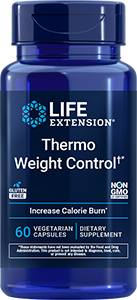
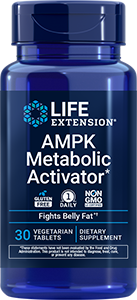
- Gynostemma pentaphyllum extract. Helps activate an enzyme called AMPK, which signals your body to burn fat for energy, including stubborn abdominal fat. AMPK activity supports healthy body composition.
- Sphaeranthus indicus and Garcinia mangostana extracts. When paired in clinical trials with good nutrition and exercise, these extracts supported healthy body weight and improvements in waist and hip measurements.
- Capsaicinoids. The compounds that give red chili peppers their heat can spark thermogenesis, a process in which your body burns extra calories during digestion.
- B vitamins (thiamin, riboflavin, niacin). Essential players in energy metabolism, they help convert the food you eat into fuel your body can use.
Why it matters: Targeted nutrition can help support your metabolic rate and healthy body composition.
Pro tip: If you're considering supplements, think of them as the "bonus layer" to your metabolic health strategy. They won't replace consistent physical activity, balanced meals and good sleep, but they can provide extra support.
6. Prioritize meal timing and circadian alignment
When you eat can be just as important as what you eat. Research suggests that eating earlier in the day and avoiding late-night meals may help your body regulate metabolism. That's because your metabolism is tied to your circadian rhythm, the internal clock that guides sleep, hormones and digestion.
Why it matters: Aligning your meals with your body's natural rhythms may improve how efficiently your body processes food and uses energy. In simple terms: Daytime is when your body is best at handling fuel, while nighttime is when it's best at resting and recovering.
Pro tip: Try shifting your largest meal to earlier in the day and keeping evening meals light. Stopping all caloric intake at least three hours before bedtime can make a difference in how you feel.
7. Limit sedentary behavior

It's not just about how much you exercise, it's also about how much time you spend sitting. Long stretches of sitting can slow down your metabolism, but breaking them up with small bursts of movement helps keep things running smoothly. Even short breaks, like walking for a couple of minutes each hour or choosing the stairs instead of the elevator, can make a difference.
Why it matters: Staying active throughout the day keeps your muscles engaged, supports steady energy, and helps your body process fuel more efficiently. Think of it as keeping your metabolism "switched on" rather than letting it idle for too long.
Pro tip: Set a timer or use a smartwatch reminder to stand up every hour. Even taking a quick lap around the office or a few stretches at your desk adds up.
8. Reduce intake of ultra-processed foods and sugar-sweetened beverages
Highly processed foods and sugar-sweetened drinks might be tasty and convenient, but they don't do your metabolism any favors. These products are often packed with added sugars, refined oils, and ingredients that can throw off how your body processes energy. Over time, a diet high in ultra-processed foods has been linked with poorer metabolic health.
Why it matters: Choosing more whole and minimally processed foods, like fruits, vegetables, lean proteins, and whole grains, gives your body the nutrients it needs to keep your metabolism steady and energy levels consistent.
Try this: Swap soda or sweetened coffee drinks for water, sparkling water or unsweetened tea. And when shopping, aim to fill most of your cart with foods that don't need a label to tell you what's inside.
9. Increase dietary protein intake

Protein isn't just for athletes—it's one of the most important nutrients for a healthy metabolism. Getting enough protein helps you feel fuller for longer, supports muscle growth and repair, and makes your body work a little harder during digestion (a process called the thermic effect of food).
Why it matters: Muscle tissue is metabolically active, and protein is the building block your body needs to maintain it. More muscle means a stronger metabolism, steadier energy and better recovery after exercise. For athletes, protein is especially key to maximizing performance and rebuilding muscle after tough workouts.
Pro tip: Aim to include a source of protein at every meal. Think eggs or Greek yogurt at breakfast, beans at lunch, and fish or tofu (or occasionally chicken) at dinner. One rule of thumb is to make protein roughly one-quarter of your plate. The average person should get 0.8-1g of protein per kilogram of body weight daily.

Explore Our Best Weight Management Supplements
10. Consume more fruits and vegetables
Fruits and vegetables are packed with fiber, vitamins, minerals and antioxidants that all play a role in keeping your metabolism healthy. They help your body process energy efficiently, support digestion, and provide the nutrients needed for everything from hormone balance to cellular health.
Why it matters: Studies consistently show that people who eat more fruits and vegetables have better overall metabolic health. Even if you're active and meet your exercise goals, a low intake of fruit and vegetables may sink your metabolic health plans.
Try this: Add one extra serving of vegetables to lunch and dinner. Even a handful of spinach in your eggs or an apple as an afternoon snack can make a meaningful difference over time.
11. Limit animal fats
Animal products like fatty cuts of meat, processed meats, and full-fat dairy can be higher in saturated fat. Eating too much saturated fat affects your metabolic and overall health. Swapping some of these foods for leaner options or plant-based choices can support a healthier balance.
Why it matters: Replacing some saturated fat with healthier unsaturated fats supports heart and metabolic health.
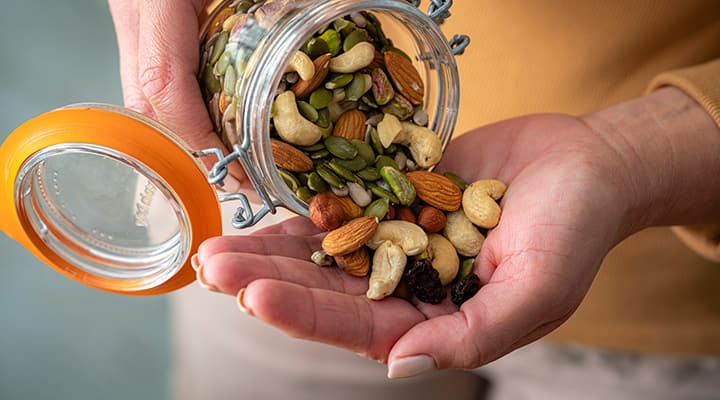
Try this: Choose skinless poultry or fish more often, swap red or processed meats for beans, lentils, or tofu a few times a week, and pick low-fat or fat-free dairy. Adding nuts and seeds to your diet is another easy way to get more unsaturated fats that benefit your metabolism.
12. Drink coffee (in moderation)
Good news for coffee drinkers: Moderate coffee intake has been linked with benefits for metabolic health. Research has found that moving from little or no coffee to 1–7 cups per week was associated with small but meaningful reductions in total body fat, trunk fat and the deeper "visceral" fat around the organs. Interestingly, these benefits were tied to caffeinated coffee, not decaf, and higher intakes didn't seem to provide extra perks.
Not a fan of coffee? Don't worry, swap it for green tea, which can also be part of a healthy lifestyle to support metabolic health and overall wellness.
Why it matters: In moderation, coffee may help boost metabolism and support a healthy weight management strategy. But more isn't always better. The sweet spot seems to be enjoying coffee regularly without going overboard.
Pro tip: Keep your coffee simple. Skip the sugar-loaded syrups and whipped cream and try adding a splash of milk or a sprinkle of cinnamon instead. That way, you'll get the potential metabolic benefits without the extra calories.
13. Ensure adequate sleep

Sleep isn't just rest for your mind, it's fuel for your metabolism. Getting the right amount of sleep (generally 6–8 hours per night) helps your body regulate energy, hormones and appetite.
Why it matters: Large studies show that both too little sleep and too much sleep are linked with poorer metabolic health. Staying in the 6–8 hours of sleep range is consistently linked with better outcomes.
Pro tip: Build a simple wind-down routine to improve sleep quality. Try dimming lights an hour before bed, keeping your phone out of the bedroom, and sticking to a regular bedtime. Your metabolism will thank you.
14. Consider eating the Mediterranean diet
The Mediterranean diet is one of the most researched eating patterns in the world—and for good reason. It emphasizes whole, unprocessed foods like fruits, vegetables, legumes, whole grains, olive oil, nuts and seeds, with moderate amounts of fish, poultry and dairy, and very little red or processed meat. This balance makes it naturally lower in saturated fat and rich in antioxidants and other healthy compounds.
Why it matters: Studies consistently show that the Mediterranean diet supports healthier metabolism, heart health, and healthy aging. In one large trial, adults who followed a Mediterranean-style plan with the added support of exercise and lifestyle changes not only had greater weight loss than the control group, but also improved key metabolic markers like waist size, blood sugar, triglycerides, and HDL cholesterol.
Pro tip: Start small by swapping butter for olive oil, adding beans or lentils to your weekly meals, and making fruits or veggies the star of your plate. These little shifts add up to the big-picture benefits of the Mediterranean lifestyle.
15. Drink more water and less alcohol

Water may not be flashy, but it's one of the simplest ways to support your metabolism and overall health. While research on water intake is limited, some studies suggest it may help with weight management, kidney health, and other aspects of health. Plus, it's inexpensive, safe, and always a good choice for staying hydrated.
On the flip side, alcohol, especially in higher amounts, can work against your metabolic health. Studies consistently link moderation (or abstinence) with better energy balance, improved metabolic markers and healthier long-term outcomes.
Why it matters: Staying hydrated helps your body function at its best, while limiting alcohol reduces strain on your metabolism and other systems. Together, these small daily choices can have a big cumulative impact.
Pro tip: Aim to carry a reusable water bottle and sip throughout the day. If you drink alcohol, try setting a weekly limit (like one or two drinks on weekends) and swap in sparkling water with lime when you'd normally reach for a second glass.
Does building muscle really increase metabolism?

Yes! Building muscle absolutely supports a healthier metabolism. Muscle tissue burns more energy at rest than fat tissue, so carrying more muscle helps your body use more calories throughout the day. But that's just part of the story.
The American College of Sports Medicine highlights resistance training as one of the most effective ways to support body composition and metabolic health. Regular strength training doesn't just make you stronger, it's been shown to promote healthy blood sugar and insulin levels, blood pressure, and overall cardiovascular health. People with higher levels of muscular strength also tend to have better long-term health outcomes, including heart health.
The bottom line: Adding resistance training to your routine is one of the smartest moves you can make for both your metabolism and your overall health.
Pro tip: You don't need a gym full of equipment to start. Push-ups, squats, lunges and resistance bands can build strength right at home.
Are there foods that help increase your metabolism?
Yes, certain foods and nutrients can give your metabolism a gentle boost. They work in different ways, from helping your body burn calories during digestion to supporting enzymes that regulate energy use.
| Nutrient | Health benefit |
|---|---|
| Green tea | Supports metabolic health and overall wellness. |
| Coffee (in moderation) | Can support energy balance and body composition in certain populations. |
| Protein-rich foods | Protein helps you feel fuller for longer and helps maintain muscle, which is key for a strong metabolism. |
| Legumes (beans, lentils, chickpeas) | Provide fiber and protein to keep you full and support steady energy. |
| Fruits and vegetables | Packed with fiber, vitamins and minerals that keep your body's energy systems running smoothly. |
| Spices like chili peppers (capsaicinoids) | May promote thermogenesis, the process of burning calories as you digest food. |
| B vitamins (thiamin, riboflavin, niacin) | Essential for breaking down food into usable energy. |
| Plant extracts (Gynostemma pentaphyllum, Sphaeranthus indicus, and Garcinia mangostana) | Clinical trials suggest they help support healthy metabolism and body composition when combined with exercise and a healthy diet. |
The bottom line: These foods and nutrients can complement healthy habits, but they're not magic on their own. Getting regular exercise and eating a balanced diet with plenty of whole foods is always the foundation.
Pro tip: Start by adding one metabolism-friendly swap each day — like green tea instead of soda, or beans instead of or in tandem with a carbohydrate.
How can you test your metabolism?

There's no single test you can buy off the shelf that tells you everything about your metabolism, but there are several ways experts measure or track it:
Indirect calorimetry
: The gold standard in labs and clinics for measuring resting metabolic rate (RMR) and energy use.Clinical screenings
: Regular checks of blood pressure, cholesterol, blood sugar, BMI and waist size. These give doctors indirect but useful insights into metabolic health.Metabolomics profiling
: A cutting-edge tool that maps hundreds of small molecules in blood or urine to reveal details about energy pathways. Right now, it's mostly used in research, not everyday practice.Body composition analysis
: Tests like DEXA scans or bioimpedance devices can estimate fat mass, muscle mass and visceral fat, all of which affect metabolic rate.Breath tests
: Sometimes used in research to look at how your body burns carbs vs. fat or to check specific organ functions.
Why it matters: Most people don't need advanced lab tests to get a sense of their metabolic health. Simple measures like waist size, blood pressure, blood sugar and how much energy you feel can tell you a lot.
Pro tip: If you're curious about your metabolism, start with the basics and ask your healthcare provider about checking waist circumference, fasting glucose, and lipid levels at your next physical. These simple markers are powerful indicators of how well your metabolism is working.
When should you take metabolic supplements?
Supplements can play a supporting role in a healthy metabolism, but they work best when paired with good nutrition, regular movement, and enough rest. Think of them as an add-on, not a replacement for healthy habits.
As for timing, there isn't one "perfect" time of day that works for everyone. What matters most is consistency. Follow the directions on the label or the guidance of your healthcare provider. Some supplements are best with food, while others should be taken on an empty stomach.
Pro tip: Tie your supplement routine to something you already do every day—like breakfast, your morning coffee, or brushing your teeth. That way, it becomes automatic and you're less likely to miss a dose.
Key Takeaways
- A healthy metabolism is a lifestyle choice, involving physical exercise as well as healthy foods and eating patterns.
- Targeted metabolism supplements can't replace healthy habits, although they can support a healthy metabolic rate.
- Talk about your metabolism with your healthcare provider and check your waist circumference, fasting glucose, and lipid levels.


References
- Braden B. "Methods and functions: Breath tests." Best Pract Res Clin Gastroenterol. 2009. https://pubmed.ncbi.nlm.nih.gov/19505663/
- Delsoglio M, et al. "Indirect Calorimetry in Clinical Practice." J Clin Med. September 2019. https://pmc.ncbi.nlm.nih.gov/articles/PMC6780066/
- Deng HB, et al. "Short Sleep Duration Increases Metabolic Impact in Healthy Adults: A Population-Based Cohort Study." Sleep. October 2017. https://pubmed.ncbi.nlm.nih.gov/28977563/
- Elmaleh-Sachs A, et al. "Obesity Management in Adults: A Review." JAMA. November 2023. https://pmc.ncbi.nlm.nih.gov/articles/PMC11325826/
- Hakam N, et al. "Outcomes in Randomized Clinical Trials Testing Changes in Daily Water Intake: A Systematic Review." JAMA Netw Open. November 2024. https://pubmed.ncbi.nlm.nih.gov/39585691/
- Henn M, et al. "Increase from low to moderate, but not high, caffeinated coffee consumption is associated with favorable changes in body fat." Clin Nutr. April 2023. https://pubmed.ncbi.nlm.nih.gov/36870243/
- Kahleova H, et al. "Meal Frequency and Timing Are Associated with Changes in Body Mass Index in Adventist Health Study 2." J Nutr. September 2017. https://pubmed.ncbi.nlm.nih.gov/28701389/
- Kessler K, Pivovarova-Ramich O. "Meal Timing, Aging, and Metabolic Health." Int J Mol Sci. April 2019. https://pubmed.ncbi.nlm.nih.gov/31003407/
- Lane MM, et al. "Ultra-processed food exposure and adverse health outcomes: umbrella review of epidemiological meta-analyses." BMJ. February 2024. https://pubmed.ncbi.nlm.nih.gov/38418082/
- Lee SY, Gallagher D. "Assessment methods in human body composition." Curr Opin Clin Nutr Metab Care. September 2008. https://pubmed.ncbi.nlm.nih.gov/18685451/
- Lichtenstein AH, et al. "2021 Dietary Guidance to Improve Cardiovascular Health: A Scientific Statement From the American Heart Association." Circulation. December 2021. https://pubmed.ncbi.nlm.nih.gov/34724806/
- Mietus-Snyder M, et al. "Next Generation, Modifiable Cardiometabolic Biomarkers: Mitochondrial Adaptation and Metabolic Resilience: A Scientific Statement From the American Heart Association." Circulation. November 2023. https://pubmed.ncbi.nlm.nih.gov/37902008/
- Minari TP, Pisani LP. "Skipping breakfast and its wide-ranging health consequences: A systematic review from multiple metabolic disruptions to socioeconomic factors." Nutr Res. September 2025. https://pubmed.ncbi.nlm.nih.gov/40845418/
- Neyestani TR, Nikooyeh B. "A comprehensive overview on the effects of green tea on anthropometric measures, blood pressure, glycemic and lipidemic status: An umbrella review and meta meta-analysis study." Nutr Metab Cardiovasc Dis. September 2022. https://pubmed.ncbi.nlm.nih.gov/35750605/
- Ndumele CE, et al. "A Synopsis of the Evidence for the Science and Clinical Management of Cardiovascular-Kidney-Metabolic (CKM) Syndrome: A Scientific Statement From the American Heart Association." Circulation. November 2023. https://pubmed.ncbi.nlm.nih.gov/37807920/
- Nôga DA, et al. "Habitual Short Sleep Duration, Diet, and Development of Type 2 Diabetes in Adults." JAMA Netw Open. March 2024. https://pubmed.ncbi.nlm.nih.gov/38441893/
- Papaioannou KG, et al. "Benefits of Fruit and Vegetable Consumption on Prevalence of Metabolic Syndrome Are Independent of Physical Activity Behaviors in Older Adults." Nutrients. January 2022. https://pubmed.ncbi.nlm.nih.gov/35057444/
- Phillips SM, et al. "Protein ‘requirements' beyond the RDA: implications for optimizing health." Appl Physiol Nutr Metab. May 2016. https://pubmed.ncbi.nlm.nih.gov/26960445/
- Piercy KL, et al. "The Physical Activity Guidelines for Americans." JAMA. November 2018. https://pmc.ncbi.nlm.nih.gov/articles/PMC9582631/
- Skoczek-Rubińska A, Bajerska J. "The consumption of energy dense snacks and some contextual factors of snacking may contribute to higher energy intake and body weight in adults." Nutr Res. December 2021. https://pubmed.ncbi.nlm.nih.gov/34890856/
- Suliga E, et al. "Lifestyle elements and risk of metabolic syndrome in adults." PLoS One. September 2022. https://pubmed.ncbi.nlm.nih.gov/36178963/
- Surugiu R, et al. "Molecular Mechanisms of Healthy Aging: The Role of Caloric Restriction, Intermittent Fasting, Mediterranean Diet, and Ketogenic Diet-A Scoping Review." Nutrients. August 2024. https://pmc.ncbi.nlm.nih.gov/articles/PMC11397047/
- Tian Y, et al. "Fruit and vegetable consumption and risk of the metabolic syndrome: a meta-analysis." Public Health Nutr. March 2018. https://pubmed.ncbi.nlm.nih.gov/29151369/
- "Physical Activity Guidelines for Americans, 2nd edition." Office of Disease Prevention and Health Promotion. August 2021. https://odphp.health.gov/our-work/nutrition-physical-activity/physical-activity-guidelines/current-guidelines

Always be in the know!
Access the latest deals, wellness news, expert health tips & more!
Weight Management Favorite