7 Lab Tests You Need if You’re on a GLP-1
Published: September 2026
At a Glance
- GLP-1 lab tests measure metabolic health, potential nutrient deficiencies and more during weight-loss therapy.
- People should take baseline blood tests before starting GLP-1 medications.
- Healthcare providers use blood tests to monitor glucose, cholesterol, liver function, inflammation and nutrient status.
If you're taking a glucagon-like peptide-1 (GLP-1) weight-loss medication for type 2 diabetes or weight management, it is important to keep an eye on how it's affecting your whole body and not just the number on the scale or your blood sugar. Eating significantly less could make it harder to get enough essential nutrients, potentially leading to deficiencies or anemia.
At the same time, you may see positive changes worth celebrating, such as improved liver health, as you lose weight, which reduces your risk of nonalcoholic fatty liver disease.
Lab tests help tell the full story of your progress on a GLP-1. They can show changes in selected health markers and identify concerns early, so you and your doctor can make informed adjustments along the way.
Chances are, your healthcare provider is already checking baseline bloodwork, including glucose and other cardiometabolic markers, both before you begin the medication and during your treatment. However, there are additional GLP-1 tests you can ask your provider about, or order independently, to get a more complete picture of how your treatment is affecting your overall health.
The following tests may help to evaluate your overall health.

1. CBC, Chemistry and Lipids
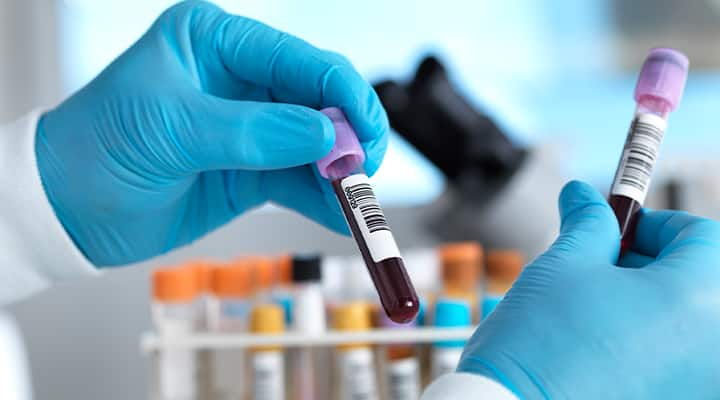
A comprehensive blood count (CBC), chemistry and lipids panel covers essential health markers and should be completed at baseline, according to standard medical guidelines. A comprehensive panel will measure total iron, lactate dehydrogenase, uric acid and phosphorus (measures that are not typically included in standard bloodwork).
Why it's important: This is an all-in-one panel, but it actually contains three components, all of which are important to people on GLP-1s:
- The lipid portion of the test shows whether total cholesterol, LDL cholesterol, HDL cholesterol and triglycerides are moving in a healthier direction. This is especially important for those taking a GLP-1 at least in part due to cardiovascular risk.
- The chemistry portion of the test includes liver enzymes, which may decrease as metabolic fatty liver disease improves. It also measures electrolytes, which should remain within the normal range. Staying diligent about drinking water and other fluids can help support adequate hydration.
- A comprehensive CBC can detect anemia and signs of infection. Anemia may be a concern during GLP-1 treatment because people consume far less food, and eating less can affect nutrient intake.
"Lab tests help tell the full story of your progress on a GLP-1. They can confirm that the medication is improving important health markers while identifying concerns early."
2. Apolipoprotein B (ApoB)

Your cholesterol levels and triglycerides are really just one piece of the puzzle when it comes to assessing cardio-metabolic health—which is why you'll also want to layer in a test for apolipoprotein B (ApoB). If you have been prescribed a GLP-1, you likely already have cardiovascular risk factors that make you a good candidate for this assessment.
Why it's important: ApoB may be one of the most significant cardiovascular risk markers you haven't heard of. It can give a more accurate picture of cardiovascular risk than LDL or total cholesterol because it estimates the number of atherogenic lipid particles in your blood, which can contribute to plaque buildup in your arteries, increasing your risk of heart attack and stroke. The higher your ApoB, the more of these harmful particles you likely have and the higher your heart disease and stroke risk is.
Not all doctors or even cardiologists routinely order ApoB yet, but that may change as research continues. As your lipids improve during GLP-1 therapy, your ApoB may improve, too. If your other lipid levels get better but your ApoB remains elevated, talk with your healthcare provider.
3. Vitamin D

A 25-hydroxyvitamin D blood test measures your vitamin D levels. It's a test that's especially important for people using GLP-1 therapy for weight loss. Most people have heard about the importance of vitamin D for whole-body health. Nearly every system in the body depends on this fat-soluble vitamin for optimal health. Scientists have determined that it functions in the body much like a hormone, making it even more closely involved in how well your body functions than other vitamins.
Why it's important: Monitoring vitamin D and other key nutrients is valuable for everyone, but it may be even more important while taking a GLP-1. Vitamin D deficiency is one of the most common nutrient inadequacies among overweight and obese people. Since those people may begin GLP-1 therapy with low vitamin D levels, monitoring your levels is key.
Does this mean you should stop taking your medication? No! The weight and metabolic health benefits of GLP-1s are significant, and nutrient deficiencies can typically be identified and managed with routine testing. You simply need to be aware of the possibility and monitor your levels rather than worry about it.
4. C-Reactive Protein (CRP)

Some healthcare providers include C-reactive protein, or CRP, as part of basic blood work, while others consider it a specialty test. CRP is a marker of inflammation in the body. In particular, it can help detect the type of ongoing, low-grade inflammation that is associated with obesity, metabolic disease and other long-term health conditions.
Why it's important: Because GLP-1 medications can support weight loss and improve metabolic health, your CRP level may decrease during treatment. A lower CRP is generally a positive sign that inflammation in the body is improving.
If you started with a higher number, your follow-up may still be elevated, but focus on the improvement. Watch the trend instead of the number, and look at it alongside other changes. If your weight and waist circumference have decreased, and key markers such as triglycerides and hemoglobin A1c have improved, you can feel confident that you are moving in the right direction. The big picture matters more than any single test result.
5. Homocysteine
Homocysteine is a specialty blood test rather than a standard part of routine blood work, so many healthcare providers do not automatically order it. However, it gives insight into cardiovascular and neurological risk, as well as into B vitamin nutrition status. As with vitamin D, you may have started your journey with unhealthy homocysteine levels, and you should continue to monitor them.
Why it's important: Homocysteine is produced when the body breaks down methionine, an amino acid found in protein-containing foods. When homocysteine builds up to high levels in the body, it can injure blood vessels and is associated with a greater risk of stroke and dementia.
Genetics can affect how efficiently your body clears homocysteine. Your body also needs several B vitamins, including folate, vitamin B12, riboflavin and possibly vitamin B6, to keep homocysteine within a healthy range.
Deficiency of B vitamins can occur as a result of diminished nutrient absorption because of how GLP-1 medications affect your digestive tract as well as decreased food intake. Because homocysteine testing is not routinely ordered, you may need to specifically request it from your healthcare provider.
6. Vitamin B12 and Folate
For those using a GLP-1 medication for weight loss, vitamin B12 and folate should be tested because of the therapy's effect on absorption and total nutrient intake. However, not all healthcare practitioners routinely order these tests.
Why it's important: Homocysteine testing provides an indirect look at B12 and folate status, but these nutrients can also be measured directly through blood testing. Vitamin B12 and folate are essential nutrients involved in many processes throughout the body, including nervous system function and cardiovascular health.
Importantly, homocysteine levels may appear normal even when a B12 or folate deficiency is present. Testing these nutrients directly can help ensure that your weight-loss and metabolic health program is not unintentionally contributing to a deficiency. An MMA test, which measures the amount of methylmalonic acid in your blood, can also help detect inadequate vitamin B12 levels.
Because few practitioners order these tests, you may need to request them specifically.
7. Iron

Iron testing may be considered for those using a GLP-1 medication for weight loss, and it is especially important for premenopausal women and others at increased risk of iron deficiency.
According to a 2026 review, iron is one of the most common nutrient deficiencies among GLP-1 weight loss patients, along with vitamin D. Because iron deficiency is already common in the general population, reduced food intake and other effects of GLP-1 treatment can make your iron status even worse. And if you don't eat iron-rich food sources such as meat and seafood to begin with, you'll definitely want to watch out for deficiencies.
Why it's important: You've already got a CBC, so why do you need an iron test? While a complete blood count can detect anemia caused by a more advanced iron deficiency, it may not identify low iron stores in the earlier stages. On the other hand, a quality iron test measures serum iron and iron saturation as well as your iron binding capacity (TIBC), which is the most accurate and sensitive test to determine your iron status. The panel should also test ferritin, which is an early indicator of iron deficiency. Ferritin, a form of iron stored in the liver, can become depleted before any hints of anemia appear on a CBC.
Other Important Lab Tests for GLP-1 Users

If you're taking GLP-1, you may also want to keep tabs on the following:
Thyroid:
Thyroid testing may be important during GLP-1 therapy because your thyroid plays a key role in regulating your metabolism. Although thyroid function alone does not always explain weight gain, weight loss or difficulty losing weight, it is still valuable to understand how your thyroid is functioning while your body is undergoing significant metabolic changes.Magnesium and zinc:
Both are listed among the nutrients of concern during GLP-1 therapy by experts.Omega-3 fatty acids:
You may have heard about the health benefits of omega-3 fatty acids, which are commonly found in fatty fish and fish oil. Similar to vitamin D, during GLP-1 therapy, your body's level of these essential fats could drop. An omega-3 index test measures the levels of omega-3 fatty acids in your red blood cell membranes as well as levels of omega-6 fatty acids. Healthcare providers do not routinely order these tests, but the results can provide valuable insight. Omega-3 fatty acids are especially important because they support a healthy inflammatory response, brain function, cardiovascular health and more.Healthy aging panel:
A panel blood test that measures healthy aging is an excellent way to monitor your progress while taking a GLP-1 because it measures many of the top areas of concern to give a more complete picture of your health.
| Concern | Tests |
|---|---|
| Thyroid Function |
|
| Glucose Control |
|
| Kidney Function |
|
| Liver Function |
|
| Lipids/Cardiovascular |
|
| General Health |
|
What You Need to Know About GLP-1 Testing

Wondering how to add lab testing to your routine? Here's what the science says about what tests you need and how often, so you can be your healthiest while taking GLP-1s.
Why do I need to ask for tests that my health care provider didn't order?
Healthcare providers are busy, and they may not think to order every potentially helpful test. That's why it's important to be your own health advocate. Taking an active role in your care means asking questions and requesting tests you believe may be useful, while respecting your provider's expertise and discussing whether each test makes sense for you.
You may also be able to order certain tests independently through a direct-to-consumer lab. You can then review the results with your healthcare provider, who can help you understand what they mean and whether any follow-up is needed.
How often should you get blood tests while taking GLP-1 medications?
You should have baseline bloodwork before starting a GLP-1 medication and follow up according to your doctor's orders. Your healthcare provider should supervise any medication-based weight-loss program and recommend the appropriate tests and timing for your individual needs.
Key Takeaways
- GLP-1 lab tests provide a more complete picture of health beyond weight loss.
- Regular testing identifies positive health changes, nutrient deficiencies and potential treatment concerns early.
- Always review your lab test results with a healthcare provider.


References
- Apovian CM, et al. Clinical Management of Obesity. 3rd edition. 2025. https://books.pcimed.com/obesity
- Hendley J. "Study: Taking GLP-1 drugs may increase risk of key nutrient deficiencies." Harvard Health Publishing. March 2026. https://www.health.harvard.edu/diet-and-nutrition/study-taking-glp-1-drugs-may-increase-risk-of-key-nutrient-deficiencies
- Mozaffarian D, et al. "Nutritional priorities to support GLP-1 therapy for obesity: a joint Advisory from the American College of Lifestyle Medicine, the American Society for Nutrition, the Obesity Medicine Association, and The Obesity Society." The American Journal of Clinical Nutrition. July 2025. https://www.sciencedirect.com/science/article/pii/S0002916525002400
- Rosen CJ, Ingelfinger JR. "GLP-1 Receptor Agonists." The New England Journal of Medicine. April 2026. https://www.nejm.org/doi/full/10.1056/NEJMra2500106
- Urbina J, et al. "Micronutrient and Nutritional Deficiencies Associated With GLP-1 Receptor Agonist Therapy: A Narrative Review." Clin Obes. February 2026. https://pubmed.ncbi.nlm.nih.gov/41549912/
- Vranić L, et al. "Vitamin D Deficiency: Consequence or Cause of Obesity?" Medicina (Kaunas). August 2019. https://pmc.ncbi.nlm.nih.gov/articles/PMC6780345/

Always be in the know!
Access the latest deals, wellness news, expert health tips & more!
Popular At-Home Test