9 Supplements That Support Mitochondrial Function
Published: September 2026
At a Glance
- Mitochondria are tiny structures that provide your cells with the energy needed for biological processes and overall health.
- Mitochondrial function tends to decline with age and can contribute to the aging process.
- Certain nutrients, like CoQ10, NAD+ boosters and B vitamins, can help support mitochondrial function and encourage healthy cellular energy production.
Have you ever spoken to someone in their 20s and marveled at their energy levels? Somehow, these freshly minted adults stay up late and still get up for work early the next day, skip breakfast, and aside from some midday yawning, appear to be no worse for the wear. Meanwhile, a single off-schedule day sends you off-kilter. What gives?
Well, there's a scientific explanation for the energy that we have in youth—and slowly lose as we age. It has to do with our cells, more specifically, the mitochondria within them. These are the little "power plants" that keep our cells functioning properly. Like so many things we lose as we age (the zippy metabolism, that full head of hair!), our mitochondrial function naturally dips, with some estimates showing mitochondrial protein synthesis in skeletal muscle may fall by roughly 40% between young adulthood and middle age.
And because "energy" isn't merely how peppy you feel, but also the stuff that makes your heart and brain and other major organs function optimally, you really want to do everything you can to keep your mitochondria functioning at full force.
Ready for some good news? While you can't turn back the hands of time—and nothing can ever take the place of regular exercise, a healthy diet and quality sleep—there are supplements that can help keep your mitochondria healthy.
There are two ways supplements can benefit mitochondria: either (1) by supporting cellular energy production, or (2) by promoting overall mitochondrial function. Let's dive into both of these types of supplements, and the best options within each category.

Supplements for Cellular Energy Production

There are a variety of nutrients that play roles in the pathways your cells use to produce energy. Ensuring your body has enough of these nutrients can help promote mitochondrial function and cellular energy production.
The following seven supplements are a great place to start—and also have other notable benefits:
1. CoQ10
Coenzyme Q10, or CoQ10, is a compound that helps mitochondria make ATP. It plays a crucial role in the pathways that drive adenosine triphosphate (ATP) synthesis. CoQ10 also acts as an antioxidant, helping protect mitochondria from oxidative stress. That's why CoQ10 supplements can help support cellular energy production and so many other aspects of health, like heart health.
2. NAD+ Boosters
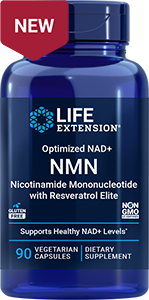
Nicotinamide riboside (NR) is a vital coenzyme that supports ATP production and is crucial to healthy aging because it plays a critical role in other aspects of cellular function and repair. NAD+ levels tend to decline as we age, making NAD+ supplements a smart way to help support healthy levels of this critical coenzyme. While you can't ingest NAD+ directly—it's too large and unstable to be taken as a supplement—you can take NR and nicotinamide mononucleotide (NMN) supplements, which provide the building blocks that support healthy NAD+ levels in the body.
3. Creatine
A favorite among exercise enthusiasts, creatine also plays a role in cellular energy. Adenosine triphosphate (ATP) has three phosphates. When the body needs energy, ATP releases one phosphate and becomes ADP (adenosine diphosphate). Creatine helps restore ATP quickly by donating a phosphate group and converting ADP back to ATP. This rapid ATP "energy-recycling" system is one reason why creatine is helpful for supporting increased exercise performance. Creatine is a natural choice to promote faster exercise recovery and improve lean muscle mass.

4. Carnitine
Carnitine is another supplement commonly found in workout stacks. In the body, carnitine is involved in cellular energy and mitochondrial function. When your body uses fat for energy, carnitine helps transport long-chain fatty acids into the mitochondria, where they are broken down and converted into ATP. Carnitine can exist in different forms; L-carnitine is primarily responsible for supporting fatty acid transport, while acetyl-L-carnitine can contribute compounds that support ATP synthesis. Both forms of carnitine are important for mitochondrial energy production. Carnitine supplements also help the body recover from exercise more quickly and support heart, brain and nervous system health.
"Mitochondria are crucial for cellular energy and overall health, which is why promoting healthy mitochondrial function should be high on your list for supporting overall healthy aging."
5. B Vitamins
B vitamins are essential helper molecules (cofactors) that help convert carbohydrates, fats, and proteins into energy. B vitamins support many of the processes involved in cellular energy production, helping mitochondria function properly. As key components of mitochondrial function, B vitamins help support healthy metabolism and cellular energy. You can get the Bs you need from food, but even the healthiest diets can fall short. A high-quality supplement can help bridge nutritional gaps, especially if you follow a vegetarian or vegan diet.

6. Taurine
Taurine is an amino acid that plays a key role in mitochondrial energy production. Although not a main character in ATP production, taurine helps maintain the cellular environment required for efficient ATP synthesis. Taurine helps keep mitochondria healthy by supporting mitochondrial membrane stability, calcium balance, and efficient electron transport. It also promotes the production of proteins needed for the electron transport chain. Because of its role in energy production, taurine also helps support exercise performance, cardiovascular health and skeletal muscle health.
7. Alpha-Lipoic Acid
Alpha-lipoic acid is a cofactor for various enzymes involved in the cellular respiration process. One of its important roles is to help convert pyruvate to acetyl-CoA (coenzyme A), which the body uses to produce cellular energy. Alpha-lipoic acid is also an antioxidant that helps protect mitochondria against oxidative stress. Note: Alpha-lipoic acid exists in two forms, "R" and "S." The "R" form is the biologically active one, so some supplements may list "R-lipoic acid" rather than alpha-lipoic acid.
Supplements for Mitochondrial Function

While the previously listed supplements provide nutrients that directly participate in ATP production pathways, the following two don't directly support cellular energy synthesis. However, they do promote healthy mitochondrial function in different ways—making them worth a look if cellular energy is your goal.
8. D-Ribose
D-ribose provides the raw materials your mitochondria need to make energy, replenishing ATP stores after they have been depleted during periods of intense physical stress. So, D-ribose supplementation may be beneficial for athletes by supporting heart health and muscle tissue.
9. PQQ
Pyrroloquinoline quinone, or PQQ, is a vitamin-like compound that is best known for its strong antioxidant properties. As we mentioned before, metabolism generates lots of free radicals and other compounds. So, while PQQ does not participate in mitochondrial function directly, its antioxidant activity helps maintain mitochondrial function to support overall cellular and whole-body health.
| Supplement | Function | Other Health Benefits |
|---|---|---|
| CoQ10 |
|
|
| NAD+ boosters (NR, NMN) |
|
|
| Creatine |
|
|
| B vitamins |
|
|
| Taurine |
|
|
| Alpha-lipoic acid |
|
|
| Carnitine |
|
|
| D-ribose |
|
|
| PQQ |
|
|
Pro tip: You can take a health quiz for a personalized supplement recommendation tailored to your needs.
What You Need to Know About Supporting Mitochondrial Function

There's no doubt about it: Father Time is going to impact your mitochondria, both their numbers and how effectively these tiny "powerhouses" produce ATP. And yes, mitochondrial changes contribute to the aging process. However, you don't have to take age-related changes lying down. Here are some frequently asked questions about maintaining healthy mitochondria.
Can you increase the number of mitochondria in your cells?
Yes! Creating new mitochondria is called mitochondrial biogenesis, and it can be "turned on" with regular exercise. High-intensity interval training and endurance training may be effective forms of exercise for increasing mitochondrial biogenesis. Of course, a nutritious diet like the Mediterranean diet and quality sleep are also helpful for supporting the number and overall health of mitochondria.
Does high-intensity exercise help with mitochondrial function?
Yes. All exercise is beneficial for mitochondrial health and function; high-intensity exercise seems particularly helpful in maintaining mitochondrial quality, especially as we age.
Are there any lifestyle changes you can make to support mitochondrial function?
Yes again! Regular physical activity is essential for mitochondrial function. Aim for at least 150 minutes of moderate-intensity aerobic activity each week, plus strength training at least twice a week. Try to break up periods of inactivity with light movement. Get high-quality, consistent sleep, and eat a well-balanced diet rich in as many whole foods as possible. And of course, quality supplements can help support your mitochondria from the inside out.
Key Takeaways
- Mitochondrial function tends to decline with age, but healthy lifestyle choices like exercise can support their number and function.
- Certain supplements, like CoQ10, creatine, and taurine, may support mitochondria in producing energy.
- Healthy mitochondria are a key component of healthy aging.


References
- Abrego-Guandique DM, et al. "The impact of exercise on mitochondrial biogenesis in skeletal muscle: A systematic review and meta-analysis of randomized trials." Biomol Concepts. May 2025. https://pubmed.ncbi.nlm.nih.gov/40459444/
- Amorim JA, et al. "Mitochondrial and metabolic dysfunction in ageing and age-related diseases." Nature Reviews Endocrinology. February 2022. https://www.nature.com/articles/s41574-021-00626-7
- Arnold PK, Finley LWS. "Regulation and function of the mammalian tricarboxylic acid cycle." J Biol Chem. February 2023. https://pmc.ncbi.nlm.nih.gov/articles/PMC9871338/
- Guo Y, et al. "Mitochondrial dysfunction in aging." Ageing Research Reviews. July 2023. https://www.sciencedirect.com/science/article/abs/pii/S1568163723001149
- Herrmann JM. "Mitochondria: the beating heart of the eukaryotic cell." FEBS Open Bio. October 2024. https://pmc.ncbi.nlm.nih.gov/articles/PMC11452296/
- Kyriazis ID, et al. "The impact of diet upon mitochondrial physiology (Review)." Int J Mol Med. November 2022. https://pmc.ncbi.nlm.nih.gov/articles/PMC9542544/
- Mahatme S, et al. "Impact of high-intensity interval training on cardio-metabolic health outcomes and mitochondrial function in older adults: a review." Med Pharm Rep. April 2022. https://pmc.ncbi.nlm.nih.gov/articles/PMC9176307/
- Patel MS, et al. "The pyruvate dehydrogenase complexes: structure-based function and regulation." J Biol Chem. June 2014. https://pmc.ncbi.nlm.nih.gov/articles/PMC4059105/
- Rooyackers OE, et al. "Effect of age on in vivo rates of mitochondrial protein synthesis in human skeletal muscle." Proc Natl Acad Sci U S A. December 1996. https://pmc.ncbi.nlm.nih.gov/articles/PMC26410/
- Santulli G, et al. "Functional Role of Taurine in Aging and Cardiovascular Health: An Updated Overview." Nutrients. September 2023. https://pmc.ncbi.nlm.nih.gov/articles/PMC10574552/
- Sarnataro R. "Neurobiology of mitochondrial dynamics in sleep." J Physiol. November 2025. https://pmc.ncbi.nlm.nih.gov/articles/PMC12645550/
- Wei P, et al. "Mitochondrial dysfunction and aging: multidimensional mechanisms and therapeutic strategies." Biogerontology. July 2025. https://pubmed.ncbi.nlm.nih.gov/40634825/
- "Dietary Supplements for Primary Mitochondrial Disorders." National Institutes of Health. June 2020. https://ods.od.nih.gov/factsheets/PrimaryMitochondrialDisorders-HealthProfessional/
- "Electron Transport Chain." ScienceDirect. https://www.sciencedirect.com/topics/biochemistry-genetics-and-molecular-biology/electron-transport-chain
- "Mitochondria." National Human Genome Research Institute. August 2026. https://www.genome.gov/genetics-glossary/Mitochondria
- "Mitochondria and health." National Institutes of Health. July 2025. https://www.nih.gov/news-events/nih-research-matters/mitochondria-health
- "Mitochondrial DNA." MedlinePlus. June 2018. https://medlineplus.gov/genetics/chromosome/mitochondrial-dna/

Always be in the know!
Access the latest deals, wellness news, expert health tips & more!
Popular Supplement