What Are the Benefits of Walking?
Published: September 2026
At a Glance
- A regular walking routine can support healthy aging, joint mobility, heart health, mood and metabolism.
- A new study debunks the rule that says you need to be walking 10,000 steps per day.
- With some smart safety tips and a few key nutrients, you can make your walking routine most effective.
Comfortable clothes? Check. Comfortable shoes? Check. You're officially ready to enjoy the health benefits of walking. Yes, it's really that simple. Plus, walking is a moderate-intensity, low-impact exercise, so it's accessible for just about anyone, anytime, anywhere.
In fact, you've probably seen more people than ever hitting the streets for a stroll or trekking on the treadmills at the gym. Even though walking is human instinct, research has only recently discovered that walking for physical activity can improve joint mobility, mental health and lifespan, to name a few.
Let's dig into what exactly the studies have found, including how far or how fast you need to walk and what kind of nutrition you need to make every mile count!
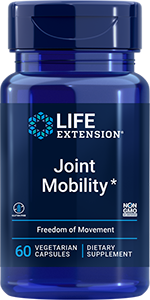
9 Health Benefits of Walking

Walking benefits way more than your waistline. As Dr. Michael A. Smith, MD, says, "Getting your daily steps in is one of several things you should do to support your whole-body health." And we finally have the research to back this up! Here are nine of the best, science-backed reasons to lace up your sneakers.
1. Heart Health
Your heart is like the engine in a car. It runs everything, which is why it deserves consistent love and attention. A healthy diet fuels the engine well, while routine check-ups help confirm everything is running smoothly. But like that car engine, you can't let the heart sit idle. Physical activity is also crucial to keeping a strong ticker.
A meta-analysis of 37 randomized controlled trials showed that regular walking sessions for at least 8 weeks helped support blood pressure and lipid levels already within a normal range.
The study also found improvements in VO2max, the maximum rate of oxygen your body can consume during physical activity. This is especially promising, because a higher VO2max is associated with a longer lifespan.
2. Weight Management
For anyone who has weight to lose or is new to exercise, brisk walking for at least 150 minutes per week is a great way to jumpstart their goals. One study showed that for every 30 minutes of aerobic exercise completed each week, an average weight loss of about 1.1 pounds and waist size reduction of 0.22 inches was achieved.
Important caveat: once you hit a plateau or reach your healthy weight goal, the study suggests you'll need to increase your moderate-intensity walking to 200-300 minutes per week to avoid regain.
3. Cognitive Function
The benefits of physical activity on brain aging and cognitive function are well documented. Aerobic and resistance training (so yes, you should lift weights, too) support cognitive health by:
- Increasing cerebral blood flow
- Promoting neurotrophic signaling
- Supporting synaptic plasticity
Put another way, exercise helps the brain get the nutrients and chemical signals it needs to grow, repair and rewire itself.
One study of adults in the UK found that daily step count is associated with better cognitive health. In this case, higher is better, with the most beneficial effects around 10,000 steps per day. One more thing— and this is important!—the faster your pace, the stronger the link to cognitive health.
4. Mood and Mental Well-Being

A runner's high is great, but have you ever had a walker's high? It's a real fitness phenomenon. The boost in mood comes from an increase in endorphins.
Exercise also supports:
- Brain-derived neurotrophic factor (BDNF)
- The creation of new neurons
- A healthy inflammatory response
- Psychosocial pathways
All of these mechanisms promote overall mental health.
5. Joint Health
Are you concerned about occasional discomfort in your hips, knees or ankles after exercise? This might seem counterintuitive, but studies show that physical activity does not negatively affect joint health. Load-bearing exercise actually helps build strength in and around the joints. Not to mention, exercising for weight loss helps put less pressure on the musculoskeletal system.
To be clear: Load-bearing, or weight-bearing, exercise is any physical activity that requires your bones and muscles to support either your body weight or an external resistance, like a dumbbell. And walking is an excellent weight-bearing exercise. Just be sure to invest in proper fitness footwear and find a safe space to walk, preferably one with a smooth surface free of tripping hazards.
6. Blood Sugar and Metabolic Health
Everyone can benefit from keeping blood sugar, or blood glucose, in a healthy range. What can you do about it? Eat a balanced diet and start a walking exercise routine!
After you eat a meal, blood glucose levels naturally rise. This indicates your food was properly digested and absorbed. But exercising right after a meal—even for just 5 minutes—can bring your glucose levels back to baseline faster.
Physical activity cues your muscle cells to take glucose out of the bloodstream and use it for energy.
Pro-tip: High-intensity exercise should be avoided right after a meal, because it can interfere with digestion. Walking, on the other hand, is the perfect choice. The research says walking has the greatest effects on already-healthy glucose levels when undertaken as soon as possible after a meal, compared to waiting a long period after eating or walking before eating.
7. Muscle Strength
Because it's a weight-bearing exercise, walking can offer modest gains in lower-body muscle strength, with the gains being the most meaningful in older adults.
In one study of untrained older adults, a 17-week progressive walking and stair-climbing program showed a significant increase in thigh muscle thickness and an increase in strength in knee extension and flexion.
This, of course, does not eliminate the need to do strength training exercises at least twice per week for upper- and lower-body muscle gains.
8. Immune Function
A 2021 systematic review and meta-analysis found that regular, moderate to vigorous physical activity was associated with improved immune health markers.
One study even found that each walking session triggers an increase in white blood cells and a redistribution of natural killer (NK) cells.
As part of the innate immune system, NK cells help provide an early defense against harmful threats. Keep your walking pace to at least 2.5 miles per hour to achieve moderate intensity and reap the benefits of a strong immune system.
9. Healthy Aging
It's one thing to add years to your life. It's another thing to add life to your years. Sticking to a walking routine can do both. And you don't need as many steps as you might think to stay healthy as you age.
A 2023 systemic review analyzed 12 studies including more than 111,000 people. The data showed optimal daily walking “dose” for overall healthy aging is 8,763 steps. This translates to about 4 to 4.5 miles of walking, depending on your stride length.
Still sound out of reach? That's okay. Researchers saw a significant improvement in aging markers with as little as 2,517 steps per day.
How Many Steps a Day Do You Need for Walking to Be Beneficial?
You've probably heard you need at least 10,000 steps per day for peak fitness. While this number is associated with better brain function and perhaps weight management, it may not be the goal for you. There are currently no national or international physical activity guidelines regarding the number of steps associated with overall health, thus it's not a one-number-fits-all approach. More research is needed to establish formal recommendations for daily walking steps.
However, if you're a numbers person with a smartwatch or pedometer, there are a few studies that give ballparks to shoot for:
- 8,800 steps: A recent study, which debunked the 10,000-step rule, suggested that to potentially improve lifespan, you need about 8,800 steps per day.
- 2,735 to 7,126 steps: If your main goal is to improve heart health, you should get a minimum of 2,735 steps per day, but the optimal amount is 7,126 steps.
"Getting your daily steps in is one of several things you should do to support your whole-body health."
How to Start a Walking Routine

The best way to start a walking routine is low and slow, especially if you haven't worked out regularly in a while. When it comes to any form of exercise, doing too much too soon can work against you. To put you on the right foot, we've outlined a step-by-step guide to start a walking routine.
| What to Do | How to Do It |
|---|---|
| 1. Pick a time | First decide when you are available and most likely to fit in a walk. For instance, you might choose between walking in the morning, during your lunch break or after dinner. |
| 2. Start small | Walk for 10-15 minutes, 3-4 times per week. |
| 3. Set the pace | A brisk walk at a pace of about 2.5 miles per hour (24 minutes/mile) is considered moderate-intensity aerobic activity for most adults. |
| 4. Build gradually | Add an extra 5 minutes to your walks every 1-2 weeks. You could also increase the number of days you walk or increase your pace. |
| 5. Make it enjoyable | Enlist a friend or loved one to walk with you to make the trek more enjoyable—and to keep you accountable. Walking with your dog or a good playlist, audiobook or podcast can also offer motivation to move. |
| 6. Schedule it | Schedule your walk session like a doctor's appointment and set your availability to "away," so you can't be interrupted. Scheduling can help you stay committed to a consistent walking routine. |
Other things to consider when you go out for a walk:
-
Your attire:
Comfortable clothes and shoes go a long way during any physical activity. -
Your route:
Choose a well-lit and well-constructed walking path if you're headed outside. If you plan to walk alone, always tell someone when you're going and the exact route you're going to take. -
Your warm-up:
Whenever you go from sitting to standing up and exercising, you should take a few minutes to warm up the body. This may mean you walk at a slower pace for 2-3 minutes at the beginning, and then gradually kick it up a notch. Or, you could perform a few dynamic stretches beforehand. -
Your form:
Regardless of your fitness level, it's imperative that you maintain good form. Stand tall with your back straight and shoulders slightly pulled back. Find a slightly bent position with your arms, but avoid clenching your fists. Let your arms naturally swing back and forth, while keeping your core muscles engaged. Your feet should land underneath your hips, as you roll from your heel to toe. -
Your cooldown:
Just as important as the warm-up is the cooldown. Take a couple extra minutes at the end of your walking routine to lower your heart rate, regulate your breathing and stretch those hard-working muscles.
What Supplements Should Walkers Take?

For most people, nutrient needs don't drastically change when you start a new walking routine. However, there are a few exceptions. If any of these scenarios sound familiar, consider supplementing to get the most out of your walking routine.
-
Scenario 1:
You struggle to eat fruits, vegetables, healthy fats and whole grains most days.Recommendation: A comprehensive multivitamin.
Why? To fill in the micronutrient gaps in your diet.
-
Scenario 2:
You switch from running to walking because you're focused on joint health.Recommendation: Undenatured type II collagen supplement.
Why? Undenatured type II collagen has been shown to improve joint comfort, mobility and function.
-
Scenario 3:
You need more strength and energy to help you reach your physical activity goals.Recommendation: A combination formula with Indian sphaeranthus and mango bark extracts.
Why? This combination may significantly improve leg muscle strength, mean walking distance and overall vitality.
-
Scenario 4:
You're looking for more personalized support for your overall health.Recommendation: Take our supplement quiz.
Why? You'll get a comprehensive list of nutrients you need based on your current diet, daily habits and health goals.
Key Takeaways
- Regular walking is associated with supporting post-meal glucose levels, cardiovascular health and even healthy aging.
- According to a 2023 study, about 8,800 steps per day is the optimal walking dose for aging well, but significant health benefits can occur with only 2,500 steps per day.
- Undenatured collagen supplements can support joint health and keep you walking for years to come!


References
- Crowley DC, et al. "Safety and efficacy of undenatured type II collagen in the treatment of osteoarthritis of the knee: a clinical trial." Int J Med Sci. October 2009. https://pubmed.ncbi.nlm.nih.gov/19847319/
- del Pozo Cruz B, et al. "Association of daily step count and intensity with incident dementia in 78,430 adults living in the UK." JAMA Neurol. September 2022. https://jamanetwork.com/journals/jamaneurology/fullarticle/2795819?utm_source=openevidence&utm_medium=referral
- Engeroff T, et al. "After dinner rest a while, after supper walk a mile? A systematic review with meta-analysis on the acute postprandial glycemic response to exercise before and after meal ingestion in healthy subjects and patients with impaired glucose tolerance." Sports Med. January 2023. https://link.springer.com/article/10.1007/s40279-022-01808-7
- Idris I, et al. "The latest evidence and guidance in lifestyle and surgical interventions to achieve weight loss in people with overweight or obesity." Diabetes Obes Metab. March 2025. https://dom-pubs.onlinelibrary.wiley.com/doi/10.1111/dom.16296
- Oja P, et al. "Effects of frequency, intensity, duration and volume of walking interventions on CVD risk factors: a systematic review and meta-regression analysis of randomised controlled trials among inactive healthy adults." Br J Sports Med. June 2018. https://pubmed.ncbi.nlm.nih.gov/29858464/
- Ozaki H, et al. "Effects of Progressive Walking and Stair-Climbing Training Program on Muscle Size and Strength of the Lower Body in Untrained Older Adults." J Sports Sci Med. November 2019. https://pubmed.ncbi.nlm.nih.gov/31827357/
- Stens NA, et al. "Relationship of daily step counts to all-cause mortality and cardiovascular events." J Am Coll Cardiol. September 2023. https://www.jacc.org/doi/10.1016/j.jacc.2023.07.029

Always be in the know!
Access the latest deals, wellness news, expert health tips & more!
Popular Supplement