How to Sleep Better with Menopause
Published: February 2023 | Updated: October 2025
At a Glance
- More than 60% of women in perimenopause, menopause and post-menopause report difficulty sleeping.
- Poor sleep is due to changes in estrogen levels, which affects hormones that regulate sleep.
- Melatonin encourages healthy sleep during menopause.
One of the top complaints I hear from women in the menopausal transition is: "I can't sleep!" Often, they explain, it is because of hot flashes, needing to use the restroom, or another menopause-related complaint.
Whatever the cause, that disruption of ZZZs can have a ripple effect on their entire day. Just as they say that everything's better after a good night's sleep, the reverse is true, as well. Fun times!
This isn't an issue for just a few of us, either. Difficulty sleeping is reported by more than 60% of perimenopausal and postmenopausal women in their 40s, 50s and 60s.
Sleep complaints include:
- Having a hard time falling asleep at night
- Having a hard time staying asleep
- Waking up frequently and early in the morning (before your alarm)
- Feeling that the overall quality of your sleep is poor
Ready for some good news? Lifestyle changes can help. From melatonin supplements to better bedtime habits, we'll show you how to get the restful sleep you need.
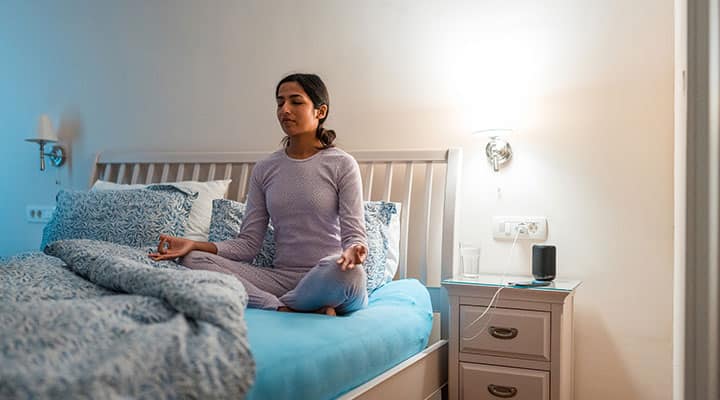
Why does sleep become disrupted during menopause?

At age 40, women are considered perimenopausal. They are not labeled "post-menopausal" until they've gone more than 12 months without menses. The time period between perimenopause and postmenopause can last well over a decade, and during this time, there are many changes in a woman's body that can disrupt sleep quality:
Fluctuating hormones, including estrogen and progesterone.
As we age, our ovaries change the amount of hormones they release. Those hormones—estrogen, progesterone and testosterone—all have important roles in how our bodies function. For example, changes in estrogen can influence some hormones that regulate sleep: norepinephrine and serotonin. And progesterone is known as our "calming" hormone; progesterone changes can make it harder to sleep soundly.Hot flashes and night sweats.
Estrogen also affects the hypothalamic thermoregulatory system in our brain. That's why estrogen shifts can cause night sweats and hot flashes that may disrupt sleep.Nighttime bathroom breaks.
Having to get up to use the bathroom during the night occurs more frequently as we age and as estrogen levels in the body shift. These wakings can seriously affect restful sleep.Mood changes.
Irritability and mood swings, which are also common complaints of menopause, can affect sleep. (Poor sleep, in turn, can negatively affect mood, creating a vicious circle.)Circadian function changes.
Estrogen also plays a role in melatonin production. Less melatonin can alter your circadian rhythms, making good quality sleep more challenging.
12 tips to sleeping better with menopause

As I explain to my patients, there is a spectrum of menopausal discomforts and an even broader spectrum of management strategies. Keeping estrogen and progesterone at pre-menopausal levels under the care of a healthcare provider is usually recommended, but there are many other approaches.
Top tips for sleeping through the night during menopause include:
Exercise regularly.
Not only does regular exercise support a healthy weight, heart health, bone health, and stress management, but research shows it improves sleep quality in peri-postmenopausal women and benefits their quality of life. (Caveat: avoid exercise close to bedtime to ensure you don't disrupt your sleep cycle.)Watch what you eat.
Eating vegetables, whole grains and unprocessed foods is associated with less-intense menopausal hot flashes and better sleep.Watch when you eat.
Make sure you're not indulging in heavy meals or foods that cause digestive discomfort close to bedtime.Avoid caffeine in the evening.
Instead of coffee, try a relaxing cup of herbal tea later in the day to encourage relaxation.Go easy on the wine, too.
Excessive alcohol consumption has been linked to poor sleep and may affect your melatonin production, which can lead to a late-night (or early morning) wakening.Get the room ready.
A cool room temperature, comfortable nightclothes and limited light and noise all help sleep.Adopt a consistent sleep schedule.
An adult needs at least 7-8 hours of sleep for health and well-being. Setting an alarm to start your bedtime routine is just as important as setting an alarm to wake up.Have a pre-bedtime relaxation routine.
A shower or a light stretch can help you shed the stress of the day. The scent of lavender may help as well.Minimize screentime before bed.
Reading a book or listening to music is more relaxing and less mentally stimulating than scrolling social media.Bolster the mind-body connection.
Speaking of stimulation, when your body is ready for sleep but your thoughts are racing, it's time to turn to breathwork, meditation and journaling to settle and still your mind.Consider integrative regimens.
Techniques like biofeedback and acupuncture may benefit your ability to fall asleep and stay asleep. Do your research first, though, and check with a trusted healthcare provider for guidance.Consider menopause supplements.
There are a number of nutrients that have either been studied scientifically, used traditionally, or both, and may help you get the sleep you need. Finding one that fits your needs may involve trial and error and should be done in conversation with your healthcare provider, but these are the top ones to consider:Siberian rhubarb.
This popular menopause supplement helps relieve 11 common discomforts, including hot flashes and night sweats, irritability and mood swings, and sleep disturbances.Fenugreek.
Fenugreek seed extract supports estrogen production and helps relieve hot flashes, night sweats and leg discomfort. It also promotes healthy sleep patterns.Other menopause support nutrients.
These supplement ingredients may also support women by helping relieve discomforts common to menopause.
- Soy
- Dong quai
- Licorice
- Chaste tree
- Red clover
- Black cohosh


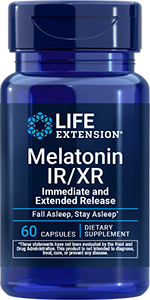
Explore Our Best Sleep Supplements
How does melatonin help women in menopause sleep better?
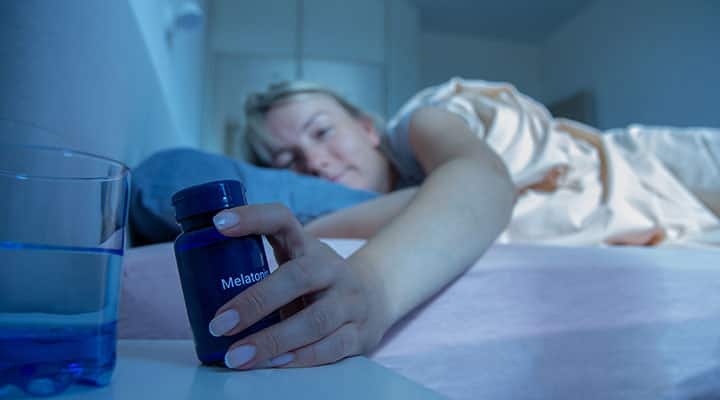
Melatonin, often called the "sleep hormone," is produced in the pineal gland and helps regulate your circadian rhythm, or your sleep-wake cycle. Because falling estrogen levels can affect your melatonin levels, supplemental melatonin may be one way to encourage healthy sleep during menopause.
Melatonin has been studied to support sleep quality and promote the onset of sleep. Formulas that combine fast-acting and prolonged-release melatonin can help you fall asleep and stay asleep.
Other sleep-supporting supplements might also help you sleep better during menopause:
- Magnesium glycinate. My absolute favorite, magnesium, helps with neuromuscular relaxation and supports heart, bone and whole-body health.
- GABA. Gamma-aminobutyric acid acts quickly to help relieve stress and promote relaxation, and it encourages healthy sleep.
But remember, while targeted nutrients can support restful sleep during menopause, you have to address all the factors that contribute to sleep health.
Melatonin isn't the only way to support quality sleep. Take our health needs quiz and get a personalized recommendation for nutrients that may fit your lifestyle.
How to build a bedtime routine that works for you
Your bedtime routine starts when you wake up.
- Wake up and go to sleep at the same time, even on the weekends. If you sleep in until noon on a weekend, chances are you will not be tired or motivated enough to start a bedtime routine at 9:30 p.m. Consistency is key.
- Finish drinking and eating at least 3 hours before going to bed. Limiting intake limits output, meaning you are less likely to wake to go to the bathroom at night.
- Put down your screens! Use the hour before bedtime for meditation, journaling, listening to music or reading.
- Set the mood. Dim the lights, cool the bedroom, and limit noise throughout your home. This helps signal to your body that it is time to wind down.
Key Takeaways
- Hormonal changes are a big factor in how well—or poorly—you sleep throughout the menopausal transition.
- Exercise and healthy diet choices, as well as targeted nutrition, can help you sleep better during menopause.
- A consistent bedtime routine that starts when you wake up can contribute to restful sleep.


References
- Fu C, et al. "Acupuncture Improves Peri-menopausal Insomnia: A Randomized Controlled Trial." Sleep. November 2017. https://academic.oup.com/sleep/article-abstract/40/11/zsx153/4259343
- Musgrave RH, et al. "Dietary interventions to support and improve sleep disturbances and insomnia disorder in menopause: From bench to bedside." Post Reprod Health. June 2025. https://pmc.ncbi.nlm.nih.gov/articles/PMC12231816/
- Skibiak K, et al. "The influence of menopausal status on sleep quality in different populations - a narrative review." Prz Menopauzalny. March 2025. https://pmc.ncbi.nlm.nih.gov/articles/PMC12288502/
- Troìa L, et al. "Sleep Disturbance and Perimenopause: A Narrative Review." J Clin Med. February 2025. https://pmc.ncbi.nlm.nih.gov/articles/PMC11901009/
- Wang H, et al. "The effectiveness of mindfulness-based interventions on menopausal symptoms: A systematic review and meta-analysis of randomized controlled trials." J Affect Disord. July 2025. https://pubmed.ncbi.nlm.nih.gov/40194630/
- Zhou K, et al. "Sleep quality in perimenopausal and postmenopausal women: which exercise therapy is the most effective? A systematic review and network meta-analysis of 31 RCTs." Climacteric. October 2025. https://pubmed.ncbi.nlm.nih.gov/40575963/
- "Biofeedback." Cleveland Clinic. October 2023. https://my.clevelandclinic.org/health/treatments/13354-biofeedback
- "Hot Flashes, Anxiety and Menopause: What's the Connection?" Cleveland Clinic. July 2024. https://health.clevelandclinic.org/hot-flashes-anxiety

Always be in the know!
Access the latest deals, wellness news, expert health tips & more!
Women's Health Favorite