10 Foods for Eyes to Keep Your Vision Strong
Published: March 2021 | Updated: December 2025
At a Glance
- Eye health nutrients like lutein, zeaxanthin, omega-3s, zinc, and vitamins A, C and E can help support healthy eyes and vision.
- Eating colorful foods such as carrots, leafy greens, citrus, fish, and nuts helps protect your vision.
- Supplements for healthy vision can fill nutrient gaps and deliver consistent support for eye health.
Your eyes work hard every day. But just like your heart or brain, they need the right nutrients to stay healthy and perform their best. Certain vitamins, minerals and antioxidants protect your vision, support night and color vision, and defend against everyday oxidative stress.
The good news? Many of these nutrients are found in everyday foods, like brightly colored fruits and veggies. Vitamins A, C and E, zinc, lutein, zeaxanthin and omega-3 fatty acids all play a role in maintaining long-term eye health. Whether your goal is to stay sharp, reduce eye strain, or support healthy aging, nutrition makes a big difference.
Eating for eye health isn't complicated. It's about choosing foods that nourish your vision from the inside out, with eye health supplements to help fill your dietary gaps. Here are 10 nutrient-packed foods your eyes will thank you for.
Why do nutrients matter for eye health?
Just as plants need fertilizer to thrive, your eyes rely on key vitamins, minerals, and antioxidants to function properly and provide protection from oxidative stress. When your diet consistently provides what your eyes need, they can better adapt to light changes, handle daily strain, and stay strong over time.
10 foods that support healthy eyes and vision
The nutrients in the following 10 foods help maintain clear vision, moisture balance, and the integrity of delicate retinal cells.
1. Carrots

Perhaps one of the most commonly known foods for eye health is carrots. Carrots have beta-carotene, a compound the body converts into vitamin A, which supports the cornea and helps you see in low light. Because the body doesn't always convert beta-carotene efficiently, a supplement can help fill in the gaps.
- Nutrient: Beta-carotene (which becomes vitamin A)
- Try this: Pair carrots with a healthy fat like olive oil or hummus to encourage absorption.
2. Maqui berry
Maqui berry contains delphinidins, powerful plant compounds that support tear production and protect against oxidative stress. In one study, adults taking 60 mg of maqui berry extract daily saw a 45% increase in tear production, helping their eyes stay lubricated and comfortable throughout the day.
- Nutrient: Delphinidins
- Try this: Although maqui berry is sold as a powder, a standardized extract delivers more consistent nutrition for targeted results.
3. Citrus
Citrus fruits are packed with vitamin C, which has strong antioxidant properties that support blood vessels in the retina and help neutralize free radicals and protect eyes from oxidative stress.
- Nutrient: Vitamin C
- Try this: Citrus isn't your only option. Red bell peppers actually contain more vitamin C than oranges by weight.
4. Nuts
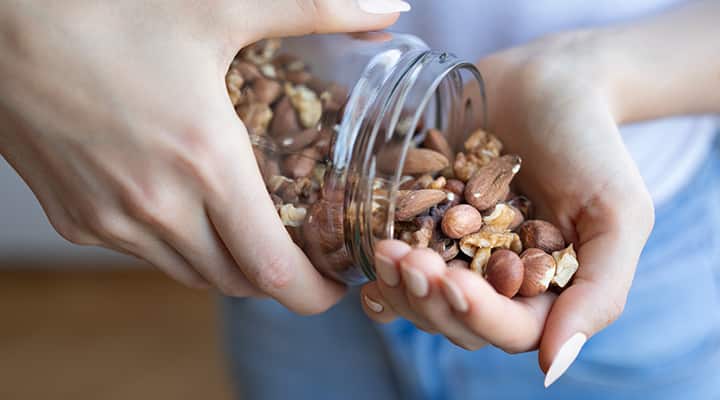
The vitamin E in most nuts protects eye cells from oxidative damage caused by light and oxygen exposure. You'll find vitamin E in almonds, sunflower seeds, avocados, and spinach, all easy ways to support vision and overall eye health.
- Nutrient: Vitamin E
- Try this: Add nuts or seeds to salads and oatmeal, or spread avocado on toast for a simple, nutrient-dense snack.
5. Saffron
Saffron offers powerful support for eye health. Research shows that compounds found in saffron extract can help maintain healthy vision. But saffron is used in small amounts in cooking, so a standardized saffron extract is a better choice for getting a clinically studied dose and offers more consistent benefits.
- Nutrient: Various compounds found in saffron extract
- Try this: Use a pinch of saffron in rice for flavor and color, but for real vision benefits, consider a saffron extract in a dose backed by clinical research.
6. Brazil nuts
These nuts contain selenium, a trace mineral that supports the body's antioxidant defenses through enzymes like glutathione peroxidase. This selenoprotein is one of the main players in the body's defenses against oxidative stress, of which the eyes undergo plenty!
- Nutrient: Selenium
- Try this: Eat one or two Brazil nuts daily. That's enough to meet most people's selenium needs.
7. Fatty fish
Omega-3 fatty acids, especially DHA, are key for maintaining the structure of light-sensing cells in the retina. Higher dietary intake of omega-3s is associated with visual health.
- Nutrient: Omega-3 EPA and DHA
- Try this: Include salmon, sardines, or mackerel in your diet twice a week. If you don't eat fish, try an IFOS-certified fish oil supplement or an algae-based omega-3 supplement.
8. Leafy (dark-green) vegetables

Leafy greens like spinach, kale, and collard greens contain fiber and important nutrients for eyes—including lutein and zeaxanthin, macular pigments with antioxidant properties that accumulate in the eye and protect the retina from blue light. Yet, nearly 80% of Americans don't get the recommended amount of dark-green vegetables.
- Nutrients: Lutein and zeaxanthin
- Try this: Add sautéed spinach or blended kale to meals, and consider a supplement with a standardized marigold extract that provides lutein and zeaxanthin for daily benefits.
9. Dairy and animal products
The vitamin D found in dairy, fortified foods and animal products supports overall eye health and whole-body health. But many people don't get enough, even if they live in sunny areas. Foods like milk, eggs, and fortified yogurt can help, but diet alone rarely provides enough. That's why many experts recommend pairing food sources with a vitamin D supplement for consistent support.
- Nutrient: Vitamin D
- Try this: Add fortified dairy or eggs to your breakfast for vitamin D support, in addition to a supplement. If you avoid dairy and animal products, a vegan vitamin D supplement can help you achieve your nutrient goals.
10. Oysters, beef and lean meats
Not just an immune superstar, zinc helps transport vitamin A to the retina and supports the production of melanin, a pigment that protects your eyes. Because zinc intake declines with age, consuming zinc-rich foods or supplements can help you maintain optimal levels.
- Nutrient: Zinc
- Try this: Include lean beef, turkey, or shellfish in your weekly meals, or add a zinc supplement for vision support.

Explore Our Best Eye Health Supplements
| Nutrient | Main Function | Food Sources |
|---|---|---|
| Beta-carotene (vitamin A) | Supports retinal health & night vision | Carrots, sweet potatoes, eggs |
| Delphinidins | Encourages healthy tear production to keep the eyes lubricated & comfortable | Maqui berry |
| Lutein & zeaxanthin | Protect the retina and macula from blue & UV light; Help maintain visual clarity | Kale, spinach, collard greens |
| Omega-3 fatty acids (DHA, EPA) | Help maintain eye health; Support brain & heart health | Salmon, sardines, mackerel |
| Saffron | Supports sharp vision (visual acuity) | Saffron spice, saffron extract |
| Selenium | Supports eye health & provides antioxidant protection | Brazil nuts |
| Vitamin C | Supports antioxidant protection | Citrus fruits, peppers |
| Vitamin D | Eye health support | Salmon, eggs, algae |
| Vitamin E | Cellular protection & retinal health support | Almonds, spinach |
| Zinc | Supports eye health, especially in the aging retina | Oysters, beef, lean meat |
How can you get enough eye-healthy nutrients?

The best approach to supporting long-term eye health starts with what's on your plate.
- Include foods like leafy greens, citrus, fish, and nuts in your regular diet. These whole foods deliver a variety of key nutrients that help your eyes function at their best.
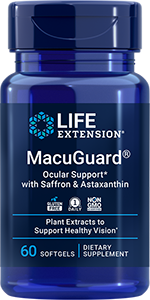
- Supplement to fill nutrient gaps. Even with a healthy diet, it can be tough to get enough of certain nutrients from food alone. Standardized extracts and higher-potency forms of key compounds like saffron, maqui berry, lutein, or astaxanthin have been clinically studied and can help fill nutritional gaps and deliver consistent support for your vision.
- Combine nutrients strategically. Think of your eye nutrients as a team, not solo players. Combining carotenoids, antioxidants, and healthy fats helps create a more complete defense system for your eyes. These nutrients protect delicate retinal cells, support moisture balance, and help your vision stay sharp over time.
Can supplements really support healthy vision?
Supplements aren't a quick fix or a replacement for a healthy diet, but studies show that certain nutrients can help support and maintain healthy vision. Ingredients like lutein, zeaxanthin, saffron, zinc, and omega-3s have been linked to improved visual performance, eye comfort, and protection against oxidative stress. Consistency matters most—regular intake helps nourish your eyes and supports their function over time.
What foods are highest in eye-protecting nutrients?

- Carrots and orange foods like sweet potatoes provide beta-carotene for vitamin A.
- Leafy greens like spinach and kale supply lutein and zeaxanthin to protect the retina.
- Citrus fruits and red bell peppers give you vitamin C.
- Nuts and seeds provide vitamin E.
- Fatty fish like salmon deliver omega-3s.
- Oysters and lean meats provide zinc to support overall eye health.
What's the best supplement for overall eye support?
For all-around eye protection, look for a blend of clinically studied nutrients like lutein, meso-zeaxanthin, and zeaxanthin to help protect your eyes from blue and ultraviolet light. Include saffron to help support visual acuity. These eye health nutrients support visual sharpness and overall eye comfort.
Eye health is important, and food and supplements can be powerful allies in protecting your vision. Small daily choices, like eating more colorful fruits and vegetables or taking a research-backed supplement, can make a big difference over time.
Give your eyes the support they deserve. Our health needs quiz is a quick and easy way to get a personalized recommendation on the best nutrients and formulas for your unique vision goals.
Key Takeaways
- Prioritize foods like colorful produce, leafy greens, fish, nuts, and citrus to get vitamins and minerals for the eyes.
- Eye health supplements can provide higher amounts of clinically studied nutrients than you are likely to get through diet alone.
- Combine antioxidants, carotenoids, and healthy fats for comprehensive eye defense.

References
- Cao X, et al. "Exploring causal relationships between circulating micronutrients and age-related eye diseases: a Mendelian randomization study." Genes Nutr. March 2025. https://pmc.ncbi.nlm.nih.gov/articles/PMC11951792/
- Chan HN, et al. "Vitamin D and Ocular Diseases: A Systematic Review." Int J Mol Sci. April 2022. https://pubmed.ncbi.nlm.nih.gov/35457041/
- Choo PP, et al. "Review of Evidence for the Usage of Antioxidants for Eye Aging." Biomed Res Int. October 2022. https://pubmed.ncbi.nlm.nih.gov/36225983/
- Edwards G, et al. "Molecular Mechanisms Underlying the Therapeutic Role of Vitamin E in Age-Related Macular Degeneration." Front Neurosci. May 2022. https://pubmed.ncbi.nlm.nih.gov/35600628/
- Falsini B, et al. "Influence of saffron supplementation on retinal flicker sensitivity in early age-related macular degeneration." Invest Ophthalmol Vis Sci. December 2010. https://pubmed.ncbi.nlm.nih.gov/20688744/
- Gilbert R, et al. "Zinc Nutrition and Inflammation in the Aging Retina." Mol Nutr Food Res. August 2019. https://pubmed.ncbi.nlm.nih.gov/31148351/
- Gorimanipalli B, et al. "Vitamin D and eye: Current evidence and practice guidelines." Indian J Ophthalmol. April 2023. https://pubmed.ncbi.nlm.nih.gov/37026244/
- Hitoe S, et al. "MaquiBright™ standardized maqui berry extract significantly increases tear fluid production and ameliorates dry eye-related symptoms in a clinical pilot trial." Panminerva Med. September 2014. https://pubmed.ncbi.nlm.nih.gov/25208615/
- Jiang H, et al. "Dietary omega-3 polyunsaturated fatty acids and fish intake and risk of age-related macular degeneration." Clin Nutr. December 2021. https://pubmed.ncbi.nlm.nih.gov/34749130/
- Johra FT, et al. "A Mechanistic Review of β-Carotene, Lutein, and Zeaxanthin in Eye Health and Disease." Antioxidants (Basel). October 2020. https://pubmed.ncbi.nlm.nih.gov/33114699/
- Latib F, et al. "The use of vitamin E in ocular health: Bridging omics approaches with Tocopherol and Tocotrienol in the management of glaucoma." Food Chem (Oxf). September 2024. https://pubmed.ncbi.nlm.nih.gov/39415777/
- Marangoni D, et al. "Functional effect of Saffron supplementation and risk genotypes in early age-related macular degeneration: a preliminary report." Journal of Translational Medicine. September 2013. https://link.springer.com/article/10.1186/1479-5876-11-228
- McKay BS, et al. "Zinc in eye health, retinal biology and disease." Prog Retin Eye Res. November 2025. https://pubmed.ncbi.nlm.nih.gov/40976557/
- Mrowicka M, et al. "Lutein and Zeaxanthin and Their Roles in Age-Related Macular Degeneration-Neurodegenerative Disease." Nutrients. February 2022. https://pubmed.ncbi.nlm.nih.gov/35215476/
- Murkey SP, et al. "Unveiling the Spectrum of Ophthalmic Manifestations in Nutritional Deficiencies: A Comprehensive Review." Cureus. December 2023. https://pubmed.ncbi.nlm.nih.gov/38205491/
- Piccardi M, et al. "A longitudinal follow-up study of saffron supplementation in early age-related macular degeneration: sustained benefits to central retinal function." Evid Based Complement Alternat Med. 2012. https://pubmed.ncbi.nlm.nih.gov/22852021/
- Wang SY, et al. "Glaucoma and vitamins A, C, and E supplement intake and serum levels in a population-based sample of the United States." Eye (Lond). April 2013. https://pubmed.ncbi.nlm.nih.gov/23429409/
- Xue CC, et al. "Omega-3 Fatty Acids as Protective Factors for Age-Related Macular Degeneration: Prospective Cohort and Mendelian Randomization Analyses." Ophthalmology. May 2025. https://pubmed.ncbi.nlm.nih.gov/39662686/
- Dietary Guidelines for Americans, 2020-2025. https://www.dietaryguidelines.gov/
- "Omega-3 Fatty Acids." National Institutes of Health. August 2025. https://ods.od.nih.gov/factsheets/Omega3FattyAcids-HealthProfessional/
- "Vitamin A and Carotenoids." National Institutes of Health. March 2025. https://ods.od.nih.gov/factsheets/VitaminA-HealthProfessional/
- "Vitamin C." National Institutes of Health. July 2025. https://ods.od.nih.gov/factsheets/VitaminC-HealthProfessional/

Always be in the know!
Access the latest deals, wellness news, expert health tips & more!
Eye Health Favorite