What Are the Benefits of Bee Propolis?
Published: December 2025
At a Glance
- Propolis is a natural substance that bees make from protective plant resins.
- Clinical research shows that bee propolis has immune and respiratory benefits for humans.
- The quality of the propolis varies based on the bees' location, but standardized propolis supplements offer consistency.
Bee propolis has gained attention in the wellness world for its immune-supporting properties. However, this natural bee-made compound is nothing new—people have used propolis for centuries to promote health and comfort.
Modern research is helping to uncover what makes this ingredient so beneficial, leading to standardized propolis supplements that allow humans to reliably reap its immune and respiratory benefits.
Here is everything you need to know about bee propolis and how you can use it to support your immune health this season.
What is bee propolis?

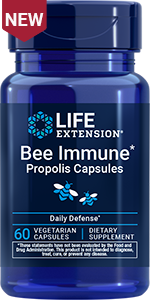
Propolis is made by honeybees from plant resins, the sticky, protective substances that plants produce to defend themselves. Bees harvest these resinous materials, process them in the hive, and use the resulting propolis to protect their hives by sealing cracks to keep invaders out. Thanks to the natural properties of propolis, it helps the bees keep a clean environment in the hive. And research suggests it offers similar protective effects to humans.
This substance has been used traditionally for thousands of years by collecting hardened propolis from hives. There's one catch: propolis composition can vary based on several factors, including where the bees are geographically and what plants are nearby.
Here's where propolis immune health supplements can offer an edge. Collected and then purified from hives, a standardized extract can be manufactured into a propolis supplement. This process allows for precise control of the active compounds responsible for bee propolis benefits.
3 science-backed benefits of bee propolis
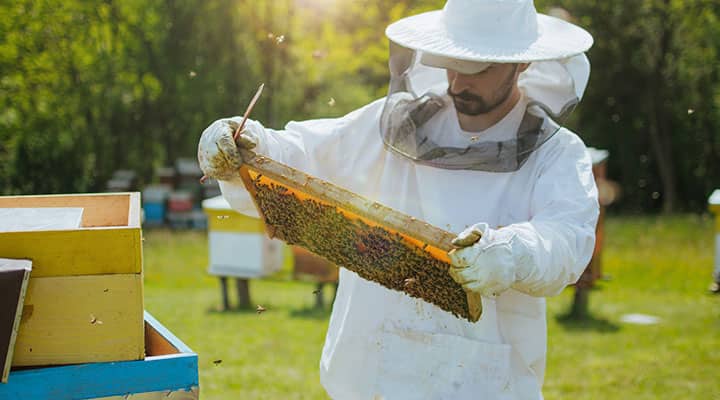
Not all propolis supplements are the same, though. A propolis standardized to contain 12% polyphenols helps ensure a consistent concentration of active compounds at clinically studied levels to support respiratory and immune health. A double-blind, randomized, placebo-controlled study of 295 adults over a 12-week period during the autumn to spring months found the following:
Supports a healthy immune response in the respiratory system.
In the study, participants who took a standardized bee propolis experienced a 31% lower likelihood of respiratory discomfort compared with those taking a placebo.Helps with the frequency of seasonal respiratory immune challenges.
Those who took a standardized propolis had 29% fewer respiratory immune challenges than participants in the placebo group.Helps with the duration of respiratory challenges.
The propolis in the study helped reduce the duration of respiratory immune challenges by 34% compared with placebo.
How to take bee propolis: Forms, dosage & tips

When adding bee propolis to your supplement routine, consistency and quality matter. Here are some tips to get the most benefit.
Find a standardized propolis.
Look for a propolis supplement that's standardized to ensure consistent levels of active compounds, as seen in clinical studies. This helps guarantee reliable results from dose to dose.
Follow label instructions.
Always use propolis as directed on the label since concentrations and formulations can vary between brands.Select your preferred form.
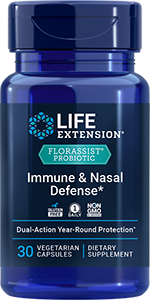
Propolis comes in several forms, including capsules and throat sprays, and they vary in dosage. Capsules that contain 200 mg of Promunel® bee propolis extract should be taken as directed, twice daily, to match clinical levels.
Promunel® is a trademark of Fytexia SAS.

Explore Our Best Immune Support Supplements
Bee Product Benefits
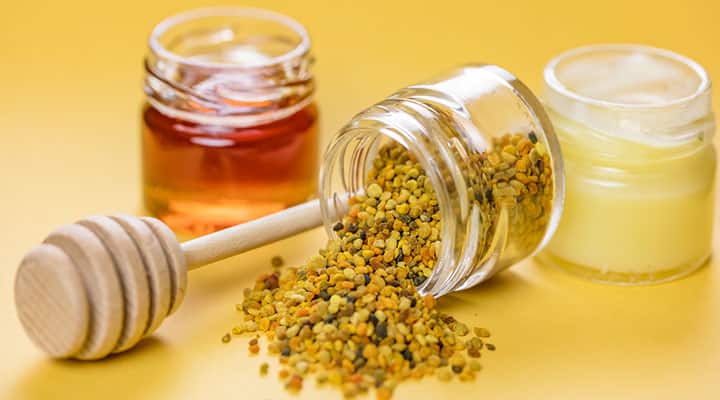
Just as propolis can vary depending on the hive, other bee products, like honey, pollen and royal jelly, can also differ greatly in composition and effects. If you are looking to use a bee product for the health benefits, it's best to choose one that has been scientifically studied and one that is standardized to ensure consistent results.
For example, medical-grade honey used and studied for its protective effects is not the same as the honey you find in the aisles of the grocery store.
It is also important to note that no one should attempt to sting themselves with bees. When these regimens are used, they are done under the supervision of a medical professional.
| Bee Product | What Is It? | Human Uses |
|---|---|---|
| Propolis |
|
Immune health, especially respiratory immune health |
| Honey |
|
Natural sweetener, studied for protective effects |
| Royal Jelly |
|
Studied for protective effects |
| Bee Venom (Apitoxin) |
|
Studied for help with joint comfort |
| Beeswax |
|
Used in cosmetics, candles, and other consumer products |
| Bee Pollen |
|
Studied for protective effects and for support against local immune challenges, like pollen |
Who should take a bee propolis supplement?

Anyone looking for immune health support, especially their respiratory immune health, may benefit from the effects of a standardized propolis supplement.
Note: Those who are sensitive to bees or bee products should avoid propolis since it may trigger an allergic reaction.
Can I take bee propolis with other immune supplements?
Bee propolis is considered safe and well-tolerated for most people and can generally be taken alongside other immune supplements. However, those with bee or bee byproduct allergies should avoid it. When starting any new supplement, it is best to consult with your healthcare provider first.
How do bees use propolis?
Bees use propolis as a building material to seal cracks and gaps in the hive. Its naturally protective properties help keep the hive clean and protect it from potential invaders such as pathogens and pests.
Is bee propolis the same as bee pollen or honey?
Bee propolis, bee pollen and honey have different chemical makeups and are used by bees for different purposes. Honey, a carbohydrate, serves as the primary food source for bees, while bee pollen is used as a protein source, and propolis functions as the hive's natural defense and sealant.
There are many ways to support your immune and respiratory health. Our health needs quiz can get you started with a personalized nutrient recommendation tailored to your lifestyle.
Key Takeaways
- Propolis differs from other bee products like honey or pollen in composition and use.
- Standardized bee propolis capsules and throat sprays support immune and respiratory health.
- Clinical research shows standardized propolis may help reduce the frequency and duration of respiratory discomfort.


References
- Balasubramaniam AK, et al. "Propolis: A comprehensive review on the nature's polyphenolic wonder." Fitoterapia. June 2025. https://pubmed.ncbi.nlm.nih.gov/40204045/
- Grinn-Gofroń A, et al. "Antimicrobial Potential of Bee-Derived Products: Insights into Honey, Propolis and Bee Venom." Pathogens. August 2025. https://pubmed.ncbi.nlm.nih.gov/40872290/
- Martinotti S, et al. "Propolis: A Natural Substance with Multifaceted Properties and Activities." Int J Mol Sci. February 2025. https://pmc.ncbi.nlm.nih.gov/articles/PMC11855500/
- Zullkiflee N, et al. "Propolis: Its Role and Efficacy in Human Health and Diseases." Molecules. September 2022. https://pubmed.ncbi.nlm.nih.gov/36144852/
- "Promunel®." Fytexia. https://www.fytexia.com/en/health-areas/immune-health/immune-respiratory-health-promunel/
- "Medical-grade honey is viable tool in wound care." UCLA Health. August 2021. https://www.uclahealth.org/news/article/medical-grade-honey-is-viable-tool-in-wound-care

Always be in the know!
Access the latest deals, wellness news, expert health tips & more!
Seasonal Support Favorite