How to Take Creatine Correctly: Dosage, Timing and Tips for Beginners
Published: July 2025
You're walking into the gym with an energy drink in one hand and a cup of creatine powder in the other. You have everything you need to crush your workout…or so you thought. But after scrolling on social media, you're starting to second guess everything you thought you knew.
You might start asking yourself, is it okay to take creatine with caffeine? (It depends.) Or are you even taking enough creatine to get the benefits? (Are you taking 5 grams of creatine monohydrate? Then you're taking enough!)
Because creatine—specifically creatine monohydrate—is so well-studied, there's a lot of information to take in and process. We sifted through all the current research to find the best answers to all the most common questions about creatine supplementation, timing, dosing, pairing and more.
What is creatine and how does it work?
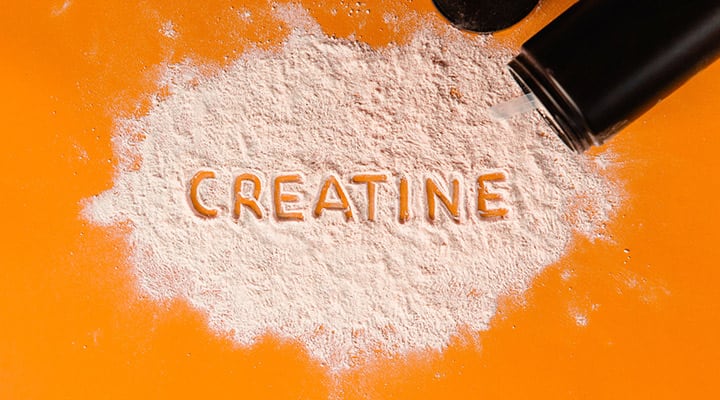
Creatine is a natural compound that we produce from the amino acids glycine and arginine, with help from another amino acid product known as S-adenosylmethionine. In the body, creatine is primarily found in muscle cells and the brain.
While there's evidence that creatine supplements offer benefits beyond athletic performance, you're most likely to hear the name being tossed around the gym more than anywhere else.
In terms of fitness, it's important to note that creatine does not directly lead to muscle gains in the same way as testosterone or other growth hormones. Testosterone is able to enter muscle cells and increase the expression of muscle-specific genes.
Creatine, on the other hand, is used to create cellular energy known as adenosine triphosphate (ATP). By increasing ATP, creatine helps your muscles generate more power and at higher volumes. Put another way: creatine helps your muscles train harder during a workout and recover faster, which leads to those coveted lean muscle gains and overall better athletic performance.
What type of creatine should I take?
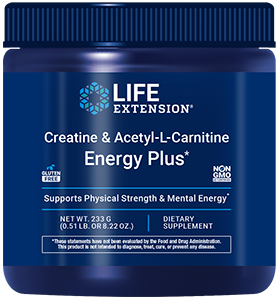
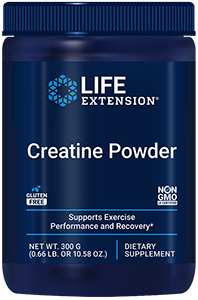
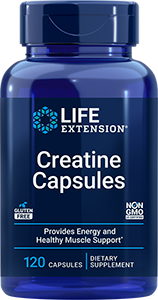
The form of creatine most commonly used by athletes (and most widely studied for its benefits) is creatine monohydrate. It's also conveniently found in creatine capsules or powder. Rest assured, the unflavored powder easily mixes into liquids without altering the taste at all.How much creatine should you take daily?
Your goal is for the creatine in the supplements to saturate your muscles, which takes some time; you don't just take a dose and immediately get the benefits. There are two methods people use to go about saturating the muscles with creatine: the lower daily dose method, which takes a little longer to be effective, and the large-dose loading method, which is faster but has other drawbacks. Let's review each method:
- Low-dose daily method—A growing body of research has shown that lower daily doses of creatine are more effective at increasing intramuscular creatine stores, muscle accretion and muscle performance along with recovery. The lower daily dose is the same as the maintenance dose (3 to 5 grams per day). It's important to note, however, that in order to effectively saturate your muscles at the lower dose, you must be consistent with your supplementing for several weeks.
- Large-dose loading method—A creatine loading phase involves taking a large dose of creatine for a set period of time and then cutting back to a maintenance dose. You can load creatine by taking 20 to 25 grams of creatine per day for five to seven days.
The large-dose loading method is popular, but it does have a few drawbacks, including gastrointestinal discomfort and creatine weight gain related to increased water retention. While the increase is minimal, the extra weight may inhibit range of motion and exercise performance.
While some research suggests a loading phase can be helpful, other studies suggest that consistent low-dose creatine may be as effective in the long term at supporting healthy levels as a loading phase, with one study finding similar tissue concentrations of creatine after 28 days of supplementing with 3 grams of creatine daily. The gentler alternative—and the method we recommend—is the low-dose daily method.
Pro tip: As you would with any supplement, you should always take it as directed in the dose that is recommended on the label.
When should you take creatine?

Honestly, the jury is still out on the timing of creatine supplementation. Some evidence suggests taking creatine post-workout resulted in greater fat loss and more muscle gains compared to pre-exercise creatine ingestion. However, the studies are limited and can't be applied to all types of exercisers.
The current consensus says consistency is key. While following a weight training program, it is critically important to be consistent with your creatine intake. For some people, that means guzzling a glass of creatine-infused water first thing in the morning. Others may prefer to add a scoop of creatine to their post-workout protein shake. Whenever is most convenient for you is when you should take creatine.Is Creatine Only Good for Athletes?
Despite the fact that creatine is popular among fitness enthusiasts and hardcore athletes alike, almost anyone can reap the benefits of taking creatine. Why? Because creatine helps support the body’s energy stores. Whether you’re an athlete or not, this supplement can give anyone a little boost in their energy and physical performance.
Can you take creatine with coffee, juice or protein?

You know better than to mix grains and grapes when you're drinking at the bar. But what are the rules for mixing drinks at the gym? While there aren't many hard-and-fast rules, it's worth reviewing some common creatine combinations.
- Coffee/caffeine—Some research has shown caffeine and creatine have a synergistic relationship. Creatine transporters rely on extracellular sodium levels to help shuttle creatine to muscle cells. Caffeine helps stimulate the sodium gradient, which means caffeine may facilitate creatine uptake in muscle cells. However, there is also evidence suggesting caffeine taken with creatine may cause GI discomfort. Weigh the pros and cons for yourself before you decide if this is a winning combo for you.
- Juice—While creatine monohydrate is usually very stable, it is unstable in solution—especially if the solution is extremely hot or acidic. Juice happens to be very acidic. While you can still add creatine to juice, you'll want to drink it right away. Otherwise, the creatine may start to degrade.
- Carbohydrates—Several researchers have discovered that there is a greater creatine uptake and retention when creatine is ingested with carbohydrates. However, there haven't been enough studies to show that combining creatine with carbohydrates leads to improvements in body composition or fitness performance.

Should you take creatine with eggs and toast?
Conflicted about carbs? Consider the timing of your creatine. If you prefer to take creatine before you exercise, go ahead and pair it with some simple carbohydrates for the quick energy you need to perform—and, maybe, you'll get the added benefit of better creatine uptake.
Should you take creatine every day?

Research has shown that taking creatine daily is the most effective means of supplementation. Some people have raised concerns about daily creatine supplementation leading to water retention or putting strain on the kidneys.
However, there is no evidence to suggest that long-term creatine use is harmful to any area of the body. Of course, it's always best practice to consult with your healthcare provider before starting any new supplementation routine. And don't forget to stay up to date on your annual lab testing and physical exam for the best proactive care.Do you need to cycle creatine or take breaks?
Creatine cycling refers to taking creatine for a period of time, stopping completely and restarting. Some sports supplements require cycling, because your body develops a tolerance to them. However, your body does not build up a tolerance to creatine.
As long as you maintain a consistent creatine dose, your muscles will remain consistently saturated. Cycling creatine offers no real benefits. In fact, cycling off creatine means you'll have to go through another saturation period when you start it again.
What are common mistakes to avoid when taking creatine?

Creatine cycling isn't the only misconception around supplementation. There are a few common mistakes people make when they start adding creatine monohydrate powder to their routine. Make sure you don't fall for these traps.
- Underdosing—You cannot effectively saturate your muscles with creatine if your dose is below the recommended amount. Be sure to follow the suggested serving size on your supplement label.
- Poor timing—No supplement is beneficial if you're taking it erratically or just on days you remember. The research says creatine is most effective when taken consistently. Set reminders on your phone or put your supplement next to your workout outfit if it helps.
- Lack of hydration—Creatine draws water into muscle cells, which means your fluid requirements may increase when taking creatine. Most healthy adults need about 30 to 35 milliliters of fluid per kilogram of body weight per day. That means someone weighing about 155 pounds needs 2,100–2,450 mL of fluid per day, which is about 72 to 82 fluid ounces per day.
- Expecting results overnight—It can take weeks to saturate muscles and notice changes in your muscle health, energy or exercise performance. Remain patient with the process. If you're following the tips in this guide, you'll get the full benefits of your creatine supplement!


References
- Antonio J, et al. "Common questions and misconceptions about creatine supplementation: what does the scientific evidence really show?" J Int Soc Sports Nutr. February 2021. https://pmc.ncbi.nlm.nih.gov/articles/PMC7871530/
- Antonio J, et al. "Part II. Common questions and misconceptions about creatine supplementation: what does the scientific evidence really show?" J Int Soc Sports Nutr. December 2024. https://pmc.ncbi.nlm.nih.gov/articles/PMC11703406/
- Gutiérrez-Hellín J, et al. "Creatine Supplementation Beyond Athletics: Benefits of Different Types of Creatine for Women, Vegans, and Clinical Populations-A Narrative Review." Nutrients. December 2024. https://pubmed.ncbi.nlm.nih.gov/39796530/
- Hultman E, et al. "Muscle creatine loading in men." J Appl Physiol (1985). July 1996. https://pubmed.ncbi.nlm.nih.gov/8828669/
- Naderi A, et al. "Timing, optimal dose and intake duration of dietary supplements with evidence-based use in sports nutrition." J Exerc Nutrition Biochem. December 2016. https://pmc.ncbi.nlm.nih.gov/articles/PMC5545206
- Ribeiro F, et al. "Timing of Creatine Supplementation around Exercise: A Real Concern?" Nutrients. August 2021. https://pubmed.ncbi.nlm.nih.gov/34445003/

Always be in the know!
Access the latest deals, wellness news, expert health tips & more!
Immune Support Favorite