Fibermaxxing vs. Proteinmaxxing: Which Diet Trend Actually Works?
Published: February 2026
At a Glance
- Fibermaxxing and proteinmaxxing are trending in the health and wellness space.
- Both can aid with satiety and weight management in different ways.
- Fibermaxxing focuses on gut health, while proteinmaxxing supports muscle strength and metabolism.
It happens every few months: a new trend takes over social media feeds, restaurant menus, and grocery stores. Sometimes it's a new food, like Dubai chocolate, a viral recipe such as baked feta pasta, or a grocery item flying off shelves, like cottage cheese.
The latest craze? "Maxxing" out on healthy nutrients. The terms "fibermaxxing" and "proteinmaxxing" refer to maximizing your intake of fiber and protein to meet or exceed the recommended guidelines.
Like all trends, you'll want to take this one with a grain of salt, not to mention research into the pros and cons of integrating it into your lifestyle.
Below, we break down what fibermaxxing and proteinmaxxing really are, explain their key differences, and explore whether these trends are worth incorporating into your diet.
What is fibermaxxing?
Fibermaxxing is a social media movement encouraging people to eat more fiber through high-fiber foods and fiber supplements. Often promoted as the "gut reset" method on TikTok, the goal is to meet or exceed the daily recommended amount of fiber.
Before we dismiss this approach as a fad, let's consider that fewer than 10% of Americans meet the recommended fiber intake. This is unfortunate because fiber plays a variety of roles in supporting overall health. Because fiber is not fully digested by the body, it helps slow down digestion, helping you feel full for longer. This can reduce excessive snacking or overeating at meals, and support weight management.
High fiber eating also helps maintain already-healthy blood sugar. If you experience occasional constipation, fibermaxxing can help support gut health and regular digestion, and encourage regularity.
Research has also linked a high fiber intake to a healthy inflammatory response and to supporting heart health by supporting healthy cholesterol and promoting already-healthy blood pressure.
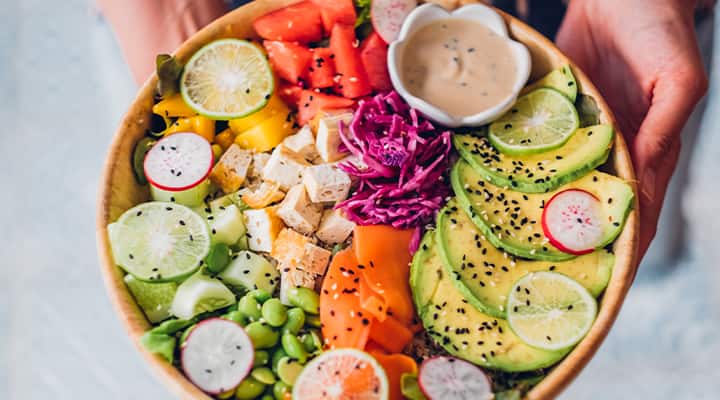
Registered dietitians and other experts recommend getting fiber from fruits, vegetables, whole grains, beans, lentils, nuts, and seeds.
Pro tip: drink plenty of water to prevent digestive discomfort.
"While most healthy, active individuals can benefit from the higher end of the reference range(s) for protein and fiber in supporting optimal health, this doesn't mean you should exceed these ranges. There are reasons for upper limits."
What is proteinmaxxing?
Proteinmaxxing is another dietary trend that has been gaining attention in recent years. While it may feel like everyone around is suddenly focused on protein as their key nutrient, the concept isn't new. The high protein focus has long been part of popular diets such as the Atkins diet, and is common among active individuals, especially weightlifters aiming to gain muscle.
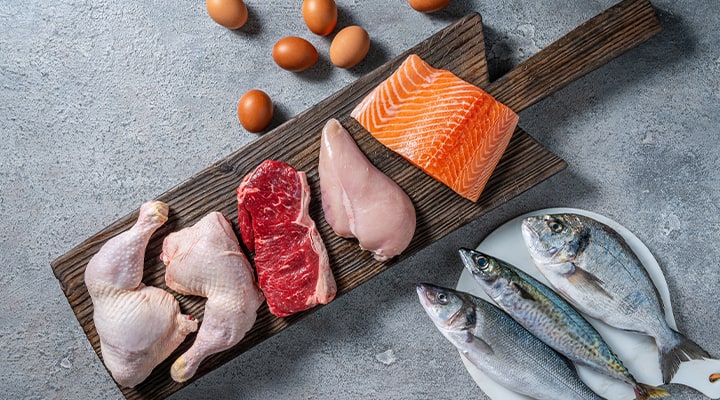
Proteinmaxxing involves consuming high-protein foods at meal and snack times to increase feelings of fullness, support muscle health, and promote overall wellness. Just like fibermaxxing, it has many benefits.
Beyond supporting muscle repair and growth, protein is the building block of all cells in the body, playing a role in the creation of cells, enzymes, and hormones. Protein also supports immune function, bone health, and maintenance of healthy skin, hair and nails.
Another (big) perk: Eating high-protein foods requires more energy to break it down and absorb, meaning your body burns more calories during digestion, supporting metabolism. Because protein is digested slowly, it also promotes feelings of fullness and satiety for longer. Adding protein into meals and snacks can also help slow down the rate of absorption of carb-rich foods and helps maintain blood sugar health, as protein has minimal impact on blood sugar levels.
Finally, protein is essential for maintaining muscle mass. As we age, muscle mass naturally declines, but proteinmaxxing can help preserve muscle mass. The more muscles you have, the more calories your body burns even at rest, which can support a healthy weight over time.
Protein is an essential macronutrient that must be obtained through diet. It is found in a variety of foods including meat like beef, turkey, pork; seafood and fish; dairy products like milk, yogurt, cheese; soy-based foods like tofu and edamame; and plant-based sources like beans, lentils, nuts, and seeds.
What are the key differences between fibermaxxing and proteinmaxxing?

Fibermaxxing and proteinmaxxing focus on different aspects of health. Fibermaxxing addresses the public health concern that most people don't get enough fiber daily—which is essential for supporting digestion, blood sugar, and overall gut health.
Proteinmaxxing, on the other hand, emphasizes a nutrient that most people generally get enough of without any special efforts. But both trends may be good options for those seeking to lose or maintain their weight, because high-protein and high-fiber foods tend to be satiating.
Below is a comparison highlighting the key differences between these two trends:

Explore Our Best Digestive Health Supplements
| Factor | Fibermaxxing | Proteinmaxxing |
|---|---|---|
| Foods to Eat |
|
|
| Supplements | Fiber supplements (powders, capsules) | Protein powders, shakes and bars |
| Benefits |
|
|
| Risks of Exceeding Recommended Intake |
|
|
| Best For |
|
|
What's the recommended daily amount of fiber and protein?
Most nutrition guidelines recommend 14 grams of fiber for every 1,000 calories consumed, which generally equates to about 25-38 grams of fiber per day for most adults. Women and men have slightly different fiber guidelines, with men requiring the higher end of the fiber range.
For protein, most health experts recommend a minimum of 1.0-1.2 grams of protein per kilogram of body weight per day. The Dietary Guidelines for Americans (2025-2030) were recently updated to reflect this, with the official recommended range now being 1.2–1.6 grams per kilogram of body weight.
So when it comes to "maxxing" is the sky the limit? No, according to registered dietitian Holli Ryan. "While most healthy, active individuals can benefit from the higher end of the reference range(s) for protein and fiber in supporting optimal health, this doesn't mean you should exceed these ranges," she said. "There are reasons for upper limits."
Which trend has more long-term health benefits?

Optimizing your fiber and protein isn't just a trend; getting the recommended amounts of both nutrients plays a key role in overall health and wellness. While there's no clear "winner" between the two in terms of long-term benefits, fiber tends to be the one that more people are lacking comparatively, so if you had to choose one, that's probably a better starting point. However, incorporating optimal amounts of fiber and protein into your diet will provide the greatest overall benefits.
For example, older adults naturally lose muscle mass with age, and a high-protein diet can help maintain muscle mass. On the other hand, if that person is struggling with occasional constipation, they could also benefit from fibermaxxing, which supports healthy digestion and regularity.
Ultimately, a balanced diet that includes both adequate fiber and protein is important for long-term health. Just like almost anything else, too much or too little is usually not a good thing. When it comes to nutrition, balance is key. Get the amount of fiber and protein that is right for your individual needs.
How can you balance fiber and protein in your diet?
The best approach is a food-first strategy: aim to eat a majority of your nutrients from whole foods such as fruits, vegetables, whole grains, and lean proteins.
However, busy schedules, family, work commitments, social obligations, travel, and dietary restrictions can make it challenging to consistently meet both daily fiber and protein goals.
In these cases, supplements such as fiber powder, whey protein isolate, or plant-based protein powder offer convenient ways to support your daily protein and fiber goals, whether you're focused on fibermaxxing, proteinmaxxing, or both. Both come in powder form, making it easy to stir into meals or snacks or blend or stir into drinks.
Can you combine fibermaxxing and proteinmaxxing?
Yes, you can combine fibermaxxing and proteinmaxxing together, as both focus on two different aspects. Combining both diet trends will actually encourage a well-balanced eating plan.What are the signs I need more fiber?
Signs you may need more fiber include: occasional constipation, occasional bloating, feeling hungry soon after eating, energy swings, or weight gain.
Do fiber or protein supplements work better for weight management?
Both fiber and protein supplements can help support weight management as they both aid in satiety, keeping you feeling full for longer and naturally helping to lower caloric intake. A combination of both can support weight management.
At a Glance
- Both fiber and protein can support satiety and a healthy weight.
- Most adults fall short on meeting daily fiber goals, while most meet protein needs.
- For long-term health, include both fiber and protein in your diet through whole foods and use supplements to fill in gaps.
References:
- Barber TM, et al. "The Health Benefits of Dietary Fibre." Nutrients. October 2020. https://www.mdpi.com/2072-6643/12/10/3209
- Carbone JW, et al. "Exploring Opportunities to Better Characterize the Effects of Dietary Protein on Health across the Lifespan." Adv Nutr. January 2025. https://pubmed.ncbi.nlm.nih.gov/39608572/
- Cooper GM. "The Molecular Composition of Cells." The Cell: A Molecular Approach. 2nd edition. Sinauer Associates. 2000. https://www.ncbi.nlm.nih.gov/books/NBK9879/
- Kabisch S, et al. "Impact of Dietary Fiber on Inflammation in Humans." Int J Mol Sci. February 2025. https://pubmed.ncbi.nlm.nih.gov/40076626/
- Kanaan, MF, et al. "The effects of high protein intakes during energy restriction on body composition, energy metabolism and physical performance in recreational athletes." Eur J Clin Nutr. 2025. https://www.nature.com/articles/s41430-025-01585-2
- Zhang L, et al. "The Impact of Dietary Fiber on Cardiovascular Diseases: A Scoping Review." Nutrients. January 2025. https://pmc.ncbi.nlm.nih.gov/articles/PMC11819994/
- "Dietary Fiber." Eatright.org: Academy of Nutrition and Dietetics. November 2020. https://www.eatright.org/health/essential-nutrients/carbohydrates/fiber



Always be in the know!
Access the latest deals, wellness news, expert health tips & more!
Digestive Health Favorite