13 Best Botanical Supplements for Immune Support
Published: January 2026
At a Glance
- Botanical supplements are made from the parts of plants, such as the leaves, roots and barks.
- Echinacea, elderberry, garlic and green tea are among the botanical supplements known for potential immune support benefits.
- Used for generations in Ayurvedic and indigenous traditions, botanicals also have been studied by modern science.
Immune health is not supported by a single nutrient or supplement. It's shaped by daily habits like a balanced diet, regular physical activity, quality sleep and stress management.
But you can give your immune system a leg up with science-based botanicals and herbs for immune support. Well-researched botanicals, common in traditional systems such as Ayurvedic and indigenous practices, can be a valuable addition to a comprehensive immune system routine by supporting the body's natural defenses.
Here's what the science says about botanicals like echinacea, elderberry, garlic and green tea and how they promote immune system health.
What are botanical supplements, and how do they support immune health?

Botanical supplements are products derived from plants, such as leaves, roots, fruits and bark, that are used to support overall health, including your immune system. They are often used alongside immune-supporting ingredients like zinc and vitamin C.
Botanicals are often referred to interchangeably with herbs, but these words mean different things. Herbs are non-woody plants and the leafy parts of plants. Think of it as a Venn diagram: while all herbs are botanicals, botanicals is an umbrella term that includes plants which are not herbs. What about fungi like mushrooms? They are often lumped into the category of botanicals, but that is not technically correct. However, certain mushrooms do support the immune system; more on that in a bit!
Botanicals and herbs provide bioactive compounds, like vitamins, minerals and polyphenols, which can benefit immune and overall health in the following ways:
- Help modulate and support immune cell function
- Promote healthy inflammatory responses
- Provide antioxidant protection
- Encourage healthy gut flora
But just because it's a flower or herb doesn't mean it's actually going to support immune system health. It is important to find those that are backed by research. The following supplements fit that bill, and have all been used in traditional practices as well.
Top 13 botanical immune support supplements
Want to shore up your natural defenses? The following botanical supplements are worth a look—and possibly a spot in your stay-well arsenal!
1. Black elderberry
Black elderberry is one of the most well-researched botanicals for seasonal immune support. Standardized elderberry extracts have been shown to help lessen the duration and severity of immune challenges. Elderberry extract is also rich in anthocyanins, which are antioxidants that help protect cells from oxidative stress.
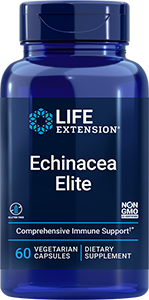
2. Echinacea
Echinacea is commonly used to promote a robust immune system response, thanks to its bioactive compounds, and it may help reduce the duration and severity of immune challenges.
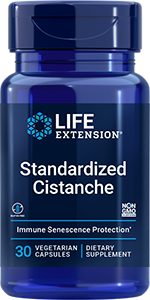
3. Cistanche
Cistanche is a botanical often highlighted for its ability to support healthy immune cell function and promote natural killer (NK) cell activity, an important part of the innate immune system that helps the body respond quickly to immune challenges.
4. Garlic
Garlic's immune benefits are largely attributed to the bioactive compound allicin, which has been studied for its antioxidant and immune-supporting properties.
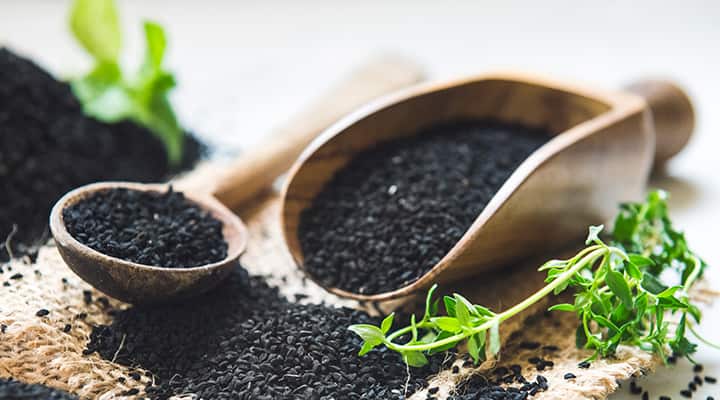
5. Black cumin seed
Black cumin seed oil is known for helping to support a healthy inflammatory response and immune health.
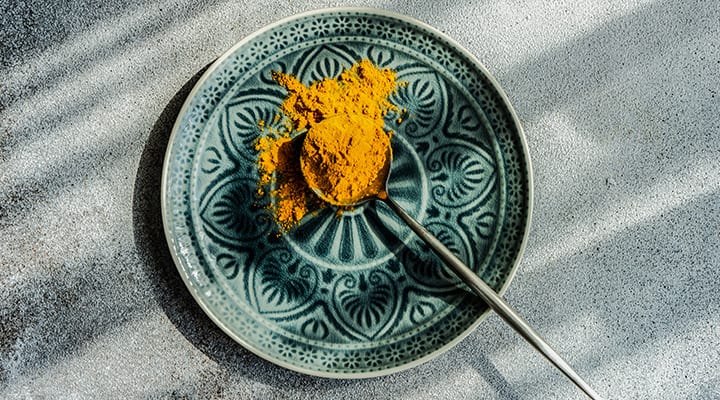
6. Turmeric
Turmeric, particularly its bioactive compound curcumin, is widely recognized for supporting a healthy inflammatory response and immune function.
7. Reishi
The adaptogen reishi is a mushroom rather than a botanical, but it is frequently included in this category and is known for its immune system benefits.
8. Chaga
Chaga is another mushroom often grouped with botanicals. While it is not technically a plant, it is traditionally used for immune support.
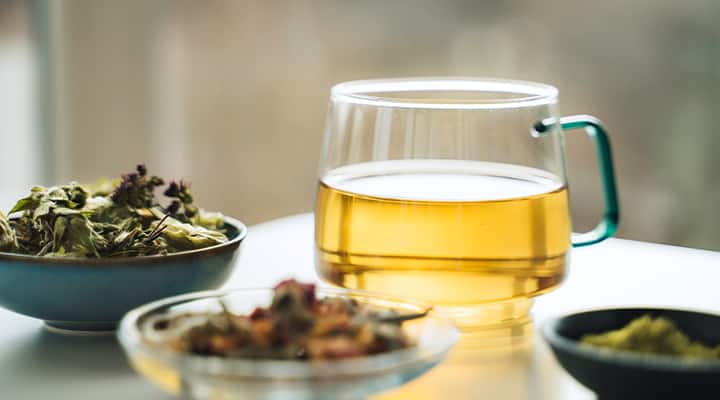
9. Yeast fermentate.
Also not technically a botanical, yeast fermentates, or fermented yeast products, have been studied for immune system support. These fungi promote a healthy seasonal immune response and support the production of immune compounds that aid your body's natural defenses, such as secretory IgA, which encourages NK cell function.
10. White peony
White peony is traditionally used to support healthy immune balance.
11. Green tea
Green tea supports a healthy immune system largely through its catechin content, particularly epigallocatechin gallate (EGCG).
12. Bee propolis
Propolis is a bee byproduct rather than a botanical, but much of its immune system support comes from plant polyphenols collected by bees. Standardized propolis extracts have been studied for their ability to help reduce the risk of seasonal immune challenges and shorten their duration.
13. Astragalus
Astragalus is a flowering plant that has been used for centuries in traditional Chinese practice to promote a healthy immune response.
| Supplement | Key Immune Effects | Best Time to Use |
|---|---|---|
Black elderberry (Sambucus nigra) |
Supports seasonal immune health by reducing the duration and severity of immune challenges |
Seasonally during colder months or when immune challenge is expected |
Echinacea (purpurea or angustifolia) |
Supports a strong immune system and may help reduce the duration and severity of immune challenges |
At onset of immune challenge, can be taken when immune challenge is expected |
Cistanche (Cistanche deserticola) |
Supports healthy immune cell function and promotes NK cell activity as part of the innate immune system response |
Can be taken for general immune support and/or during periods of immune challenge |
Garlic (Allium sativum) |
Provides immune-modulating and antioxidant support that helps maintain healthy immune system function |
For general immune support, generally recommended to take with meals |
Black cumin seed (Nigella sativa) |
Helps support immune system health and a healthy inflammatory response |
For general immune support |
Turmeric (Curcuma longa) |
Supports immune function by promoting a healthy inflammatory response and antioxidant defenses |
For general immune support |
Reishi mushroom (Ganoderma lucidum) |
Traditionally used to support immune health and overall immune system balance |
For general immune support |
Chaga (Inonotus obliquus) |
Traditionally used to support immune system health and provide antioxidant support |
For general immune support |
Yeast fermentate (EpiCor) |
Supports a healthy seasonal immune response, including NK cell activity and secretory IgA production |
Seasonally during colder months or when immune challenge is expected |
White peony (Peony root, Paeonia lactiflora) |
Traditionally used to support healthy immune balance |
For help maintaining a balanced immune system |
Green tea (Camellia sinensis) |
Supports immune system health through antioxidant activity and immune-supportive polyphenols |
Daily for general immune support; take a decaffeinated extract or if it contains caffeine take in the morning |
Propolis |
Helps support seasonal immune health and may reduce the risk and duration of immune challenges |
Seasonally during colder months or when immune challenge is expected; throat sprays should be used at onset of immune challenge |
Astragalus (Astragalus membranaceus) |
Supports immune response |
For general immune support |

Explore Our Best Immune Support Supplements
How can you maximize the benefits of immune support botanicals?

If you want to support your immune response with targeted nutrition, several habits can help you get the most of them.
- Pair with other nutrients like zinc, selenium and vitamin C. Immune support botanical supplements can be taken alongside key nutrients such as zinc, selenium and vitamin C as complementary ways to support immune health. These nutrients may provide baseline immune support while botanicals offer more targeted benefits.
- Take with meals or fat when needed for absorption. While some supplements are best taken with food or fat to support absorption, others may not be affected by meals. Always follow label directions, especially for standardized herbal extracts. If the label does not specify to take with or without a meal, it likely does not make a difference. This could mean it is a water-soluble nutrient, or it may be a supplement that has been formulated to support absorption and bioavailability.
- Pay attention to timing. Always take supplements as directed on label instructions. While some supplements are designed for short-term use during periods of increased immune demand, such as zinc lozenges or bee propolis throat sprays, others are formulated to be taken consistently over several weeks or months to reduce the risk of immune challenges. When starting a new supplement, whether short- or long-term, it is important to discuss it with your doctor to ensure it's right for you.
Can botanical immune supplements replace multivitamins or zinc?
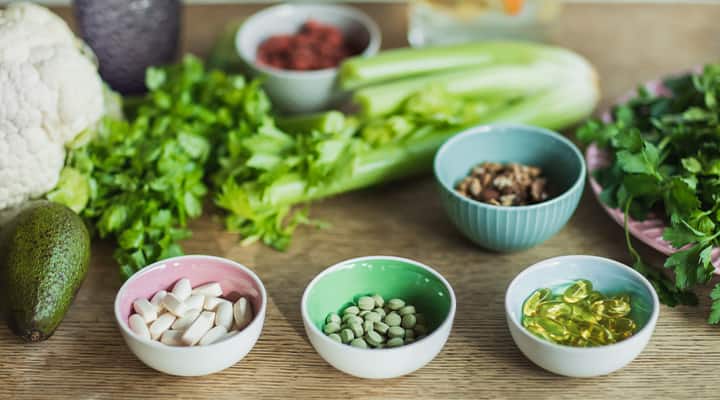
Botanical immune supplements are best taken alongside multivitamins or zinc for more comprehensive immune support, rather than as replacements. Multivitamins serve as foundational "core" supplements that can benefit most people, while zinc is an essential mineral that supports everyday immune function.
Are botanicals safe for daily use?
Generally, most botanical supplements are safe and well-tolerated when used as directed. Some are formulated for daily use, while others are designed for short-term immune boosts. Not everyone should take botanical supplements, however. Check with your doctor to get the "all clear" before starting.
If you're interested in creating a personalized immune supplement routine, it's best to consult a healthcare provider. It is important to choose trusted brands that prioritize high-quality ingredients and follow good manufacturing practices.
What are signs that a botanical supplement is working?

Some botanical supplements may have noticeable effects, while others work more subtly. For example, many people report joint comfort and an overall sense of well-being with regular curcumin use. The effects of other botanical supplements may not be immediately obvious, but if taken consistently as directed, they can help lower your risk of seasonal immune challenges.
Additionally, timing matters. Certain botanicals may help shorten the duration of an immune challenge, but that is when they are taken at the onset.
Pay attention to what you're taking and how your body responds; this can help you assess what works for you.
A number of nutrients can encourage your best immune health. Take our health needs quiz for a personalized recommendation that fits your health concerns.
Key Takeaways
- A number of botanical nutrients have been well-studied for immune support, including black elderberry, echinacea and garlic.
- While not technically botanicals, mushrooms like reishi and chaga provide similar immune benefits.
- Botanical immune supplements work well alongside complementary nutrients like zinc and vitamin C.


References
- Ahmadi F, et al. "Echinacea: Bioactive Compounds and Agronomy." Plants (Basel). April 2024. https://pubmed.ncbi.nlm.nih.gov/38732450/
- El-Saadony MT, et al. "Garlic bioactive substances and their therapeutic applications for improving human health: a comprehensive review." Front Immunol. June 2024. https://pubmed.ncbi.nlm.nih.gov/38915405/
- Gasmi A, et al. "Natural Ingredients to Improve Immunity." Pharmaceuticals (Basel). April 2023. https://pmc.ncbi.nlm.nih.gov/articles/PMC10143734/
- Hannan MA, et al. "Black Cumin (Nigella sativa L.): A Comprehensive Review on Phytochemistry, Health Benefits, Molecular Pharmacology, and Safety." Nutrients. May 2021. https://pubmed.ncbi.nlm.nih.gov/34073784/
- Hawkins J, et al. "Black elderberry (Sambucus nigra) supplementation effectively treats upper respiratory symptoms: A meta-analysis of randomized, controlled clinical trials." Complement Ther Med. February 2019. https://pubmed.ncbi.nlm.nih.gov/30670267/
- Kiselova-Kaneva Y, et al. "Sambucus ebulus (Elderberry) Fruits Modulate Inflammation and Complement System Activity in Humans." Int J Mol Sci. May 2023. https://pubmed.ncbi.nlm.nih.gov/37240060/
- "Astragalus." National Center for Complementary and Integrative Health. May 2025. https://www.nccih.nih.gov/health/astragalus

Always be in the know!
Access the latest deals, wellness news, expert health tips & more!
Joint Health Favorite