Metabolism Supplements: Do They Actually Work?
Published: May 2024 | Updated: December 2025
At a Glance
- Your metabolism impacts your weight and caloric burn, fat burning, energy levels, blood sugar and more.
- Metabolic rate is influenced by many factors within your control, including diet and physical activity.
- Metabolism supplements include ingredients that target specific mechanisms of your metabolism and are not just for weight management.
If you've ever joked that you're the type who could gain weight by just looking at a piece of bread, maybe you've considered metabolism supplements to get a quick boost. But do they work? And if so, how?
Although we tend to associate having a "fast" or "slow" metabolism with how easy (or difficult) it is to manage body weight, metabolic health encompasses much more than that. In fact, your metabolism is constantly running to keep you alive.
Even when you're at rest, your metabolism is involved in several basic body functions, including:
- Digestion
- Breathing
- Blood flow
- Hormone production and regulation
- Body temperature
- Cellular growth and repair
- Reproduction
And those metabolism supplements? They can support different aspects of your metabolism, not exclusively (or necessarily) weight. Let's do a deep dive into how supplements can (and cannot) support metabolic health, plus what you can do to keep yourself operating optimally on all cylinders.
What are metabolism supplements?

Metabolic health supplements are made with specific ingredients that have been studied for their support of a variety of different functions—healthy blood sugar levels, lipid levels within normal limits or calorie expenditure to support healthy weight management among them.
Here's a breakdown of different supplements to consider for metabolic health goals:
| Health Goal | Supplement Type | Key Ingredients | Impact on Metabolism |
|---|---|---|---|
| Fat burning, weight management | Thermogenic or "fat burner" supplements | Capsaicin |
|
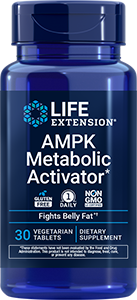
| Fat burning, weight management, energy | AMPK Activator | G. pentaphyllum extract (Gynostemma) |
|
| Energy | B vitamin complex | B Vitamins: Thiamin (B1), riboflavin (B2), niacin (B3) and pantothenic acid (B5) |
|
| Healthy blood sugar levels | Post-meal blood sugar support | Maqui berry extract
Clove extract |
|
How does your metabolism work?
"Metabolism" refers to a series of chemical processes that convert the food you eat into usable energy for your cells. This usable energy is in the form of a chemical called adenosine triphosphate, or ATP. ATP is a molecule that carries energy and releases it when cells need power to perform their jobs.
Metabolic processes fall under two main categories: catabolism and anabolism.
Catabolism
: Catabolic processes include the breakdown of complex molecules into smaller ones. The best example of this is the breakdown of carbohydrates, fats and proteins through digestion.Anabolism
: Anabolic processes occur when complex molecules are built from smaller ones.
At the center of all metabolic processes are enzymes, specialized proteins that act as catalysts to speed up the rate of chemical reactions. Enzymes are not changed by the reactions in which they are involved, which is how they can keep stimulating metabolism, over and over again.
Do I have a fast or a slow metabolism?

The rate at which your metabolism functions is referred to as your basal metabolic rate (BMR) or resting metabolic rate (RMR). (The methods for testing RMR and BMR are slightly different, but these terms are generally interchangeable.) Your BMR is how much energy (calories) your body burns at rest. Any calories burned through exercise or everyday activities, like laundry or gardening, are above and beyond BMR.
However, your metabolic rate is not a completely static number. In fact, your metabolism frequently changes to adapt to various scenarios. For instance, during a period of fasting, your body needs a lot less energy to sustain life than it would otherwise. Pregnancy requires more energy, on the other hand. Other factors that influence your metabolic rate may include:
-
Body temperature
—A low body temperature triggers thermogenesis, which increases metabolic rate. -
Diet
—Diet-induced thermogenesis is the amount of heat released during the digestive process. It is well-known that proteins require more energy (aka a higher metabolic rate) to digest than carbohydrates and fats. -
Physical activity
—Exercise requires additional energy, which means your metabolic rate has to increase to keep up. The opposite is true, as well. Prolonged periods of inactivity signal your metabolism to slow down. -
Body composition
—Fat-free mass is much more metabolically active than body fat. Therefore, losing any amount of lean muscle mass will result in a lower metabolic rate. -
Sleep
—According to a review in the International Journal of Endocrinology, lack of sleep can alter your glucose metabolism as well as hormones involved in regulating metabolism. -
Stress
—Unmanaged stress affects metabolism much the same way as poor or inadequate sleep. -
Suboptimal thyroid function
—Thyroid hormones regulate the metabolism of carbohydrates, fats and proteins. If any of these hormones are challenged, metabolic rate will be impacted. -
Age
—Research has found that resting energy expenditure decreases with age due to reduced lean tissue mass in older adults.

Explore Our Best Weight Management Supplements
What Is Thermogenesis?

When you hear the term "fat burning" lobbed around, it's generally referring to thermogenesis. This is the process of generating heat within the body. When your body is extremely cold, you begin to shiver. Shivering recruits several large muscle groups in the body, which increases energy expenditure and metabolic rate. Similar effects are achieved with non-shivering thermogenesis, which is when the body warms up without shivering.
Non-shivering thermogenesis is stimulated by the sympathetic nervous system and occurs within brown adipose tissue, commonly known as "brown fat."
How can I keep my metabolism healthy?

Your metabolism is a complex system, which means it cannot be controlled by just one thing. So, if you haven't already, adopt good daily habits for a healthy metabolism. Like brushing your teeth, these habits should be automatic and non-negotiable.
-
Follow a healthy diet
: A healthy diet may look slightly different for everyone, depending on your particular health concerns or priorities. Generally speaking, a balanced meal looks like this: - 50% of your plate is fruits and vegetables
- 25% of your plate is complex carbohydrates
- 25% of your plate is high-quality protein
Add stimulating foods
: Certain foods can support different metabolic functions. Those include:- Peppers—Capsaicinoids, like capsaicin, can stimulate thermogenesis and promote fat oxidation, particularly when you consume a low-calorie diet. Chili peppers are a common source of capsaicinoids. Enjoy them stuffed with cheese and baked warm, roasted and blended into a spicy meat sauce or diced and made into a fresh salsa.
- Coffee—The relationship between caffeine and metabolism is well-studied. A number of randomized controlled trials have confirmed caffeine's ability to increase energy expenditure.
- Green tea—Aside from your morning cup of Joe, you can find caffeine in healthful drinks like green tea. Side note: Using green tea extract to support a healthy metabolic rate has gotten some buzz, but more research is needed to confirm it.
Fruits, vegetables and complex carbohydrates provide the vitamins and minerals you need to maintain metabolic function. Meanwhile, consuming adequate protein has been shown to maintain lean muscle mass.

Drink enough fluids
: Drinking adequate fluids helps regulate body temperature, lubricate your joints, hydrate your cells and maintain your body's natural detoxification pathways. But not all fluids are created equal.- Sugary coffeehouse concoctions
- Juice
- Soda
- Sweet tea
- Lemonade
- Water (it's always a winner!)
- Sparkling or seltzer water
- Unsweetened tea
- Zero-calorie soda
Exercise regularly
: Physical activity can account for 15-30% of your total daily energy expenditure. You don't have to exercise every day, though. As long as you find a consistent routine and are training at the right intensity, you'll see the benefits.- Brisk walking at about 3 miles per hour
- Dancing
- Doing yard work or gardening
- Taking an aerobics class
- Cycling at about 10 miles per hour
Get quality sleep
: You may be tired of hearing it, but your body needs 7 to 9 hours of sleep per night. Getting adequate quality sleep each night helps control already-healthy blood pressure, supports a healthy immune system and protects memory and cognition. If that's not reason enough to soak up some shuteye, then consider the effects sleep has on your metabolism. Inadequate sleep:- Increases levels of the hormone ghrelin, which is responsible for making you feel hungry
- Increases sugar cravings, because your body is trying to get the energy it lost
- Decreases energy (and motivation!) needed to exercise, which leads to reduced calorie burn
Manage stress
: You can check off every item on this list; but if your stress levels are not under control, all those tough workouts and healthy eating efforts go down the drain.Unmanaged stress can impact your cortisol levels and stimulate production of other hormones and peptides involved in hunger and metabolism. Find ways to support healthy cortisol levels, and you'll be rewarded with a healthy mindset and healthy metabolism.
Sugar-sweetened beverages offer very little other than quick-digesting carbohydrates that rapidly raise blood sugar levels. To stay adequately hydrated without wrecking your metabolism…
Drink LESS of these:
Drink MORE of these:
The Centers for Disease Control recommends 150 minutes per week of moderate-intensity exercise. Moderate-intensity may include:
What are the most effective metabolism supplements?

Metabolism supplements support various aspects of your metabolism. Therefore, the ones that are most effective are the ones that align with your specific health goal.
If you're trying to maintain already-healthy blood sugar levels, look for ingredients like clove extract. But if you're more concerned with increasing your basal metabolic rate, consider something more stimulating.
How do thermogenic supplements work?
Thermogenic supplements help promote non-shivering thermogenesis. Promoting thermogenesis is an effective way to increase the number of calories your body burns at rest.
More specifically, thermogenesis activates a type of body fat called brown adipose tissue. By activating brown fat, the body heats up and burns more energy.
Can metabolism supplements help with weight loss?
The best way to support a healthy weight is with diet and exercise. When nutrition and fitness are well-balanced, the body's metabolism runs most efficiently.
Metabolism supplements are meant to do exactly that—supplement these healthy lifestyle choices.
Key Takeaways
- Your metabolism is constantly working to convert the food you eat into usable energy for breathing, digestion and other basic body functions.
- Metabolism supplements support a variety of functions, including thermogenesis, AMPK activation, energy production and healthy blood sugar levels.
- Pairing supplements with the right lifestyle habits creates the most efficient and effective metabolism.

References
- Bigler A. "What Is Metabolism?" National Institute of General Medical Sciences. June 2024. https://nigms.nih.gov/biobeat/2024/06/what-is-metabolism
- Moon J, Koh G. "Clinical Evidence and Mechanisms of High-Protein Diet-Induced Weight Loss." J Obes Metab Syndr. September 2020. https://pmc.ncbi.nlm.nih.gov/articles/PMC7539343/
- Mullur R, et al. "Thyroid hormone regulation of metabolism." Physiol Rev. April 2014. https://pubmed.ncbi.nlm.nih.gov/24692351/
- Palmer AK, Jensen MD. "Metabolic changes in aging humans: current evidence and therapeutic strategies." J Clin Invest. August 2022. https://pmc.ncbi.nlm.nih.gov/articles/PMC9374375/
- Sharma S, Kavuru M. "Sleep and metabolism: an overview." Int J Endocrinol. 2010. https://pmc.ncbi.nlm.nih.gov/articles/PMC2929498/
- Tabrizi R, et al. "The effects of caffeine intake on weight loss: a systematic review and dos-response meta-analysis of randomized controlled trials." Crit Rev Food Sci Nutr. 2019. https://pubmed.ncbi.nlm.nih.gov/30335479/
- Varghese S, et al. "Chili pepper as a body weight-loss food." Int J Food Sci Nutr. June 2017. https://pubmed.ncbi.nlm.nih.gov/27899046/
- Nutritional Needs In Cold And In High-Altitude Environments: Applications for Military Personnel in Field Operations. National Library of Medicine. 1996. https://www.ncbi.nlm.nih.gov/books/NBK232868/
- "Resting Metabolic Rate Testing." University of Utah. https://healthcare.utah.edu/integrative-health/whole-person-health/movement-fitness/testing/resting-metabolic-rate

Always be in the know!
Access the latest deals, wellness news, expert health tips & more!
Weight Management Favorite