Top Metabolic Health Supplements 2025
Published: July 2025 | Updated: July 2025
Metabolic health means your body's energy systems are running smoothly. This includes everything from how your cells use energy to how key organs like your liver, muscles and fat tissue function. When these systems work together, your body can efficiently process and use the energy (calories) you consume.
Good news: Metabolic supplements can play a role in your health journey. While no dietary supplement replaces a balanced diet and active lifestyle, the right additions can promote key metabolic functions and help maintain healthy lipid levels, blood sugar and cardiovascular health.
So which supplements might move the needle for you? Here's are our top 12 picks for 2025, based on the latest research.

Omega-3 fatty acids
Bioactive B vitamins
Fiber
Getting adequate fiber in your diet, especially soluble fiber, can help support already-healthy blood sugar levels, lipid levels and gut health—all key to a healthy metabolism. Konjac root is a specific form of fiber that's particularly beneficial for heart health when taken consistently in adequate amounts. Plus, it's satiating, making it easier to keep an eye on that waist circumference (which happens to be an important marker of metabolic health—more on that in a bit!)Probiotics
Magnesium
Maqui berry extract
Clove extract
Stevioside extract
Amla
Melatonin
Olive leaf extract
Celery seed extract

Metabolic health may be an umbrella term for a lot of things—but in particular, heart health is one of them. In fact, the term "cardiometabolic health" was coined to show how connected the two are. That's why fish oil supplements made from EPA and DHA omega-3 fatty acids make the #1 spot on this list. They help maintain already-healthy triglyceride levels and HDL cholesterol, as well as other aspects of metabolic and cardiovascular health.
B vitamins are essential for converting food into usable energy, which is a foundational part of metabolism. Bioactive forms, such as methylated B12 and folate, are easily absorbed and are the same kind the body uses to support energy production and metabolism.

Surprise! Gut health isn't just about your digestion: it impacts many other areas of health. That includes cardiovascular health. One clinically studied probiotic strain, Lactobacillus reuteri 30242, helps maintain already-healthy total and LDL cholesterol levels, along with C-reactive protein, a key marker of inflammation. But you can't get it in just any probiotic for digestion—look for this strain in heart health probiotics specifically.
Magnesium is involved in over 600 enzymatic reactions in the body, many of which influence energy production and glucose metabolism. In fact, almost every part of the body requires adequate magnesium.
Yet magnesium can be difficult to obtain in sufficient amounts from diet alone, especially with modern food processing and declining soil quality. Supplementation may be helpful, and there are many different forms of magnesium supplements, such as magnesium glycinate, citrate and oxide, that can help support a healthy diet.
One often overlooked aspect of heart health (and metabolic health in general) is glucose management, or how efficiently your body processes energy. The maqui berry (Aristotelia chilensis) is packed with health-promoting anthocyanin and delphinidin compounds that may help maintain already-healthy blood sugar levels, especially after eating.
If you think of clove as just a fragrant spice or garnish for holiday-themed treats, we've got a surprise for you. As an extract, cloves are rich in polyphenols that promote healthy liver function and glucose metabolism. This nutrient has also been studied to help maintain already-healthy blood sugar levels after eating. A supplement that combines maqui berry and clove extracts is a great way to offer comprehensive support for your metabolic health.

Stevia, a popular natural non-nutritive sweetener often added to coffee and tea, contains stevioside extract, which may offer some "sweet" metabolic health benefits. When combined with the flavonoids quercetin, myricetin and myricitrin, stevioside can help support healthy vascular function, promote endothelial health, and maintain already-healthy blood pressure.
You've likely heard about many of the supplements on this list, but if you haven't heard of amla, you sure wouldn't be the only one! This extract of Indian gooseberry and is a source of polyphenols called tannins that are known for helping to maintain already-healthy cholesterol and triglyceride levels.
Additionally, amla promotes healthy endothelial function, or the ability of the blood vessels to dilate, and supports a healthy inflammatory response, both of which are essential for overall cardiovascular health.

Melatonin is best known for sleep support, but it has also been shown to support immune health and already-healthy blood pressure levels. And since getting a good night's sleep has whole body health benefits, taking melatonin is a win-win.
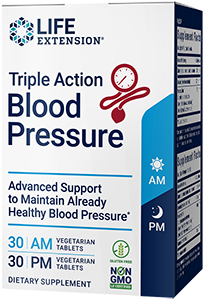
Olive leaf extract provides oleuropein, which helps maintain already-healthy blood pressure levels. You want to keep those levels in the right range for a variety of reasons—and you guessed it, metabolic health is one of them!
Celery seed contains antioxidants that help support healthy circulation. You may see it paired with olive leaf extract in vascular support supplements.

Explore Our Best Weight Management Supplements
How to choose a metabolic health supplement

Overwhelmed by all of these options? Here are some tips for choosing the right formulas to add to your routine.
Prioritize
Start by considering the aspects of your metabolic health you're most eager to support—whether that's heart health, energy management, etc.—and then choose from this list accordingly.Get your doctor's buy-in
Always consult with a healthcare provider before starting a new supplement or making a substantial lifestyle change, especially if you have a medical condition or take prescription medications.Be a picky shopper
Look for high-quality supplement formulas that are delivered in clinically studied doses and are based on research. Third-party testing helps to ensure supplements are accurately labeled, and reputable brands will provide certificates of analysis (COAs) for their products when you request them, so you know exactly what you are consuming.Consistency is key
Be sure to follow the product directions or the advice of a healthcare provider when taking a supplement, and choose supplements that fit well into your day-to-day routine.Remember: supplements alone aren't enough!
Focusing on your nutrition, activity level, sleep and stress management are all important ways to help keep your metabolism working well. Consider dietary supplements an extra layer of support when used strategically, particularly when there are nutrient gaps or increased demands on the body.
Wondering which supplements for metabolic and heart health would fit you best? Take our health needs quiz to get advice tailored to your concerns and lifestyle.
How do I know my metabolic health status? 5 key markers

Healthcare providers look at the following biomarkers when assessing your metabolic health:
Blood sugar
Fasting blood glucose levels are a crucial data point of how effectively your body processes energy. A blood sugar level between 80–86 mg/dL is optimal.Waist circumference
Waist size, on average, is a reflection of metabolic health. In general, men should aim for a waist circumference below 40 inches, and women below 35 inches, according to the National Heart, Lung, and Blood Institute. However, optimal ranges may differ by ethnicity, particularly for East and South Asian populations.Blood pressure
Blood pressure is often interrelated with other metabolic markers. An optimal reading is 115/75 mm Hg, but readings up to 120/80 mm Hg are considered still within the healthy range, according to the American Heart Association.Triglycerides
Triglycerides, a form of fat in the blood, tend to rise and fall in tandem with blood sugar. Levels under 100 mg/dL are ideal for optimal metabolic health.HDL cholesterol
High-density lipoprotein (HDL), often referred to as "good" cholesterol, helps remove excess cholesterol from the bloodstream. Healthy levels are often an indicator that the rest of the metabolic health markers are also within a healthy range. A level of 50 mg/dL or higher is considered optimal.
Important caveat: No single marker can tell the whole story because metabolic health is a comprehensive picture. For example, an elevated waist circumference alone doesn't confirm poor metabolic health, but when three or more key markers are out of range, it suggests that intervention may be needed.


References
- Bulsiewicz WJ. "The Importance of Dietary Fiber for Metabolic Health." Am J Lifestyle Med. April 2023. https://pmc.ncbi.nlm.nih.gov/articles/PMC10498976/
- Hanna M, et al. "B Vitamins: Functions and Uses in Medicine." Perm J. June 2022. https://pmc.ncbi.nlm.nih.gov/articles/PMC9662251/
- "Assessing Your Weight and Health Risk." National Heart, Lung, and Blood Institute. https://www.nhlbi.nih.gov/health/educational/lose_wt/risk.htm
- "Metabolic Syndrome." Medline Plus. https://medlineplus.gov/metabolicsyndrome.html

Always be in the know!
Access the latest deals, wellness news, expert health tips & more!
Heart Health Favorite