Does Vitamin B12 Really Give You Energy? Here’s What Science Says
Published: July 2023 | Updated: January 2026
At a Glance
- B12 is an essential vitamin needed for normal body functions, but it doesn't directly supply you with energy.
- A vitamin B12 deficiency can cause fatigue, weakness, and neurological symptoms.
- Vegans, vegetarians, older adults and people with certain medical conditions or on medications may be at risk of a B12 deficiency.
Vitamin B12 has developed quite a reputation as the energy boosting vitamin. You may find it in foods or drinks with the words "energy booster" slapped on the label. And if you've ever felt extra sluggish or relied on one too many cups of coffee, you might have wondered if your body is low in something, such as B12.
But does vitamin B12 actually give you energy? The short answer: it can, but only if you are low or deficient in it. Below, we break down what B12 is, how it supports energy production, who may benefit from taking it, and how to determine your status with a comprehensive B12 blood test panel.
What is Vitamin B12?
Vitamin B12 is an essential water-soluble vitamin in the B-vitamin family. Also known as cobalamin (or methylcobalamin in its active form), vitamin B12 is used by nearly every cell in the body and plays a critical role in forming new red blood cells, supporting a healthy nervous system, and assisting in DNA synthesis. Like other essential vitamins, your body can't make it, therefore, you must get B12 from your diet.
Uniquely and unlike other water-soluble vitamins, vitamin B12 is stored in the body, primarily the liver. This means it can take months or even years for stores to drop low enough to cause low levels or a deficiency.
B12 has earned a somewhat untrue reputation as the "energy boosting" vitamin. While it does play a role in energy production, research shows people who already have sufficient levels don't experience an additional boost from taking more B12. Its energy-increasing benefits are only typically seen in individuals who are low or deficient.
How does vitamin B12 support energy production?
Vitamin B12 doesn't directly provide your body with an energy boost the way eating macronutrients like carbohydrates, fats or protein can. In fact, compared to other nutrients that play a role in energy production, like vitamins B1, B2, B3, B5, and magnesium, B12 is not at the top of the list. So why does it have a reputation as the "energy vitamin"?
There is some interesting history behind B12's reputation for boosting energy. Long ago, pernicious anemia, a condition caused by a severe B12 deficiency, was more prevalent, and one of its most notable symptoms was fatigue. Treating it with vitamin B12 restored people's energy levels, thus becoming associated with energy-boosting effects.
But here's what B12 actually does: it helps your body form healthy red blood cells. Red blood cells are responsible for carrying oxygen throughout your body. If your body doesn't get enough oxygen, it can leave you feeling tired and weak.
Secondly, B12 is vital for maintaining nervous system function. Your brain and nervous system rely on B12 to function efficiently, and if they aren't getting enough B12, fatigue, brain fog, or even neurological symptoms can develop.
What happens when you don’t have enough B12?

While fatigue is one of the most commonly associated symptoms of a vitamin B12 deficiency, there are a variety of other signs and symptoms to be aware of. When you don't have enough vitamin B12, a variety of bodily functions are impacted including DNA function, impaired folate metabolism, and more. In addition to changes in the nervous system and brain function, heart health may be at risk. If you don't have enough vitamin B12, your homocysteine can go up. Elevated homocysteine is an independent risk factor for coronary heart disease.
| Bodily Function | What a Deficiency Causes | Signs and Symptoms | Why It Happens |
|---|---|---|---|
| Red blood cell creation | Red blood cells form improperly | Fatigue, weakness, low energy, overly large red blood cells (megaloblastic anemia) | Cells grow too large (megaloblastic anemia) and can't carry oxygen efficiently |
| Nervous system function | Nerve and brain may not work properly | Numbness or pins and needles in the hands or feet, trouble walking or coordination problems, mood changes. In older adults with severe B12 deficiencies: cognitive problems, dementia-like symptoms, delirium | Low B12 causes nerve damage and impaired brain function |
| Energy generation | Not enough energy | Fatigue, low mood, depression | Red blood cells can't deliver oxygen efficiently; neurological changes can affect mood and energy |
How can you tell if your B12 levels are low?
Being low in vitamin B12 can show up differently from person to person. Some of the most common signs and symptoms are fatigue or low energy, neurological symptoms such as numbness or tingling in hands or feet, heart palpitations, low counts of white and red blood cells, pale skin, unintentional weight loss, cognitive changes, and mood changes such as depression. However, for some people, signs may be subtle, vague, and easily mistaken for other conditions.
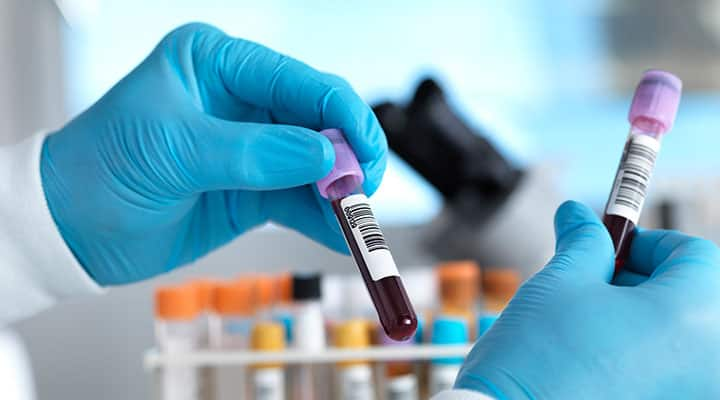
A standard blood test measuring serum vitamin B12 is useful but doesn't always tell the whole story. To correctly assess functional B12 status, it is recommended to check the following:
- Methylmalonic acid (MMA): A highly sensitive and early indicator of a potential B12 deficiency.
- Serum B12: Identifies circulating B12 levels.
- Complete blood count (CBC): Can provide clues towards a potential deficiency by checking on the status of red blood cells.
Measuring not only vitamin B12, but also folate and methylmalonic acid is the best way to reveal early indicators for a potential B12 deficiency. Measuring folate doesn't indicate B12 deficiency directly, but high folate can "mask" a B12 deficiency, causing it to go undetected longer.
Who is most likely to benefit from B12 for energy?

Vitamin B12 can improve energy levels if a person is low or deficient. Some groups can be at higher risk of being either low or deficient and may benefit from supplementation.
- Vegans and vegetarians: Vitamin B12 is naturally found in meat, seafood and dairy products. Vegans and vegetarians who avoid or limit these foods may be at higher risk of being low in B12.
- Older adults: As people age, stomach acid production decreases. Low stomach acid reduces the ability to break down and absorb B12. Many adults over 60 years old may benefit from taking a B12 supplement.
- People with medical conditions: People with pernicious anemia, gastritis, Crohn's disease, celiac acid, H. pyloric infections or post-gastrointestinal surgery may have reduced ability to absorb vitamin B12 and should supplement.
- People taking certain medications: Certain medications, including metformin and protein pump inhibitors, can lower B12 levels, especially if used long-term.
If your diet, age, a condition, medications, or lifestyle puts you at risk of being low in B12, supplementation can help restore levels and improve energy levels. Work with your health care team to find out what supplementation regimen is best to meet your needs and keep levels in range.
Can you get enough vitamin B12 from food alone?

Most people in the United States get enough vitamin B12. Vitamin B12 is naturally found in a variety of animal-based foods as well as fortified foods. Foods naturally rich in vitamin B12 include:
- Beef and beef liver
- Seafood: Clams, oysters, salmon, tuna
- Yogurt, cheese
- Eggs
- Poultry such as turkey
Foods commonly fortified with vitamin B12 include:
- Ready-to-eat breakfast cereals
- Dairy milk and non-dairy milks
Vegans can get some B12 from fortified foods and drinks. However, supplementation is often necessary while following a vegan diet. Monitoring levels closely is key.
What's the best form of B12 to support healthy energy?
Vitamin B12 from both food and supplements can help support healthy energy levels. When it comes to supplements, the most effective forms are adenosylcobalamin and methylcobalamin. Methylated B-vitamins are especially important for individuals with methylation issues.
Can low B12 make it hard to exercise?
Yes, being low in vitamin B12 can make it more difficult to exercise. Being low in B12 can cause fatigue, weakness and shortness of breath, making exercise difficult.
What's the safest daily dose of B12?
While there is no known toxic dose of vitamin B12, most adults need 2.4 mcg of vitamin B12 daily to meet basic needs per the RDA. Life Extension suggests 300 mcg to 5 mg daily to support optimal health. Check with your physician to see what amount is recommended for you.
Key Takeaways
- B12 supports red blood cells, nervous system health, and DNA synthesis.
- Low B12 can lead to fatigue, weakness, neurological or even cognitive issues.
- People with a deficiency may experience increased energy levels once beginning supplementation.
- Vegans, vegetarians, older adults, and people with medical conditions or on certain medications are at increased risk of B12 deficiency.
- B12 can be consumed from food, fortified foods, and supplements.


References
- Aslinia F, et al. "Megaloblastic anemia and other causes of macrocytosis." Clin Med Res. September 2006. https://pmc.ncbi.nlm.nih.gov/articles/PMC1570488/
- Mouchaileh N. "Vitamin B12 deficiency in older people: a practical approach to recognition and management." Journal of Pharmacy Practice and Research. December 2023. https://onlinelibrary.wiley.com/doi/full/10.1002/jppr.1897
- Nexo E, Parkner T. "Vitamin B12-Related Biomarkers." Food Nutr Bull. June 2024. https://pubmed.ncbi.nlm.nih.gov/38987873/
- Sridharan K. "Vitamin B12 Deficiency Associated with Metformin and Proton Pump Inhibitors and Their Combinations: Results from a Disproportionality and Interaction Analysis." Diseases. October 2025. https://pubmed.ncbi.nlm.nih.gov/41149068/
- "The Vitamin B Complex." ACS. https://www.acs.org/education/whatischemistry/landmarks/vitamin-b-complex.html
- "Vitamin B12." National Institutes of Health. July 2025. https://ods.od.nih.gov/factsheets/VitaminB12-HealthProfessional/

Always be in the know!
Access the latest deals, wellness news, expert health tips & more!