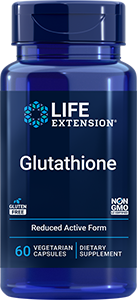
Glutathione and Vitamin C: Do They Work Together?
Published: June 2025
Some things are just better together—peanut butter and jelly, movies and popcorn, superheroes and sidekicks. The same is true for certain supplements. Glutathione and vitamin C are one of those supplement power pairings that simply go together.
You’re probably familiar with the many benefits of vitamin C for skin, bones, and your immune system. But did you know your body does not make this essential nutrient on its own? Which means you need to get it through nutrition and supplements.
On the other hand, glutathione, a still relatively under-the-radar antioxidant, does occur naturally in the body.
They may be opposites in how they are produced, but when these antioxidants are paired, their cellular protection potential can be incredibly beneficial for your health and well-being.
Here's the scoop on this dynamic duo and tips on how to take them together.
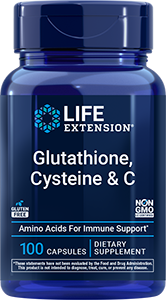
What is glutathione and why do people supplement with it?

Glutathione is one of the most powerful antioxidants in the body. Antioxidants play a critical role in protecting cells from oxidative stress over time, which is crucial for supporting the body's detoxification process, promoting a healthy immune response and maintaining liver health. Glutathione gets its nickname, "the master antioxidant," from its ability to hunt down and destroy free radicals, which can impact cellular function.
Oral glutathione supplements are increasingly popular and topical regimens and other options are also available. There are two forms of glutathione: reduced glutathione (GSH, or L-glutathione)—the active "on" form—and oxidized glutathione (GSSG)—the inactive "off" form. GSH is considered a more direct way to get glutathione benefits, but with any supplement, talk to your healthcare provider to determine your best option.
In addition to supplements, you can support your body's natural production of healthy glutathione levels by putting sulfur-rich foods like spinach, avocados, asparagus, and broccoli on the menu. Getting plenty of exercise and sleep are also key to your ability to combat oxidative stress.
And to really leverage the benefits of antioxidants, adding another free radical fighting all-star, vitamin C, is a great plan of attack.
What does vitamin C do in the body?

You're likely no stranger to how vitamin C shows up in the world—in the orange juice you drink for breakfast, the lemon the waiter squeezes into your water, and even the red pepper flakes you sprinkle on your pasta (if spicy is your thing).
And you're probably aware of the ways it supports your immune system, bones, skin, and overall health. Additionally, studies show ascorbic acid, the chemical name for vitamin C, has multifaceted antioxidant properties and can neutralize free radicals in the body.
On top of doing some of the heavy lifting directly, vitamin C can also interact with other antioxidant players, including antioxidant enzymes (specialized proteins involved in mitigating the effects of oxidative stress), and regulate gene expression related to antioxidant defense.
Remember, the body does not produce vitamin C, so you must get it from the foods you eat. Pile your plate with red and yellow bell peppers, broccoli (and other cruciferous vegetables), papaya, citrus fruits, and berries like strawberries, black currants, and bananas (yep, they are botanically considered berries, too!). You can always speak with your doctor or nutritionist to find other ways to support healthy vitamin C levels in the body, such as a high-quality vitamin C supplement.
Explore Our Best Vitamin C Supplements
Do glutathione and vitamin C work better together?

Absolutely! Glutathione and vitamin C are a logical supplement pairing based on their ability to work together to neutralize free radicals, combat oxidative stress and support a healthy inflammatory response—like "couple goals" for antioxidant supplementation.
Here's another reason why the glutathione and vitamin C combo is unique. Not only can they give you a bigger and better antioxidant response, but together, they may promote glutathione levels in the body, supporting healthy levels as you age. Vitamin C is a powerful antioxidant alone in the body. And it can fight free radicals first, so glutathione doesn't have to, helping preserve glutathione levels. Some research has found that vitamin C may also play an important role in regenerating glutathione levels in the body and help enhance and extend its functions. This may be done by recycling glutathione into its active form (recall the reduced form of glutathione, GSH!) that can neutralize free radical activity.Their mutually beneficial relationship doesn't stop there! Some studies suggest that in the body, glutathione can help restore vitamin C (and even vitamin E) after it has neutralized free radical activity. This happens through the aptly named "glutathione-ascorbic acid cycle." In another observational study, individuals with lower levels of vitamin C also had insufficient levels of glutathione, hinting at the symbiotic connection between the two.
Clearly, pairing your glutathione supplement with vitamin C may help maximize their health-promoting benefits in the body.(Pro tip: Take this strategy even further by adding a third antioxidant all-star, N-acetyl-L-cysteine or NAC for short, to this lineup!)
Can I Take Too Much Vitamin C?
Vitamin C is water soluble and generally well-absorbed, so while your body can reach a saturation limit if you take too much, it will simply get rid of anything extra.
In recent years, liposomal vitamin C has gained popularity for its ability to help provide sustained release for prolonged absorption. Liposomal supplements have a delivery system that acts as "little packages" that encase vitamin C in a lipid (fat) sphere to enhance the internal delivery so it can remain active in the body longer than a conventional vitamin C supplement.
The recommended daily vitamin C intake will change on whether you are a man or woman, pregnant or breastfeeding, or due to other factors, so speak with your doctor or nutritionist before adding this (or any supplement) to your daily routine.
How to take glutathione and vitamin C together

So, what's the most effective way to add them to your daily routine? The secret to success is simple: morning, noon, or night; to reap the greatest benefits, you must be consistent. Always follow the label instructions and grab some one-on-one time with your doctor to greenlight everything first.
Some people swear by "stacking" glutathione and vitamin C in a ratio of about 1:2, splitting the vitamin C dosage between morning and night to keep the antioxidants flowing. There isn't much science backing up this strategy, but there's also no harm in giving it a try. As in everything health-related, your mileage may vary!
Pro tip: Get personalized recommendations on supplements that support hard-working organs like your liver with a quick quiz!


References
- Averill-Bates DA. "The antioxidant glutathione." Vitam Horm. 2023. https://pubmed.ncbi.nlm.nih.gov/36707132/
- Gasmi A, et al. "An Update on Glutathione's Biosynthesis, Metabolism, Functions, and Medicinal Purposes." Curr Med Chem. 2024. https://pubmed.ncbi.nlm.nih.gov/37921175/
- Gęgotek A, et al. "Antioxidative and Anti-Inflammatory Activity of Ascorbic Acid." Antioxidants (Basel). October 2022. https://pubmed.ncbi.nlm.nih.gov/36290716/
- Gęgotek A, Skrzydlewska E. "Ascorbic acid as antioxidant." Vitam Horm. 2023. https://pubmed.ncbi.nlm.nih.gov/36707136/
- Lee E, et al. "Vitamin C and glutathione supplementation: a review of their additive effects on exercise performance." Phys Act Nutr. September 2023. https://pmc.ncbi.nlm.nih.gov/articles/PMC10636510/
- Pizzorno J. "Glutathione!" Integr Med (Encinitas). February 2014. https://pmc.ncbi.nlm.nih.gov/articles/PMC4684116/
- Waly M, et al. "Low Nourishment of Vitamin C Induces Glutathione Depletion and Oxidative Stress in Healthy Young Adults." Prev Nutr Food Sci. September 2015. https://pubmed.ncbi.nlm.nih.gov/26451357/
- "Vitamin C." National Institutes of Health: Office of Dietary Supplements. https://ods.od.nih.gov/factsheets/VitaminC-HealthProfessional/

Always be in the know!
Access the latest deals, wellness news, expert health tips & more!
Popular Supplement