Cardio vs. Strength Training: What Your Body Actually Needs
Published: August 2025
In the fitness world, there are two groups often pitted against each other: cardio and strength training.
People in the cardio camp will rave about their runner's high, fueled by feel-good endorphins. Meanwhile, the strength training squad is equally pumped about their pumped-up physiques. But do these two exercise modalities have to be mutually exclusive? Which one really offers the most benefits? Can you do cardio and strength training on the same day, or do you need to split them up?
If you're asking any of these questions, you've come to the right place. While the short answer is you'll want to incorporate both types of exercise to get the most out of their benefits, we're breaking down the what, why and how of these two training methods, so you can create the most effective workout plan.
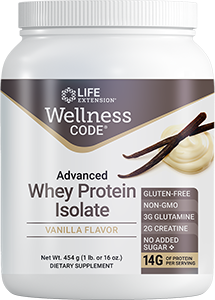
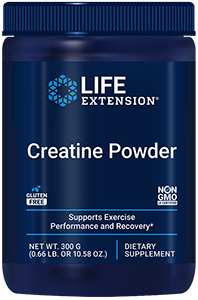
Follow along, and you'll be sure to know exactly how to make the most of your fitness routine, including which workouts and active lifestyle supplements can help you hit your fit-body goals.
Cardio: For your heart, brain and mood

So what exactly is the difference between cardio and strength training?
"Cardio" is short for cardiovascular training, which means it works the heart. More specifically, cardio includes aerobic exercise that increases your heart rate and respiratory rate for an extended period of time. You'll also experience increased blood flow, which heats up your body and makes you break a sweat. Popular forms of cardiovascular activity include:
- Walking
- Running
- Cycling
- Swimming
The intensity of these activities can vary from moderate to vigorous. Moderate-intensity cardio increases your heart rate and breathing rate, but you can still talk in short sentences. When you're working vigorously, you can maybe get one or two words out at a time before losing your breath.
Some benefits of cardio include:
Heart health
—Over time, consistent aerobic activity improves cardiac output, which refers to how well your heart pumps and circulates blood throughout the body—making it easier to support already-healthy blood pressure and cholesterol levels.Brain health
—A more active lifestyle impacts your overall cognition in several ways, including memory, attention and processing speed.Mood support
—During cardiovascular exercise, your body releases endorphins, which serve as your body's natural mood boosters. Bonus: A regular cardio routine can also help improve the quality of sleep, which leads to a more positive outlook.Higher stamina
—Cardio strengthens your heart and lungs, which means you'll have to work harder or longer to reach the point of fatigue. In other words, cardio is a great way to manage energy levels.
Strength: For bones, muscles and stability

On the flipside, strength training, also called "weight training" or "resistance training," is any form of exercise that causes your muscles to contract against an outside force. The outside force can come from equipment, like barbell or dumbbell workouts, or simply the resistance of your body weight.
Here are a few key benefits of strength training:
Muscle mass increases
—When lifting weights, you break down muscle fibers. But with an adequate recovery and nutrition plan, those muscle fibers repair and become stronger than they were before. More muscle mass means a higher calorie and fat burn at rest.Strengthens bones
—Research has shown that bone cells adapt to mechanical loading, resulting in improvements in bone mineral density and bone strength.Improved stability
—By strengthening bones, muscles and the connective tissues around them, you create better stability all throughout your body.
One of the key differences between strength training and cardio training is the energy system. During cardio, your body uses an aerobic energy system, which means it requires oxygen. When strength training, you're usually in an anaerobic state that does not require oxygen for energy.
Yes, you can be lifting weights and cross over into an aerobic state—especially if you're working hard. This is common when powerlifting or doing high-intensity interval training (HIIT).
How much cardio and strength training do you need to do?

The Physical Activity Guidelines for Americans recommend adults get 150-300 minutes per week of moderate-intensity aerobic activity. Alternatively, you can aim for 75-150 minutes per week of vigorous aerobic activity, or a combination of the two. Ideally, your cardio training should be spread throughout the week.
For strength training, two sessions per week are recommended, along with hitting all major muscle groups. Try to schedule your weight training sessions on non-consecutive days to allow for recovery.
Broken down, you're looking at about one-and-a-half to five hours of exercise total. There are 168 hours in a week, so this is a very small percentage in the scheme of things. But if you're still pressed for time or can't commit to alternating between cardio days and strength days, don't panic. You can always try combined workouts.
Are there benefits to combining cardio with strength training?

Think about your car for a second. Is it the wheels that make it move, or is it the engine?
It's both, of course. Like the wheels of a car, your muscles move your body forward, backward and sideways. But your heart and lungs—the engine behind the scenes—are what give those muscles power. So, when you're doing a cardio workout, what you're really doing is boosting your body's engine. And when you're lifting weights, you're building muscle and mobility.
Investing in both gives you the keys to a long, healthy journey—in fact, a meta-analysis showed that people who do both kinds of exercises had greater cardiovascular health compared to those who do only one type, and especially compared to those who don't exercise at all.
The best part is you can do both in the same workout and still get all the same benefits—perhaps even more. A randomized controlled trial found that combining cardio and strength training in one workout was more effective than cardio alone for supporting cardiovascular health.
Should you prioritize cardio or strength training first?

If your priority is to get stronger, build lean muscle and burn fat, start your workouts with strength training. You'll also need to progressively overload week-to-week. So, give yourself enough time during your weight training sessions to either increase reps, slow down the tempo or increase resistance and take longer breaks between sets. By starting with the weights, you'll have enough gas in the tank to lift heavy.
That said, there are good reasons to start your combined workouts with cardio. Are you training for a long-distance race? Do you want to increase stamina to keep up with the kids or run with your dog? Then, pour your energy into aerobic training and make these sessions specific to your fitness goal.
For instance, training for a half-marathon requires running for over an hour at a steady pace (about 70% of your max heart rate) at least once per week. Like lifting, you'll progress the duration or distance every week to build up to it.
Either way, you can rest assured that you are supporting your overall health! But if you have specific goals (aside from simply "be healthier"), it's important to choose your objectives and work towards them, with tailored workout routines and fitness supplements for support.

Explore Our Best Active Lifestyle & Fitness Supplements
How can I build a balanced weekly workout plan?

When building a balanced weekly workout plan, start with the minimum: 150 minutes of moderate-intensity exercise per week. To determine how to split your workout time, simply divide 150 minutes by the number of days you can commit to fitness per week. Now you have your total daily workout minutes.
Next, choose two non-consecutive days to do your strength training. On those days, you'll spend half your total daily minutes strength training and the other half doing cardio work. The other day(s) you have available will be devoted to some form of aerobic activity.
Pro tip: If you can only squeeze in two days of exercise, make sure they are non-consecutive days, allowing your body ample time to recover.
Here’s an example of a four-day workout week:
| Monday | Tuesday | Wednesday | Thursday | Friday | Saturday | Sunday |
|---|---|---|---|---|---|---|
| 20 minutes strength training 20 minutes moderate-intensity cardio |
40 minutes moderate-intensity cardio | Rest | 20 minutes strength training 20 minutes moderate-intensity cardio |
Rest | 40 minutes moderate-intensity cardio | Rest |
Here are some other tips to consider when creating a balanced weekly workout plan:
- If you choose more vigorous aerobic exercise—like a HIIT workout or bootcamp class—you can cut your cardio time in half.
- Weight-bearing cardio can help increase muscle mass and bone density while burning calories and fat. Weight-bearing cardio includes activities that require you to move your body weight against gravity, such as walking, running and stairclimbing.
- Focus on different muscle groups with each strength training workout. For instance, one day may include exercises for glutes, hamstrings and quads, while the next day is all arms and core.
- Choose your exercises based on the fundamental movement patterns: push, pull, squat, hinge, lunge, rotate and gait (moving arms and legs together in locomotion).
- Make sure to incorporate exercises that move through different planes of motion: forward, backward and side-to-side.
How can I stay consistent and see results?

Life is a moving target, which is why staying consistent with a fitness routine can be challenging. Here are some simple ways to help keep you on track:
- Lay out your clothes or pack a gym bag to save time and motivate you to move.
- Schedule your workouts like a meeting with your boss, inked into your calendar, so they are set in stone and non-negotiable.
- Phone a friend or loved one to work out with you, adding excitement and anticipation.
- Hire a coach to guide you and hold you accountable to a routine.
- Add the right supplements to keep you energized and to optimize results.
The best tip to remember is this: don't bite off more than you can chew. Researchers have found that just one hour a week of moderate-intensity aerobic activity is enough to support your overall quality of life (even more so when you add one strength training session per week!).
Finally, setting easy but S.M.A.R.T. goals is how you stick to the process. Once your workouts become a habit, you can gradually increase time and/or intensity when you feel ready and be well on your way to your fittest self!


References
- Coleman CJ, et al. "Dose–response association of aerobic and muscle-strengthening physical activity with mortality: a national cohort study of 416 420 US adults." British Journal of Sports Medicine. 2022. https://bjsm.bmj.com/content/56/21/1218
- Hong AR, et al. "Effects of Resistance Exercise on Bone Health." Endocrinol Metab (Seoul). November 2018. https://pmc.ncbi.nlm.nih.gov/articles/PMC6279907/
- Lee DC, et al. "Aerobic, resistance, or combined exercise training and cardiovascular risk profile in overweight or obese adults: the CardioRACE trial." European Heart Journal. April 2024. https://academic.oup.com/eurheartj/article/45/13/1127/7513891
- Maruhashi, T, et al. "Combining muscle strengthening activity and aerobic exercise: a prescription for better health in patients with hypertension." Hypertens Res. September 2024. https://www.nature.com/articles/s41440-024-01868-4
- "3 Kinds of Exercise That Boost Heart Health." Johns Hopkins Medicine. https://www.hopkinsmedicine.org/health/wellness-and-prevention/3-kinds-of-exercise-that-boost-heart-health
- "How much physical activity do you need?" American Heart Association. https://www.heart.org/en/healthy-living/fitness/fitness-basics/aha-recs-for-physical-activity-infographic
- "Strength and Resistance Training Exercise." American Heart Association. https://www.heart.org/en/healthy-living/fitness/fitness-basics/strength-and-resistance-training-exercise

Always be in the know!
Access the latest deals, wellness news, expert health tips & more!
Active Lifestyle & Fitness