BCAAs vs. Creatine: Muscle Growth, Strength & Recovery
Published: September 2024 | Updated: May 2026

At a Glance
- Creatine and BCAAs support exercise performance, recovery, and muscle health via different mechanisms.
- Used by athletes and active adults for strength, endurance, and recovery.
- Creatine supports ATP for high-intensity efforts; BCAAs aid muscle function and recovery.
- Choice depends on training style, goals, and protein intake.
Fitness supplement stacks have gotten a lot of attention recently, and creatine and BCAAs are two of the most popular supplements in that discussion. Both nutrients are commonly included in fitness routines, but they work in very different ways.
If you've ever wondered whether you should take one or both, the answer depends on your fitness goals. Some people are focused on building strength and muscle mass, while others want to support endurance and muscle recovery.
Let's break down how creatine and BCAAs work, what makes them different, and how to decide which one fits best into your routine.
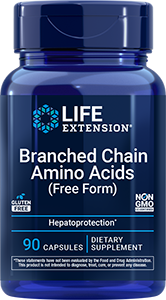
What are BCAAs and what are their benefits?
There are 20 amino acids (the building blocks of protein) in your body, but three of them are special. BCAAs, or branched-chain amino acids, include leucine, isoleucine and valine, and account for 35% of the essential amino acids in muscle proteins. And because they are essential, meaning your body cannot produce them, they must come from food or supplements.
BCAAs play a role in the maintenance and growth of skeletal muscle, and they serve as an energy source for muscle tissue during exercise. Common sources include meat, eggs, fish, and plant-based proteins like soy and legumes, but supplements are a good way to "hedge your bets" and make sure you get enough.
BCAAs have a number of fitness-related benefits:
Promote exercise recovery.
BCAAs have been studied for their effects on muscle recovery, including muscle comfort.Support muscle protein synthesis.
Leucine plays an important role in signaling muscle protein synthesis, although complete protein sources are generally more effective for building muscle.Encourage endurance and exercise performance.
BCAAs have been found to support endurance exercise by helping reduce perceived effort during longer sessions like running or cycling.
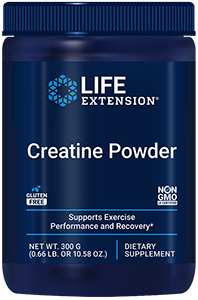
What is creatine and what are its benefits?

Creatine is a very popular fitness supplement in the exercise space. Creatine is a protein made up of three amino acids, and it is stored in muscle tissue. Our liver and kidneys produce about half of the creatine we need; the rest must be obtained through diet, primarily through meat, fish, and dairy. Some plant-based foods, like seeds, nuts and legumes, contain the building blocks of creatine (arginine, glycine and methionine) to support internal production.
The primary role of creatine is helping to regenerate ATP, the main energy source your muscles use during short bursts of high-intensity activity. Creatine supplements are available in two forms, creatine monohydrate and creatine hydrochloride (HCL), but creatine monohydrate is the most studied form for muscle growth and strength. You can also get creatine supplements in both capsule and powder form, but powder is preferred by most because of the larger dose.
The key benefits of creatine include:
Promotes faster exercise recovery.
Creatine has been studied for performance recovery between sets and workouts as well as muscle comfort.
Encourages lean muscle growth and strength.
Studies show supplementing with creatine promotes greater strength gains when combined with resistance training.Supports increased exercise performance.
Creatine supplementation significantly enhances performance in high-intensity, short-duration exercise.
Enhances cellular energy metabolism.
Creatine helps recycle your cells' spent energy back into active energy (ATP).
Which is better for supporting muscle growth, creatine or BCAAs?

There are no direct comparison studies between creatine and BCAAs for muscle growth. However, the evidence for creatine is more consistent, which may explain why creatine is the more popular supplement among adults looking to get fit or maintain their fitness gains.
Research shows creatine can support greater increases in lean muscle mass when combined with resistance training, and this benefit has been seen in numerous studies. In one analysis, individuals using creatine gained about 2.5 pounds more lean muscle mass than those who did not.
The evidence for BCAAs is more mixed. Some studies show little added benefit for muscle growth, especially when overall protein intake is already sufficient. In one study involving postmenopausal women, BCAAs did not significantly improve muscle mass or strength compared with placebo over eight weeks of training.
However, BCAAs may help preserve lean muscle and support muscle strength during calorie restriction or weight loss phases.
“Creatine is one of the most studied supplements for exercise benefits, but BCAAs may offer additional advantages.”
Which is better for supporting recovery, creatine or BCAAs?

Recovery can be measured in different ways, including performance recovery, muscle comfort and markers of muscle health. As with muscle growth, there are no direct comparison studies between creatine and BCAAs for recovery, but other research suggests creatine and BCAAs support different aspects:
Performance recovery:
Creatine appears to support faster performance recovery. Research shows it can help individuals return to previous performance levels more quickly after intense exercise. For example, a study that measured creatine against a placebo using dumbbell exercises showed creatine users recovered faster than the placebo group when the exercises were repeated in 2, 4 and 7 days.
Muscle comfort and health:
BCAAs, on the other hand, do not consistently improve actual performance recovery, but they may help support muscle comfort and markers of muscle health. In other words, workouts may feel more comfortable, but strength and power may still take time to return.
So your choice would come down to your exercise recovery needs. In general, creatine supports broader recovery of performance, while BCAAs help promote muscle comfort.
What’s the difference between BCAAs and creatine?

BCAAs and creatine serve different roles in the body. BCAAs are amino acids that are used directly by muscle tissue and can contribute to energy production during longer or more intense exercise. They also help support muscle tissue and recovery.
Creatine, on the other hand, supports the body's energy system by helping regenerate ATP. This makes it especially useful for short, high-intensity efforts like lifting, sprinting or repeated bursts of activity.
In simple terms, BCAAs support muscle tissue and endurance, while creatine supports strength, power and performance. "Creatine is one of the most studied supplements for exercise benefits, but BCAAs may offer additional advantages," said Michael A. Smith, MD, the Director of Education for Life Extension.
| Fitness goals | BCAAs | Creatine |
|---|---|---|
Muscle strength |
Plays a small role |
Supports increases in strength and power |
Energy |
May support the creation of some ATP (cellular energy) |
Supports rapid energy production (by recycling ATP) for high-intensity efforts |
Endurance |
Enhances exercise performance, supports endurance and reduces perceived effort |
Less relevant for long-duration activity, although it supports high-intensity training |
Protein synthesis |
Supports protein synthesis in muscles and liver |
Creates an anabolic, higher‑energy environment for protein synthesis, although it's not acting like an amino acid or classic building block |
Recovery |
Promotes muscle recovery and comfort |
Supports performance recovery, muscle comfort and markers of muscle health |
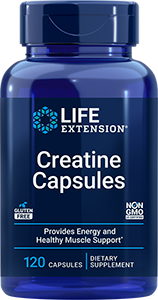
Should you take BCAAs and creatine together?

Yes, BCAAs and creatine can be taken together. They work in different ways to support overall fitness health, which means they may complement each other. Creatine supports performance and strength for high-intensity short-duration activities and may promote faster performance recovery, while BCAAs encourage endurance during longer training sessions and muscle comfort after your workout.
Some research suggests combining supplements like creatine, BCAAs and protein may support improvements in power output during training. A study found similar results in body composition, strength, and muscle endurance from 10 weeks of resistance training in men with and without a supplement drink containing the BCAAs-creatine-protein combination. But the group receiving the drink achieved significantly greater power production on a 30-second anaerobic (without oxygen) test that measures explosive power and resistance to fatigue.
It is important to remember that both creatine and BCAAs should be used in combination with resistance training for healthy muscle strength. Using the supplements alone without exercise will not contribute to more lean muscle mass. But with regular exercise, creatine and BCAAs can be used together, depending on your goals.
How Do You Choose the Right BCAA or Creatine Supplement?
When choosing BCAAs, look for a 2:1:1 ratio of leucine, isoleucine and valine. Most people take 2 to 10 grams daily depending on their needs. For creatine supplements, creatine monohydrate is the most studied and widely recommended form. People take 1-20 grams depending on their needs.
Endurance athletes vs. bodybuilders: Which supplement should you take?

BCAAs may be more useful for endurance athletes, while creatine is generally better for strength training and bodybuilding.
For endurance activities like running or cycling, BCAAs help reduce perceived effort and support exercise performance during longer sessions and workouts with repeated surges in intensity. BCAAs can be used directly by muscle tissue during endurance exercise. While not a primary fuel source, they help support energy and muscle function.
For strength training, whether you are lifting weights 2-3 times a week to maintain lean muscle mass or working out daily to try to bulk up, creatine has stronger evidence for supporting exercise performance, muscle strength and lean muscle growth. Creatine may also help you recover faster so you can repeat your fitness feats throughout the week.
So among athletes, if your goal is strength and power, creatine is the better starting point. If your focus is endurance or muscle comfort, BCAAs may be helpful.
Nutritional supplements can be a beneficial part of your fitness routine. Our health needs quiz can help you get started with a personal recommendation based on your lifestyle and health goals.
Key Takeaways
- Both BCAAs and creatine can support performance and recovery when used as part of a consistent routine.
- Creatine supports rapid energy production, recycling ATP for high-intensity efforts.
- Support strength-focused training with creatine, while endurance athletes may benefit from BCAAs.

References
- Bagheri R, et al. "Effects of branched-chain amino acid supplementation and resistance training in postmenopausal women." Exp Gerontol. February 2021. https://pubmed.ncbi.nlm.nih.gov/33279662/
- Desai I, et al. "The Effect of Creatine Supplementation on Resistance Training-Based Changes to Body Composition: A Systematic Review and Meta-analysis." J Strength Cond Res. October 2024. https://pubmed.ncbi.nlm.nih.gov/39074168/
- Doma K, et al. "The effect of branched-chain amino acid on muscle damage markers and performance following strenuous exercise: a systematic review and meta-analysis." Appl Physiol Nutr Metab. November 2021. https://pubmed.ncbi.nlm.nih.gov/34612716/
- Doma K, et al. "The Paradoxical Effect of Creatine Monohydrate on Muscle Damage Markers: A Systematic Review and Meta-Analysis." Sports Med. July 2022. https://pmc.ncbi.nlm.nih.gov/articles/PMC9213373/
- Dudgeon WD, et al. "In a single-blind, matched group design: branched-chain amino acid supplementation and resistance training maintains lean body mass during a caloric restricted diet." J Int Soc Sports Nutr. January 2016. https://pubmed.ncbi.nlm.nih.gov/26733764/
- Fedewa MV, et al. "Effect of branched-Chain Amino Acid Supplementation on Muscle Soreness following Exercise: A Meta-Analysis." Int J Vitam Nutr Res. November 2019. https://pubmed.ncbi.nlm.nih.gov/30938579/
- Forbes SC, et al. "Timing of creatine supplementation does not influence gains in unilateral muscle hypertrophy or strength from resistance training in young adults: a within-subject design." J Sports Med Phys Fitness. September 2021. https://pubmed.ncbi.nlm.nih.gov/34610729/
- Fouré A, Bendahan D. "Is Branched-Chain Amino Acids Supplementation an Efficient Nutritional Strategy to Alleviate Skeletal Muscle Damage? A Systematic Review." Nutrients. September 2017. https://pubmed.ncbi.nlm.nih.gov/28934166/
- Iwai S, et al. "Branched Chain Amino Acids Promote ATP Production Via Translocation of Glucose Transporters." Invest Ophthalmol Vis Sci. August 2022. https://pubmed.ncbi.nlm.nih.gov/35930269/
- Kerksick C, et al. "The emerging and evolving evidence supporting creatine as an ergogenic aid: history and applications." J Int Soc Sports Nutr. March 2026. https://pubmed.ncbi.nlm.nih.gov/41870601/
- Kreider RB, et al. "International Society of Sports Nutrition position stand: safety and efficacy of creatine supplementation in exercise, sport, and medicine." J Int Soc Sports Nutr. June 2017. https://pubmed.ncbi.nlm.nih.gov/28615996/
- Manaf FA, et al. "Branched-chain amino acid supplementation improves cycling performance in untrained cyclists." J Sci Med Sport. April 2021. https://pubmed.ncbi.nlm.nih.gov/33162329/
- Ra SG, et al. "Effect of BCAA supplement timing on exercise-induced muscle soreness and damage: a pilot placebo-controlled double-blind study." J Sports Med Phys Fitness. November 2018. https://pubmed.ncbi.nlm.nih.gov/28944645/
- van Vliet S, et al. "The muscle anabolic effect of protein ingestion during a hyperinsulinaemic euglycaemic clamp in middle-aged women is not caused by leucine alone." J Physiol. October 2018. https://pubmed.ncbi.nlm.nih.gov/30054913/
- Yamaguchi S, et al. "The Effect of Prior Creatine Intake for 28 Days on Accelerated Recovery from Exercise-Induced Muscle Damage: A Double-Blind, Randomized, Placebo-Controlled Trial." Nutrients. March 2024. https://www.mdpi.com/2072-6643/16/6/896

Always be in the know!
Access the latest deals, wellness news, expert health tips & more!
Active Lifestyle Favorite