Strength Training After 40: The Smart, Safe Way to Build Muscle and Stay Strong
Published: December 2025
At a Glance
- Strength training after 40 helps maintain muscle mass, joint comfort and steady energy levels.
- Utilize smart moves like squats, planks and band rows, and prioritize good form and recovery to make training safer and more effective.
- Protein, key nutrients and supportive supplements can help you build muscle and stay strong.
Hitting your 40s does not mean slowing down. It's actually one of the most important times to stay strong, build muscle, and keep your body moving. Why? Because muscle mass naturally declines with age, recovery feels different, and joints may need a little more care. Strength training is one of the most reliable ways to stay ahead of this.
Good news: you do not need extreme workouts to see progress with strength training. What you do need is a smart plan that helps you build muscle, protect your joints, and stay consistent. With the right routine, you can feel strong, move well, and keep the steady energy that makes day-to-day life easier.
This guide can help you strength-train after 40 in a safe and effective way. Whether you are getting back into the gym, lifting again after years away, or starting fresh, our tips can help you build a routine you can maintain, with targeted nutrition that supports muscle health, mobility and energy as part of your fitness plan.
Why does strength training matter after 40?
Once you reach your 40s, muscle loss increases at a faster rate. This affects how strong you feel, how steady you are, and how well you recover. Staying active and training for strength is important for a number of reasons:
- Strength training helps preserve lean mass, which keeps your body moving well. It pairs well with aerobic exercise, and both should be part of your fitness plan. The CDC recommends 150 minutes of moderate aerobic activity, like brisk walking or cycling, or 75 minutes of vigorous activity, like running, every week. Add at least two strength sessions each week. You can train more if you recover well, but the key is consistency.
- Staying active through strength training also supports healthy bones, balance and cognitive health—all areas that become even more important over the years.
- Strength training supports a healthy metabolism and healthy blood sugar. Your muscles help your body use and store energy, and research shows exercise supports a healthy metabolism as you age.
In short, lifting after 40 doesn't have to mean chasing big numbers. It is about staying strong, protecting your joints, and keeping your body capable for the long term.
Don't Forget the Protein
An important way to fight potential muscle loss is with healthy protein intake. Your body does not use protein as efficiently as it did in your 20s and 30s. Research suggests that aiming for 1-1.3 grams of protein per kilogram of body weight daily will help maintain muscle and support muscle recovery. When paired with regular strength training, protein can make a noticeable difference in how strong and energized you feel.
What are the best strength exercises for 40+?
When you want to build muscle after 40, focus on exercises that train major muscle groups, require good movement, and feel comfortable for your joints. You do not need complicated gym routines. You just need a few reliable movements you can stick to:
Squats.
Bodyweight or dumbbell squats help build leg strength, core stability and balance. They keep your hips and knees moving well.Romanian deadlifts.
These lifts are a helpful way to strengthen your hamstrings and glutes without extra stress on your lower back. Start light to learn the movement.Push-ups or incline presses.
These build upper-body strength through your chest, shoulders and triceps. If push-ups feel tough, use a bench or counter.Resistance band rows.
Rows with bands help balance out pushing movements and support better posture. Resistance bands are joint-friendly and easy to adjust.Planks and core stability work.
A strong core supports every lift and helps protect your lower back.Simple mobility warmups.
Shoulder circles, hip openers and light stretching help your joints feel ready for training.
How should you train differently after 40?

Training after 40 does not mean doing less. It means being more intentional so you can keep training, avoid injury, and build muscle for years to come. Everyone ages differently, so listening to your body matters more than following strict rules.
- Prioritize form over intensity. Good form gives you better results than pushing heavy weight with poor control.
- Take warmups seriously. A short mobility routine improves the quality of every lift and helps your joints feel better during workouts.
- Train your full body 2 to 3 times per week. This gives you enough volume to build muscle while making recovery easier.
- Add recovery days. Active recovery, like walking, stretching, or yoga, helps your body feel ready for your next workout. Pay attention to signals. If something feels off, modify it.
- Let your body guide you. Your 40s can still be a high-performing decade. If lifting feels great, keep going. If something needs a change, adapt your routine.
As you continue to age into your 50s and 60s, your exercise routine will evolve with you.
How important is recovery when you are over 40?

Recovery becomes just as important as training as you age. Your muscles, joints and nervous system all need time to rest so you can stay consistent with your workouts.
- Take at least one full rest day between strength sessions. This gives your muscles time to repair and improve.
- Use active recovery. Easy movement through walking, stretching or yoga helps support circulation and helps your body stay loose.
- Aim for 7 to 9 hours of sleep. Healthy sleep supports muscle recovery and healthy energy levels the next day.
- Stay hydrated. Water supports energy levels and muscle function during your workouts.
- Support muscle health with magnesium. Magnesium plays a role in muscle function, and many adults do not get enough through diet alone.
Good recovery habits build the foundation for long-term strength and steady progress in your fitness routine.

Explore Our Best Active Lifestyle & Fitness Supplements
What nutrition supports muscle building after 40?

Nutrition plays a major role in building muscle, improving recovery and supporting energy levels as you age. Your body's nutrient needs may increase as you age, as well. Here's what to include in your stack:
Protein.
Protein supports muscle repair and growth. But balanced macronutrients are important: pair protein with carbs and healthy fats for energy. Protein powders make hitting your daily intake easier, especially if you follow a restricted meal plan.Creatine.
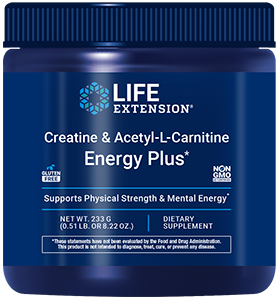
Creatine supports strength and muscle building. Formulas that include acetyl-L-carnitine also support cognitive health and reduce general mental and physical fatigue.BCAAs.
Branched-chain amino acids help support muscle recovery and maintenance, especially around workouts.Specialty formulas.
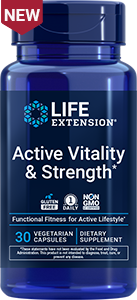
Beyond the basics for muscle building, plant-powered extracts like Indian Sphaeranthus extract and mango extract can help support muscle health, strength, mobility and overall vitality. Look for supplements that include clinically studied ingredients and are specifically intended to support an active lifestyle.
How fitness changes after 40
Thanks to physical changes that happen naturally as we age, fitness habits that work for a 35-year-old look different from the habits of those hitting 45, 50 and beyond.
| Category | Before 40 | After 40 |
|---|---|---|
| Primary goal | Pushing intensity, increasing weight, faster progress | Proper form, joint comfort, and consistency |
| Exercise frequency | 4–6 days per week may feel manageable | 2–4 strength sessions plus activity you recover well from |
| Warmups | Helpful but often rushed | More important for joints, mobility, and smoother lifts |
| Recovery needs | 24–48 hours is often enough | 48–72 hours may feel better, depending on the person |
| Exercise supplements | Often taken in specific use cases, such for bodybuilding or endurance sports | Recommended for most individuals who exercise |
Is it safe to lift heavy weights after 40?
Yes, lifting heavy can be safe when you use proper form, progress slowly and avoid pushing past what feels comfortable. If you are new to strength training or returning after time away, check with your doctor or a fitness professional.
Can strength training help with menopause or testosterone changes?
Strength training can support energy, muscle health and overall well-being during these changes. Staying active helps support healthy testosterone levels in men and may help manage some effects of menopausal changes by supporting healthy sleep, a healthy mood and more.
Targeted nutrition can assist your fitness journey, but where do you start? Our health needs quiz delivers a personalized recommendation tailored to your lifestyle.
Key Takeaways
- Strength training after 40 helps you build muscle, support your metabolism, and stay strong as you age.
- After 40, focus on exercises like squats, deadlifts, pushes, pulls, core work, and warmups that feel good on your joints.
- In training, concentrate on using good form, warm up well, train your full body, and build in recovery days.

References
- Capel-Alcaraz AM, et al. "The Efficacy of Strength Exercises for Reducing the Symptoms of Menopause: A Systematic Review." J Clin Med. January 2023. https://pubmed.ncbi.nlm.nih.gov/36675477/
- Dmitrieva NI, et al. "Middle-age high normal serum sodium as a risk factor for accelerated biological aging, chronic diseases, and premature mortality." EBioMedicine. January 2023. https://pubmed.ncbi.nlm.nih.gov/36599719/
- Fernandes JFT, et al. "Aging and Recovery After Resistance-Exercise-Induced Muscle Damage: Current Evidence and Implications for Future Research." J Aging Phys Act. June 2021. https://pubmed.ncbi.nlm.nih.gov/33291066/
- Jiang BC, Villareal DT. "The Benefits of Exercise Training in Combination With Weight Loss Therapies." Diabetes. December 2025. https://pubmed.ncbi.nlm.nih.gov/40627343/
- Korkutata A, et al. "The impact of exercise on sleep and sleep disorders." Nature. February 2025. https://www.nature.com/articles/s44323-024-00018-w
- Lewis C, et al. "Tailoring Exercise Prescription for Effective Diabetes Glucose Management." J Clin Endocrinol Metab. February 2025. https://pubmed.ncbi.nlm.nih.gov/39836084/
- Liu H, et al. "Bayesian network meta-analysis of the impact of exercise therapy on blood glucose in type 2 diabetes patients." Front Endocrinol (Lausanne). November 2025. https://pubmed.ncbi.nlm.nih.gov/41255539/
- Ma Y, Mumtaz S. "The long-term mental health benefits of exercise training for physical education students: a comprehensive review of neurobiological, psychological, and social effects." Front Psychiatry. September 2025. https://pubmed.ncbi.nlm.nih.gov/41035960/
- Markus I, et al. "Age Differences in Recovery Rate Following an Aerobic-Based Exercise Protocol Inducing Muscle Damage Among Amateur, Male Athletes." Front Physiol. June 2022. https://pubmed.ncbi.nlm.nih.gov/35774290/
- Mithal A, et al. "Impact of nutrition on muscle mass, strength, and performance in older adults." Osteoporos Int. May 2013. https://pubmed.ncbi.nlm.nih.gov/23247327/
- Monsegue AP, et al. "Aerobic exercise training improves blood glucose homeostasis in healthy older adults." Exp Gerontol. December 2025. https://pubmed.ncbi.nlm.nih.gov/41167297/
- Nowson C, O'Connell S. "Protein Requirements and Recommendations for Older People: A Review." Nutrients. August 2015. https://pubmed.ncbi.nlm.nih.gov/26287239/
- Sá KMM, et al. "Resistance training for postmenopausal women: systematic review and meta-analysis." Menopause. January 2023. https://pubmed.ncbi.nlm.nih.gov/36283059/
- Sato K, et al. "Resistance training restores muscle sex steroid hormone steroidogenesis in older men." FASEB J. April 2014. https://pubmed.ncbi.nlm.nih.gov/24443372/
- Singh B, et al. "Effectiveness of exercise for improving cognition, memory and executive function: a systematic umbrella review and meta-meta-analysis." Br J Sports Med. June 2025. https://pubmed.ncbi.nlm.nih.gov/40049759/
- "About Sleep." CDC. May 2024. https://www.cdc.gov/sleep/about/index.html
- "About Water and Healthier Drinks." CDC. January 2024. https://www.cdc.gov/healthy-weight-growth/water-healthy-drinks/index.html
- "Good hydration linked to healthy aging." National Heart, Lung, and Blood Institute. January 2023. https://www.nhlbi.nih.gov/news/2023/good-hydration-linked-healthy-aging
- "How often should you take a rest day?" UCLA Health. October 2023. https://www.uclahealth.org/news/article/how-often-should-you-take-rest-day
- "What Counts as Physical Activity for Adults." CDC. December 2023. https://www.cdc.gov/physical-activity-basics/adding-adults/what-counts.html

Always be in the know!
Access the latest deals, wellness news, expert health tips & more!
Popular Supplement