What's the Difference Between Adaptogens and Nootropics?
Published: February 2024
At a Glance
- Adaptogens and nootropics are both popular supplements that help manage a hectic lifestyle, but they support the body in different ways.
- Often rooted in traditional Asian practices, adaptogens are compounds that promote the body's resilience to stress. They help support how the body adapts to occasional stress.
- Nootropics support memory, clarity and mental energy. They work with the brain by potentially enhancing communication between neurons.
- You can take adaptogens and nootropics alone or together, depending upon your needs.
We've all had one of those days: Kids running late for school, no time to review a presentation before work, and don't forget about dinner! When we need to lock in and focus the most, inevitably, stress makes it hard to stay on task.
You can learn to manage these situations like a boss with the right lifestyle tweaks—meditation, anyone?—but sometimes, a little help can be a glorious thing. Enter adaptogens and nootropics: two popular types of supplements that can help us keep a "zen" and focused state of mind.
But while they're both useful to people with long to-do lists and little breathing room, they work in different ways and offer distinct benefits. Let's compare adaptogens and nootropics with an eye toward understanding how they work in the body, and which offers the best solution to your own unique brand of "hectic."
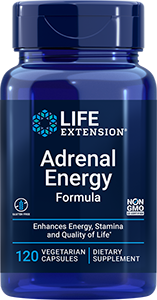
What are adaptogens and what do they do?

Adaptogens are herbs, roots, and plants (including mushrooms) that, true to their name, help your body adapt to occasional stress, promoting the body's homeostasis, or equilibrium state. Although the term "adaptogen" is relatively new, these compounds have been around for centuries in Ayurvedic and Chinese traditions.
Adaptogens modulate our body's stress response systems, the hypothalamic-pituitary-adrenal (HPA) axis and the sympathoadrenal medullary system (SAM), to be more specific. They help balance the body's physiological processes, so you can feel like "yourself" again after dealing with a stressful situation. In essence, adaptogens help promote the resilience of your mind and your body.
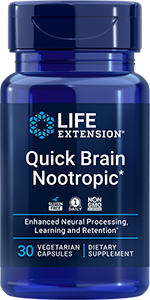
What are nootropics and what do they do?

Nootropic supplements support focus, memory and mental energy. Fun fact: The word nootropic means to "turn the mind"—a combo of the Greek word noos (mind) and tropein (bend or turn).
To understand nootropics, let's take a behind-the-scenes look at how your brain controls everything from your heartbeat to your thoughts. Your brain is a collection of billions of cells that make trillions of connections called synapses, which are like bridges between neurons that allow them to communicate with one another. Nootropics are brain supplements for cognition and focus and can potentially enhance that communication for better brain health and performance.
How are adaptogens different from nootropics?
While both adaptogens and nootropics can be used for the long haul, adaptogens are often associated with long-term use and nootropics are tied to short-term use (depending on label directions, some nootropics can be taken long term).
- Nootropics support cognitive performance. Think nootropic when you need fast-acting, short-term support, like focusing on taking an exam, acing a presentation, or adding a little "oomph" to your overall concentration and cognitive performance.
- Adaptogens support resistance to occasional daily stress. They may take weeks or months to help you build resistance to occasional stress.
Both also differ in how they show up in your body. In general, adaptogens work to help regulate the body's resilience to stress, while nootropics work to support cognitive function, memory and focus.
Top science-based adaptogens and nootropics

Adaptogens
- Ashwagandha: This well-known herb dates back to ancient Indian traditions. Ashwagandha has been touted for helping people handle daily stress and has been shown to support healthy cortisol levels, a balanced mood, and help reduce perceived levels of stress. Even better? Some forms of ashwagandha can also help promote restful sleep.
- Rhodiola: The roots of this perennial flowering plant are known to help promote endurance in the face of stressful situations. Some research suggests rhodiola's antioxidant properties can help power up exercise performance and cognitive function.
- Holy Basil: An aromatic perennial shrub, this adaptogen helps support a healthy stress response and sleep quality.
- Cordyceps: Used for generations for energy and stamina in the ancient Chinese holistic tradition, this mushroom contains bioactive carbohydrates, which have also been studied for immune health benefits.
- Reishi: Also a mainstay of traditional Asian medicine, reishi mushrooms have been studied for immune support but have been used across generations for a variety of different purposes. They contain triterpenes, which are being researched for their potential health benefits.
- Ginseng: The root of this herb is well-known for supporting energy and stamina. There are different types of ginseng, though, so read the product label carefully to make sure you're getting the right formula for your needs.

Nootropics

- L-theanine: An amino acid found in different types of tea (like green tea) that's been shown to support relaxation without sleepiness. L-theanine can help support a calm state of mind.
- Magnesium L-threonate: This form of magnesium has been shown to support cognition and focus, promote short-term memory, and keep your brain sharp.
- Ginkgo biloba: An antioxidant-rich herb, Ginkgo biloba has been shown to promote healthy memory and cognitive function.
- Citicoline: Also known as CDP-choline, this nootropic helps support memory, learning and overall brain function. In the body, citicoline is involved in acetylcholine production, a major neurotransmitter that facilitates communication between neurons. In a clinical study, participants taking citicoline for four weeks reported fewer mistakes in recall and forgetting errors compared to the placebo group.
- Acetyl-L-carnitine: Research shows that carnitine helps combat general mental fatigue, promotes healthy cognitive function and supports healthy cellular energy metabolism. It also pairs well with creatine, helping maintain your mind as strong as your muscles.
- Spearmint: The minty herb is known for its ability to support concentration, attention, and working memory (short-term memory). When paired with ashwagandha, spearmint may help promote a calm and focused state of mind.
- Sage: Native to Southeastern Europe, this green herb has been shown to work quickly in the brain, promoting memory and attention.


Explore Our Best Brain Health Supplements
Here's a table summarizing the different adaptogens and nootropics, and their benefits. In some cases, nutrients can have both adaptogenic and nootropic overlap.
| Supplement | Type | Best For |
|---|---|---|
| Ashwagandha | Adaptogen | Stress and mood |
| Magnesium L-threonate | Nootropic | Memory and alertness |
| Holy Basil | Adaptogen | Stress and mood |
| Spearmint | Nootropic | Mental energy and alertness |
| Rhodiola | Adaptogen | Stress and mood |
| L-theanine | Nootropic | Stress and mood |
| Cordyceps | Adaptogen | Energy and stamina |
| Ginkgo biloba | Nootropic | Memory and cognitive function |
| Reishi | Adaptogen | Stress and mood |
| Citicoline | Nootropic | Memory and learning |
| Ginseng | Adaptogen | Energy and stamina |
| Acetyl-L-carnitine | Nootropic | Brain health and cognitive performance |
| Sage | Nootropic | Memory and attention |
When should you take adaptogens or nootropics?

While some benefits of adaptogens and nootropics overlap, you'll take them for different reasons and, depending on the label directions, sometimes at different points in the day for best results. Adaptogens support stress resilience, so taking them in the morning can help set yourself up for a fantastic day.
- Nootropics can help you focus better on demanding tasks—exams, work deadlines, extended hours on the job, so you'll want to take them consistently to be at your best and ready to go.
- You can take both at once.
- You can also alternate between the two types of supplements to take advantage of the incredible benefits of each one.
- Always follow label directions.
How Does Stress Response Work?
Nootropics and adaptogens both work with the brain to help you stay focused, energized and resilient to stressful situations. So what happens in your body when you do encounter a stressor? Your stress response has two components: the sympathoadrenal medullary (SAM) and the hypothalamic-pituitary-adrenal axis (HPA axis).
- The sympathoadrenal medullary system: This is the body's rapid stress response. When it's activated, it signals the release of adrenaline and increases heart rate and blood pressure to keep you alert and ready for fast movements (think of how you'd instinctively dodge if a ball were thrown at your head).
- The HPA axis: This component signals the release of stress hormones like cortisol and adrenaline, which influences the sympathetic system. It also influences energy production, blood sugar levels, sleep-wake patterns and helps regulate a healthy inflammatory response.
Do adaptogens or nootropics work instantly?

Nootropics—like L-theanine or sage—can have a faster effect than adaptogens, working within a few hours but, in general, it can take weeks or months to reap all the benefits from both. Both need to be taken regularly and consistently over time to achieve the best results.
Are there side effects or safety issues when using nootropics or adaptogens?
In general, no issues have been reported when following the instructions on the label. However, like any supplement, adaptogens and nootropics may interfere with other regimens you may be following. That's why it's imperative to consult your healthcare provider before adding them to your routine.
Can you build a tolerance to nootropics?
Tolerance may be possible, but unlikely. If you feel you're not getting the results you expect, cycling nootropics is an excellent way to make sure your body uses them efficiently.
Are there foods that act like adaptogens or nootropics?

Yes! Some foods, like mushrooms, may have some adaptogenic properties. The same goes for tea, which is a source of L-theanine.
However, standardized adaptogen and nootropic extracts in dietary supplements provide a higher level of bioactive compounds than food sources. For example, blueberries can be a source of food-based nootropics, but a blueberry extract supplement may yield more consistent brain-friendly results.
There are many options when it comes to adaptogens and nootropics, and brain health supplements in general, so it's up to you (and your doctor!) to determine which supplements will give you the focus boost and stress resilience you want to cultivate in your day, no matter what life throws your way.
Want to support brain health and overall cognitive function? Take our health needs quiz to get personalized recommendations based on your lifestyle and health goals.
Key Takeaways
- Adaptogens like ashwagandha, rhodiola, reishi, holy basil and others help build resistance to occasional stress.
- Nootropics, including citicoline, Ginkgo biloba, magnesium L-threonate, and spearmint, may help enhance the brain's capacity for focus and cognitive performance.
- Choose adaptogens to navigate busy schedules and stressful days.
- Nootropics are best for high-demand mental tasks.

References
- Pandit S, et al. "Effects of Withania somnifera Extract in Chronically Stressed Adults: A Randomized Controlled Trial." Nutrients. April 2024. https://www.mdpi.com/2072-6643/16/9/1293
- Panossian A, et al. "Two Sides of the Same Coin for Health: Adaptogenic Botanicals as Nutraceuticals for Nutrition and Pharmaceuticals in Medicine." Pharmaceuticals (Basel). September 2025. https://pubmed.ncbi.nlm.nih.gov/41011217/
- Stull AJ, et al. "The state of the science on the health benefits of blueberries: a perspective." Front Nutr. June 2024. https://pubmed.ncbi.nlm.nih.gov/38919390/


Always be in the know!
Access the latest deals, wellness news, expert health tips & more!
Popular Supplement