3 Black Seed Oil Benefits: What Science Really Says About Them
Published: May 2021 | Updated: October 2025
At a Glance
- Black seed oil contains a blend of fatty acids, phytosterols, and powerful antioxidants, including thymoquinone.
- Black seed oil supports immune health, healthy inflammatory response and cellular health.
- Taking black seed oil with other supplements, such as vitamin D, can offer complementary health benefits.
Black seed oil, or black cumin oil, has enjoyed centuries of popularity across the globe for its wellness benefits. In fact, it has more than 3,000 years of history backing it up and is referenced in historical texts as well as the Bible.
Even King Tut seems to have been a fan: Black cumin seeds were found in the tomb of this pharaoh, a strong testament to the importance placed on these ancient seeds.
But their historical value is only part of the story. Derived from the Nigella sativa plant, these tiny seeds pack a powerful health punch. Modern scientists have found what makes black seed oil so special: thymoquinone. This bioactive compound has many benefits:
- Supports immune health
- Helps maintain a healthy inflammatory response
- Promotes antioxidant defenses
Let's do a deep dive into black seed oil and the science behind thymoquinone's health benefits.
What is black seed oil and why do people use it?

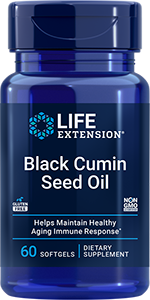
Black seed oil (or black cumin seed oil) is typically made by cold pressing or solvent extraction from the seeds of Nigella sativa, a flowering plant native to Southwest Asia. Every milliliter contains a blend of fatty acids, phytosterols, and powerful antioxidants, chief among them thymoquinone.
Not to be confused with culinary cumin, black cumin seed oil has been prized for centuries in Middle Eastern, African and South Asian traditions. Although people have long turned to black cumin oil for hair and a variety of other uses—such as digestive support, respiratory comfort and vitality—not all of these black seed oil uses are supported by science.
The benefits it is known for, however, make it deserving of a place in almost anyone's supplement routine.
Science-backed benefits of black seed oil

1. Immune health.
Black seed oil's support for immune system health and immune cell function is well-studied. A meta-analysis of randomized controlled trials found Nigella sativa oil supplementation helped support immune health against seasonal challenges in adult participants.
2. Healthy inflammatory response.
Black seed oil has also been studied to help support a healthy inflammatory response. A meta-analysis found that N. sativa supplementation helped maintain healthy C-reactive protein (CRP) levels.
3. Antioxidant properties.
Antioxidants in black seed oil, largely from thymoquinone, help neutralize free radicals in the body and protect cells from oxidative stress. In the same meta-analysis above, participants taking black seed oil experienced significantly increased total and plasma antioxidant capacity, which supports cellular health and protection.
Black Seed Oil vs. Black Seed Extract
You can find supplements made with a full-spectrum black seed oil and a standardized black seed extract. To understand the difference between the two, think of the oil as a whole apple or a salad, while the extract is just a part, such as the apple skin or the olives from the salad.
Both offer scientifically studied benefits, but these benefits are not the same. While black seed oil is known for its whole-body health benefits, including immune support, black cumin seed extract standardized to 5% thymoquinone has been studied to support healthy sleep. Among the results:
- 70% of participants reported improved sleep satisfaction within a week
- 79% reported greater satisfaction by day 14
- Participants experienced a healthy response to stress, as measured by melatonin and cortisol patterns
How does black seed oil work in the body?
Black seed oil, mainly thymoquinone, has antioxidant effects and helps combat oxidative stress in the body. Research has also found targeted benefits:
| Nutrient | Targeted Benefit |
|---|---|
| Black cumin seed oil | Immune health; healthy inflammatory response |
| Black cumin seed extract | Healthy sleep; healthy response to stress |
| Black cumin seed oil + turmeric extract | Whole-body health; immune and healthy inflammatory response |

Explore Our Best Immune Support Supplements
Nutrients that complement black seed oil
While black seed oil offers powerful health support on its own, research shows its benefits can complement the effects of other evidence-backed nutrients, especially those that support immune defense, a healthy inflammatory response, and overall vitality.
Some key nutrients that complement black seed oil include the following:
1. Curcumin.
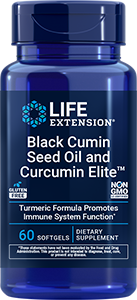
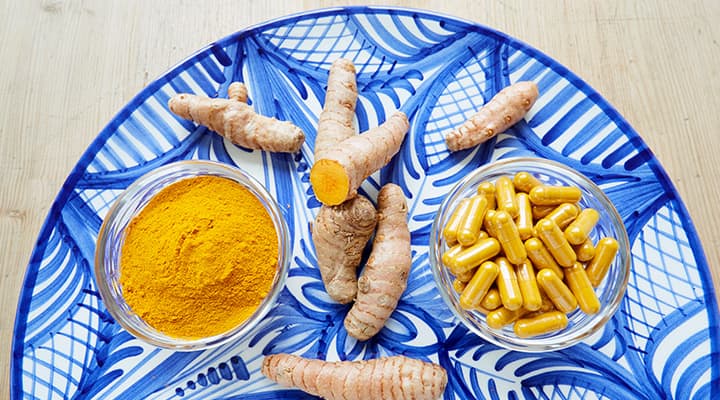
Curcumin is an active compound found in turmeric, and it is well-known for its ability to help inhibit inflammation to support whole-body health. This benefit pairs well with black seed oil's ability to promote a healthy inflammatory response. Choose a black seed oil and curcumin formula that is high in bioavailable free curcuminoids for more comprehensive full-body health support.
2. Ashwagandha.
This Ayurvedic herb, also known as Withania somnifera, helps support a healthy stress response—a vital benefit in today's fast-paced society. Ashwagandha encourages a healthy balance of the stress-related hormones cortisol and DHEA and promotes emotional well-being.
3. Vitamin D3.
Many of us don't get enough vitamin D from sunshine and diet alone—but we need this nutrient for healthy bones and a strong immune system. That's where a supplement can help. Vitamin D is also important for cognitive health, heart health, and maintaining already-healthy blood pressure.
4. Magnesium.
This vital mineral is involved in over 600 biochemical reactions in your body, supporting your heart, bone, nerve, and muscle health. Many people do not get enough magnesium in their daily diet, so a supplement like magnesium glycinate can help fill in the gaps.
5. Zinc.
Zinc may not be as well-known as magnesium, but this mineral is a popular one for supporting healthy immune function. It's also a component of one of your body's most powerful antioxidant enzymes and is used for hormone production, protein and DNA synthesis, and metabolism. In supplements, zinc formulas are designed for both daily and on-demand use.
6. Mushrooms and beta-glucans.
Mushrooms and beta-glucans, whether in mushroom coffee or supplements, have a well-recognized reputation for health. Several clinical studies have shown the immune-promoting benefits of ß-glucans. Although ß-glucans are found in small amounts in baker's yeast, mushrooms, and cereal grains, it is easier to achieve clinically studied levels with a daily supplement that helps support your immune system's primary defenders.
Lifestyle habits that enhance black seed oil benefits

When taking black seed oil, it's important to also pair it with healthy lifestyle choices. Daily habits that support immune health, healthy inflammatory response and cellular health can add to the benefits of black seed oil.
- Exercise. Engaging in regular physical activity can support immune health. Whether you're weight training, running or even just brisk walking, any form of exercise can benefit your body.
- Sleep. Aim to get 7–9 hours of sleep each night so your body can carry out critical recovery processes, including maintaining a healthy inflammatory response.
- Healthy diet. You've probably heard the saying, "You are what you eat!" A balanced, healthy diet is essential to healthy aging and overall wellness. Make sure to include nutrient-dense foods like fruits, vegetables and whole grains, which provide co-nutrients that work in combination with black seed oil.
How to take black seed oil supplements safely
Taking black seed oil can offer a variety of health benefits when used correctly. It's important to understand the right dosage, form and timing to get the most from your supplement. Always follow the label directions or the advice of a healthcare provider to make sure you are taking black seed oil safely.
- Form: Taking black seed oil in softgels is a popular option, as it is properly dosed and convenient to take. Softgels also mask the oil's bitter taste, unlike a liquid form.
- Dosage: Look for supplements that provide a dosage of 1g of black seed oil per day.
- Timing: Always follow the instructions on your supplement label. Consistency is key, so take it at a time convenient for you.
FAQs
How do you incorporate black seed oil in your diet?
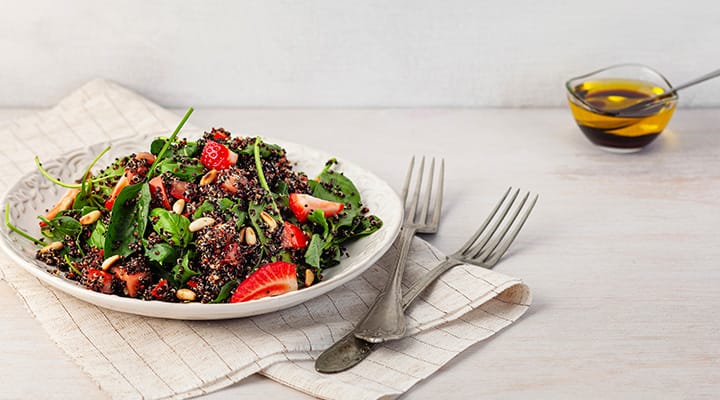
You can drizzle liquid black seed oil on salads or smoothies, but the most reliable approach is a standardized supplement to ensure clinically studied dosing.
Can you take black seed oil every day?
Yes! Black seed oil supplements are designed for daily use to support antioxidant defenses, immune health, a healthy inflammatory response and whole-body wellness.
Can I take black seed oil on an empty stomach?
Follow the instructions on your supplement label. If it doesn't mention taking it with food, you can take it at a time that best fits your lifestyle.
Key Takeaways
- Taking black seed oil can offer a variety of health benefits when used correctly, especially when paired with regular exercise and healthy sleep.
- Nutrients that support immune and healthy inflammatory response, like vitamin D and curcumin, can complement black seed oil supplementation.
- Black seed oil and black seed extract have different benefits. While black seed oil supports healthy inflammatory response and whole-body health in clinical studies, black seed extract supports healthy sleep.


About the Author: Carlie Bell, ND, is a licensed Naturopathic Physician and adjunct medical instructor at Saint Louis University. Dr. Bell is also the program director of the American College of Acupuncture and Oriental Medicine.
References
- Ahmed M. "Targeting aging pathways with natural compounds: a review of curcumin, epigallocatechin gallate, thymoquinone, and resveratrol." Immun Ageing. July 2025. https://pubmed.ncbi.nlm.nih.gov/40611111/
- Alberts A, et al. "Nigella sativa: A Comprehensive Review of Its Therapeutic Potential, Pharmacological Properties, and Clinical Applications." Int J Mol Sci. December 2024. https://pubmed.ncbi.nlm.nih.gov/39769174/
- Chatterjee G, et al. "A Comprehensive Review of the Antioxidant, Antimicrobial, and Therapeutic Efficacies of Black Cumin (Nigella sativa L.) Seed Oil and Its Thymoquinone." J Med Food. April 2025. https://pubmed.ncbi.nlm.nih.gov/39807848/
- Fuller R, et al. "Yeast-derived β-1,3/1,6 glucan, upper respiratory tract infection and innate immunity in older adults." Nutrition. July-August 2017. https://pubmed.ncbi.nlm.nih.gov/28606567/
- Goodwill AM, Szoeke C. "A Systematic Review and Meta-Analysis of The Effect of Low Vitamin D on Cognition." J Am Geriatr Soc. October 2017. https://pubmed.ncbi.nlm.nih.gov/28758188/
- He Y, et al. "Meta-analysis of randomized controlled trials assessing the efficacy of nigella sativa supplementation for allergic rhinitis treatment." Front Pharmacol. September 2024. https://pubmed.ncbi.nlm.nih.gov/39372205/
- Jablonski KL, et al. "25-Hydroxyvitamin D deficiency is associated with inflammation-linked vascular endothelial dysfunction in middle-aged and older adults." Hypertension. January 2011. https://pubmed.ncbi.nlm.nih.gov/21115878/
- Kumar D, et al. "Enhanced bioavailability and relative distribution of free (unconjugated) curcuminoids following the oral administration of a food-grade formulation with fenugreek dietary fibre: A randomised double-blind crossover study." Journal of Functional Foods. April 2016. https://www.sciencedirect.com/science/article/abs/pii/S1756464616000426
- Mah E, et al. "Beverage Containing Dispersible Yeast β-Glucan Decreases Cold/Flu Symptomatic Days After Intense Exercise: A Randomized Controlled Trial." J Diet Suppl. 2020. https://pubmed.ncbi.nlm.nih.gov/30380356/
- Majumdar A, et al. "Zinc Deficiency: Impact on Growth, Immunity, and the Role of Plant-Based Nutritional Strategies." Chem Biodivers. June 2025. https://pubmed.ncbi.nlm.nih.gov/40460298/
- McFarlin BK, et al. "Oral Supplementation with Baker's Yeast Beta Glucan Is Associated with Altered Monocytes, T Cells and Cytokines following a Bout of Strenuous Exercise." Front Physiol. October 2017. https://pubmed.ncbi.nlm.nih.gov/29104540/
- Méndez López LF, et al. "Dietary Modulation of the Immune System." Nutrients. December 2024. https://pubmed.ncbi.nlm.nih.gov/39770983/
- Mitra A, Abedon B. "A Standardized Withania Somnifera Extract Significantly Reduces Stress-Related Parameters in Chronically Stressed Humans: A Double-Blind, Randomized, Placebo-Controlled Study." ResearchGate. November 2008. https://www.researchgate.net/publication/242151370_A_Standardized_Withania_Somnifera_Extract_Significantly_Reduces_Stress-Related_Parameters_in_Chronically_Stressed_Humans_A_Double-Blind_Randomized_Placebo-Controlled_Study
- Mohan ME, et al. "A proprietary black cumin oil extract (Nigella sativa) (BlaQmax®) modulates stress-sleep-immunity axis safely: Randomized double-blind placebo-controlled study." Front Nutr. April 2023. https://pubmed.ncbi.nlm.nih.gov/37139438/
- Mohit M, et al. "Effect of Nigella sativa L. supplementation on inflammatory and oxidative stress indicators: A systematic review and meta-analysis of controlled clinical trials." Complement Ther Med. November 2020. https://pubmed.ncbi.nlm.nih.gov/33183658/
- Pandit S, et al. "Effects of Withania somnifera Extract in Chronically Stressed Adults: A Randomized Controlled Trial." Nutrients. April 2024. https://www.mdpi.com/2072-6643/16/9/1293
- Pludowski P, et al. "Vitamin D supplementation guidelines." J Steroid Biochem Mol Biol. January 2018. https://pubmed.ncbi.nlm.nih.gov/28216084/
- Shi X, et al. "Exercise workload: a key determinant of immune health - a narrative review." Front Immunol. July 2025. https://pubmed.ncbi.nlm.nih.gov/40777031/
- Singh KK, et al. "Sleep and Immune System Crosstalk: Implications for Inflammatory Homeostasis and Disease Pathogenesis." Ann Neurosci. September 2024. https://pubmed.ncbi.nlm.nih.gov/39544655/
- Stefanache A, et al. "Understanding How Minerals Contribute to Optimal Immune Function." J Immunol Res. November 2023. https://pubmed.ncbi.nlm.nih.gov/37946846/
- Xu Q, et al. "Curcumin and multiple health outcomes: critical umbrella review of intervention meta-analyses." Front Pharmacol. June 2025. https://pubmed.ncbi.nlm.nih.gov/40538540/
- "Magnesium." National Institutes of Health. June 2022. https://ods.od.nih.gov/factsheets/Magnesium-HealthProfessional/

Always be in the know!
Access the latest deals, wellness news, expert health tips & more!
Popular Supplement