11 Foods High in Zinc
Published: June 2026
At a Glance
- Zinc is an essential mineral involved in over 300 enzymatic reactions in the body.
- Zinc absorption declines with age, and not all dietary sources are easy for the body to absorb equally.
- Seafood, meat, nuts, seeds, and whole grains are good sources.
Ever heard that zinc is good for the immune system? Turns out zinc deserves more credit than just that. Zinc is an essential mineral involved in over 300 enzymatic reactions in the body. The catch? Zinc absorption declines with age, and not all dietary sources are easy for the body to absorb equally.
Whether you're looking to support your immune system, support neurological health, maintain healthy vision, or simply make sure you're getting enough of this critical nutrient, here's a guide to 11 of the foods highest in zinc, what affects absorption, and where a high-quality zinc supplement can help fill in gaps (especially if weekly seafood towers aren't exactly in your budget right now).
Seafood sources of zinc
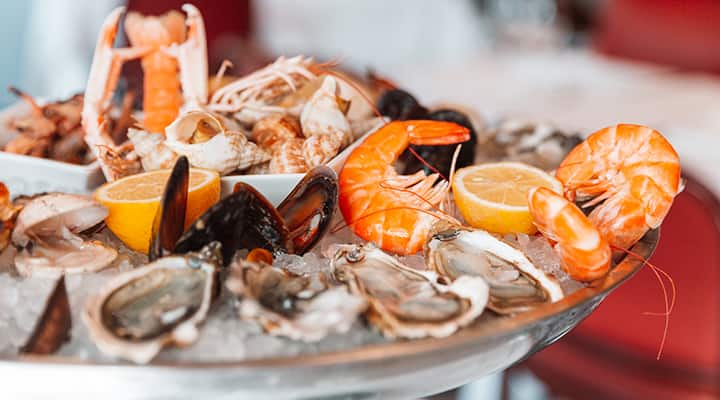
One food category worth not swimming past—seafood! Seafood is one of the richest sources of zinc.
Worth noting: some people avoid eating shellfish because it contains dietary cholesterol, but in fact, shellfish is low in saturated fat. Research shows that foods high in saturated fat, not dietary sources of cholesterol, are what directly impact blood cholesterol. So, if you needed an excuse to swing by your favorite seafood restaurants—here's your green light!
1. Oysters
Oysters are the king of zinc. They provide between 28-40 mg of zinc per 3 oz. serving, and some varieties can reach as high as 74 mg—well above the zinc RDA (recommended dietary allowance) of 11 mg for men and 8 mg for women. The exact amount varies on whether oysters are farmed or wild-caught, and whether they come from the east or west coast. But all types are excellent sources of zinc.
2. Alaskan king crab
Crab lovers, be sure to reach for Alaskan king crab, which takes the crown for being the crab highest in zinc. You'll get up to 7.62 mg of zinc per 3.2 oz. serving. Other crab varieties like blue crab and snow crab are also zinc-rich crabs worth adding to your plate.
3. Mussels
Mussels may be tough to pry open, but they pack a wealth of zinc. A 3.5 oz. serving provides 2.67 mg of zinc. They are delicious when enjoyed with a squeeze of lemon juice as an appetizer or incorporated into dishes like seafood pasta or paella.
4. Lobster
Nothing says a luxurious dinner like a plate of lobster, but did you know that it's also mineral-rich? Depending on the variety, a 3.5 oz. serving of lobster contains anywhere between 4.05-7.27 mg of zinc.
5. Fin fish
While these fish don't have as much zinc as shellfish counterparts, anchovies, sardines, and herring, along with fatty fish like mackerel and salmon, are still worthwhile sources of zinc. A 3-oz. serving packs anywhere between 0.4-1.25 mg of zinc. One cup of sardines contains 1.25 mg of zinc.
Lean red meat sources of zinc

6. Lean ground beef
Lean ground beef has about 6-7 mg of zinc per 3.5 oz. serving. Look for the leanest option, such as 94% beef and 6% fat to keep your intake of high-quality lean protein high and your saturated fat content low. Lean ground beef is also a good source of iron and vitamin B12, which supports red blood cell production and metabolic function.
7. Chuck roast
A 3.5 oz. serving of a chuck roast provides 7.09 mg of zinc. Chuck roast is a high-quality protein source, rich in vitamins and minerals—but higher in fat than leaner cuts—so trim visible fat before cooking to reduce your saturated fat intake.
8. Poultry
Chicken and turkey are also sources of zinc, particularly the dark meat. A 3 oz. serving of dark meat turkey provides about 1.5-4 mg, while dark meat chicken provides about 1-2.4 mg.
"Zinc is required for the activity of over 300 enzymes and plays a role in supporting immune, neurological, and eye health. Zinc levels vary with diet and tend to decline with age, so it's important to maintain optimal levels and intake."
Plant-based zinc sources
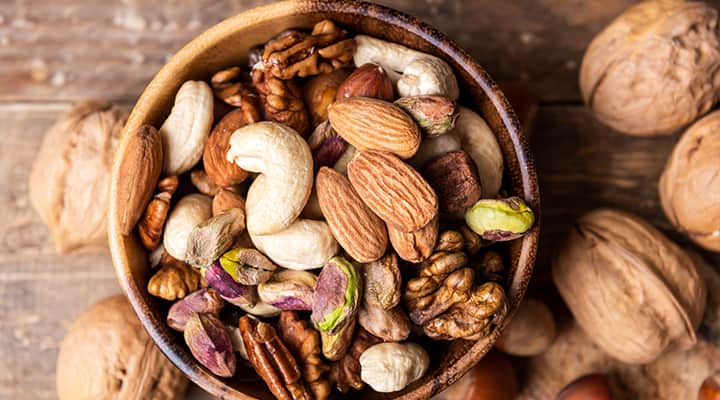
Not big on surf and turf? There are foods high in zinc that work for vegetarians and vegans too.
9. Seeds
Seeds are a versatile food easy enough to sprinkle onto any dish. Pumpkin seeds are small but mighty, providing about 7.64 mg of zinc per 3.5 oz. serving, while hemp seeds have about 10 mg of zinc per 3.5 oz. serving. Choose unsalted or lightly salted for a heart-healthy option.
10. Nuts
Nuts are another staple that work beautifully as a salad topper, stirred into cereal bowls, or as the crunchy coating on seafood or poultry. Pine nuts have about 7 mg of zinc per 3.5 oz. serving, and raw cashews have about 5-6 mg per 3.5 oz. serving. While nuts are nutrient-dense they also are calorie-dense as a source of dietary fat, so be mindful of portion sizes.
11. Whole grains
Brown rice, oats, quinoa all contain zinc, as do most whole grains. But one grain that deserves more love is wheat germ: one cup has about 14 mg of zinc per serving. This breaks down to about 17 mg per 3.5 oz. serving—making them a strong plant-based source of zinc.
| Food | Amount of Zinc Per Serving | % of Zinc Daily Value |
|---|---|---|
| Oysters | 28-74 mg per 3 oz. | 255-673% |
| Alaskan king crab | 7.62 mg per 3.2 oz. | 69% |
| Lobster | 4.05-7.27 mg per 3.5 oz. | 37-66% |
| Mussels | 2.67 mg per 3.5 oz. | 24% |
| Fin fish (anchovies, sardines, salmon, mackerel) | 0.4-1.1 mg per 3 oz. | 4-10% |
| Lean ground beef | 6-7 mg per 3.5 oz. | 55-64% |
| Chuck roast | 7.09 mg per 3.5 oz. | 65% |
| Dark meat turkey | 1.5-4 mg per 3 oz. | 14-36% |
| Dark meat chicken | 1-2.4 mg per 3 oz. | 9-22% |
| Hemp seeds | 10 mg per 3.5 oz. | 91% |
| Pumpkin seeds | 7.64 mg per 3.5 oz. | 69% |
| Pine nuts | 7 mg per 3.5 oz. | 64% |
| Cashews | 5-6 mg per 3.5 oz. | 45-55% |
| Wheat germ | ~17 mg per 3.5 oz. | 155% |

Explore Our Best Heart Health Supplements
FAQs
Why do we need zinc?

Zinc is an essential micronutrient that supports immune, neurological, and vision health and is responsible for hundreds of enzymatic reactions.
Immune health:
Zinc supports proper immune function. Older adults should be especially mindful of their intake of zinc, as its immune function declines with age and it becomes more difficult to absorb zinc as we age too.Neurological health:
Zinc helps maintain a healthy brain and nervous system function. It plays a role in supporting memory and learning.Eye health:
Zinc helps support healthy vision. Research found that taking high levels of vitamins and minerals including zinc could help maintain vision with age.Enzymatic reactions:
Over 300 enzymes in the body require zinc to function. These zinc-containing enzymes play essential roles in hormone production, protein and DNA synthesis, insulin production, and thyroid metabolism.
How to tell if you're not getting enough zinc

What are signs of low zinc levels?
Some signs that zinc levels may be low include fatigue or low energy, reduced appetite, and/or irritability. If you suspect you are running low in zinc, speak with your healthcare provider, and have your levels checked.
Who is most at risk for low zinc levels?
Zinc absorption naturally declines with age, so older adults could benefit from higher zinc intake. Vegetarians and vegans may also be at risk of being low in zinc due to the phytates present in many plant foods which inhibit absorption. And people with gastrointestinal issues may not be absorbing as much from food as other populations.
| Zinc Needs by Age and Gender | Male Adults 19+ | Female Adults 19+ |
|---|---|---|
| Recommended daily allowance* | 11 mg/day* | 8 mg/day* |
| Amount recommended for optimal health** | 25-50 mg/day** | 25-50 mg/day** |
*The RDAs are the nutrient levels determined by the Food and Nutrition Board to be adequate for most needs.
**Life Extension generally suggests 25-50 mg daily for optimal health.
Is the zinc in plant foods less bioavailable than in shellfish and meat?
Yes. Plant-based food sources of zinc are less bioavailable than zinc from animal-based sources. This is because plant-based foods contain phytates, compounds that bind to zinc in the intestine, forming an insoluble complex that limits how much zinc the body can absorb.
How can I improve my zinc intake and absorption?
- Choose a high-quality zinc supplement.
- Always follow the product label and consult with your health care provider before adding new supplements to your routine.
- Omnivores (people who eat both animal and plant foods) should choose a variety of both animal-based and plant-based sources of zinc.
- Soak legumes before cooking—as soaking can help reduce phytate concentration and improve zinc bioavailability.
Key Takeaways
- Zinc is beneficial for the immune system, eyes, and neurological health.
- Zinc in plant foods is less bioavailable than in shellfish and meat.
- Zinc supplements can help fill in nutrient gaps from your diet.


References
- Abera S, et al. "Effect of Processing Methods on Antinutritional Factors (Oxalate, Phytate, and Tannin) and Their Interaction with Minerals (Calcium, Iron, and Zinc) in Red, White, and Black Kidney Beans." Int J Anal Chem. October 2023. https://pubmed.ncbi.nlm.nih.gov/37886707/
- Evans JR, Lawrenson JG. "Antioxidant vitamin and mineral supplements for slowing the progression of age‐related macular degeneration." Cochrane Library. September 2023. https://www.cochranelibrary.com/cdsr/doi/10.1002/14651858.CD000254.pub5/full
- Li Z, et al. "The Important Role of Zinc in Neurological Diseases." Biomolecules. December 2022. https://pubmed.ncbi.nlm.nih.gov/36671413/
- Liyanage NM, et al. "Shellfish as a Source of Bioactive Compounds and Extracts: A Comprehensive Review of Their Anticancer and Antimicrobial Properties." Mar Drugs. February 2026. https://pubmed.ncbi.nlm.nih.gov/41745477/
- Raza N, et al. "Nutritional and Health Potential of Edible Seeds: Micronutrient Bioavailability and Mechanistic Insights." Food Sci Nutr. January 2026. https://pubmed.ncbi.nlm.nih.gov/41625268/
- Schulz MT, Rink L. "Zinc deficiency as possible link between immunosenescence and age-related diseases." Immun Ageing. May 2025. https://pubmed.ncbi.nlm.nih.gov/40390089/
- Stadnik J. "Nutritional Value of Meat and Meat Products and Their Role in Human Health—2nd Edition." Nutrients. 2026. https://www.mdpi.com/2072-6643/18/1/137
- Tokarczyk J, Koch W. "Dietary Zn-Recent Advances in Studies on Its Bioaccessibility and Bioavailability." Molecules. June 2025. https://pubmed.ncbi.nlm.nih.gov/40649260/
- USDA National Nutrient Database for Standard Reference: Zinc. October 2015. https://ods.od.nih.gov/pubs/usdandb/Zinc-Content.pdf
- "Zinc." National Institutes of Health. January 2026. https://ods.od.nih.gov/factsheets/Zinc-HealthProfessional/

Always be in the know!
Access the latest deals, wellness news, expert health tips & more!
Popular Supplement