15 Summer Supplements to Heat-Proof Your Health
Published: July 2025 | Updated: June 2026

At a Glance
- Longer days and UV exposure can impact your nutritional needs in summer.
- Vitamin B3 and other nutrients can help safeguard your skin from the inside out.
- More time outdoors doesn't mean you don't need vitamin D.
- Supplements like zinc and probiotics can help support immune system and gut health during summer travel.
Ah, summertime: longer days, warmer nights, vacations and more time soaking up the sun. For many, it's an absolute dream (especially after months of gray days and freezing temps). But the reality is—and not to sound like a wet (beach) blanket—the same things you love most about summer can have a not-so-great impact on your health if you don't plan for them.
One of those things is the heat, which comes with increased sweat and the greater need for electrolytes to maintain balance. Also, because summer days are longer, you're getting more of the sun's rays. This can boost your body's production of vitamin D, but it can also affect your circadian rhythm and sleep patterns and contribute to premature skin aging.
Set your summer up for success! Adding the right supplements, like vitamin C and ceramides, to your routine can help you steer clear of heat-related pitfalls and make your sunny days shine even brighter. Here are the best ones to add to your routine.
Core Summer Supplements

Whether you live where it's always sunny or your region is just waking up from winter slumber, summer supplements can offer support. "It's important to change your supplement routine for summer because the body's needs revolve just like the seasons revolve," said Stephen Tapanes, PhD, a research scientist at Life Extension.
You don't need to take every vitamin under the sun, though. Consider these four nutrients your foundation for supporting summer vitality.
1. Vitamin C
For longer days outside, vitamin C is a bright idea. The antioxidant's well-deserved reputation for immune support has been documented over decades of research and use. In fact, one clinical study found that a daily oral dose of 500 mg of vitamin C helped support immune function. Vitamin C also supports heart and respiratory health and collagen synthesis. While savoring slices of grapefruit or squeezing lemon into your water are good ways to get vitamin C, including a supplement in your routine can make your summer even sweeter.
2. Vitamin D
Yes, sunshine naturally increases the amount of vitamin D your body creates, but you may still need vitamin D supplements in the summer. This is especially relevant if you stay indoors, use a high-SPF sunscreen, are older or have darker skin tone.
While it's well-known that vitamin D helps your body absorb calcium and phosphorus for strong bones, did you know it also promotes heart and cognitive health? And data from one study of 25 randomized controlled trials found that vitamin D supplementation also supports immune health. That makes vitamin D a bright spot in summer wellness.
Try to get 10-15 minutes of morning sunlight two to three times a week, and put foods rich in vitamin D (fatty fish, eggs and mushrooms) on the menu. But even with diet, many Americans are lacking in vitamin D. Testing your levels and adding a daily supplement may help.

3. Magnesium
When the sun's out, the fun's out: more outdoor sports, swimming, and running on trails instead of the treadmill. But summer's heat also means more sweat. As your body loses water, it also loses key minerals like magnesium, an electrolyte that plays a major role in more than 600 biochemical reactions that support (among others) heart, bone, muscle and nerve health.
This can be important in fitness, because the need for magnesium may be 10-20% higher in athletes and those engaging in high physical activity, thanks to sweat loss and urine.
Staying hydrated is a great first step, but keeping your electrolyte levels steady is just as important when you're trying to beat the heat. That's where a magnesium glycinate supplement may come in handy. This special form of magnesium is combined with the amino acid glycine and is well-absorbed, meaning different parts of your body can easily make use of this valuable mineral.

4. Immune system support
Summer activity can increase some of the metabolic demands on your body, and your immune system is already energetically demanding. And don't forget another trip around the sun (as in aging) means the aging of your immune system (called immune senescence).
Fortunately, you can combat immune senescence with exercise (which may be easier to do in the summer), immune-promoting foods and supplements. Zinc and vitamins C and D are well-known for immune support, and supplement formulas with mushroom and pu-erh tea extracts have been studied to help maintain a healthy immune response as you age.
During the summer, strike the right mix of indoor and outdoor activities to support your immune system while staying out of the heat. Schedule swim sessions or pickleball matches at an indoor facility a few days a week, then take an early morning walk or sunset jog on alternate days.
"It's important to change your supplement routine for summer because the body's needs revolve just like the seasons revolve."
Heat-Beating Supplements

If there's one thing summer always delivers, it's heat! Which can be…exhausting. As the mercury rises and activities move outside, these supplements can help protect your energy levels (and skin) from too much of a good thing.
5. NAD+
When you're out hitting the beach, the boardwalk, and the basketball court, chances are your energy level is taking a hit, too. That's where NAD+ comes in. A coenzyme found in every cell of the body, nicotinamide adenine dinucleotide (NAD+) acts like a spark plug for cellular energy production.
You can help your body maintain healthy NAD+ levels through exercise, diet and NAD-supporting supplements with precursors such as nicotinamide riboside (NR) and nicotinamide mononucleotide (NMN). Your body uses these molecules to support NAD+ production and encourage cellular energy. And since NAD+ levels naturally decline over time, you may want to take this healthy aging supplement year-round.
6. Collagen
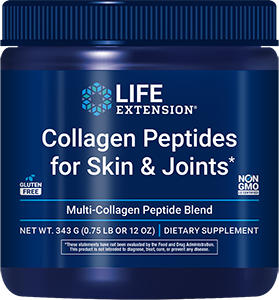
Collagen, the protein synonymous with gorgeous, glowing skin, is an ally in supporting skin health, especially in summer months. While we love our time in the sun, UV exposure can cause premature skin aging, leading to the appearance of fine lines and wrinkles over time. Collagen is a key component of skin that helps keep it looking healthy and functioning properly.
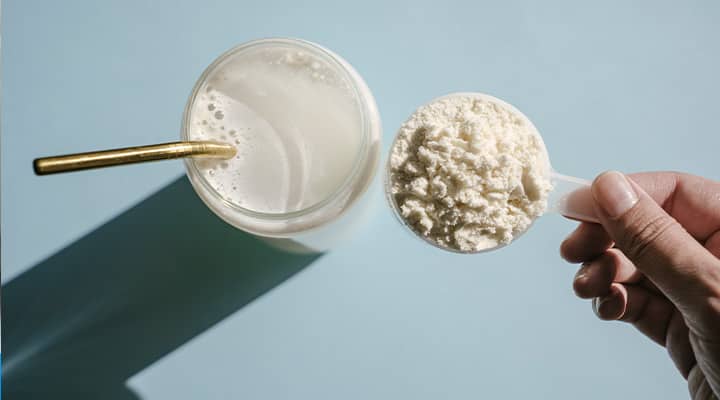
Collagen peptide supplements can support your body’s collagen production during the summer months and beyond, often more easily than collagen you get from food. The collagen normally found in your diet may be difficult for your body to absorb because of its size and structure. Supplements use the hydrolyzed, or peptide, form of collagen because it is easier to absorb. Hydrolyzed collagen also comes in capsules or a powder form that is perfect for adding to a summer smoothie.

7. UV and DNA support
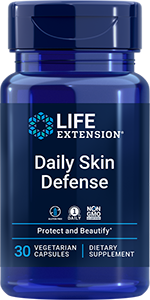
To fully enjoy all your moments in the sun, stock up on mineral-based sunscreen, and add UV protective clothing to your summer wardrobe. These are important first steps for summer health and skin protection. You can take your UV and DNA support to the next level with a seasonal supplement that contains niacinamide, a form of vitamin B3. (If you spend a lot of time outdoors year-round, there's no reason why you shouldn't take it daily.) It is shown to support the body's natural immune response to UV exposure. Polypodium leucotomos, a fern extract, also helps support skin health and protect against premature aging from outdoor activity, plus it works to promote healthy DNA before, during and after ultraviolet exposure.
8. Ceramides
Summer's heat, and even the dry indoor air from air conditioning, can really sap your skin's moisture. So you want to help your skin retain moisture and promote its overall health, appearance and smoothness. Ceramides promote a healthy skin barrier, which helps support skin hydration and health. Photoceramide supplements that include vitamin C and plant extracts may be even more effective, combining the benefits of hydration, collagen production and protection against everyday oxidative stress.
Summer travel supplements

There's nothing quite like summer travel: family, food, fun and far-away places. But these trips may throw off your well-being. Trust these five supplements to be your go-tos when you're going places.
9. Zinc
When it comes to packing summer supplements, think zinc. This essential mineral and antioxidant is an affordable, accessible option that comes in many carry-on-ready varieties (perfect for taking before boarding the plane, train or bus). Zinc is key for immune function and is an essential component of superoxide dismutase, one of your body's most powerful natural antioxidant enzymes. Zinc is also required for the activity of over 300 enzymes in your body.
Found naturally in oysters, beef, blue crabs, pumpkin seeds, and tofu, zinc is also an effective, eco-friendly ingredient in mineral sunscreen formulas.
10. Quercetin
Changing time zones, disrupted sleep patterns, and crowded airports can all challenge your immune system. Quercetin may be able to help. This antioxidant-rich dietary flavonoid, found naturally in fruits and veggies like dark grapes, berries and raw broccoli, encourages heart health and supports a healthy immune response. But traditional quercetin supplements aren't easy for the body to use. When choosing your travel companion, look for quercetin supplements with fenugreek fibers that help enhance the bioavailability.

11. Probiotics
Exploring new cultures and their culinary specialties is a thrilling part of summer vacation. What isn’t thrilling is how your gut may react to unfamiliar flavors and irregular eating schedules. The shift can challenge your microbiome, leading to occasional bloating, constipation and gas. Bring probiotics on your summer trip to help promote optimal digestive health and encourage GI comfort. Look for advanced probiotics combined with phage technology, which can provide comprehensive support for your gut microbiome, promote regularity and help relieve occasional gas and bloating. It’s a must-have for any culinary adventure.
12. Digestive enzymes
Summer is filled with barbecues, picnics and potlucks. Delicious as it sounds, all that summer feasting could be unsettling for your tummy—especially if you follow a plant-based diet or feel challenged by foods like dairy. Digestive enzymes may be just what you need to help provide your body with additional digestive support as you navigate summer's calendar. They encourage optimal digestion of the foods you eat, including plant-derived sugar and starch, protein, dairy, fiber and fat. This GI support can be especially welcome during a summer celebration or a long day of travel.
13. GABA
Before you catch that flight, grab your GABA (gamma-aminobutyric acid). This amino acid is your brain's main "braking" neurotransmitter, and it can help calm your mind in stressful situations—like an airport crowded with impatient passengers. GABA has been clinically studied to help relieve occasional stress, promoting a healthy stress response in as little as 30 minutes.
It also encourages a relaxed state of mind, a balanced mood and better sleep, with participants in a clinical study reporting falling asleep faster than the placebo group. That means if your plane jumps time zones or you're sleeping in an unfamiliar environment, GABA may be able to help you rest a little easier.
Summer must-haves for increased activity
If you're not the "lazy summer" type and plan to spend more time on your feet while checking out the local sites, you'll want to support your joints and muscles. Check out these seasonal supplements to keep you moving freely all summer long.
14. Curcumin
If you're an avid runner, bicyclist, swimmer, or pickleball player, the summer heat isn't going to stop you. But your body may want reinforcements to keep moving smoothly. Curcumin, the bright-yellow polyphenol compound found in turmeric, is a great supplement for inflammation health support during the summer and beyond. Curcumin promotes a healthy inflammatory response, heart and brain health, and a healthy immune response. And advanced formulas deliver up to 45 times more free curcuminoids and include ginger extracts to complement curcumin's benefits. That's a lot of support!
15. Acetyl-L-carnitine and creatine
Whether you're a champion marathoner or a leisurely walker, your muscles and joints may feel more fatigued from summer exercise. When the heat is on, your cells work overtime to produce energy. You can count on creatine and acetyl-L-carnitine for cellular energy support, and this two-punch formula can give your brain a boost, too!
A well-known fitness booster, creatine supports muscle function, promotes cellular energy, and encourages exercise performance and recovery. Acetyl-L-carnitine has been clinically studied to encourage both mental and physical energy as well as cognitive function. This formula is available as a powder, making it easy to add to your favorite summer beverage.
Here's a quick guide to seasonal supplements and how they support your well-being not only in the summer, but all year long:
| Summer health challenge | Nutrients that can help |
|---|---|
| Immune support as you travel and socialize more frequently |
|
| Increased activity | Acetyl-L-carnitine & creatine |
| Stress management | GABA |
| Digestive support |
|
| Skin health |
|
| Electrolyte balance and whole-body health |
|

Explore Our Best Skin Care Products
Key Takeaways
- Investing in a high-SPF, mineral-based zinc sunscreen and UV protective clothing is a good first step to summer wellness.
- Supplements can support wellness during summer's increased time outdoors, longer days, travel and diet changes.
- Some supplements, such as vitamin D, collagen and NAD+ precursors, are beneficial year-round to support healthy aging.

References
- Ahmad R, et al. "Ganoderma lucidum (Reishi) an edible mushroom; a comprehensive and critical review of its nutritional, cosmeceutical, mycochemical, pharmacological, clinical, and toxicological properties." Phytother Res. November 2021. https://pubmed.ncbi.nlm.nih.gov/34411377/
- Chen AC, et al. "A Phase 3 Randomized Trial of Nicotinamide for Skin-Cancer Chemoprevention." N Engl J Med. October 2015. https://pubmed.ncbi.nlm.nih.gov/26488693/
- Chilibeck PD, et al. "Effect of creatine supplementation during resistance training on lean tissue mass and muscular strength in older adults: a meta-analysis." Open Access J Sports Med. November 2017. https://pubmed.ncbi.nlm.nih.gov/29138605/
- De la Fuente M, et al. "Vitamin C and vitamin C plus E improve the immune function in the elderly." Exp Gerontol. December 2020. https://pubmed.ncbi.nlm.nih.gov/33091525/
- Dong G, et al. "Impact of aerobic exercise on immune components across healthy and diseased populations: A systematic review and meta-analysis of randomized controlled trials." J Exerc Sci Fit. October 2025. https://pubmed.ncbi.nlm.nih.gov/41049033/
- Goodwill AM, Szoeke C. "A Systematic Review and Meta-Analysis of The Effect of Low Vitamin D on Cognition." J Am Geriatr Soc. October 2017. https://pubmed.ncbi.nlm.nih.gov/28758188/
- Grant WB, et al. "Vitamin D: Evidence-Based Health Benefits and Recommendations for Population Guidelines." Nutrients. January 2025. https://pubmed.ncbi.nlm.nih.gov/39861407/
- Heinz SA, et al. "Quercetin supplementation and upper respiratory tract infection: A randomized community clinical trial." Pharmacol Res. September 2010. https://pubmed.ncbi.nlm.nih.gov/20478383/
- Huang H, et al. "Effect of quercetin supplementation on plasma lipid profiles, blood pressure, and glucose levels: a systematic review and meta-analysis." Nutr Rev. August 2020. https://pubmed.ncbi.nlm.nih.gov/31940027/
- Kohli I, et al. "The impact of oral Polypodium leucotomos extract on ultraviolet B response: A human clinical study." J Am Acad Dermatol. July 2017. https://pubmed.ncbi.nlm.nih.gov/28341348/
- Kreider RB, et al. "International Society of Sports Nutrition position stand: safety and efficacy of creatine supplementation in exercise, sport, and medicine." J Int Soc Sports Nutr. June 2017. https://pubmed.ncbi.nlm.nih.gov/28615996/
- Liu Y, et al. "Vitamin D and bone health: from physiological function to disease association." Nutr Metab (Lond). October 2025. https://pubmed.ncbi.nlm.nih.gov/41039476/
- Malaguarnera M, et al. "Carnitine derivatives beyond fatigue: an update." Curr Opin Gastroenterol. March 2023. https://pubmed.ncbi.nlm.nih.gov/36821461/
- Martineau AR, et al. "Vitamin D supplementation to prevent acute respiratory tract infections: systematic review and meta-analysis of individual participant data." BMJ. February 2017. https://pubmed.ncbi.nlm.nih.gov/28202713/
- Matek Sarić M, et al. "Magnesium: Health Effects, Deficiency Burden, and Future Public Health Directions." Nutrients. November 2025. https://pubmed.ncbi.nlm.nih.gov/41305676/
- Middelkamp-Hup MA, et al. "Orally administered Polypodium leucotomos extract decreases psoralen-UVA-induced phototoxicity, pigmentation, and damage of human skin." J Am Acad Dermatol. January 2004. https://pubmed.ncbi.nlm.nih.gov/14699363/
- Nestor MS, et al. "Safety and Efficacy of Oral Polypodium leucotomos Extract in Healthy Adult Subjects." J Clin Aesthet Dermatol. February 2015. https://pubmed.ncbi.nlm.nih.gov/25741399/
- Ortiz-Prado E, et al. "Cholecalciferol (vitamin D3): efficacy, safety, and implications in public health." Front Nutr. June 2025. https://pubmed.ncbi.nlm.nih.gov/40551736/
- Pickering G, et al. "Magnesium Status and Stress: The Vicious Circle Concept Revisited." Nutrients. November 2020. https://pubmed.ncbi.nlm.nih.gov/33260549/
- Tecklenburg SL, et al. "Ascorbic acid supplementation attenuates exercise-induced bronchoconstriction in patients with asthma." Respir Med. August 2007. https://pubmed.ncbi.nlm.nih.gov/17412579/
- Wang J, et al. "The effect of physical activity on anti-infection immunity: a review." Health Inf Sci Syst. July 2025. https://pubmed.ncbi.nlm.nih.gov/40717906/
- Yamatsu A, et al. "Effect of oral γ-aminobutyric acid (GABA) administration on sleep and its absorption in humans." Food Sci Biotechnol. April 2016. https://pubmed.ncbi.nlm.nih.gov/30263304/
- Yoto A, et al. "Oral intake of γ-aminobutyric acid affects mood and activities of central nervous system during stressed condition induced by mental tasks." Amino Acids. September 2012. https://pubmed.ncbi.nlm.nih.gov/22203366/

Always be in the know!
Access the latest deals, wellness news, expert health tips & more!
Skin Care Favorite