Iron Supplements for Women
Published: July 2026
At a Glance
- Women experiencing menstruation and pregnancy often have higher iron needs than other women.
- Some iron supplements, such as iron protein succinylate, are more gentle iron forms than others.
- Iron supplements are not for everyone and should only be used based on need and iron status.
- Testing for ferritin, a marker of stored iron, can provide a more complete picture of your iron status.
Many supplements act like a safety net for a healthy diet. The goal is to get all the nutrients you need from food and turn to high-quality, science-backed supplements to fill in any dietary gaps. And if you're already getting plenty of vitamin C or magnesium from food but also get them in your multi? No harm, no foul.
This is not the case with iron supplements. Iron supplements can play a pivotal role in supporting your body's formation of red blood cells, which you need for your immune health and so much more. But if you already have enough iron, you should not take a supplement. In the case of iron, too much is definitely not a good thing!
But many women may benefit from an iron supplement at various stages of their lives. So how do you tell if you're one of them, and if so, which iron (and how much) to take? Not to worry: We've got everything you need to know about iron supplements for women—including what can happen if you take more than you need.
Why do women need more iron than men?
Women typically need more iron than men because they lose iron through menstruation. Iron is required to make hemoglobin, the protein found in red blood cells that carry oxygen throughout the body. This mineral is also essential for immune health. Women's monthly iron losses must be replenished through diet, and in some cases, supplementation.
The Recommended Dietary Allowance (RDA) for iron is 18 mg per day for menstruating women, compared with only 8 mg per day for adult men and most non-menstruating women.
Iron needs also shift throughout life. During pregnancy, requirements increase to 27 mg daily to support increased blood volume and fetal growth. During breastfeeding, needs decrease to 9 mg per day because menstrual blood loss is often reduced. After menopause, iron needs return to 8 mg per day. (Women in perimenopause should base their iron intake on whether they are still regularly menstruating.)
Diet can influence iron requirements, as well. Vegetarian and vegan adults may need nearly twice as much iron because non-heme iron from plant foods is absorbed less efficiently than heme iron from animal foods. Pairing iron-rich plant foods with vitamin C sources like citrus fruits, strawberries and bell peppers can help enhance absorption.
| Life stage | RDA | Reason |
|---|---|---|
| Menstruating women (19–50) | 18 mg/day | Need is higher than in men due to menstrual blood loss |
| Pregnancy | 27 mg/day | Need is higher to support healthy blood volume and fetal growth |
| Breastfeeding/lactation, adults | 9 mg/day | Lower than pregnancy and menstruation, since menstrual losses are often reduced |
| Perimenopause | Use 18 mg/day if still menstruating; 8 mg/day once menses stop | No separate RDA category; needs depend on menstruation status |
| Menopause and postmenopause | 8 mg/day after menses stop | Blood loss is lower so iron overload risk is higher; avoid supplemental iron unless needed |
Types of iron supplements

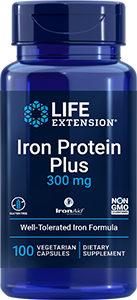
If you need an iron supplement, which one should you take? There are many different types of oral iron supplements available. While they differ in composition, these forms have been shown to be effective at raising iron levels, with no one form being distinctly better than others at this task. That being said, when it comes to both absorption and GI comfort, iron protein succinylate checks both boxes, making it a good choice for anyone with a sensitive stomach.
Iron supplements are available as capsules, tablets and liquid. Always follow the product directions when taking a supplement.
| Iron supplement type | Features |
|---|---|
| Ferrous sulfate |
|
| Iron protein succinylate |
|
| Iron bisglycinate |
|
| Ferrous gluconate |
|
| Ferrous fumarate |
|

Explore Our Best Immune Support Supplements
Who should take iron supplements?
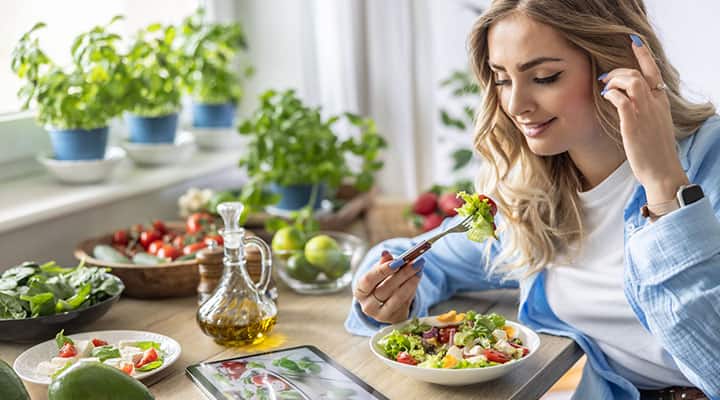
Iron supplements are not for everyone. You can determine if you should take an iron supplement by talking with your healthcare provider and getting iron labs done. Iron supplements are primarily beneficial for people with increased iron needs, including menstruating women with heavy periods, pregnant women, frequent blood donors, people who eat little or no meat, and those with a health status that may affect iron absorption. After menopause, women generally need less iron because monthly menstrual blood loss has stopped. For this reason, postmenopausal women should not take iron supplements unless advised by a healthcare professional.
Some vegetarians and vegans who only consume non-heme (less absorbable) iron may have a harder time meeting their iron needs through diet alone. For those following no-meat diets, an iron supplement may be helpful. Similarly, people with low iron stores may need an iron supplement if diet alone does not support healthy iron levels.
The right iron supplement for you depends on factors such as iron status, diet, life stage and individual tolerance. It's important to choose a supplement in consultation with a healthcare provider. Always discuss your health choices with your provider before starting a supplement or making a large lifestyle change.
The ferritin test: How to tell if you have healthy iron levels
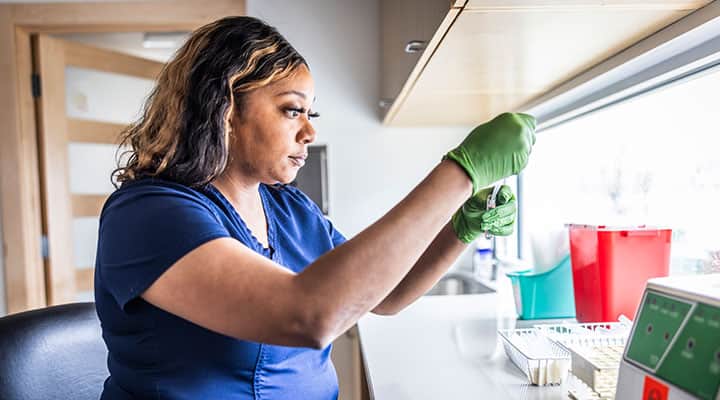
The most reliable way to assess your iron status is through laboratory testing ordered and interpreted by a healthcare provider. Your goal is to get the amount of iron that's right for your individual needs, and understanding your iron status through a blood test is key.
Common screening markers include hemoglobin and hematocrit, which measure the amount of oxygen-carrying red blood cells and the percentage of your total blood volume made up of red blood cells.
However, these markers may not detect early low iron. Ferritin, a marker of stored iron, can help provide a more complete picture because iron stores may decline before changes appear in hemoglobin levels.
Always discuss your health with your healthcare provider if you are concerned. A healthcare professional can help determine whether iron testing is appropriate and interpret your results within the context of your overall health.
"Your goal is to get the amount of iron that's right for your individual needs, and understanding your iron status through a blood test is key."
Iron overload: What happens when you take too much?

Too much iron is not beneficial and can be harmful. Excess iron has been shown to cause gastrointestinal side effects and, in some people, can contribute to iron overload in organs where it can be stored, including the liver and heart.
Iron supplements should only be taken when needed and under medical guidance. Iron-containing products should also be kept out of reach of children, as accidental overdose can be dangerous and even fatal in those under 6.
In some cases, a healthcare provider may recommend taking oral iron every other day rather than daily. This approach may be easier to tolerate and can provide similar absorption in certain situations. Always follow the product label or your healthcare provider's instructions.
FAQs about iron for women

You can get iron from both food and supplements. Here's what you need to know!
Heme vs. non-heme iron: What's the difference?
Iron is found in two forms in food: heme iron and non-heme iron.
- Heme iron is found in animal-based foods such as meat, poultry and seafood and is generally absorbed more efficiently by the body.
- Non-heme iron is found in plant foods and fortified products, including beans, lentils, spinach, tofu and fortified cereals.
Because non-heme iron is less readily absorbed, people who eat little or no animal foods need more total iron from food and may benefit from a supplement. The good news is that vitamin C-rich foods can help improve the absorption of non-heme iron. This is particularly important for people who rely mostly on plant-based sources of iron.
Can eating steak increase your iron levels?
Yes, iron-rich foods such as lean red meat (as well as poultry and shellfish) can help support healthy iron intake since animal products like red meat contain more bioavailable heme iron. However, if you are concerned about low iron levels, it's best to discuss testing and supplemental options with your healthcare provider rather than relying on diet alone.
How long does it take to rebuild ferritin levels with iron supplements in women?
Ferritin reflects iron stores and usually takes longer to increase than hemoglobin. While hemoglobin may improve within weeks, rebuilding ferritin levels often takes several months and depends on factors such as starting iron levels, the type and dose of iron, adherence to your supplement routine and ongoing blood loss.
What’s the best way to ensure you absorb your iron supplements?
Always take your iron supplements as directed by your healthcare provider or according to the product label. Vitamin C may help enhance the absorption of non-heme iron, so some clinicians recommend taking iron with a vitamin C supplement or vitamin C-rich foods.
Coffee can inhibit iron absorption. Calcium supplements and high-calcium foods may also reduce iron absorption when consumed at the same time. Because of this, some healthcare professionals recommend separating them from iron supplements. However, the evidence is mixed, and minor timing differences are unlikely to make a significant impact for most people. Those who struggle to meet their iron needs, though, should be mindful of this interaction.
Key Takeaways
- Both food and supplements can help support healthy iron levels in women.
- Vitamin C-rich foods can help improve the absorption of plant-based, non-heme iron.
- Too much iron can be harmful, making proper testing and guidance important.


References
- Auerbach M, et al. "Iron Deficiency in Adults: A Review." JAMA. March 2025. https://jamanetwork.com/journals/jama/article-abstract/2832131
- DeLoughery TG, et al. "AGA Clinical Practice Update on Management of Iron Deficiency Anemia: Expert Review." Clinical Gastroenterology and Hepatology. August 2024. https://www.cghjournal.org/article/S1542-3565(24)00410-5/fulltext
- Garcia-Erce, et al. "Iron Deficiency and Oral Treatments: Limitations, Pharmacokinetics, and the Role of Iron Protein Succinylate in Clinical Practice." Journal of Clinical Medicine. May 2026. https://www.mdpi.com/2077-0383/15/10/3691
- Pantopoulos K. "Oral iron supplementation: new formulations, old questions." Haematologica. September 2024. https://haematologica.org/article/view/haematol.2024.284967
- Sholzberg M, et al. "Diagnosis and management of iron deficiency in females." Canadian Medical Association Journal. July 2025. https://www.cmaj.ca/content/197/24/E680
- von Siebenthal HK, et al. "Alternate day versus consecutive day oral iron supplementation in iron-depleted women: a randomized double-blind placebo-controlled study." eClinicalMedicine. November 2023. https://www.thelancet.com/journals/eclinm/article/PIIS2589-5370(23)00463-7/fulltext
- "Hemochromatosis (Iron Overload)." Cleveland Clinic. May 2026. https://my.clevelandclinic.org/health/diseases/14971-hemochromatosis-iron-overload
- "Iron." National Institutes of Health. September 2025. https://ods.od.nih.gov/factsheets/Iron-HealthProfessional/

Always be in the know!
Access the latest deals, wellness news, expert health tips & more!
Popular Supplement