6 Marine Supplements You Should Know About
Published: September 2026
At a Glance
- Sea life contains many different nutrients that benefit overall health.
- Fucoidan is a compound in seaweed that supports healthy immune function.
- The iodine found in kelp is essential for thyroid health.
- You can get omega-3s from fatty fish and microalgae.
- Krill deliver omega-3s plus astaxanthin, and astaxanthin is rich in antioxidants.
The ocean is a treasure trove of nutrients, from iodine-rich seaweed and algae to fatty fish like salmon, famous for their brain and heart benefits thanks to their omega-3 fatty acids.
But are you getting enough goodness from the sea? Most Americans (nearly 90%) are not getting the recommended 8 ounces of seafood in their diets each week. (That might be because not everyone likes the taste of the fish and sea plants.)
Supplements offer a convenient way to get nutrients from marine sources without the oceanic (or "fishy") taste. The trick is choosing ocean-based supplements that come from high-quality sustainable sources, and that are tested for quality measures, including purity. (Notably, freshwater alternatives to some marine-based sources are available.)
Let's go over the best ocean-based nutrients and their impressive health benefits, where they come from, plus tips for choosing the best formulas on the market.
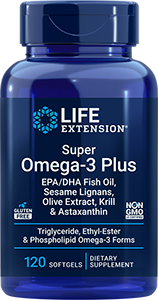
1. Seaweed

Seaweed is a type of algae that belongs to the least-known kingdom of eukaryotic life: protists. Thanks to the popularity of sushi, miso soup, seaweed salad and crispy seaweed snacks, you might already be getting some of seaweed's health perks. Seaweed contains omega-3 fatty acids, fiber, protein, vitamins, minerals and protective plant compounds, including polyphenols and carotenoids. Some varieties of seaweed are also rich in essential amino acids, making seaweed a great source of plant-based protein.
Certain seaweed types contain two similar-sounding beneficial plant compounds: fucoxanthin and fucoidan. Studies have linked fucoxanthin (along with astaxanthin) to support healthy fasting blood sugar levels. And emerging evidence suggests fucoidan may support a healthy immune system. Both of these compounds are antioxidants.
Seaweed is available in a variety of foods. Varieties include nori (seaweed used in sushi rolls and crunchy seaweed snacks), kombu (commonly found in miso soup), and wakame (commonly found in seaweed salads and miso soup).
2. Kelp
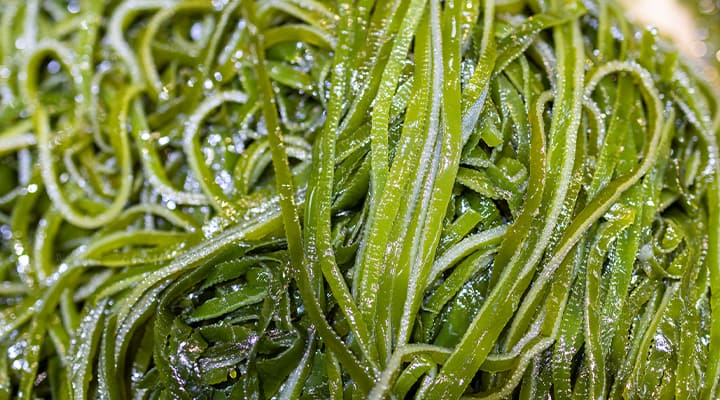
Kelp is the largest subgroup of seaweed. This brown algae grows naturally in shallow, cool coastal waters around the world. Kelp is a popular ingredient in Japanese cuisine, and in the U.S. it can be found in powdered form in seasonings, soups, salads, and noodles.
Kelp contains fiber, vitamin K and iron, and it is one of the best food sources of iodine. Iodine is a trace element that is essential for life, and we cannot produce thyroid hormones without it. Thyroid hormones regulate metabolism and energy use, and they play a role in many critical body functions, including heart and muscle function.
About a quarter of American adults have inadequate iodine intake, with significantly higher rates in women, especially pregnant women. If iodine-rich foods like kelp rarely make it to your plate, an iodine supplement may help you cover your bases. That being said, you don't want to overdo it, either! Because kelp is very high in iodine, it should be consumed in moderation.
3. Fatty fish

Fatty fish are the best sources of EPA and DHA omega-3 fatty acids, essential nutrients we can only get from our diet or supplements. They support brain and heart health and a healthy inflammatory response. Research has also found that EPA and DHA supplements help maintain already-healthy triglycerides, cholesterol and blood pressure levels, and they promote healthy liver enzymes and oxidative stress defense. Higher omega-3 intake and levels in the body are also associated with healthy aging, cognitive function and overall well-being.
The best sources of omega-3 EPA and DHA are cold-water fatty fish such as salmon, herring, sardines, mackerel and anchovies. For plant-based eaters, chia seeds, flaxseed, walnuts, spinach and broccoli contain the omega-3s ALA. Just keep in mind that for optimal benefits, ALA omegas need to be converted into EPA and DHA by the body. This is why experts recommend that vegetarians also get a direct source of DHA from plants like microalgae.
If you don't consume much seafood or fish throughout the week, it's best to take a fish oil supplement containing 700 mg of EPA and 500 mg of DHA per serving.
4. Astaxanthin

Astaxanthin is a naturally occurring carotenoid pigment that comes from marine and aquatic sources such as red algae, krill, salmon and shrimp and from freshwater sources like green algae (Haematococcus pluvialis). Astaxanthin is a powerful antioxidant, even more than vitamin C or E. Its properties help support brain health, and potentially skin, heart and eye health, too.
Astaxanthin comes from algae, as well as from salmon, shrimp and krill that eat and feed on algae and accumulate the pigment. It's also found in trace amounts in nori, the seaweed used to make sushi. These foods provide some astaxanthin, but for a more concentrated amount, you can turn to an astaxanthin supplement.
"The ocean offers some of the most nutrient-dense environments chock full of omega-3 fatty acids, iodine, protein, and more. Many marine life accumulate valuable nutrients that can support our brain, heart, skin, eye, muscle, joint, and overall health."
5. Krill (Euphausia superba)

Krill are small shrimp-like creatures found in the depths of the sea and most typically consumed by whales. Krill's health benefits are very similar to fish oil in that they both contain omega-3s. But unlike fish oil, krill also contains astaxanthin. Krill can help support omega-3 levels, and research has shown krill's benefits for maintaining healthy cholesterol and triglycerides. Plus, krill oil blends can support healthy joints.
Because krill are so small, they are rarely consumed through diet, although in some countries like Japan, krill is sometimes added to pastes, seasonings, frozen products or seafood. The best way to match the health benefits of krill shown in research is through supplementation.
6. Microalgae (Schizochytrium sp.)
Schizochytrium sp. is a type of microalgae found in the ocean, but it can also be obtained from freshwater sources. Microalgae is a great plant-based, vegan-friendly source of DHA, making it a true gem for vegetarians. Other plant foods help provide ALA, but rarely DHA. DHA is an essential type of omega-3 fat that must be obtained from diet. Research shows that DHA promotes brain, heart and eye health, and it may support a healthy mood.
Some fortified plant-based milks or nutrition shakes may use microalgae as a source of DHA for vegans and vegetarians. However, it's not readily available in most foods, making a supplement a convenient solution. Look for a vegetarian DHA formula made from Schizochytrium sp. microalgae as a plant-based alternative to fish or krill oil.
| Supplement | Marine Source | Health Benefit |
|---|---|---|
| Fucoidan |
|
|
| Iodine |
|
|
| Astaxanthin |
|
|
| EPA/DHA |
|
|
| Vegetarian DHA |
|
|

Explore Our Best Fish Oil and Omega-3 Supplements
What you need to know about marine-based nutrients
The ocean offers some of the most nutrient-dense environments chock full of omega-3 fatty acids, iodine, protein, and more. Many marine life accumulate valuable nutrients that can support our brain, heart, skin, eye, muscle, joint, and overall health.
Ready to introduce these gems from the sea to your nutritional plan? Here's what you need to know about choosing high-quality formulas that are sustainably sourced, which supplements fit your specific health goals, and other frequently asked questions about formulas made from sea plants and fish.
How do you choose the best marine-based supplements?
Wherever possible, look for products that use sustainably sourced ingredients and are tested to ensure quality. For example, choose fish oil that is certified by IFOS™ (International Fish Oil Standards), an independent program that assesses fish oil purity and freshness. In general, go with brands with a long-standing reputation for quality that can provide clinical studies backing up the benefits listed on the product label.
What are the best marine supplements for healthy aging?
Fucoidan, iodine, astaxanthin, krill blends, and essential fatty acids EPA and DHA from fish or microalgae are all great options for healthy aging. Because everyone has different needs and dietary preferences, there's no one-size-fits-all approach. What matters most is consuming enough omega-3 fats. They are essential, and the only way to get them is diet. To be on the safe side, it's a good idea to supplement to fill any gaps.
Is marine collagen better than bovine collagen?
There has been no research or clinical trials comparing marine collagen to bovine collagen yet, so we don't have a clear answer to this question. Both marine and bovine collagen primarily consist of type I collagen with high structural and functional similarity.
Marine and bovine collagen have been linked to skin benefits, and bovine collagen has been linked to muscle and joint support. You can find supplements made from both chicken and beef that contain types I, II, and III collagen and support collagen production in the skin and joint health.
The types of collagen you choose depend on your individual health goals and dietary preferences. But a good rule of thumb is to focus on the science behind the supplement. A quality brand should be able to cite clinical studies showing that the ingredients in their collagen formula offer measurable results.
What marine supplements should I take if I want to support skin, joints and healthy aging?
Start with a comprehensive fish oil formula that contains omega-3 EPA and DHA, krill oil, astaxanthin, and more. If your focus is specifically on skin and joints, collagen peptides are a well-studied option.
Key Takeaways
- Ocean life offers nutrients like omega-3s, iodine, and antioxidants that most people don't get enough of.
- Sustainably sourced, quality supplements help address gaps in your diet.
- Choosing the right marine supplement depends on your health goals.


References
- Abdel-Latif HMR, et al. "Health benefits and potential applications of fucoidan (FCD) extracted from brown seaweeds in aquaculture: An updated review." Fish Shellfish Immunol. March 2022. https://pubmed.ncbi.nlm.nih.gov/35093524/
- Allen KM, et al. "Freshwater microalgae (Schizochytrium sp.) as a substitute to fish oil for shrimp feed." Scientific Reports. April 2019. https://www.nature.com/articles/s41598-019-41020-8
- Banaszak M, et al. "Role of Omega-3 fatty acids eicosapentaenoic (EPA) and docosahexaenoic (DHA) as modulatory and anti-inflammatory agents in noncommunicable diet-related diseases – Reports from the last 10 years." Clinical Nutrition ESPEN. October 2024. https://www.sciencedirect.com/science/article/pii/S2405457724001992
- Bjørklund G, et al. "The Role of Astaxanthin as a Nutraceutical in Health and Age-Related Conditions." Molecules. October 2022. https://pmc.ncbi.nlm.nih.gov/articles/PMC9655540/
- Davison G. "The Use of Bovine Colostrum in Sport and Exercise." Nutrients. May 2021. https://pmc.ncbi.nlm.nih.gov/articles/PMC8225123/
- De Bhowmick G, Hayes M. "In Vitro Protein Digestibility of Selected Seaweeds." Foods. January 2022. https://pmc.ncbi.nlm.nih.gov/articles/PMC8834047/
- Huang H, et al. "Clinical effectiveness of krill oil supplementation on cardiovascular health in humans: An updated systematic review and meta-analysis of randomized controlled trials." Diabetes Metab Syndr. December 2023. https://pubmed.ncbi.nlm.nih.gov/38039646/
- Lauritzen L, et al. "DHA Effects in Brain Development and Function." Nutrients. January 2016. https://www.mdpi.com/2072-6643/8/1/6
- Lewis-Lujan LM, et al. "Fucoidan and fucoxanthin as therapeutic agents in age-related macular." Results in Chemistry. September 2025. https://www.sciencedirect.com/science/article/pii/S2211715625005302
- Lieberman HR, et al. "Iodine Inadequacy Is Prevalent and Has Continuously Increased from 2001 to 2018 in the United States." J Nutr. November 2025. https://pubmed.ncbi.nlm.nih.gov/40998125/
- Loong S, et al. "Omega-3 Fatty Acids, Cognition, and Brain Volume in Older Adults." Brain Sci. September 2023. https://pmc.ncbi.nlm.nih.gov/articles/PMC10526215/
- Loukil I, et al. "Krill oil increases plasma omega-3 fatty acids more than fish oil in healthy adults: a double-blind randomized controlled trial." Am J Clin Nutr. July 2026. https://pubmed.ncbi.nlm.nih.gov/42144109/
- Rahman A, et al. "Unlocking the Therapeutic Potential of Marine Collagen: A Scientific Exploration for Delaying Skin Aging." Mar Drugs. March 2024. https://pmc.ncbi.nlm.nih.gov/articles/PMC11050892/
- Shokri-Mashhadi N, et al. "Effects of carotenoid supplementation on glycemic control: a systematic review and meta-analysis of randomized clinical trials." Eur J Clin Nutr. March 2025. https://pubmed.ncbi.nlm.nih.gov/39327454/
- Song H, et al. "Characterization and Biological Performance of Anglerfish Collagen and Bovine Collagen." Applied Biochemistry and Biotechnology. October 2025. https://link.springer.com/article/10.1007/s12010-025-05407-w
- Sun GY, et al. "Docosahexaenoic acid (DHA): An essential nutrient and a nutraceutical for brain health and diseases." Prostaglandins Leukot Essent Fatty Acids. September 2018. https://pubmed.ncbi.nlm.nih.gov/28314621/
- "Algae." Britannica.com. https://www.britannica.com/science/algae/Ecological-and-commercial-importance
- "Iodine." National Institutes of Health. November 2024. https://ods.od.nih.gov/factsheets/Iodine-HealthProfessional/

Always be in the know!
Access the latest deals, wellness news, expert health tips & more!
Popular Supplement