12 Top Supplements to Take in Fall
Published: September 2026
At a Glance
- Less sunlight exposure from shorter days can change the body's natural circadian rhythm.
- Vitamin D, vitamin K2, magnesium and collagen supplements can be stacked as a foundation to help offset seasonal shifts.
- Melatonin, rhodiola, vitamin C and echinacea can help with changes in sleep and support the immune system in cooler weather.
Football games. Cozy sweaters. And pumpkin spice everything. Fall has its perks, but there can be drawbacks, too. Fall (from the 16th-century English phrase "the fall of the leaf") is when leaves drop, temperatures plummet and daylight hours dwindle. With less time in the sun and more time spent indoors, your body, mind and mood can be impacted in many ways:
- Sleep-wake cycles
- Overall alertness
- Healthy hormone levels—including cortisol, serotonin and melatonin
- Immune system challenges
Creating a smart autumn supplement strategy can help you head into the season with a little more pep in your booted-up step. Not sure where to start? Read on to find out!

Your Autumn Core Supplement Stack

While these first four supplements are some of the best vitamins for the fall season, they aren't just for autumn. This stack can support your wellness year-round, but it's especially great to have in your daily routine during this transitional season!
1. Vitamin D
Unlike summer days, when the sun is higher in the sky and days are longer, fall days can be more challenging for soaking up the sun's benefits—especially if you live somewhere with already-limited daylight. Shorter days, along with more time spent bundled up indoors, can affect vitamin D production in the body.
But not to worry! A high-quality vitamin D supplement can be a bright spot in your daily vitamin routine. Vitamin D helps the body absorb calcium for strong bones, as well as support brain function and immune health.
Remember, even if you live in a sunny place or spend a lot of time outdoors, you may not be getting sufficient vitamin D. A supplement can help fill in the gaps, but it's important to check your levels periodically.
2. Vitamin K2
If vitamin D is the foundation of fall's supplement stack, vitamin K2 is its supercharger. Think of it as a supplement sidekick that promotes the impact of vitamin D.
Vitamin K2 partners beautifully with vitamin D3 to manage calcium, directing it away from your arteries and into your bones. This supports both bone strength and heart health, especially when seasonal routines and diets shift.
You may be able to boost your levels with foods that contain vitamin K2, including:
- Pasteurized egg yolks
- Sauerkraut
- Aged cheeses like brie and gouda
- Grass-fed butter
While these foods can help increase your vitamin K intake, it can be difficult to get enough from diet alone. Luckily, supplements can help! Vitamin K2 is available both as a standalone supplement or combined with vitamin D3.
3. Magnesium
Consider magnesium vitamin D's alarm clock! It's the wake-up call needed for vitamin D to convert into the active hormone the body needs. As an essential mineral and cofactor, magnesium allows vitamin D to reach its full potential.
Aside from being a major boost to vitamin D, magnesium is a superstar nutrient on its own. It supports:
- Muscle, nerve and bone health year-round
- Immune health to help the body adapt to seasonal shifts
- Energy production
Magnesium is not only a friend in fall—you can count on it all year to help you stay strong and healthy.
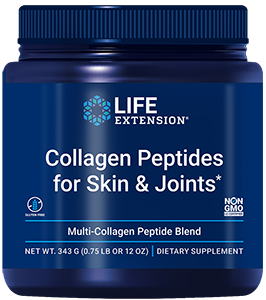
4. Collagen

Goodbye summer glow, and hello dull and dry skin! While the crisp autumn breeze can literally be a breath of fresh air, it can also take a toll on your complexion.
That's where collagen comes in. As the most common protein in your body, it helps support healthy skin through the autumn months and beyond. Collagen also supports joint and cartilage health and comfort.
From powders to capsules and more, collagen supplements come in many forms. You can also whip up some chicken noodle soup, heat up a pot of bone broth or pop open a can of sardines to add collagen support to your fall menu.
Supplements to Help You Adjust to Shorter Days

One day, you're enjoying an evening run after work in broad daylight; the next, you're watching the sun set from your desk. Shrinking daylight hours have a ripple effect on your internal clock, impacting everything from sleep schedules to stress levels.
"Light is the main time cue for the body's circadian rhythm," explains Dr. Michael A. Smith, MD. "When daylight gets shorter, the timing and amount of light reaching the eyes change. Your brain gets less evening light, but if morning light exposure doesn't shift earlier, the rhythm can become misaligned."
This trio of supplements for shorter days can help you stay optimistic and well-rested long after summer ends:
5. Melatonin
Less daylight can disrupt your body's internal clock (a.k.a. your circadian rhythm). And when that internal clock isn't working, other things might also be out of sync. Your sleep schedule, mood and energy levels may be affected. To set yourself up for sleep success:
- Get regular daylight exposure in the morning (within the first 90 minutes of waking, if possible)
- Keep a consistent sleep schedule despite the change in sunlight
- Invest in blackout curtains or a sleep mask
- Power down computers, phones and other screens one hour before bedtime
- Create a wind-down ritual you follow every night—like deep breathing, reading or doing a crossword puzzle
Alongside these healthy habits, a melatonin supplement can be a great addition to your routine! Melatonin is a well-studied sleep-regulating hormone your body produces naturally that can support restful nights in the transition to fall.
Not keen on melatonin? There are alternative supplements for shorter days that help with sleep. GABA, black cumin seed and other calming supplements like ashwagandha can help promote feelings of calm and encourage healthy sleep as well during the seasonal change.
6. Ashwagandha
Ashwagandha is an extract from a small herbal plant, yet its ability to support circadian rhythm is mighty. Here's how it works: You're getting less sunlight due to the change in seasons. That throws off your internal clock, which also throws off cortisol secretions—it's all part of your daily rhythm.
Ashwagandha is an adaptogen that—you guessed it—helps the body "adapt" to stress by interacting with the hypothalamic-pituitary-adrenal (HPA) axis. That in turn supports healthy levels of the stress hormone cortisol.
When adding ashwagandha to your daily vitamin mix, look for a clinically studied ashwagandha formula that encourages healthy cortisol levels and promotes a good mood.
7. Rhodiola
With a dip in temperatures and darkness that seems to come earlier each day, it may be hard to find the energy and drive you had in the summer months. Feeling fatigued or even unmotivated is common during the seasonal shift, but that doesn't mean you have to accept it.
Rhodiola (or Rhodiola rosea) is another adaptogenic herb that helps fight occasional mental and physical fatigue and boosts stamina in stressful times—and not being in tune with your body's natural rhythm can be very stressful.
And that's not all! Rhodiola supports the body's natural energy regulation and stress response. It can also support ATP (cellular energy) production, which is excellent news for your exercise performance levels and endurance.
Keep in mind: Rhodiola is not found in foods, so focus on finding concentrated forms of this flowering plant in supplements.
Immune System Supplements for Autumn

Maintaining a healthy immune system is a wellness goal worth fighting for year-round. But during this time of year—when you're living, working and exercising inside enclosed spaces—you'll want to ramp up your immune readiness. Keep building your autumn supplement stack with these to get you through fall and beyond:
8. Vitamin C
Of all the immune support supplements, vitamin C might be the most talked about. And for a good reason! It's a powerful essential nutrient that provides whole-body benefits. Not only is it amazing for immune health, but it also supports cardiovascular and respiratory health and helps build collagen.
Getting sufficient vitamin C is important year-round to support your immune system, but it might be even more necessary in autumn. Although the recommended daily dose is around 75 mg for adult females and 90 mg for adult males, it really depends on the individual. Check with your doctor first for a personalized recommendation.
Want to plan a vitamin C-rich fall menu? Add these foods to your shopping list:
- Citrus fruits
- Red and green peppers
- Kiwifruit
- Broccoli
- Strawberries
- Brussels sprouts
- Pumpkins (perfect, right?)
9. Quercetin
What autumn is complete without a trip to the apple orchard? Not only is it a fun fall activity, but the peels of those apples hold an immune-supporting secret: Quercetin, a phytonutrient that supports heart and immune health. Not a fan of apples? You can also get the benefits of quercetin in kale, okra, broccoli and the peels of red onions.
Adding a quercetin supplement to your autumn routine is also a great choice for immune support. Look for options with fenugreek fibers to help your body get the full benefits. Quercetin is also the perfect complement to a vitamin C supplement.
10. Mushrooms
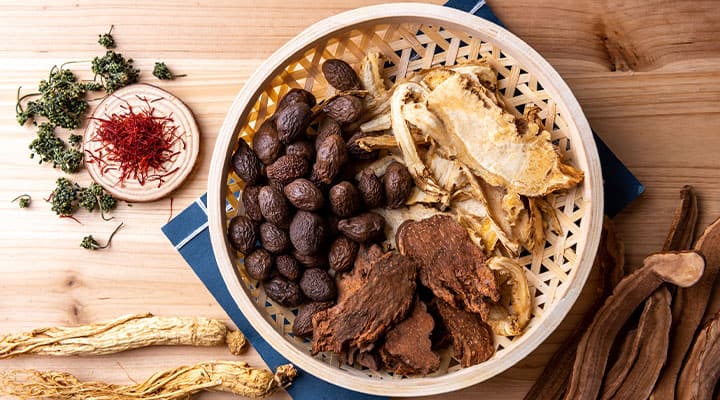
You may be wondering: How did mushrooms make the list of top immune support supplements for fall? Mushrooms can be a tasty part of your autumn diet, but you can also take them in supplemental form! They contain a lot of beta-glucans, soluble fibers acting as "danger signals" that interact with and train the innate immune system to respond to challenges. Beta-glucans can be counted among the learned immune defenses.
Fun(gi) fact: Traditional Chinese regimens have used mushrooms for over 2,000 years, using certain species for immune support. Mushrooms are a nutritious addition to your diet any way you slice them. So, take advantage of fall—it's peak harvesting season for many types of mushrooms.
11. Echinacea
Also known as the coneflower, echinacea first became popular in the late 1880s and early 1900s, following centuries of traditional use by Indigenous Native American tribes. Fast-forward to the 20th century and echinacea is now a buzzword in herbal Western practices, too. Rich in compounds that combat oxidative stress during seasonal changes, echinacea has been well studied for its seasonal immune benefits.
Think echinacea might be right for you? Look for standardized extracts of either echinacea species angustifolia (narrow-leaf coneflower) or purpurea (broad-leaf/Eastern purple coneflower)! Better yet, choose an echinacea supplement that delivers both species and is standardized for the best quality.
12. Immune-Focused Probiotics
Did you know that about 70% of immune cells live in the gut? And what's great for the gut? Probiotics!
These live microorganisms (including bacteria and yeast) have health benefits when taken in appropriate amounts. Simply put, probiotics help stop unwanted bacteria from growing—protecting the wall of your gut and helping your body break down food.
It makes sense then that if you want to support a healthy immune response during the autumn and winter months, you'd consider ramping up your probiotic intake. But before you do, keep these points in mind:
- Probiotic effects are strain-specific and only some strains have been studied
- Don't commit to any one form until you ask your doctor
- Carefully check the label to make sure the formula or recipe contains strains that have been clinically studied
Fall Supplements: Buyer's Guide

Need a quick guide for what supplements to take in the fall? Take our personalized health quiz or find your individual health needs here, along with supplements that can support your well-being in autumn and beyond:
| Autumn Change | Health Challenge | Nutrients That Can Help |
|---|---|---|
| Fewer daylight hours |
|
|
| Less time outdoors |
|
|
| The weather changes, generally becoming colder and drier |
|
|

Explore Our Best Immune Support Supplements
What You Need to Know About Health Changes in the Fall

Wondering why you should revisit your supplement stack in the fall—and whether changes in sunlight exposure really do have an impact on your health? Let's dive into some of the most commonly asked questions about the physiological impact of longer nights and shorter, darker days.
Why do energy and mood drop in autumn even when you're eating well and sleeping enough?
For some people, less daylight can change their internal body clock. This can lead to changes in:
- Alertness
- Physical activity
- When and how much sleep you get
- Overall mood (and not in a positive way!)
All to say that even when your diet is on point and you're sticking to your sleep schedule, you may still feel the seasonal shift.
"Light is the main time cue for the body's circadian rhythm. When daylight gets shorter, the timing and amount of light reaching the eyes change. Your brain gets less evening light, but if morning light exposure doesn't shift earlier, the rhythm can become misaligned."
Do you absorb nutrients differently in colder months?
While there's no evidence in human clinical trials to suggest that cold weather alone makes people absorb nutrients differently, it's important to remember that your body's need for certain nutrients (like vitamin D) changes with less time in the sun.
Fall can change sun exposure, food availability, types and amount of exercise and blood levels of some nutrients. Make sure you discuss any changes with your doctor and supplement as needed.
Key Takeaways
- Less sun exposure and more indoor time in the fall may disrupt sleep schedules, lower energy levels, impact mood and affect the immune system.
- Stacking vitamin D, vitamin K2, magnesium and collagen supplements can help with the summer-to-fall transition and beyond.
- Sleep shifts and immune challenges caused by cooler weather can benefit from melatonin, rhodiola, vitamin C and other supplements.
- Probiotics that have been studied for their effectiveness in the gut can support your immune system in autumn.


References
- Mishra DN, Kumar M. "Shoden promotes Relief from stress and anxiety: A randomized, double-blind, placebo-controlled study on healthy subjects with high stress levels." Heliyon. August 2024. https://pubmed.ncbi.nlm.nih.gov/39286132/
- Mohan ME, et al. "Exploring the short-term influence of a proprietary oil extract of black cumin (Nigella sativa) on non-restorative sleep: a randomized, double-blinded, placebo-controlled actigraphy study." Front Nutr. January 2024. https://pubmed.ncbi.nlm.nih.gov/38288065/
- Wiertsema SP, et al. "The Interplay between the Gut Microbiome and the Immune System in the Context of Infectious Diseases throughout Life and the Role of Nutrition in Optimizing Treatment Strategies." Nutrients. March 2021. https://pmc.ncbi.nlm.nih.gov/articles/PMC8001875/

Always be in the know!
Access the latest deals, wellness news, expert health tips & more!
Popular Supplement