The 7 Best Liver Health Supplements
Published: October 2021 | Updated: August 2026
At a Glance
- The liver is responsible for helping filter toxins from the body.
- Milk thistle, probiotics and glutathione are among the most scientifically studied liver support supplements.
- Supplement formulas that claim to "cleanse" the liver do not have substantial studies to support them.
It's trash day! So, naturally, we're talking about the liver. The liver is the second largest organ in the human body and performs over 500 important functions to keep you healthy.
Its main function is to serve as your own personal filtration system, cleansing the blood and converting toxins into waste products that the body can more easily eliminate.
Getting rid of toxins sounds like a pretty big deal, right? That's because it is! Consider this your sign to start supporting your body's natural detoxification system with smart liver health supplements and a healthy lifestyle.
The best 7 liver health supplements

The liver is a workhorse all on its own, but it may still need a boost from time to time. Changes in your diet, weight or other areas of your health may have a direct impact on your liver. This is when certain nutrients can offer support. These liver health supplements may help in a few different ways, including:
- Supporting a healthy inflammatory response
- Providing antioxidant support
- Promoting the integrity of liver cell membranes
- Supporting the gut-liver relationship
Of course, not all liver health supplements are created equally. Let's go through the ones with the most scientific research to back them up, so you can choose the best liver supplement for your goals—and start showing your liver as much love as it deserves!
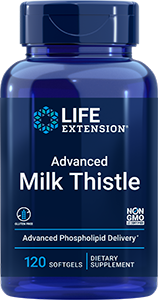
1. Milk thistle
Milk thistle (Silybum marianum) is a plant native to the Mediterranean region. It has been used in liver health formulas for centuries. And, frankly, milk thistle deserves all the flowers it gets.
Milk thistle extract (also known as silymarin) is actually a mixture of different flavonoids, which are known to have antioxidant properties, among other health benefits. The most abundant and active of the bunch is silybin. Like other flavonoids, silybin has been shown to support a healthy inflammatory response and fight oxidative stress and free radicals.
The only downside is that silybin can be difficult for the body to absorb through oral supplements. This has led scientists to enhance the bioavailability of silybin by integrating it into a phytosome—a tiny plant-derived sphere.
Clinical evidence shows that this enhanced form of milk thistle offers three times more bioavailability compared to other forms of milk thistle—a win-win for your hardworking liver!
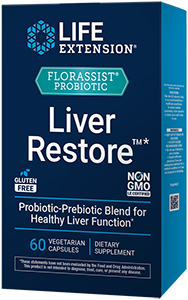
2. Probiotics
You know probiotics support a balanced gut, but why take probiotics for liver health?
Your liver and digestive system are connected by the hepatic portal vein. When you digest food, the nutrients absorbed by your digestive tract get transported through the hepatic portal vein and into the liver to be processed.
However, blood from the digestive tract may also contain toxins, such as alcohol and substances produced by harmful gut bacteria. If your gut microbiota is out of balance, this could send excessive toxins into the liver. Keeping your gut health in check with a probiotic supplement can make a big difference.
More specifically, look for a formula that combines probiotics and prebiotics and provides multiple strains of probiotics. In two randomized-controlled trials, participants taking a 7-strain probiotic with the prebiotic fructo-oligosaccharide—while following a balanced diet and exercise routine—saw significant improvement in liver enzymes compared to the placebo groups.
In one of the studies, there was even a 17% improvement in liver enzymes compared to their baseline levels.
3. Glutathione
Glutathione is an antioxidant produced in the liver from three amino acids:
- Cysteine
- Glycine
- Glutamic acid
Unfortunately, some factors like normal aging or a poor diet can diminish the body's glutathione levels and make liver cells vulnerable to oxidative stress.
In addition to being the body's "master antioxidant" that neutralizes harmful free radicals, glutathione plays a critical role in recycling and maintaining vitamins C and E into their active, reduced forms that the body can use. It also helps support optimal mitochondrial function, so liver cells stay healthy and powered up.
"When combined with exercise and a proper diet, some supplements can provide additional liver health support!"
4. N-acetyl-cysteine (NAC)
The precursor of glutathione is N-acetyl-cysteine (NAC). And much like its precursor, NAC is involved in the body's detoxification processes. Some data even suggests NAC supplementation results in greater glutathione levels than taking glutathione directly.
Overall, NAC supplements are more well-studied than glutathione. And better yet, NAC is easily absorbed. But whether you choose glutathione supplements or NAC is really just a matter of preference. Either way, your liver will thank you!
5. S-adenosyl-methionine (SAMe)

S-adenosyl-methionine (SAMe), a compound naturally produced by the body, also supports the production of glutathione. How? SAMe's job is to donate methyl and sulfur groups to molecules that are lacking. Certain molecules need sulfur groups in order to make the amino acid cysteine, which is then used to produce glutathione. By supporting glutathione levels, SAMe is associated with healthy liver function.
Think of SAMe as the Robin Hood of nutrients, because it's always giving to those in need.
6. Polyenylphosphatidylcholine (PPC)
Polyenylphosphatidylcholine (PPC) has as many health benefits as it has syllables. This polyunsaturated fat is involved in:
- Supporting the integrity of cell membranes
- Combating oxidative stress
- Promoting a healthy inflammatory response
- Helping balance gut microbiota
- Improving fat metabolism in the liver
Among all these wonderful benefits, PPC is best known for being an essential part of cell membranes throughout the body. And since the liver is one of the most metabolically active organs, supporting cell membrane health in the liver makes it especially important here.
7. Curcumin
Sometimes referred to as turmeric, curcumin is the active compound in turmeric that makes it such a favorable spice. Curcumin offers major antioxidant protection for the liver, but is also widely regarded for promoting a healthy inflammatory response.
But that's only the tip of the iceberg. Curcumin may also have a positive effect on the gut-liver axis. In fact, in a 24-week double-blind trial, 500 milligrams per day of curcumin correlated with healthy levels of:
- Weight and BMI
- Triglycerides
- Fasting blood glucose
- Hemoglobin A1c
- Insulin
- The ratio of good to bad gut bacteria
Now that you know about the different supplements to support liver health, here's a quick breakdown on some of the more specific benefits each nutrient offers.
| Liver Health Benefit | Nutrient |
|---|---|
| Primary antioxidant | Glutathione |
| Glutathione production | NAC, SAMe |
| Cell membrane support | PPC, milk thistle |
| Healthy inflammatory response | Milk thistle, PPC, curcumin, probiotics |
| Gut–liver axis | Probiotics, curcumin, PPC, milk thistle |

Explore Our Best Liver Health / Detoxification Supplements
Frequently asked questions about liver health supplements

Now that you know how the best liver supplements work, let's get into the nitty-gritty of what you need to know about adding them to your wellness routine!
What supplements are best for improving ALT and AST levels?
Alanine aminotransferase (ALT) and aspartate aminotransferase (AST) are two essential liver enzymes. When the liver is under stress, levels of these enzymes might fluctuate in the bloodstream.
If your main goal is to support healthy liver enzyme levels, the highest quality research points to probiotics. The combination of 7 probiotic strains and a prebiotic has been studied for its role in improving ALT and AST levels. Of course, the research is ongoing, so be on the lookout for other nutrients making a big impact on liver health.
Can liver health supplements improve liver function?
According to Dr. Michael A. Smith, MD, "When combined with exercise and a proper diet, some supplements can provide additional liver health support!" So, it makes sense that people turn to popular liver health supplements, including NAC, SAMe and curcumin.
As we covered, these nutrients are well known for supporting liver function through a variety of mechanisms, including:
- Protection against oxidative stress
- Supporting healthy cell membranes and mitochondria
- Inhibiting inflammatory factors to support liver health
- Promoting good gut health
But nothing works in a vacuum. Combining liver health supplements with healthy lifestyle choices is the most powerful recipe for supporting healthy liver function.
Do any supplements harm the liver?
We've talked about supplements that help the liver—so, do any of them hurt it? Most dietary supplements are generally recognized as safe for the liver. However, it's important to take into account the quality of the supplements. Formulas that lack quality control standards open the door for contamination. And, yes, those contaminants can impact your liver health.
Green tea extract gets the most attention for its potential effects on liver health. However, take it with a grain of salt. While one study reported negative impacts on liver enzymes in a small subset of people taking a high-dose EGCG, the active compound in green tea extract, there is abundant research on green tea and EGCG. And the consensus is that dosages of 300 mg EGCG are safe. In fact, some studies have shown green tea extract to support liver health.
As a rule of thumb, always talk with your healthcare provider before starting any new supplements.
Will a liver cleanse work?

There is very limited clinical research to support supplements that "cleanse the liver." The idea that you can take a capsule or drink a powder and instantly clean out your liver is false advertising.
Your liver is constantly cleansing itself. Actually, your liver is constantly cleansing your entire body. It doesn't need a one-time deposit, like the quick $50 bill you got from babysitting the neighbors' kids in high school. Your liver deserves a long-term investment and ongoing support.
A better use of your time and money would be spent on the basic liver detox dos and don'ts:
DON'T drink alcohol.
Alcohol is a toxin that goes through the hepatic portal vein and can have harmful effects on liver health. If you don't want to skip happy hour altogether, simply swap the martini for a mocktail.DON'T smoke or vape.
Tobacco is also a known toxin with a wide range of health implications.DO maintain a healthy weight.
Excessive body weight and body fat can have negative effects on metabolic health, and that includes liver health.DO exercise regularly.
Aerobic exercise and resistance exercises both support liver health (and weight!). Aim for 30-60 minutes of intentional exercise every day.-
DO eat a balanced diet.
A nourishing diet for the liver includes high-fiber complex carbohydrates, healthy fats and lots of whole fruits and vegetables. Add a cup of black coffee for liver support and you're well on your way.
Key Takeaways
- Take liver health supplements for antioxidant protection, and to support a healthy inflammatory response and liver cell membranes as well as a strong gut-liver relationship.
- Clinical studies have found that a probiotic formula with several strains of probiotics and a prebiotic can support healthy liver enzymes.
- Avoiding alcohol, smoking and vaping, and following a healthy diet and exercise routine are key to lasting liver health.


References
- Barzaghi N, et al. "Pharmacokinetic studies on IdB 1016, a silybin-phosphatidylcholine complex, in healthy human subjects." Eur J Drug Metab Pharmacokinet. October-December 1990. https://pubmed.ncbi.nlm.nih.gov/2088770/
- Emadi SA, et al. "A review of therapeutic potentials of milk thistle (Silybum marianum L.) and its main constituent, silymarin, on cancer, and their related patents." Iran J Basic Med Sci. October 2022. https://pmc.ncbi.nlm.nih.gov/articles/PMC9588316/
- Eslamparast T, et al. "Synbiotic supplementation in nonalcoholic fatty liver disease: a randomized, double-blind, placebo-controlled pilot study." Am J Clin Nutr. March 2014. https://pubmed.ncbi.nlm.nih.gov/24401715/
- He Y, et al. "Curcumin supplementation alleviates hepatic fat content associated with modulation of gut microbiota-dependent bile acid metabolism in patients with nonalcoholic simple fatty liver disease: a randomized controlled trial." Am J Clin Nutr. July 2024. https://pubmed.ncbi.nlm.nih.gov/38795741/
- Lee YH, et al. "S-Adenosylmethionine: more than just a methyl donor." Nat Prod Rep. September 2023. https://pubmed.ncbi.nlm.nih.gov/36891755/
- Maev IV, et al. "Effectiveness of phosphatidylcholine as adjunctive therapy in improving liver function tests in patients with non-alcoholic fatty liver disease and metabolic comorbidities: real-life observational study from Russia." BMJ Open Gastroenterol. March 2020. https://pubmed.ncbi.nlm.nih.gov/32337059/
- Mak KM, Shekhar AC. "Soybean polyenylphosphatidylcholine (PPC) is beneficial in liver and extrahepatic tissue injury: An update in experimental research." Anat Rec (Hoboken). June 2024. https://pubmed.ncbi.nlm.nih.gov/37814787/
- Mofidi F, et al. "Synbiotic supplementation in lean patients with non-alcoholic fatty liver disease: a pilot, randomised, double-blind, placebo-controlled, clinical trial." Br J Nutr. March 2017. https://pubmed.ncbi.nlm.nih.gov/28345499/
- Pizzorno J. "Glutathione!" Integr Med (Encinitas). February 2014. https://pmc.ncbi.nlm.nih.gov/articles/PMC4684116/

Always be in the know!
Access the latest deals, wellness news, expert health tips & more!
Popular Supplement