How Much Melatonin Is Safe? A Clear Guide to Dosing, Timing & Side Effects
Published: October 2022 | Updated: March 2026
At a Glance
- Most adults do best starting melatonin supplementation at a low dose (300 mcg–1 mg) and adjusting gradually.
- Short-term use of melatonin up to 10 mg has been shown to be safe for healthy adults.
- Timing matters: Take melatonin 30–60 minutes before bedtime for best results.
Ah, sweet sleep! It soothes the mind and allows the body to recharge. Many of us remember a time when falling asleep felt effortless—drifting off soon after our heads hit the pillow.
But for many adults, sleep doesn't come so easily anymore. Sometimes it's hard to fall asleep; other times, we're wide awake at 2 a.m.If counting sheep isn't working, you might wonder about melatonin supplements. Are they safe to take? And how much melatonin is right?
Let's look at how these sleep helpers work, potential pitfalls, and what the science says about proper dosage and side effects.
What does melatonin do in the body, and how does it help you sleep?

Melatonin isn't just the name of a supplement. It's actually a hormone your body naturally produces to help signal when it's time to sleep and when it's time to wake up. It's released by a small, pea-sized gland deep in the brain called the pineal gland.
One of melatonin's main jobs is helping regulate your circadian rhythm—your body's internal clock. Your circadian rhythm controls your sleep–wake cycle and responds mainly to light and darkness. As evening approaches and it gets dark, melatonin levels rise, telling your body it's time to wind down. In the morning, bright light—especially sunlight—tells your body to stop producing melatonin, so you can wake up feeling alert.
This is why you've heard the advice about powering down your digital devices an hour before bedtime—all that bright blue light disrupts melatonin levels and normal sleep patterns.
Instead of knocking you out, melatonin signals to your body that it's time to rest, helping you feel relaxed and drowsy so that sleep can happen more naturally. On a cellular level, melatonin binds to specific receptors in the brain that help quiet alertness and fine-tune your internal clock as your body prepares for sleep.
Melatonin's support for keeping your internal clock on track can be especially helpful when that clock gets disrupted, such as with jet lag, shift work, late nights or irregular sleep schedules. Melatonin also has antioxidant activity and other biological effects that extend beyond sleep and circadian rhythm support.
Is melatonin safe for adults?

For most healthy adults, melatonin is considered safe and well-tolerated when used appropriately for short-term sleep support. Clinical studies show that effects like next-day sleepiness are generally mild and short-lived.
Is it safe to take melatonin every day?
Melatonin is generally considered safe for regular use when taken at appropriate doses. While long-term studies spanning many years are limited, there’s no strong evidence suggesting that daily use is harmful.
Can you take too much melatonin?
It’s not a good idea to take more than you need. Most research on melatonin for sleep and circadian rhythm support has focused on doses between 0.5 mg and 5 mg, which are effective for many adults. Doses of up to 10 mg per day have also been studied safely for short-term use in healthy adults.
Doses beyond 10 mg have also been found to be generally safe, but they won't necessarily work better to support sleep. It’s best to start low and use the lowest dose that works for you.
What are the side effects of taking too much melatonin?

For most adults, side effects from melatonin are uncommon and tend to be mild. When they do occur, the most commonly reported ones include daytime sleepiness or changes in sleep patterns, such as lighter or more fragmented sleep.
These effects are usually short-lived and often improve on their own or with a lower dose. Taking more melatonin than your body actually needs can make these effects more likely, which is why starting with a low dose and increasing gradually is generally the best approach.
Some people may notice more vivid dreams when taking melatonin. It’s not entirely clear whether this is a direct effect of melatonin itself or simply a result of spending more time in deeper stages of sleep.
Overall, melatonin is well-tolerated by most people, and side effects are relatively rare when it’s used at appropriate doses.
How does melatonin dosage vary by age and sleep goal?

When it comes to melatonin, the dosing doesn’t vary much based on age or sleep goals. What matters most is how your own body responds. That said, natural melatonin production tends to decline with age, which may help explain why some adults find they need a bit more sleep support over time.
People vary widely in their sensitivity to melatonin, which is why there isn't a single dose that works for everyone. For most adults, it’s best to start with a low dose—around 300 micrograms (mcg) to 1 milligram (mg)—and see how you feel. From there, you can increase gradually if needed.
Many adults find that a dose around 3 mg provides adequate sleep support. Others, including some older adults, may need a higher dose to achieve the same effect. Depending on individual response and tolerance, doses of up to 10 mg may be appropriate for some adults.
The key is to increase slowly and aim for the lowest dose that helps you fall asleep and stay asleep comfortably. Taking more melatonin than your body needs usually doesn’t improve sleep.
"People vary widely in their sensitivity to melatonin, which is why there isn't a single dose that works for everyone."
How long does melatonin last in your system?

How long melatonin lasts in your body depends on a few factors, including the type of melatonin you take, the dose and when you take it.
Immediate-release melatonin is absorbed quickly and typically helps you feel sleepy within 30–60 minutes. Extended-release formulas are released more slowly over several hours and are designed to provide ongoing sleep support, particularly for people who want help staying asleep rather than only falling asleep.
Melatonin itself doesn’t stick around very long. It has a relatively short half-life—about 20–40 minutes—meaning your body breaks it down fairly quickly. The exact timing can vary from person to person depending on factors like age, metabolism and lifestyle. As a result, the effects of melatonin generally don’t linger into the next day. When people do report feeling groggy, it’s usually related to dose or timing, not melatonin itself.
Most studies don’t show a meaningful increase in daytime sleepiness compared with placebo. Grogginess is more likely if melatonin is taken too late at night, during the day, or at a higher dose than needed—and it often improves with simple adjustments to dose or timing.
When should you take melatonin for best results?

For most adults, melatonin works best when taken 30–60 minutes before bedtime. This timing allows melatonin levels to rise as your body naturally prepares for sleep, helping you feel relaxed and ready to wind down. Avoid taking melatonin during the day or too late at night, as this can interfere with your internal clock and affect how alert you feel the next day.
Which melatonin form is right for you?
The best melatonin option really depends on what kind of sleep support you need—whether you want help falling asleep, staying asleep, or both.If your main wish is falling asleep, an immediate-release (IR) melatonin may be enough. It’s absorbed quickly and gives your body that gentle nudge it needs to wind down at bedtime.
If you tend to wake up during the night or in the early morning hours, an extended-release (XR) melatonin may be a better fit. It releases slowly over several hours, helping support more sustained sleep.

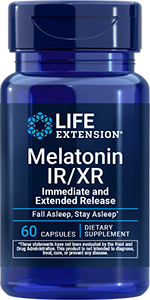
Some supplements combine both in an IR/XR blend, giving you the best of both worlds. They help you fall asleep faster and stay asleep longer. This option can be especially helpful if you want more consistent, all-night support rather than just at bedtime.
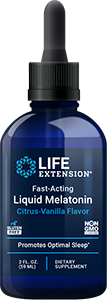
Melatonin is also available in liquid and gummy forms. Liquids are great if you want flexibility with dosing or prefer something that absorbs quickly. Gummies are convenient and easy to take—just be mindful of added sugars or flavors.
No matter which form you choose, quality matters. Look for brands that perform independent testing and are transparent about what’s in their products. Being able to request a Certificate of Analysis (COA) is a good sign—it confirms the melatonin dose and shows the product has been tested for purity, heavy metals and microbial contaminants. In other words, it helps ensure you’re getting exactly what the label promises.
| Melatonin Form | Benefits | Reasons to Consider Other Forms |
|---|---|---|
| Immediate-release capsule |
|
|
| Extended-release capsule |
|
|
| Liquid |
|
|
| Gummy |
|
|

Explore Our Best Melatonin Supplements
Can you take too much?
Like many things, dose matters. Melatonin is generally considered safe and well-tolerated at commonly used doses, with amounts up to 10 mg per day shown to be safe for most healthy adults.
Higher doses are also less well-studied and don’t necessarily work better to support sleep. For that reason, it’s best to follow label directions, start with a low dose, and only increase gradually if needed—without exceeding the recommended amount.
How do I know if my melatonin dose is too high?
If you’re taking more than the recommended dose on the label, your dose may be higher than you need. Other common signs are feeling groggy, sluggish or less alert the next day.
If that happens, try lowering your dose or adjusting the timing. With melatonin, more isn’t better. The goal is to use the lowest effective dose that helps you sleep well.
What else can I do to sleep well at night?
Supporting melatonin with good sleep hygiene can also make a meaningful difference. Simple habits like consistent bedtimes, thoughtful light exposure, and calming evening routines play an important role in sleep quality. Nutrition may help, too, including foods that naturally contain melatonin.
Interested in nutrients that support your sleep? Our health needs quiz delivers a recommendation personalized to your concerns and lifestyle.
Key Takeaways
- Start with a low melatonin dose and increase gradually, aiming for the lowest amount that works for you.
- Taking more melatonin doesn’t always improve sleep and may increase unwanted effects.
- The right form depends on your sleep pattern: immediate-release for falling asleep, extended-release for staying asleep, or a combination for all-night support.


References
- Andersen LP, et al. "The Safety of Melatonin in Humans." Clin Drug Investig. March 2016. https://pubmed.ncbi.nlm.nih.gov/26692007/
- Arendt J, Aulinas A. Physiology of the Pineal Gland and Melatonin. Endotext [Internet]. MDText.com, Inc. 2000. https://www.ncbi.nlm.nih.gov/books/NBK550972/
- Auger RR, et al. "Clinical Practice Guideline for the Treatment of Intrinsic Circadian Rhythm Sleep-Wake Disorders: Advanced Sleep-Wake Phase Disorder (ASWPD), Delayed Sleep-Wake Phase Disorder (DSWPD), Non-24-Hour Sleep-Wake Rhythm Disorder (N24SWD), and Irregular Sleep-Wake Rhythm Disorder (ISWRD). An Update for 2015: An American Academy of Sleep Medicine Clinical Practice Guideline." J Clin Sleep Med. October 2015. https://pubmed.ncbi.nlm.nih.gov/26414986/
- Besag FMC, et al. "Adverse Events Associated with Melatonin for the Treatment of Primary or Secondary Sleep Disorders: A Systematic Review." CNS Drugs. December 2019. https://pubmed.ncbi.nlm.nih.gov/31722088/
- Besag FMC, et al. "Adverse events in long-term studies of exogenous melatonin." Expert Opin Drug Saf. December 2022. https://pubmed.ncbi.nlm.nih.gov/36562403/
- de Lima Menezes, G, et al. "Quantum mechanics insights into melatonin and analogs binding to melatonin MT1 and MT2 receptors." Sci Rep. May 2024. https://www.nature.com/articles/s41598-024-59786-x
- Foley HM, et al. "Adverse events associated with oral administration of melatonin: A critical systematic review of clinical evidence." Complement Ther Med. February 2019. https://pubmed.ncbi.nlm.nih.gov/30670284/
- Menczel Schrire Z, et al. "Safety of higher doses of melatonin in adults: A systematic review and meta-analysis." J Pineal Res. March 2022. https://pubmed.ncbi.nlm.nih.gov/34923676/
- Minari TP, et al. "Melatonin supplementation: new insights into health and disease." Sleep Breath. April 2025. https://pubmed.ncbi.nlm.nih.gov/40278958/
- Pacheco D. "How Long Does Melatonin Last?" Sleep Foundation. July 2025. https://www.sleepfoundation.org/melatonin/how-long-does-melatonin-last
- Tuft C, et al. "Current Insights into the Risks of Using Melatonin as a Treatment for Sleep Disorders in Older Adults." Clin Interv Aging. January 2023. https://pmc.ncbi.nlm.nih.gov/articles/PMC9842516/
- "Circadian Rhythms." UCLA Health. https://www.uclahealth.org/medical-services/sleep-medicine/patient-resources/patient-education/circadian-rhythms

Always be in the know!
Access the latest deals, wellness news, expert health tips & more!
Sleep Favorite