11 Melatonin Alternatives That Support Healthy Sleep
Published: November 2023 | Updated: September 2026
At a Glance
- Melatonin supplements are often recommended for sleep support, but they aren’t for everyone.
- Adaptogenic herbs like ashwagandha and chamomile are calming melatonin alternatives for sleep.
- Amino acids like GABA, glycine, tryptophan, 5-HTP and L-theanine promote sleep and relaxation.
- Bioactive milk peptides also offer sleep support without melatonin.
Our bodies are perfectly designed for waking and sleeping on Earth, which rotates every 24 hours to give us days of sunshine and nights full of stars. As the sun sets, the growing darkness signals the pineal gland in your brain to ramp up the production of sleep-inducing melatonin. The levels of this hormone stay low throughout the day but rise at night until drowsiness prompts you to head to bed for rest and recovery.
Sadly, this natural sleep-wake regulation doesn't always go smoothly. Artificial light, excessive screen time and travel can interfere with your circadian rhythms and your ability to get restorative rest. Because of melatonin's role in the sleep-wake cycle, melatonin supplements are often recommended as the first choice to support healthy sleep.
But melatonin supplementation may not be appropriate for everyone. For one thing, there are reasons other than your circadian rhythm that can make it hard to get quality shut-eye. (Stress, anyone?)
Maybe you don’t like how melatonin makes you feel the next day, or you just don’t like the idea of supplementing with a hormone.
There's no reason to lose any sleep over this. There are many well-studied sleep support supplements that can help you get the slumber of your dreams, no melatonin required!
If you could use a little help getting a good night's sleep, you've got plenty of melatonin alternatives. Adaptogens, amino acids and herbs are among the best supplements for sleep and can help usher in a good shut-eye session.
Adaptogenic Herbs for Sleep
Adaptogens are natural compounds that help your body adapt to occasional stress by supporting systems that maintain balance.
1. Ashwagandha
Ashwagandha is an ancient Ayurvedic herb that has been used for centuries, and its calming properties are backed by modern science.
-
How it helps you sleep:
Ashwagandha promotes relaxation and a healthy response to stress, and it has been shown to support several aspects of healthy sleep, including measures like how long it takes to fall asleep and how long you remain asleep.
If you struggle to “turn off” your brain at night, ashwagandha may be particularly helpful. It calms your mind and helps you drift off to sleep by reducing activity in the hypothalamic-pituitary-adrenal (HPA) axis, the body's main stress-response system.
-
What the science says:
In a randomized-controlled study that monitored rest and activity and evaluated sleep duration and latency (the time it takes to fall asleep), a standardized ashwagandha extract supported healthy sleep quality. -
Dosage and when to take it:
Clinical studies have used 120 mg of ashwagandha (std. to 35% withanolide glycosides) or 200 mg of a blend of ashwagandha and amla fruit extract. Follow your product directions.
Ashwagandha can be taken during the day to support a healthy stress response or taken 20 to 30 minutes before bedtime (with or without melatonin) to support restful sleep.
2. Black Cumin Seed
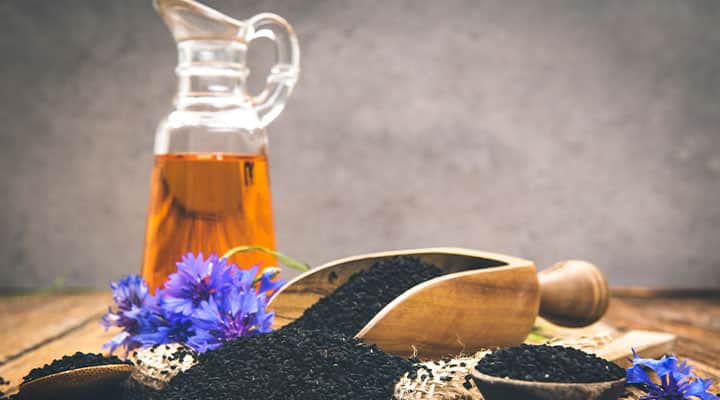
Black cumin seed (Nigella sativa) is a spice used in cooking, but cumin seeds and black cumin seed oil have also been used in traditional practices. They promote a number of health benefits, including sleep quality and healthy stress management.
-
How it helps you sleep:
Black cumin seeds contain a compound called thymoquinone, which has been shown (like ashwagandha) to influence the HPA axis. It also supports melatonin release, promotes healthy cortisol levels, and encourages a balanced sleep/wake cycle. -
What the science says:
In a randomized, double-blind, clinical trial, adults who received 200 mg of black cumin seed extract before bed for a week reported healthy restorative sleep, sleep latency and total sleep time compared with placebo. Participants in a three-month study also reported that black cumin supplements promoted healthy sleep patterns and healthy stress management. -
Dosage and when to take it:
Research tested 200 mg of black cumin extract (std. to 5% thymoquinone) taken 20-30 minutes before bedtime. Always follow the product directions, especially if your black cumin formula includes other ingredients that have been studied for sleep support, such as specialized probiotics or ashwagandha extracts.
3. Valerian Root
Valerian is an herb that has been used to support healthy sleep for more than 2,000 years, and it has been cultivated in North America since the early 1800s.
-
How it helps you sleep:
Valerian root extract is a popular melatonin alternative that is well-known for supporting a mild relaxing and sleep-supporting effect. It has also been shown to support a healthy response to stress. -
What the science says:
In a randomized clinical study, participants took one capsule of valerian or placebo 1 hour before bedtime every day for eight weeks. The study found valerian supported healthy sleep onset, sleep quality, next-day alertness and waking up feeling refreshed. -
Dosage and when to take it:
Research has studied 200 mg valerian extract standardized to 2% total valerenic acid, but effective dosing may vary based on the individual. Always speak to a healthcare provider and follow the product directions. Valerian is usually taken one hour before bedtime.

4. Chamomile
Chamomile (Matricaria chamomilla) is common in bedtime teas. It is brimming with beneficial antioxidants, and the warm comfort of an evening cup of tea can add to this herb's support for a relaxing and restful night.
-
How it helps you sleep:
Chamomile extract has encouraged stress relief, sleep and healthy mood in a variety of studies. Its benefits are primarily attributed to apigenin, a flavonoid with an affinity for receptors that help generate a calming effect. For that reason, a chamomile extract that has a higher concentration of apigenin is recommended over a tea for health benefits. -
What the science says:
A meta-analysis of 10 studies including 772 people found that chamomile promoted healthy sleep patterns. -
Dosage and when to take it:
A quality herbal sleep supplement delivers 125-250 mg of chamomile extract to be taken 30 to 60 minutes before bedtime, or as recommended by a healthcare practitioner.
Amino Acids for Sleep

Amino acids are known for building proteins, so you might associate them with fitness, but they play a much bigger role in your body—including relaxation and rest.
5. Tryptophan
The amino acid L-tryptophan has a long history of use for sleep-related support—although overeating is to blame for your Thanksgiving after-meal crash, not the tryptophan in turkey. In our bodies, tryptophan converts to serotonin, a feel-good neurotransmitter that is crucial for mood health. Not only does serotonin promote relaxation, but some of it will convert into melatonin, the hormone your body uses to induce sleep.
-
How it helps you sleep:
Tryptophan promotes healthy sleep patterns and mood and encourages a healthy response to stress. Studies suggest L-tryptophan supplements support a healthy sleep-wake cycle. -
What the science says:
In a meta-analysis of clinical studies, tryptophan supplementation was associated with quality sleep. Doses of 1 gram or more appeared to be more effective than lower doses. -
Dosage and when to take it:
Tryptophan supplements deliver 500 to 1,500 mg and should be taken 20 to 30 minutes before bed. Always follow the product directions. Take on an empty stomach or, for maximum absorption, eat a small amount of carbohydrate, such as diluted juice, with the dose. L-tryptophan is best if taken separately from protein and other amino acids.
6. 5-HTP
The amino acid 5-HTP, or 5-hydroxytryptophan, is also a precursor for serotonin.
-
How it helps you sleep:
5-HTP works similarly to tryptophan in that it converts to serotonin. The only difference is that 5-HTP is the direct precursor. Which one will work better for you depends on your individual biochemistry. Some people find 5-HTP more effective, while others find it converts too much to serotonin in the peripheral nervous system (as opposed to the central nervous system), and they get a better response from tryptophan. -
What the science says:
Multiple clinical studies support 5-HTP for restful sleep. A randomized controlled trial found 5-HTP supplementation in older adults promoted quality sleep and supported an increase in serum serotonin concentration compared with placebo. -
Dosage and when to take it:
Most people get an effective dose from 100-300 mg taken 20 to 30 minutes before bed on an empty stomach. Follow the directions on the label for best results.

7. L-Theanine
Do you enjoy a cup of green tea to bring some calm to a less-than-calm day? L-theanine is the amino acid found in green tea that is responsible for its relaxing effects. And as we all know, it's much easier to drift off into dreamland when you're feeling at peace.
-
How it helps you sleep:
Theanine works in several ways to relax the body. It is structurally similar to an excitatory (stimulating) amino acid called glutamate, and it binds to receptors that would normally bind to glutamate, taking up all its space. You could think of glutamate like rowdy children on a school bus. Theanine (the calm children) comes in and takes up all the seats on the bus, so the rowdy kids can’t ride. That makes for a much quieter trip, which is exactly what you want as bedtime approaches. -
What the science says:
L-theanine has been studied at length for sleep. A 2025 systematic review found L-theanine supplementation supported healthy sleep quality and promoted falling asleep as well as next-day daytime function. -
Dosage and when to take it:
L-theanine supplements have been studied at the 200 mg to 400 mg level and usually are taken before bed, but follow the label for your product.

8. GABA
You may have heard of GABA (gamma-aminobutyric acid). This amino acid is the primary inhibitory (calming) neurotransmitter in the brain. It helps to balance out the excitatory (stimulating) signals in the brain and bring you back to a relaxed state, a process that is necessary for healthy function.
-
How it helps you sleep:
GABA helps to calm brain activity, and it is involved in sleep, mood, and cognitive function. It encourages healthy cortisol levels, and this promotes healthy rest and circadian rhythms. People take GABA supplements to help relieve occasional stress quickly, and sleep support has been noted after one week of use. -
What the science says:
In human studies, GABA supplementation supported healthy stress response levels, including salivary cortisol levels, and promoted feelings of relaxation and calm. It also promoted sleep quality. Another study found that 100 mg of GABA promoted falling asleep without next-day drowsiness. -
Dosage and when to take it:
GABA supplements in 100 mg capsules can be taken once or twice daily.

9. Glycine
Like GABA, the "sleepy" amino acid glycine can act as an inhibitory neurotransmitter.
-
How it helps you sleep:
When taken as a sleep supplement, glycine helps support sleep quality and efficiency and promotes falling asleep, without next-day sleepiness. Glycine may also have positive impacts on relaxation, alertness and cognition. “Glycine is good for sleep hygiene, making it a smart nightly supplement,” said Michael A. Smith, MD. -
What the science says:
A clinical study found that 3 grams of glycine 30 minutes to an hour before bedtime promoted relaxation and healthy quality sleep in participants over two to four days. -
Dosage and when to take it:
Take 1 to 3 grams of glycine on an empty stomach at bedtime or as recommended by a healthcare practitioner.
“Glycine is good for sleep hygiene, making it a smart nightly supplement.”
Peptides for Sleep
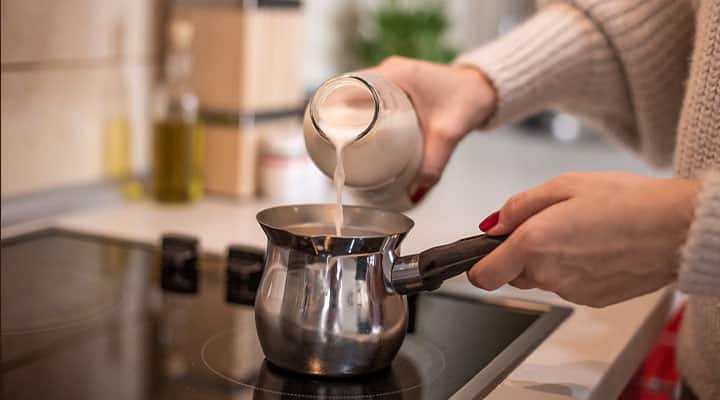
Did your mom ever give you a glass of warm milk before bed when you were a kid? She might have been on to something.
10. Bioactive Milk Peptides
Alpha-s1 casein hydrolysate, a peptide found in milk protein, helps promote sleep quality and efficiency and encourages falling asleep. One study showed better results after four weeks than two weeks, suggesting long-term supplementation may offer better outcomes. Bioactive milk peptides have also been shown to encourage a healthy response to stress.
-
How it helps you sleep:
Milk peptides may promote sleep by binding to certain receptors in the brain that have a calming effect. -
What the science says:
Milk peptides were evaluated in a 4-week randomized-controlled trial. Those who took 600 mg daily for two weeks, followed by two weeks of 300 mg daily, reported significant support for multiple aspects of sleep. Supplementing with bioactive milk peptides was also found to promote healthy stress management and healthy mood in a placebo-controlled trial. -
Dosage and when to take it:
Follow your product directions. Some products recommend 150 mg taken 20 to 30 minutes before bed.
Herbs for Sleep
Some herbs have been used for calming effects for centuries.
11. Lemon Balm
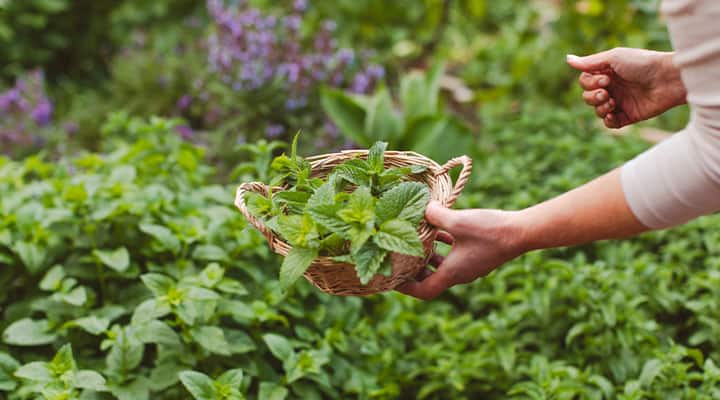
Lemon balm (Melissa officinalis), an herb in the mint family, contains properties that promote an overall sense of calm and support nervous system health. Lemon balm has been shown in research to encourage healthy stress management and healthy sleep.
-
How it helps you sleep:
Lemon balm has received more attention for its ability to support a healthy stress response and mood, but it has also been studied for sleep. The calming effects of lemon balm may primarily occur because it contains rosmaranic acid, a polyphenol that may inhibit the enzyme that degrades GABA and keeps your body from using its calming properties. -
What the science says:
A clinical trial found that 300 mg of lemon balm twice daily for 15 days promoted sleep. -
Dosage and when to take it:
Take 300 mg once or twice daily (morning and evening).
| Category | Melatonin alternatives | How they work |
|---|---|---|
| Amino acids |
|
|
| Peptides |
|
|
| Herbs |
|
|
| Adaptogenic herbs |
|
|

Explore Our Best Sleep Supplements
What About Magnesium for Sleep?

Magnesium has a reputation for promoting relaxation and healthy stress management as well as playing a key role in brain health, heart health, bone health and whole-body health. That being said, no clinical trials have been conducted on magnesium in healthy populations.
That doesn't mean you shouldn't take it for your overall health. And indeed, some forms of magnesium, notably magnesium acetyl taurinate, have been shown to encourage feelings of calmness and relaxation by promoting brain pathways associated with stress management. Magnesium has also been shown to help support the activity of neurotransmitters like serotonin and GABA.
What You Need to Know About Melatonin and Melatonin Alternatives
Here are some of the most popular questions we field about melatonin and its alternatives, and what scientific studies have shown.
Why Doesn’t Melatonin Work for Everyone?
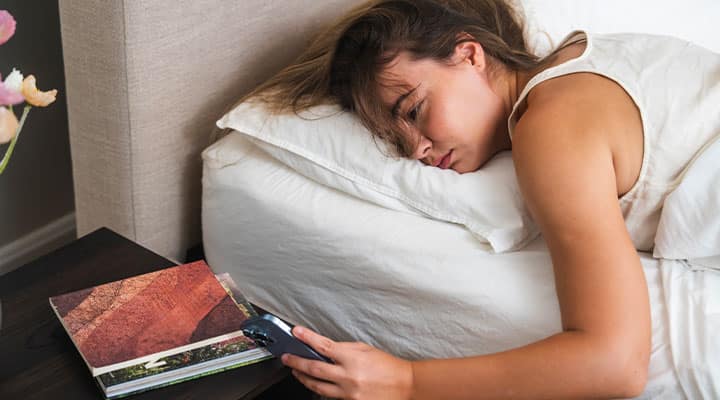
There are many different aspects of healthy sleep, including duration, sleep latency, regularity, satisfaction and alertness upon waking. Melatonin promotes optimal sleep and encourages healthy sleep/wake patterns.
But melatonin doesn’t work for everyone. Here’s why:
- Everyone’s biochemistry is unique, and some people simply don’t respond well to melatonin.
- Optimal dosing varies significantly, so some might take 1 mg while others might need 10 mg or more.
- Some people deal with next-day drowsiness, especially if they take melatonin too close to bed or in the middle of the night. While most products recommend taking melatonin 30 to 60 minutes before bed, some data suggests people may get better results from taking it 3 hours before bedtime.
Is Ashwagandha or Magnesium Better Than Melatonin for Sleep?
Although ashwagandha and magnesium both support a healthy response to stress and other benefits, only ashwagandha has quality clinical results for supporting healthy sleep.
What Role Do Probiotics Play in Sleep?
The gut-brain axis is incredibly important to whole-body health. Key neurotransmitters in the gut communicate with the brain through the vagus nerve, which plays an important role in regulating automatic body functions, including those involved in healthy sleep. Probiotics help support the production of those gut neurotransmitters.
Certain probiotics have been clinically studied to support healthy sleep. In a clinical trial, the probiotic Lactiplantibacillus plantarum Lp815 encouraged healthy sleep when compared with placebo. It also increased urinary GABA levels, and GABA promotes relaxation, a healthy stress response, and quality sleep.
Does Tart Cherry Help With Sleep?
Some people believe tart cherry supports healthy sleep because it naturally contains melatonin. However, the amount is so small that you would have to consume a room full of tart cherries to get an effective dose!
Tart cherry does help with muscle recovery after exercise, though. Cherry extract is high in anthocyanins, antioxidants that promote relief from post-exertion stiffness and muscle discomfort.
Key Takeaways
- The best supplements for sleep include ashwagandha, black cumin, lemon balm, and more.
- The neurotransmitter serotonin promotes relaxation, and some of it converts to melatonin in your body.
- Probiotics like Lactiplantibacillus plantarum Lp815 have been studied to help people fall asleep.


Resources
- Bulman A, et al. “The effects of L-theanine consumption on sleep outcomes: A systematic review and meta-analysis.” Sleep Med Rev. June 2025. https://pubmed.ncbi.nlm.nih.gov/40056718/
- Cases J, et al. “Pilot trial of Melissa officinalis L. leaf extract in the treatment of volunteers suffering from mild-to-moderate anxiety disorders and sleep disturbances.” Med J Nutrition Metab. December 2011. https://pubmed.ncbi.nlm.nih.gov/22207903/
- Chandra Shekhar H, et al. “Standardized Extract of Valeriana officinalis Improves Overall Sleep Quality in Human Subjects with Sleep Complaints: A Randomized, Double-Blind, Placebo-Controlled, Clinical Study.” Adv Ther. January 2024. https://pubmed.ncbi.nlm.nih.gov/37899385/
- Chang CM, et al. “The impact of Alpha-s1 Casein hydrolysate on chronic insomnia: A randomized, double-blind controlled trial.” Clin Nutr. December 2024. https://pubmed.ncbi.nlm.nih.gov/39541860/
- Chaste P, et al. “Identification of pathway-biased and deleterious melatonin receptor mutants in autism spectrum disorders and in the general population.” PLoS One. July 2010. https://pubmed.ncbi.nlm.nih.gov/20657642/
- Cheong MJ, et al. “A systematic literature review and meta-analysis of the clinical effects of aroma inhalation therapy on sleep problems.” Medicine (Baltimore). March 2021. https://pubmed.ncbi.nlm.nih.gov/33655928/
- Cropley M, et al. “Effect of kava and valerian on human physiological and psychological responses to mental stress assessed under laboratory conditions.” Phytother Res. February 2002. https://pubmed.ncbi.nlm.nih.gov/11807960/
- Cruz-Sanabria F, et al. “Optimizing the Time and Dose of Melatonin as a Sleep-Promoting Drug: A Systematic Review of Randomized Controlled Trials and Dose−Response Meta-Analysis.” Journal of Pineal Research. June 2024. https://onlinelibrary.wiley.com/doi/10.1111/jpi.12985
- Cui J, et al. “Inhalation Aromatherapy via Brain-Targeted Nasal Delivery: Natural Volatiles or Essential Oils on Mood Disorders.” Front Pharmacol. April 2022. https://pubmed.ncbi.nlm.nih.gov/35496310/
- Deshpande A, et al. “A randomized, double blind, placebo controlled study to evaluate the effects of ashwagandha (Withania somnifera) extract on sleep quality in healthy adults.” Sleep Med. August 2020. https://pubmed.ncbi.nlm.nih.gov/32540634/
- Dietz BM, et al. “Valerian extract and valerenic acid are partial agonists of the 5-HT5a receptor in vitro.” Brain Res Mol Brain Res. August 2005. https://pubmed.ncbi.nlm.nih.gov/15921820/
- Farah GJ, et al. “Assessment of Valeriana officinalis l. (Valerian) for Conscious Sedation of Patients During the Extraction of Impacted Mandibular Third Molars: A Randomized, Split-Mouth, Double-Blind, Crossover Study.” J Oral Maxillofac Surg. September 2019. https://pubmed.ncbi.nlm.nih.gov/31158346/
- Ferracioli-Oda E, et al. “Meta-analysis: melatonin for the treatment of primary sleep disorders.” PLoS One. May 2013. https://pubmed.ncbi.nlm.nih.gov/23691095/
- Grant AD, et al. “Lactiplantibacillus plantarum Lp815 improves sleep and increases urinary GABA in a randomized, double-blind, placebo-controlled study of sleep disturbance.” Sci Rep. January 2026. https://pubmed.ncbi.nlm.nih.gov/41554764/
- Kazemi A, et al. “Effects of chamomile (Matricaria chamomilla L.) on sleep: A systematic review and meta-analysis of clinical trials.” Complement Ther Med. September 2024. https://pubmed.ncbi.nlm.nih.gov/39106912/
- Mishra DN, Kumar M. “Shoden promotes Relief from stress and anxiety: A randomized, double-blind, placebo-controlled study on healthy subjects with high stress levels.” Heliyon. August 2024. https://pubmed.ncbi.nlm.nih.gov/39286132/
- Mohan ME, et al. “Exploring the short-term influence of a proprietary oil extract of black cumin (Nigella sativa) on non-restorative sleep: a randomized, double-blinded, placebo-controlled actigraphy study.” Front Nutr. January 2024. https://pubmed.ncbi.nlm.nih.gov/38288065/
- Mohan ME, et al. “A proprietary black cumin oil extract (Nigella sativa) (BlaQmax®) modulates stress-sleep-immunity axis safely: Randomized double-blind placebo-controlled study.” Front Nutr. April 2023. https://pmc.ncbi.nlm.nih.gov/articles/PMC10149792/
- Soh J, et al. “The effect of glycine administration on the characteristics of physiological systems in human adults: A systematic review.” Geroscience. February 2024. https://pubmed.ncbi.nlm.nih.gov/37851316/
- Sutanto CN, et al. “The impact of 5-hydroxytryptophan supplementation on sleep quality and gut microbiota composition in older adults: A randomized controlled trial.” Clin Nutr. March 2024. https://pubmed.ncbi.nlm.nih.gov/38309227/
- Sutanto CN, et al. “The impact of tryptophan supplementation on sleep quality: a systematic review, meta-analysis, and meta-regression.” Nutr Rev. January 2022. https://pubmed.ncbi.nlm.nih.gov/33942088/
- Viola H, et al. “Apigenin, a component of Matricaria recutita flowers, is a central benzodiazepine receptors-ligand with anxiolytic effects.” Planta Med. June 1995. https://pubmed.ncbi.nlm.nih.gov/7617761/
- Yamatsu A, et al. “Effect of oral γ-aminobutyric acid (GABA) administration on sleep and its absorption in humans.” Food Sci Biotechnol. April 2016. https://pubmed.ncbi.nlm.nih.gov/30263304/

Always be in the know!
Access the latest deals, wellness news, expert health tips & more!
Popular Supplement