Waking Up in the Middle of the Night? 22 Reasons Why
Published: August 2025
Do you often find yourself staring at the ceiling at 3 a.m., wondering why you can't stay asleep through the night? Millions of people experience middle-of-the-night awakenings, and while some reasons are obvious—like that sleep-robbing midday nap or evening cup of coffee—other reasons are less so. (Who knew chocolate was on the no-no list?)
Waking up in the middle of the night interrupts your body's natural sleep cycle, which may leave you feeling groggy the next day and make it harder to fall asleep the following evening.
Melatonin, your sleep hormone, orchestrates your sleep-wake cycle, but your choices throughout the day also play key roles in how you sleep at night. Here, we explore the most common culprits behind nighttime awakenings and what you can do about them.
What can interrupt a night's rest?

Lying awake in bed at 3 a.m.? These culprits may be to blame:
1. Too much light in the bedroom.
Light in the bedroom during nighttime hours disrupts your body's production of melatonin, the hormone that signals it's time to sleep. Your pineal gland in the brain responds to darkness by releasing melatonin, but even small amounts of light can interfere with this process. This relates directly to your circadian rhythm, which is your body's internal clock that expects light during the day and darkness at night.
2. Sleeping or napping during the day.
When you sleep during daylight hours, you throw your circadian rhythm out of sync. Your body becomes confused about when it should feel alert and when it should prepare for rest. Even short naps late in the afternoon might make it harder to fall asleep at bedtime and stay asleep throughout the night.
3. Racing thoughts.
Your mind doesn't immediately switch off the second your head hits the pillow. Occasional stress can cause your thoughts to race, making it difficult to fall asleep. And when stress hormones like cortisol remain elevated, they can wake you up during lighter sleep stages.

4. Caffeine consumption too late in the day.
Coffee, tea and energy drinks—and even some workout supplements—may contain enough caffeine to disrupt your sleep. The effects can last up to nine hours or more, so that afternoon coffee might still be affecting you at bedtime.
5. Eating too late at night.
Late-night eating disrupts your circadian rhythm because your digestive system has its own internal clock. When you eat within two hours of bedtime, your body focuses energy on digestion rather than on sleep. Eating late may also lead to digestive discomfort.
6. Drinking alcohol at night.
Ever noticed how quickly you fall asleep after a night of revelry? While alcohol might help you fall asleep initially, you may find yourself wide awake in the wee hours. As your body metabolizes alcohol, it can cause rebound alertness, frequent awakenings, and less time spent in the deeper, more restorative stages of sleep.

7. Eating chocolate at night.
If you often reach for dark chocolate after dinner, you might want to rethink your nighttime snack. Dark chocolate contains caffeine and theobromine, which can cause feelings of alertness in people sensitive to these stimulants. Milk chocolate contains less cocoa and fewer stimulants, but it's higher in sugar, which can also interfere with sleep quality.
8. Need to use the bathroom.
Frequent nighttime bathroom breaks can interrupt your sleep cycle multiple times per night. Waking up at night to go pee can be caused by drinking too much fluid before bed, eating certain foods and beverages, or simply having a smaller bladder capacity.
9. Hot flashes.
The sudden body temperature changes that are common to perimenopause and menopause can wake you up. These hot flashes are related to declining estrogen levels and can make it difficult to maintain a comfortable body temperature throughout the night.
10. Too much sound.
Even if you don't consciously wake up from noise, sounds can shift you from deep sleep to lighter sleep stages. Traffic, noisy neighbors, and even a snoring partner can all contribute to fragmented sleep and more frequent awakenings.
11. Bedroom temperature.
Your body temperature naturally drops as you prepare for sleep, and maintaining a cool environment supports this process. When your bedroom is too warm or too cold, or you have too many or too few bed coverings, your body has to work harder to maintain your temperature, which can cause you to wake up during the night.
12. Age-related changes.
Falling and staying asleep may not come as easily as we age. Older adults tend to experience more difficulty staying asleep, though this can be related to increased stress levels, having less tolerance for caffeine and alcohol, hormonal changes, or other age-related factors that accumulate over time.
13. Phone and tablet usage at night.
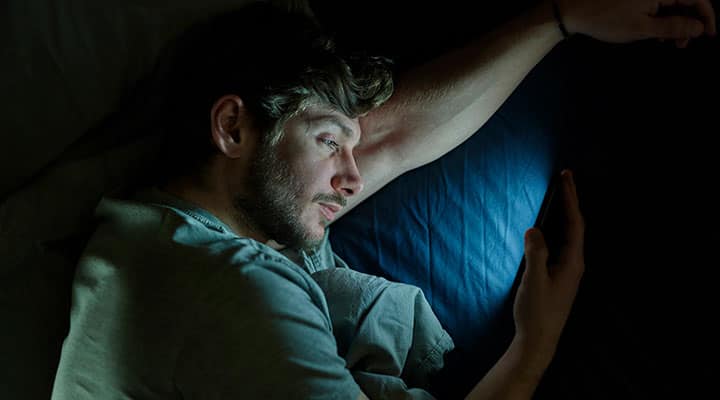
Electronic devices emit blue light that suppresses melatonin production, similar to natural daylight. Not only that, but the content you consume on these devices can activate your mind and make it harder to stay asleep once you do drift off.
14. Excitement about the next day's events.
One of the best feelings is having something to look forward to, but all that excitement can keep your mind active when it should be winding down. This mental stimulation can cause restless sleep or cause you to wake up earlier than you intended.
15. Hormonal fluctuations.
Your sleep cycle and hormones go hand in hand. Changes in estrogen, progesterone, testosterone, cortisol, and growth hormone can all affect sleep quality. In older women, these fluctuations often overlap with hot flashes.
16. Restless partner.
If you share your bed, the person sleeping next to you can significantly affect your ability to stay asleep. If your partner snores or changes positions often in their sleep, it can cause you to shift between sleep stages more frequently.
17. Pets or children demanding attention.
Cuddling at bedtime can help drift you off, but again, it's one of those things that don't help you stay in slumber. Pets often move around, need to go outside, or simply want attention, and that can all wake you up in the middle of the night. Similarly, children who wake up during the night can interrupt your sleep cycle multiple times.

18. Exercise too close to bedtime.
While regular exercise supports better sleep, working out too close to bedtime can have the opposite effect. Physical activity raises your core body temperature, heart rate, and stress hormone levels—all of which can make it harder to fall asleep and stay asleep.
19. Not enough exercise during the day.
Paradoxically, people who don't get enough physical activity during the day often experience more sleep disruptions. Think of it this way: If you're sedentary all day, you'll likely end up feeling more restless come nighttime. Regular exercise helps with your stress hormones and can lead to deeper, more restorative sleep phases.
20. Travel and jet lag.
Crossing time zones disrupts your circadian rhythm, making it difficult for your body to know when it should be asleep or awake. Even domestic travel can affect your sleep if you're staying in an unfamiliar environment with different sounds, lighting, or comfort levels.
21. Worry about sleep.
You may be familiar with this frustrating cycle: The more you worry about not being able to fall back asleep, the more alert you become. This concern can keep you awake longer and make future sleep disruptions more likely as you develop negative associations with nighttime awakenings.
22. Occasional physical discomfort.
If your mattress, pillows, or sleeping position aren't comfortable, it might interfere with getting a good night's sleep. And if you're dealing with muscle or back discomfort, that can cause you to wake up and have trouble returning to sleep.

Explore Our Best Sleep Supplements
11 tips to sleep better throughout the night

Understanding why you wake up is only half the battle. Here is some advice to help you fall asleep, stay asleep and feel more rested.
1. Set yourself up for success with good sleep habits.
Establish a consistent bedtime routine that signals to your body that it's time to wind down. This includes going to bed and waking up at the same time each day. (Yes, even on weekends.)
2. Create a dark, quiet sleep environment.
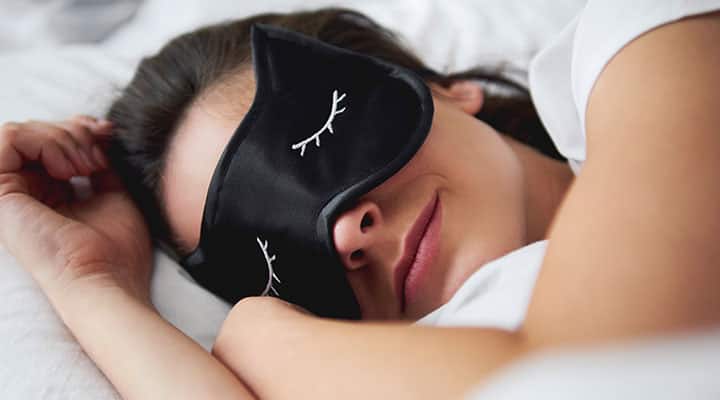
Make your bedroom as dark as possible using blackout curtains and eye masks or by covering LED lights from electronics. Consider using earplugs or a white noise machine to mask disruptive sounds that might wake you during lighter sleep phases.
3. Maintain a cool bedroom temperature.
Research shows that keeping your sleeping space between 60-68°F can support your body's natural temperature drop during sleep. This helps you fall asleep faster and experience fewer temperature-related awakenings during the night.
4. Put away electronics before bed.
Consider creating a technology curfew at least one hour before bedtime. The blue light from phones and tablets can suppress melatonin production, and engaging content can stir up your mind when it should be preparing for rest. Also remember to silence your devices. Many smartphones and wearable devices can be programmed for a sleep schedule to mute the late-night notifications that disrupt sleep.

5. Get sunshine and light exposure early in the day.
Going outside or looking at bright light in the morning helps set your circadian rhythm and reinforces your natural sleep-wake cycle. Go for a walk outside or spend time near bright windows soon after waking to help your body understand when it should feel alert and when it should prepare for sleep.
6. Include regular exercise in your routine.
Physical activity during the day can help you fall asleep faster and experience deeper sleep. But you'll want to finish intense workouts at least 3 to 4 hours before bedtime to allow your body temperature and stress hormones to return to baseline levels.
7. Experiment with caffeine timing.
Everyone responds differently to caffeine. Some people can drink coffee immediately before bed without issues, while others need to stop caffeine consumption early in the day, so it's important to pay attention to how caffeine affects your sleep quality.
Generally, aim to drink coffee at least nine hours before bedtime and take pre-workout supplements or drinks at least 13 hours before going to bed. Check the labels of your workout supplements, because some may contain caffeine.
Remember that tea contains less caffeine than coffee, but it may still affect you. And decaf coffee isn't caffeine-free, it just contains less. Dark chocolate is less stimulating than coffee, but you should avoid eating it later in the day if it affects your ability to stay asleep.
8. Manage daytime stress.
Occasionally, stress can keep you up at night, so you'll want to prioritize habits that help you feel calmer. Consider meditation, deep breathing exercises, or gentle stretching before bed to prepare your mind for rest.
9. Focus on nutritious eating patterns.
While you may avoid the foods known to directly impact your sleep, you can also promote your body's sleep process by maintaining an overall healthy diet. Nutritious food choices contribute to whole-body wellness, which supports restful sleep.
10. Consider sleep-supporting supplements.
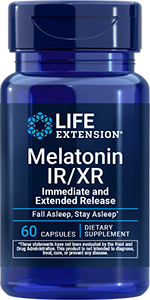
There are many sleep supplements that encourage relaxation and comfort at nighttime. Depending on what keeps you up at night, you might consider a bladder supplement, or you can try something like an extend-release melatonin to help you stay asleep. However, it's important to research any supplements thoroughly and consult with a healthcare provider to determine what might be appropriate for your individual needs.
11. Go to the bathroom before bed.
Empty your bladder before going to sleep and try to avoid drinking liquids right before bed. This can help minimize bathroom trips that interrupt your sleep during the night.
Want to support a good night's sleep? Our health needs quiz can deliver personalized supplement recommendations to help support better slumber.


References
- Alam M, et al. "Impacts of Blue Light Exposure From Electronic Devices on Circadian Rhythm and Sleep Disruption in Adolescent and Young Adult Students." Chronobiol Med. March 2024. https://www.chronobiologyinmedicine.org/journal/view.php?number=167
- Gardiner C, et al. "The effect of caffeine on subsequent sleep: A systematic review and meta-analysis." Sleep Med Rev. June 2023. https://pubmed.ncbi.nlm.nih.gov/36870101/
- He M, et al. "Shine light on sleep: Morning bright light improves nocturnal sleep and next morning alertness among college students." J Sleep Res. April 2023. https://pubmed.ncbi.nlm.nih.gov/36058557/
- Hirotsu C, et al. "Interactions between sleep, stress, and metabolism: From physiological to pathological conditions." Sleep Sci. September 2015. https://pmc.ncbi.nlm.nih.gov/articles/PMC4688585/
- Institute of Medicine (US) Committee on Military Nutrition Research. "Pharmacology of Caffeine." Caffeine for the Sustainment of Mental Task Performance: Formulations for Military Operations. National Academies Press (US). 2001. https://www.ncbi.nlm.nih.gov/books/NBK223808/
- Martínez-Pinilla E, et al. "The relevance of theobromine for the beneficial effects of cocoa consumption." Front Pharmacol. February 2015. https://pmc.ncbi.nlm.nih.gov/articles/PMC4335269/
- Pandi-Perumal SR, et al. "Clock-Sleep Communication." Curr Mol Med. 2025. https://pubmed.ncbi.nlm.nih.gov/39694958/
- Thurston RC, et al. "Hot flashes and awakenings among midlife women." Sleep. May 2019. https://pmc.ncbi.nlm.nih.gov/articles/PMC7368339/
- "How does alcohol affect your sleep?" Piedmont. https://www.piedmont.org/living-real-change/how-does-alcohol-affect-your-sleep
- "Sleep Environment." The Sleep Charity. https://thesleepcharity.org.uk/information-support/adults/sleep-environment/
- "What's the Best Temperature for Sleep?" Cleveland Clinic. November 2021. https://health.clevelandclinic.org/what-is-the-ideal-sleeping-temperature-for-my-bedroom

Always be in the know!
Access the latest deals, wellness news, expert health tips & more!
Men's Health Favorite