10 High-Histamine Foods to Avoid
Published: July 2026
At a Glance
- Histamine is a natural chemical produced by the body, but can also be found in certain foods.
- Eating too many high-histamine foods or not being able to fully metabolize histamine can lead to high histamine levels in the body.
- Histamine intolerance is often used interchangeably with food sensitivity, but is entirely different to a food allergy.
POV: You're out to eat and give the waiter a laundry list of foods you can't have.
It's hard when the foods you love don't love you back. Many people struggle with dairy products, gluten, peanuts, seafood or soy. However, a select few—about 1-3% of the world's population—are impacted by high-histamine foods.
You would think following a low-histamine diet would be the answer, but that's only the tip of the iceberg. A commonly overlooked enzyme, diamine oxidase (DAO), could also provide great relief.
If you suspect you or someone you know has a histamine intolerance, it will help to fully understand what you should and should not eat. So, let's dig in.
What is histamine?

Histamine is a natural chemical that the body produces on its own from the amino acid histidine.
Histamine is most known for its role in immune health, but is actually involved in numerous bodily functions. Among them, the body uses histamine to:
- Expand blood vessels
- Secrete gastric acid
- Support digestion
- Trigger muscle contraction
Histamine even helps regulate the release of neurotransmitters like dopamine for healthy brain function.
That said, too much of a good thing can be bad for certain individuals. Normally, the body metabolizes histamine in the gut with the enzyme diamine oxidase (DAO).
But, if the body doesn't have enough DAO enzyme or there's something inhibiting the enzyme from breaking down histamine, it can accumulate in the gut.
Imagine everyone has a "histamine bucket." When histamine in your intestine is outpacing the ability of DAO to break it down, histamine can overflow from the bucket and cause an adverse reaction.
For those who experience adverse reactions, it will be very important to keep an eye on your histamine levels (aka when the bucket is full or near full) and follow a low-histamine diet.
10 high-histamine foods to avoid
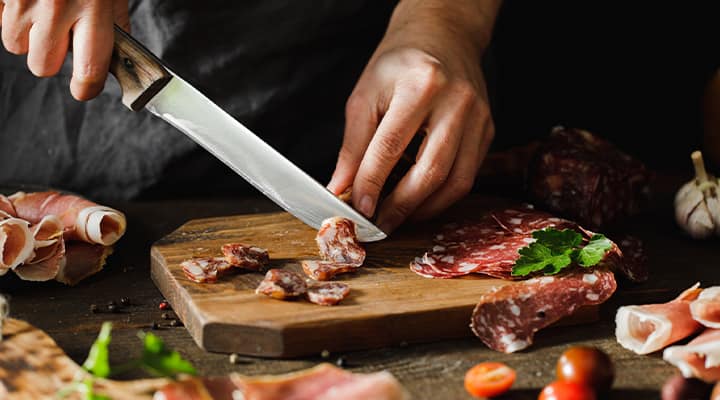
While the actual histamine content in foods can vary, we do know highly processed foods, aged foods and fermented foods contain more histamine than fresh foods. We also know that poor cooking and storage practices can greatly influence histamine levels. Leaving food in the "temperature danger zone" of 41-135 degrees Fahrenheit allows bacteria to thrive and multiply, thus leading to higher histamine levels.
Making things even more complicated: some fresh foods that are actually low in histamine may trigger the release of the body's stored histamine. These are called histamine liberators. There are also foods known as DAO inhibitors, which can interfere with DAO enzyme activity and, therefore, inhibit the breakdown of histamine.
Here's a round-up of foods that you may be sensitive to if you have difficulty with histamine:
1. Meats
Cured meats:
Fresh, properly handled meat is generally low in histamine. However, cured meats—like salami, prosciutto and chorizo—take it up a notch. These types of meats have undergone certain processing to increase preservation.Mishandled meats:
Meat that is not stored or cooked at the appropriate temperature may be higher in histamine. Unfortunately, cooking or reheating does not eliminate histamine.
While these preservation techniques are meant to inhibit bacteria long-term, bacterial spoilage can occur during processing and before the meats are fully cured. The bacteria that develop can then degrade histidine into histamine, thereby increasing histamine levels.
2. Fish
Preserved fish:
Preserved fish can include canned, smoked or salted fish. These products tend to have higher histamine content for the same reason as cured meats. The processing methods and aging create the perfect environment.Raw fish:
Raw fish that is promptly frozen or cooked will generally have lower histamine levels than fish that sits raw for too long before processing. There are several different types of bacteria that can produce histamine, which is why proper storage and temperature control are so important with histamine intolerance.
3. Dairy
Aged cheese:
Parmigiano-Reggiano, Gruyere, cheddar, Gouda and Roquefort are all so delicious. They're also examples of aged cheeses. Aged cheeses can be made from unpasteurized (raw) milk or from pasteurized milk.
In the U.S., raw cheeses must be aged for at least 60 days for optimal food safety. Generally, cheeses from raw milk have higher histamine content due to the presence of bacteria. Plus, the aging process itself can increase histamine.
4. Fruits
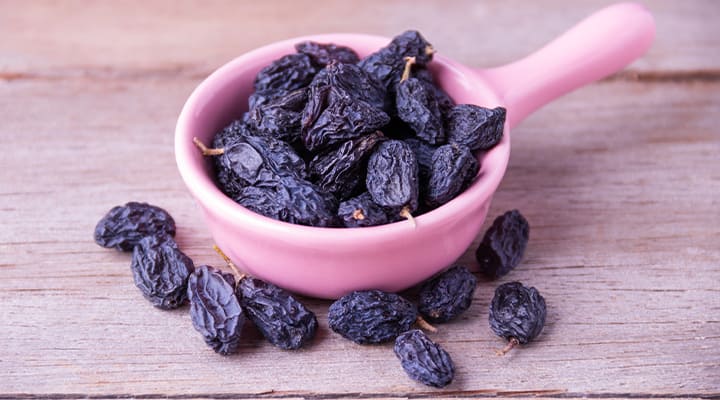
Most fruits are not high in histamine and are generally not triggering for people with histamine intolerance. However, there are still a few exceptions, especially if the fruit is not fresh or has been dried or aged like raisins. The following fruits may have slightly higher histamine levels than others:
- Dried fruit
- Tomato
- Eggplant
- Avocado
The following fruits are low-histamine foods, but are reportedly histamine liberators or DAO inhibitors. Histamine liberators are foods that stimulate the release of the body's own histamine reserves. These fruits are not generally a concern, because they contribute only a small amount to overall histamine load. Nonetheless, it helps to be aware of these foods if you have a histamine intolerance:
- Banana
- Citrus fruit
- Berries
- Pineapple
- Papaya
5. Vegetables
Spinach:
This leafy green contains a small amount of histamine. If you're following a strict low-histamine diet, avoid spinach.
6. Alcohol

You might want to hold off on that toast. Wine and beer are considered top offenders, because the aging and fermentation processes increase histamine content. Liquor still makes the list, though. Alcohol, in general, is a triple threat, because it:
- Contains histamine
- May trigger histamine release
- Inhibits DAO function
7. Fermented foods
Like aged cheeses and cured meats, fermented foods have higher histamine content. Fermentation is a lengthy process that involves good bacteria. Bacteria + time is the perfect equation for histamine production.
However, exact histamine levels will vary, depending on the fermentation method and length of aging. If you have a dietary histamine intolerance, limit or avoid the following foods:
- Sauerkraut
- Fermented pickles
- Tempeh
- Miso
- Kombucha
8. Chocolate
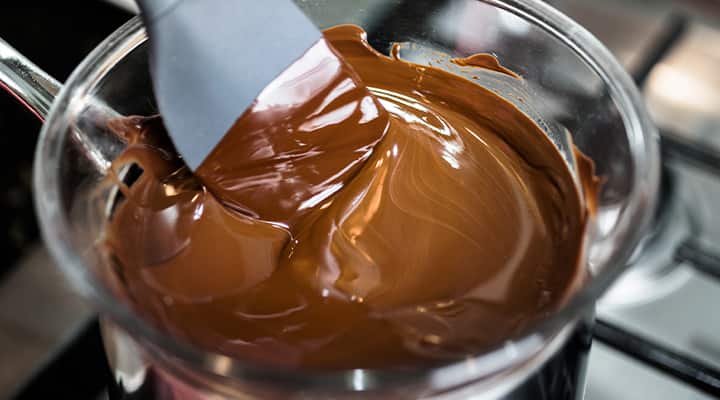
Sorry to say, a low-histamine diet should be low in chocolate as well. Not only has this sweet treat been reported to stimulate histamine accumulation, but it may also prevent the body from breaking it down.
9. Vinegar
Vinegar and vinegar-based sauces or dressings can pose difficulties for people with histamine intolerance, because vinegars are fermented. Some vinegars may also be histamine liberators.
10. Leftovers
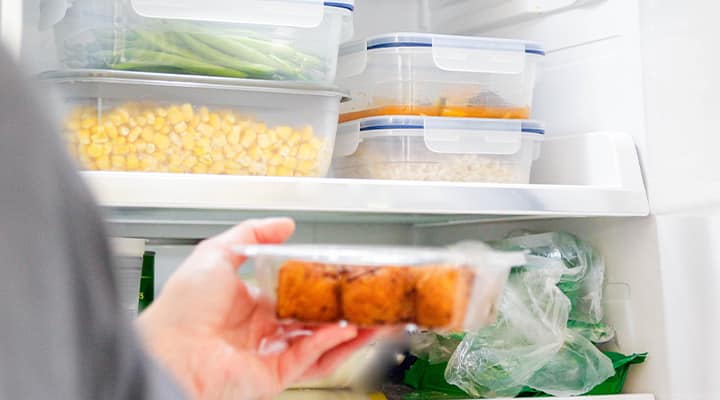
Batch cooking so you can eat the same meal for several days can help you save time and money. But when following a low-histamine diet, you have to consider the freshness factor.
Any food that is not eaten right away can become naturally higher in histamine—especially if it isn't kept at a safe temperature the entire time.
"Being sensitive to histamine might make you feel like you can never eat your favorite foods, but you may not need to completely eliminate them from your diet! Keep your 'histamine bucket' in mind to avoid overloading your gut and consider a DAO supplement to help keep your intestinal histamine in check."
What are signs of sensitivity to high-histamine foods?
There is no single definitive test to determine if someone has a histamine intolerance. The best way to assess this is by consuming high-histamine foods and keeping track of how you feel afterwards.
Occasional gas, bloating or digestive discomfort after eating foods with histamine would be a telling sign that something is amiss. You may notice changes within minutes, or it may take hours, which makes it tricky to pinpoint the cause.
You'll want to speak with your healthcare provider, who can help rule out any other possible causes. If everything checks out but you still experience digestive health woes, consider analyzing your food intake. Write down what you eat for a few days, and take note of any physical changes after eating.
Some questions to consider:
- Do you notice adverse reactions after eating high-histamine foods?
- Are you eating high-histamine foods, histamine liberators or DAO inhibitors at most of your meals?
- Are you eating leftovers more than three days per week?
Why do I have an intolerance to high-histamine foods?

As The American Journal of Clinical Nutrition summarizes, "Histamine intolerance results from a disequilibrium of accumulated histamine and the capacity for histamine degradation." But how does histamine accumulate? There are a few possible answers.
| Cause of histamine intolerance | What happens |
|---|---|
| Dietary intake |
|
| DAO enzyme levels |
|
| Hormonal shifts |
|

Explore Our Best Digestive Health Supplements
What is the best way to deal with histamine sensitivity?

Just because you may be dealing with histamine sensitivity, it doesn't mean that you should stop enjoying the foods we listed altogether.
As Life Extension scientist Shayna Sandhaus, PhD notes, "Being sensitive to histamine might make you feel like you can never eat your favorite foods, but you may not need to completely eliminate them from your diet! Keep your 'histamine bucket' in mind to avoid overloading your gut and consider a DAO supplement to help keep your intestinal histamine in check."
Here's some other tips for managing histamine sensitivity:
Keep a food diary
Keeping a food diary can help you assess and monitor histamine foods to avoid. In your food diary, record the foods you eat in a day and any noticeable effects. On a separate day, follow a low-histamine diet and note whether you notice an improvement.
Finally, reintroduce high-histamine foods and watch for those digestive discomforts. If they reoccur, you've likely identified the foods that trigger histamine in your body.
Maintain safe food practices
When improperly handled, bacteria in food can double every 20 minutes. Not all of these bacteria will produce histamine, but some will.
By practicing proper food safety, you can significantly reduce the number of bacteria that grow and, therefore, reduce histamine production. Not to mention, proper food preparation and storage reduces the risk of food poisoning.
Key food safety tips:
- Keep food out of the temperature danger zone. Food should maintain an internal temperature below 40 degrees or above 135 degrees Fahrenheit.
- Cook all meat, poultry and fish to the appropriate internal temperature. Use a meat thermometer to get an accurate gauge.
- In the refrigerator, always store meat, eggs and poultry below fresh fruits and vegetables.
- Use separate knives, cutting boards and cooking utensils for each different food group.
Supplement with DAO
Sometimes, you just want to enjoy a good charcuterie board! And DAO supplements can help make enjoying it easier.
By supporting the metabolism of histamine-rich foods, DAO supplements can help relieve digestive discomfort, such as occasional gas and stomach upset, associated with dietary histamine sensitivity.
They can even benefit those trying to follow a low-histamine diet, as histamine-containing foods can be hard to avoid.
Read the formula carefully and follow the suggested dosage. Usually, you'll want to take DAO supplements before meals to get the greatest benefit.
Is histamine sensitivity the same thing as a food intolerance?
These terms are often used interchangeably, and indeed, there is a lot of overlap. A food intolerance occurs when there is a gastrointestinal reaction that is reproduced with the same food and does not involve an immune reaction.
Usually, food intolerances occur because the body is having trouble digesting certain foods or food components. Therefore, someone who does not have enough DAO in their body would have a histamine intolerance.
On the other hand, "food sensitivity" is an umbrella term used to describe adverse reactions that can't be clearly defined as an intolerance or allergy.
A person who doesn't have difficulties with enzymes or the ability to break down histamine but still reports effects may be experiencing histamine overload. In this case, histamine sensitivity would be the appropriate explanation.
In either case, following a low-histamine diet is the best way to keep your gut happy for the long term and keep your bucket from overflowing.
Key Takeaways
- Histamine intolerance can develop from hormonal shifts or from low levels of a certain enzyme.
- Paying careful attention to how your food is prepared and stored can significantly influence the load in your histamine bucket.
- DAO supplements can help relieve digestive discomfort associated with high-histamine diet foods.


References
- Comas-Basté O, et al. "Histamine Intolerance: The Current State of the Art." Biomolecules. August 2020. https://pmc.ncbi.nlm.nih.gov/articles/PMC7463562/
- Jackson K, et al. "Evidence for Dietary Management of Histamine Intolerance." Int J Mol Sci. September 2025. https://pmc.ncbi.nlm.nih.gov/articles/PMC12470264/
- Maintz L, Novak N. "Histamine and histamine intolerance." The American Journal of Clinical Nutrition. May 2007. https://www.sciencedirect.com/science/article/pii/S0002916523280533?via%3Dihub
- Sánchez-Pérez S, et al. "Low-Histamine Diets: Is the Exclusion of Foods Justified by Their Histamine Content?" Nutrients. April 2021. https://pmc.ncbi.nlm.nih.gov/articles/PMC8143338/
- Visciano P, et al. "An Overview of Histamine and Other Biogenic Amines in Fish and Fish Products." Foods. December 2020. https://pmc.ncbi.nlm.nih.gov/articles/PMC7761699/
- Zhao Y, et al. "Histamine Intolerance—A Kind of Pseudoallergic Reaction." Biomolecules. March 2022. https://www.mdpi.com/2218-273X/12/3/454
- "Cured Meats." ScienceDirect. https://www.sciencedirect.com/topics/food-science/cured-meats

Always be in the know!
Access the latest deals, wellness news, expert health tips & more!
Popular Supplement