Top 10 Gut Health Supplements (Expert Picks for 2026)
Published: August 2022 | Updated: April 2026

At a Glance
- Gut health supplements support healthy digestion, microbiome balance and digestive comfort.
- Probiotics, prebiotics, postbiotics, fiber and botanical extracts are among the top gut health supplements.
- The best supplement depends on your goal, such as promoting beneficial bacteria or regular bowel movements.
- Stay consistent with your gut health supplements and a healthy routine to see positive results.
Eat your veggies, load up on fermented foods, drink enough water: Many of us know the ABCs of good gut health practices.
Also high on this list: beneficial probiotics, which help keep our beneficial gut bacteria in balance. We know the gut microbiome affects many different aspects of health, not just your digestive system, which makes gut health especially important.
But probiotics aren't the only game in town when it comes to gut health—we also need to leave room in the spotlight for other gut health champions like prebiotics and postbiotics. Then there are digestive support formulas that use other well-studied nutrients to keep that belly healthy and happy.
Whether you're seeking a healthy microbiome, better regularity, or even digestive comfort after eating heavy foods, the following 10 gut health supplements can help.

Best Supplements for Gut Health
1. A probiotic
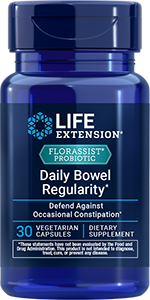
Let's start with a core supplement everyone should take: a probiotic that promotes beneficial bacteria in the gut. Not just any probiotic will do: look for scientifically studied strains, ideally a blend of L. paracasei IMC 502 and L. rhamnosus IMC 501, which work as a team. Research shows that taking these strains together every day can help support digestive health as well as maintain intestinal regularity, which promotes consistent bowel movements. This probiotic combo might even help relieve occasional bloating.
2. A postbiotic
You've heard of probiotics, but what about postbiotics? Research suggests that certain strains offer gut health benefits, too. B. longum ES1 is a live probiotic with health benefits, but when it's exposed to heat and killed off, it transforms into a postbiotic with its own set of benefits. A placebo-controlled clinical trial showed that heat-treated postbiotic made from B. longum ES1 helped maintain GI comfort and relieve occasional abdominal discomfort and bloating.
3. Bacteriophages
Got unwanted bacteria in your gut? Those critters are no match for bacteriophages, small bundles of DNA or RNA that attach themselves to specific strains of unwanted bacteria in the intestines. Certain bacteriophages actually target specific unfavorable bacteria strains for removal and encourage the growth of beneficial flora. Often paired with probiotics, bacteriophages are the "secret sauce" for better microbiome balance.

4. A superstar probiotic strain (LAFTI® L10)
Some probiotics are better-known than others. LAFTI® L10 is a well-documented probiotic strain that encourages digestive health. In a clinical study, LAFTI® L10 was found to help relieve occasional digestive discomfort and promote gastrointestinal health within two weeks. Life Extension currently combines this strain with a probiotic to support a balanced vaginal microbiome.
5. Prebiotics
Prebiotics feed the beneficial bacteria in your microbiome, like bifidobacteria, a gut microbe that breaks down important types of dietary carbohydrates and helps fuel the cells in your digestive tract. Nurturing your bifidobacteria is important, especially because your levels of this type of microbe tend to decline with age. But there's a fine balance when it comes to prebiotic dosage: overdoing them can lead to unwanted GI effects. A scientifically studied prebiotic with 70% xylooligosaccharides is ideal because it helps optimize the growth potential of gut bifidobacteria, and can do so in relatively low doses, which means less of a chance of GI upset.
6. Fiber
No surprises here to see fiber on our list of must-haves! This well-known champion of gut health and digestion also promotes heart health, healthy weight management and more. Fiber is a carbohydrate that can act as a prebiotic—helping to feed those beneficial microbes in your gut. It is also celebrated for helping to support digestive regularity.
"Fiber is especially good for your gut because when you eat, the soluble fiber in your food gets broken down to help move things along your digestive system at a healthy rate," said Dr. Michael A. Smith, MD, the Director of Education for Life Extension.
Many fiber supplements are made with psyllium husk, but supplements made of fiber from konjac root deliver the same benefits as other types of fibers at a smaller dose, which promotes digestive comfort.7. Bowel regularity support
New Zealand is famous for its stunning landscapes and many sheep, but it has another claim to fame: The beneficial probiotic strain Bifidobacterium lactis HN019 was originally isolated from yogurt produced in New Zealand. This strain can support gut health and bowel regularity. In fact, clinical research shows supplementing with Bifidobacterium lactis HN019 can help relieve occasional constipation in as little as 14 days.
“Fiber is especially good for your gut because when you eat, the soluble fiber in your food gets broken down to help move things along your digestive system at a healthy rate.”

8. A bloat relief supplement
Despite how compact they can look from the outside, your intestines are long (up to 30 feet)! Your food literally needs to "go the distance" to get through your digestive system, and a combination of artichoke leaf and ginger root extract can help move it along. Ginger has been studied to support gastric emptying (essentially, getting your food to the finish line), while artichoke extract encourages healthy bile flow from the liver, which also helps to keep things moving. In a double-blind, placebo-controlled study, people taking a bloat supplement with artichoke leaf and ginger extract reported a marked improvement in stomach comfort and occasional bloating after just two weeks.
9. Fennel seed oil and turmeric
Fennel is another ingredient with a long history of digestive support. Traditionally used to relieve occasional gas and bloating, fennel encourages healthy digestive muscle contractions and helps inhibit digestive bacteria that produce gas.
The very well-known extract turmeric also helps support gut health and function. In a large, placebo-controlled clinical trial, a combination of fennel seed oil and turmeric was reported to significantly help with occasional bloating and other digestive discomforts.
10. Diamine oxidase (DAO)
Charcuterie spreads are everywhere nowadays, filled with sliced cheeses, cured meats and sometimes elaborate bouquets of salami. These tempting food displays are easy to eat, but not always easy to digest, thanks to the histamine compounds found in many deli meats, cheeses and alcohol like beer and wine.
Diamine oxidase (DAO) is an enzyme that supports histamine metabolism, and supplementing with this enzyme has been found to help alleviate occasional gas and stomach upset. In clinical research, people who took a DAO supplement before meals for eight weeks reported relief from occasional gastrointestinal discomfort.
What do gut health supplements support?

Gut health supplements can be grouped into three areas of support.
1. Gut microbiome balance
Probiotics:
These are living microorganisms—specifically, bacteria and yeasts. When taken in sufficient amounts, probiotics can promote gastrointestinal health and digestion.Prebiotics:
These are components of food (such as some fibers) that are not fully digested and that act as a food source for the microbes in the gut.Postbiotics:
These are inactive or non-living (often heat-killed) microorganisms and/or their metabolites that promote health benefits.
2. Regular bowel movement patterns
Fiber:
Fiber acts as a prebiotic and supports digestive regularity. Konjac root fiber delivers these benefits at a smaller dose than common fiber alternatives, such as psyllium husk.Specific probiotic strains:
Different bacterial strains come with different benefits. Bifidobacterium lactis HN019 supports bowel regularity, particularly for those with mild occasional constipation, by helping food move through the digestive system more efficiently. LAFTI® L10 has also been shown to support digestive comfort and promote GI health. (This strain is featured in a Life Extension formula for women.)

3. Digestive comfort, including gas and bloating
Artichoke leaf, ginger extract, fennel seed oil, turmeric:
These ingredients support gut health and digestive comfort through different channels, including helping with gastric emptying, healthy bile flow, inhibiting gas-forming bacteria, and keeping digestion moving.Diamine oxidase (DAO):
Certain people can be sensitive to dietary histamines that are found in foods like cured meats, cheese, citrus and some fermented foods and drinks (including beer and wine). The enzyme DAO helps break down histamines and relieve the occasional digestive discomfort associated with sensitivity to histamine-rich foods.
| Health goal | Supplement type | Examples |
|---|---|---|
| Gut microbiome balance | Probiotic |
|
Prebiotic |
|
| Postbiotic | Heat-treated B. longum ES1 | |
| Bowel regularity | Fiber | Konjac root fiber |
| Probiotic |
|
Digestive comfort |
| Botanical extracts |
|
|
| Enzyme | Diamine oxidase (DAO) |

Explore Our Best Digestive Health Supplements
How do you choose the right gut health supplement?
Match the supplement type to your primary digestive goal.
Not all gut supplements do the same thing, so start by identifying what you're trying to address, whether your priority is microbiome balance, digestive regularity or digestive comfort.Start with one before combining multiple products.
More isn't necessarily better. Start with one type of supplement at a time and pay attention to your body's response. Remember to give yourself time (at least two to four weeks) to gauge what's working. For example, if you deal with occasional bloating and gas, you might want to take a supplement with fennel seed oil, turmeric, artichoke leaf, and ginger for a month or so before trying a DAO supplement.Stay consistent.
Rome wasn't built in a day, and neither is good gut health. You have to stay consistent with your supplements and healthy routine to see good results. Many clinically studied ingredients were used in studies spanning several weeks.Talk to your doctor.
Before starting a new supplement or making any big lifestyle change, it's always a good idea to check in with a healthcare provider who can discuss your specific health goals and concerns.

Frequently asked questions about gut health supplements
Can you take multiple gut health supplements together?
Yes, you can take combinations of enzymes, probiotics and prebiotics, fiber, and other supplements—but you'll want to start them one at a time to assess how they affect your health and which works best for your health.
Are gut health supplements meant to replace diet?
No. Supplements are meant to complement your diet, not replace anything in it. That means eating a healthy, balanced diet is the number one priority. To support gut health, focus on whole fiber sources, including fruits, vegetables, legumes, whole grains, nuts, and seeds. Fermented foods, such as yogurt, kefir, and sauerkraut, are also beneficial.
If it's a challenge to eat enough fruits, veggies, or other high-fiber foods (or if fermented foods just aren't your thing), a gut health supplement can be a great addition to your daily routine.
Not sure where to start? Our digestive health quiz can give you a recommendation for nutrients tailored to your health concern and lifestyle.
Key Takeaways
- Not all probiotics are the same. Different bacterial strains come with different benefits.
- Match your digestive supplements to your gut health goals.
- Supplements should complement a healthy diet and lifestyle, not replace them.

References
- Ahmed M, et al. "Impact of consumption of different levels of Bifidobacterium lactis HN019 on the intestinal microflora of elderly human subjects." J Nutr Health Aging. January-February 2007. https://pubmed.ncbi.nlm.nih.gov/17315077/
- Cheang KU, et al. "Effects of Glucomannan Noodle on Diabetes Risk Factors in Patients with Metabolic Syndrome: A Double-Blinded, Randomized Crossover Controlled Trial." Journal of Food and Nutrition Research. August 2017. https://pubs.sciepub.com/jfnr/5/8/13/index.html
- Chen HL, et al. "Konjac acts as a natural laxative by increasing stool bulk and improving colonic ecology in healthy adults." Nutrition. November-December 2006. https://pubmed.ncbi.nlm.nih.gov/17027233/
- Cummings JH, Macfarlane GT. "Gastrointestinal effects of prebiotics." Br J Nutr. May 2002. https://pubmed.ncbi.nlm.nih.gov/12088511/
- Devaraj RD, et al. "Health-promoting effects of konjac glucomannan and its practical applications: A critical review." Int J Biol Macromol. April 2019. https://pubmed.ncbi.nlm.nih.gov/30586587/
- Febvre HP, et al. "PHAGE Study: Effects of Supplemental Bacteriophage Intake on Inflammation and Gut Microbiota in Healthy Adults." Nutrients. March 2019. https://pubmed.ncbi.nlm.nih.gov/30897686/
- Finegold SM, et al. "Xylooligosaccharide increases bifidobacteria but not lactobacilli in human gut microbiota." Food Funct. March 2014. https://pubmed.ncbi.nlm.nih.gov/24513849/
- Lazzini S, et al. "The effect of ginger (Zingiber officinalis) and artichoke (Cynara cardunculus) extract supplementation on gastric motility: a pilot randomized study in healthy volunteers." Eur Rev Med Pharmacol Sci. 2016. https://pubmed.ncbi.nlm.nih.gov/26813467/
- Na MH, Kim WK. "Effects of Xylooligosaccharide Intake on Fecal Bifidobacteria, Lactic acid and Lipid Metabolism in Korean Young Women." Korean J Nutr. March 2007. https://www.koreamed.org/SearchBasic.php?RID=0124KJN%2F2007.40.2.154
- Okutan G, et al. "Exogenous Supplementation with DAO Enzyme in Women with Fibromyalgia: A Double-Blind Placebo-Controlled Clinical Trial." J Clin Med. October 2023. https://pmc.ncbi.nlm.nih.gov/articles/PMC10607251/
- Portincasa P, et al. "Curcumin and Fennel Essential Oil Improve Symptoms and Quality of Life in Patients with Irritable Bowel Syndrome." J Gastrointestin Liver Dis. June 2016. https://pubmed.ncbi.nlm.nih.gov/27308645/
- Silvi S, et al. "Probiotic-enriched foods and dietary supplement containing SYNBIO positively affects bowel habits in healthy adults: an assessment using standard statistical analysis and Support Vector Machines." Int J Food Sci Nutr. December 2014. https://pubmed.ncbi.nlm.nih.gov/25045832/
- Srivastava S, et al. "A randomized double-blind, placebo-controlled trial to evaluate the safety and efficacy of live Bifidobacterium longum CECT 7347 (ES1) and heat-treated Bifidobacterium longum CECT 7347 (HT-ES1) in participants with diarrhea-predominant irritable bowel syndrome." Gut Microbes. January-December 2024. https://pubmed.ncbi.nlm.nih.gov/38630015/
- Verdenelli MC, et al. "Influence of a combination of two potential probiotic strains, Lactobacillus rhamnosus IMC 501® and Lactobacillus paracasei IMC 502® on bowel habits of healthy adults." Letters in Applied Microbiology. June 2011. https://academic.oup.com/lambio/article-abstract/52/6/596/6701533
- Waller PA, et al. "Dose-response effect of Bifidobacterium lactis HN019 on whole gut transit time and functional gastrointestinal symptoms in adults." Scand J Gastroenterol. September 2011. https://pubmed.ncbi.nlm.nih.gov/21663486/

Always be in the know!
Access the latest deals, wellness news, expert health tips & more!
Digestive Health Favorite