Magnesium Glycinate vs. Glycine: What’s the Difference?
Published: April 2026
At a Glance
- Magnesium glycinate is a well-absorbed form of the mineral magnesium, which benefits the heart, bones, nerves and more.
- Glycine is an amino acid involved in sleep and alertness.
- Taking magnesium glycinate will not affect your body the same as taking glycine—and vice versa.
Vitamin B, C and D. Pro- and prebiotics. In the world of supplements, you hear many different names thrown around. Magnesium glycinate and glycine are two among many that sound similar when you hear them out loud.
But is glycine the same as glycinate? Not quite! Magnesium glycinate supplements are top-tier for whole-body health and vital to hundreds of processes and functions in the human body.
Meanwhile, glycine supplements are a great choice for sleep and stress management.
"Both magnesium glycinate and glycine deserve their reputation as important dietary supplements, but people take them for different reasons," said Life Extension's Director of Education, Dr. Michael A. Smith. "It's really important to understand how each works so you make sure you're getting the desired effects."
So what exactly is the difference between them, and how do they work in the body? Let's dive in!
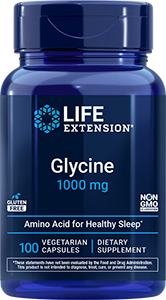
What is glycine?

Glycine is a nonessential amino acid. Research suggests it plays a role in several biological processes, including:
- Sleep/wake patterns
- Overall sleep quality
- Relaxation
- Alertness
- Cognition
But this amino acid is mostly well known for its sleep benefits. And for good reason! One review observed that three populations receiving 3 g a day of glycine 30 minutes to one hour before bedtime over two to four days experienced decreased fatigue and overall sleepiness.
Now that you have a better understanding of why glycine is on the nightstands of so many health seekers, let's get into magnesium glycinate.
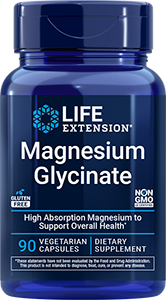
What is magnesium glycinate?

Magnesium glycinate supplements are created by binding magnesium to glycine. It's not the only type of magnesium out there (other forms of magnesium include citrate, oxide and L-threonate), but it's one of the most popular. This is because it's well-absorbed and easy on the gastrointestinal tract.
Magnesium glycinate supplements support magnesium levels in the body and benefit whole-body health—muscle, bone, heart and nerve function among them. Overall, magnesium is necessary for more than 600 biochemical reactions in the body.
Many people take it for bone health. This is because anywhere between 50% and 60% of the body's magnesium is stored in the bones, while most of the rest resides in soft tissues.
Although magnesium glycinate is made by binding magnesium to glycine, it doesn't contain enough glycine to offer the same benefits as a glycine supplement, which is why you won't see sleep support listed among this supplement's many benefits.
When should I choose magnesium glycinate versus glycine?

Whether you choose magnesium glycinate or glycine depends completely on your health goals. Magnesium glycinate is an excellent supplement for whole-body health. While it doesn't provide enough glycine to offer sleep benefits, you still reap the benefits of the magnesium itself. Glycine, on the other hand, is good for sleep hygiene, making it a smart nightly supplement.
But remember that good sleep hygiene is a multifaceted approach. Supplementation can help, but as part of a more well-rounded routine that also involves putting away your gadgets at least an hour before bed, avoiding big meals and spicy food before trying to get some shuteye, turning down the thermostat and snoozing in a dark room.
“Both magnesium glycinate and glycine deserve their reputation as important dietary supplements, but people take them for different reasons. It’s really important to understand how each works so you make sure you’re getting the desired effects.”
Let's briefly recap the differences between glycine and magnesium glycinate.
| Category | Magnesium Glycinate | Glycine |
|---|---|---|
| What it is | Mineral bound to an amino acid | Amino acid |
| Best for | Heart, bone, muscle, and nerve health | Sleep and relaxation |
| Digestive tolerance | Less GI sensitivity | Generally well tolerated |
| Contains magnesium | Yes | No |
| Typical supplement dose | 105 mg (from magnesium bisglycinate) | 1000 mg |
| Food sources | Nuts, seeds, leafy greens, legumes, whole grains | Legumes, fish, dairy, meat |
Both magnesium glycinate and glycine offer a number of wonderful benefits for your health, including bone and muscle support and better sleep. If you're not sure what the best fit is for you, speak with your healthcare provider before starting to supplement.

Explore Our Best Magnesium Supplements
How do magnesium glycinate and glycine work differently in the body?

Simply put, magnesium glycinate and glycine operate via different pathways in the body. But what exactly does that mean?
The body cannot produce magnesium glycinate on its own, meaning it must come from diet and/or magnesium supplements to support various health functions. Some good food sources of magnesium include:
- Nuts
- Seeds
- Leafy greens
- Legumes
- Whole grains
And bad news: many Americans aren't consuming enough of these foods to get optimal magnesium! In general, it can be difficult to get all the nutrients your body needs from nutrition alone, which is why supplementation is so helpful.
But what about glycine? This amino acid has two primary routes:
- You can get more of it through supplements and dietary sources like legumes, fish, dairy, and meat.
- The body can create more on its own by converting the amino acid serine. This process happens mostly in the liver and kidneys.
Since glycine is a direct precursor for several other significant molecules, including creatine, heme, purines, and glutathione, it's got a big job to do, making it especially important that you get enough!
Frequently asked questions about magnesium glycinate and glycine
Can I take magnesium glycinate for sleep or stress?
Glycine is a better option to support sleep. If you're looking for a magnesium that may support healthy stress levels, you might want to consider picking up a magnesium acetyl-taurate formula rather than glycinate.
Are magnesium glycinate and glycine the same thing?
No. While the names sound similar, these are two different things! Magnesium is a mineral, and glycine is an amino acid.
Can you take glycine and magnesium glycinate together?
Yes, they can complement each other due to their differing benefits. Ensure you take the doses as directed on the labels or by your healthcare provider.
Key Takeaways
- Magnesium glycinate supplements are easily absorbed and useful to maintain healthy levels of the mineral.
- It's safe to combine glycine and magnesium supplements as long as the doses are appropriate.
- The body can produce glycine but not magnesium, making magnesium supplements an important part of your health regimen.


References
- Aguayo-Cerón KA, et al. "Glycine: The Smallest Anti-Inflammatory Micronutrient." International Journal of Molecular Sciences. July 2023. https://www.mdpi.com/1422-0067/24/14/11236
- Cuciureanu MD, Vink R. "Magnesium and stress." Magnesium in the Central Nervous System. 2011. https://www.ncbi.nlm.nih.gov/books/NBK507250/
- Pardo MR, et al. "Bioavailability of magnesium food supplements: A systematic review." Nutrition. September 2021. https://pubmed.ncbi.nlm.nih.gov/34111673/
- Pelczyńska M, et al. "The Role of Magnesium in the Pathogenesis of Metabolic Disorders." Nutrients. April 2022. https://pmc.ncbi.nlm.nih.gov/articles/PMC9103223/
- Razak MA, et al. "Multifarious Beneficial Effect of Nonessential Amino Acid, Glycine: A Review." Oxid Med Cell Longev. March 2017. https://pmc.ncbi.nlm.nih.gov/articles/PMC5350494/
- Soh J, et al. "The effect of glycine administration on the characteristics of physiological systems in human adults: A systematic review." Geroscience. February 2024. https://pmc.ncbi.nlm.nih.gov/articles/PMC10828290/
- "Magnesium." National Institutes of Health. January 2026. https://ods.od.nih.gov/factsheets/Magnesium-HealthProfessional/

Always be in the know!
Access the latest deals, wellness news, expert health tips & more!
Popular Supplement