13 Best Supplements for Bloating
Published: July 2020 | Updated: June 2026
At a Glance
- The main causes of bloating include occasional constipation and gas, difficulty breaking down foods and food sensitivities.
- Targeted supplements including probiotics and fiber can help move things along in the GI tract.
When the pants that fit you perfectly in the morning are uncomfortably tight by evening, bloating may be the culprit. (After all, no one gains an entire pants size in one day!)
Bloating can happen for a variety of reasons, from hard-to-digest foods to unexpected food sensitivity—and with so many causes, it can be frustrating to figure out where to start!
The good news is, there are dietary supplements that can support your digestive health in nearly all these scenarios. Without further ado, here's your complete guide to the best supplements for bloating and other occasional digestive discomforts!
Best supplements for occasional constipation

One likely culprit for bloating could be occasional constipation—and all you need is a little help to get things moving.
There are many supplements to fight occasional constipation, but here are a few favorites:
Probiotics.
Probiotics play an important role in digestive health. They are living microbes (such as bacteria and yeast) that can offer health benefits when taken in proper doses. Many of these probiotics help support a healthy microbiome. But, with so many options, it's no surprise that not all probiotics are created equal!Look for a high-quality formula that delivers clinically studied probiotic strains (we like Lactobacillus paracasei IMC 502 and Lactobacillus rhamnosus IMC 501) to help support digestive health, relieve occasional bloating and promote regularity.
Bonus points if you can find a blend that provides a heat-treated postbiotic and bacteriophages, to attack unwanted bacteria in the intestines and encourage the growth of beneficial flora.
Specialty probiotics for bowel regularity.
If your bloating is due to occasional constipation specifically, consider targeted options that help promote daily bowel regularity. A digestive health and comfort probiotic containing the clinically studied Bifidobacterium lactis HN019 helps "speed up" the movement in your digestive tract to relieve occasional constipation in as little as 14 days.Fun fact: this probiotic strain was first isolated from yogurt produced in New Zealand!
Fiber.
Did you know that it can be difficult to get enough fiber from diet alone? Luckily, a fiber supplement is a great way to boost your daily intake and support digestive health.Fiber adds bulk to stool by absorbing water, making it easier to pass and helping maintain healthy regularity. Plus, fiber also has underrated benefits like supporting satiety and cardiovascular health.
Magnesium.
This magical mineral works wonders when you need to get things going! Magnesium is a no-fiber option that works quickly to provide relief from occasional constipation. Certain forms, like magnesium oxide and citrate, may have a greater effect than others. These forms are sometimes paired with vitamin C.Pro tip: Gut-healthy drinks also help provide beneficial bacteria and other digestive-supporting ingredients in a delicious and nutritious package.
What Is Motility?
Motility is the overall movement of food through your gastrointestinal (GI) tract through muscle contractions, and a key player in keeping your digestive health “on tract.” GI motility occurs through two different methods:
- Peristalsis: The unidirectional movement of food through the entire digestive tract–think of a conveyor belt at an assembly line in a factory.
- Segmentation: The mixing of food through forward and backward movements that occurs mainly in the intestines.
Together, these methods help us break down and digest food while also keeping things moving smoothly.
Supplements that help with occasional gas

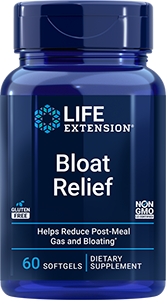
While it might not be the most glamorous topic, let's talk about gas. Certain nutrients are known to help with occasional gas, and lucky you! You can get them all in a comprehensive bloat relief formula that includes these nutrients:
Artichoke leaf and ginger root extract.
This plant-based combo helps support your gut motility to keep food moving down the line. In fact, a clinical study found that participants reported improvements in stomach comfort and bloating after just two weeks. A separate study was also associated with improvements in gastric motility—there's a method to the madness!Fennel seed oil and turmeric.
Say goodbye to that "heavy" feeling in your stomach and hello to all your favorite foods! This dynamic duo helps improve digestive comfort and reduce gas production after meals.Pro tip: If you've got a big meal to look forward to (Thanksgiving dinner, Sunday brunch, or just a homecooked meal that you know you'll want seconds of), take a bloat relief supplement beforehand so you won't need a wardrobe change before dessert.
Also consider:
Peppermint.
Honorable mention: Peppermint has a reputation as a digestif, helping relieve feelings of bloating and digestive discomfort. While further research is needed, peppermint tea or mint can be a great addition to your post-entrée lineup!
Digestive enzymes for breaking down food

Not all foods are easy to digest, even healthy options like veggies or beans. And for some, dairy and meat can be a struggle. Sometimes we need a little extra help—that's where digestive enzymes come in. Each enzyme plays a different role, so let's break them down:
Protease.
Proteases break down proteins into smaller units. This helps improve the digestion of stubborn proteins—including the not-so-friendly gliadin, a component of gluten found in wheat.Lipase.
Many foods tend to provide a higher amount of fat than you might think. But that doesn't mean you need to ditch the takeout—try this enzyme to break down those dietary fats more easily!Alpha-galactosidase.
No need to say no to beans and cruciferous veggies! This enzyme combats bloating and discomfort by promoting carbohydrate digestion so you can feel your best after you eat these nutrient-rich foods!Lactase.
Dairy is a common cause of digestive discomfort in many people because of the hard-to-digest sugar, lactose. While some dairy products on the market are lactose-free, lactase is a great option to help your body digest dairy products.Cellulase, hemicellulase, xylanase and pectinase.
These enzymes help digest dietary fiber, which is typically indigestible by our body's own enzymes. They can also help promote digestion and nutrient absorption.
Unsure which digestive enzyme to choose? Not to worry! You can find all of them in one comprehensive supplement so that you can worry less about discomfort and more about what's on the menu.
Supplements for food sensitivity relief
It's safe to say a charcuterie board is always a crowd favorite at any party! But these foods are not always the easiest on the stomach.
Foods like cured meats and cheese are rich in histamine, a compound that naturally occurs in the body and plays a role in your immune response. Certain fruits and vegetables, including tomatoes, spinach and eggplant, may also release histamines.
And it's not just food. Alcoholic beverages like wine and beer are also considered histamine-rich.
Some people may experience a food sensitivity (sometimes called food intolerance) to histamine-rich foods, which can lead to occasional non-allergy digestive discomfort. In fact, almost 20% of the Westernized world's population experiences some type of food intolerance.
So, what can be done?
Diamine oxidase.
Diamine oxidase makes it possible to keep enjoying the foods you love. Otherwise known as DAO, this enzyme supports the healthy breakdown of intestinal histamine and has been clinically studied to help relieve occasional gastrointestinal discomfort.
"Supplements can help with bloating by supporting healthy digestion, regularity, and a healthy gut microbiome. Be sure to combine them with smart dietary choices to minimize the potential of bloating and discomfort."
Beyond supplements, even the simplest of lifestyle changes can make a big difference. Keep these healthy habits in mind and you'll be on your way to feeling light as air in no time!
| Cause of bloating | Supplements | Lifestyle tips |
|---|---|---|
| Occasional constipation |
|
|
| Occasional gas |
|
|
| Breaking down food | Digestive enzymes |
|
| Food sensitivities | DAO |
|

Explore Our Best Digestive Health Supplements
Other frequently asked questions about bloating
Do colostrum and charcoal help with bloating?
Possibly. Some evidence suggests that colostrum and charcoal may help with bloating, but the scientific data are limited and additional clinical studies are required. Keep in mind: charcoal can interfere with the absorption of some medications!
How do hormonal changes like PMS and perimenopause make you bloated?
Fluctuations in estrogen and progesterone during PMS and perimenopause may play a role in bloating by causing water retention and slowing digestion.
Do bloating supplements work immediately?
Supplements that help with bloating work quickly, but it's important to take them at the right time. Most of these supplements should be taken before meals but always follow the product directions. Think of it as having your defenses ready to go instead of playing catch-up.
How can supplements help with bloating?
According to Life Extension's Director of Education Dr. Michael A. Smith, MD, just as there are multiple causes behind bloating, there are multiple ways supplements are useful.
He notes: "Supplements can help with bloating by supporting healthy digestion, regularity, and a healthy gut microbiome. Be sure to combine them with smart dietary choices to minimize the potential of bloating and discomfort."
If you continue to experience constipation or bloating or if your symptoms worsen, it's a good idea to talk to your doctor for personalized guidance.
Key Takeaways
- Probiotics, fiber and magnesium can help relieve occasional constipation.
- Digestive enzymes can help break down hard-to-digest foods to reduce bloating and gas.
- If you have a histamine intolerance, supplement with diamine oxidase (DAO) to help relieve gastrointestinal discomfort.


References
- Ahmed M, et al. "Impact of consumption of different levels of Bifidobacterium lactis HN019 on the intestinal microflora of elderly human subjects." J Nutr Health Aging. January-February 2007. https://pubmed.ncbi.nlm.nih.gov/17315077/
- Ballou S, et al. "Prevalence and Associated Factors of Bloating: Results From the Rome Foundation Global Epidemiology Study." Gastroenterology. September 2023. https://pubmed.ncbi.nlm.nih.gov/37315866/
- Borowitz D. "Non-Pancreatic Digestive Enzymes." Biomolecules. August 2025. https://pubmed.ncbi.nlm.nih.gov/41008568/
- Chen C, et al. "The roles of estrogen and estrogen receptors in gastrointestinal disease." Oncol Lett. December 2019. https://pubmed.ncbi.nlm.nih.gov/31788039/
- Comas-Basté O, et al. "Histamine Intolerance: The Current State of the Art." Biomolecules. August 2020. https://pubmed.ncbi.nlm.nih.gov/32824107/
- El-Saadony MT, et al. "Probiotics and human health: biological activities, nutritional aspects, immunomodulatory properties, applications, and future perspectives - a comprehensive review." Front Immunol. March 2026. https://pubmed.ncbi.nlm.nih.gov/41953220/
- Febvre HP, et al. "PHAGE Study: Effects of Supplemental Bacteriophage Intake on Inflammation and Gut Microbiota in Healthy Adults." Nutrients. March 2019. https://www.mdpi.com/2072-6643/11/3/666
- Giacosa A, et al. "The Effect of Ginger (Zingiber officinalis) and Artichoke (Cynara cardunculus) Extract Supplementation on Functional Dyspepsia: A Randomised, Double-Blind, and Placebo-Controlled Clinical Trial." Evid Based Complement Alternat Med. 2015. https://pubmed.ncbi.nlm.nih.gov/25954317/
- Greenwood-Van Meerveld B, et al. "Gastrointestinal Physiology and Function." Handb Exp Pharmacol. 2017. https://pubmed.ncbi.nlm.nih.gov/28176047/
- Ianiro G, et al. "Digestive Enzyme Supplementation in Gastrointestinal Diseases." Curr Drug Metab. 2016. https://pubmed.ncbi.nlm.nih.gov/26806042/
- Karakülah YS, et al. "Clinical Applications of Bovine Colostrum in Gastrointestinal Disorders: Mechanisms, Evidence, and Therapeutic Potential." Int J Mol Sci. November 2025. https://pubmed.ncbi.nlm.nih.gov/41226709/
- Lazzini S, et al. "The effect of ginger (Zingiber officinalis) and artichoke (Cynara cardunculus) extract supplementation on gastric motility: a pilot randomized study in healthy volunteers." Eur Rev Med Pharmacol Sci. 2016. https://pubmed.ncbi.nlm.nih.gov/26813467/
- Okutan G, et al. "Exogenous Supplementation with DAO Enzyme in Women with Fibromyalgia: A Double-Blind Placebo-Controlled Clinical Trial." Journal of Clinical Medicine. October 2023. https://www.mdpi.com/2077-0383/12/20/6449
- Portincasa P, et al. "Curcumin and Fennel Essential Oil Improve Symptoms and Quality of Life in Patients with Irritable Bowel Syndrome." J Gastrointestin Liver Dis. June 2016. https://pubmed.ncbi.nlm.nih.gov/27308645/
- Santucci NR, Velez A. "Physiology of lower gastrointestinal tract." Aliment Pharmacol Ther. July 2024. https://pubmed.ncbi.nlm.nih.gov/38924125/
- Shaw N, et al. "The volume and characteristics of research on gastrointestinal symptoms in 'natural' peri- and postmenopause: A scoping review." Womens Health (Lond). January-December 2025. https://pubmed.ncbi.nlm.nih.gov/41143477/
- Silvi S, et al. "Probiotic-enriched foods and dietary supplement containing SYNBIO positively affects bowel habits in healthy adults: an assessment using standard statistical analysis and Support Vector Machines." Int J Food Sci Nutr. December 2014. https://pubmed.ncbi.nlm.nih.gov/25045832/
- Srivastava S, et al. "A randomized double-blind, placebo-controlled trial to evaluate the safety and efficacy of live Bifidobacterium longum CECT 7347 (ES1) and heat-treated Bifidobacterium longum CECT 7347 (HT-ES1) in participants with diarrhea-predominant irritable bowel syndrome." Gut Microbes. January-December 2024. https://pubmed.ncbi.nlm.nih.gov/38630015/
- Verdenelli MC, et al. "Influence of a combination of two potential probiotic strains, Lactobacillus rhamnosus IMC 501 and Lactobacillus paracasei IMC 502 on bowel habits of healthy adults." FEMS Microbiol Lett. August 2011. https://pubmed.ncbi.nlm.nih.gov/21545490/

Always be in the know!
Access the latest deals, wellness news, expert health tips & more!
Digestive Health Favorite