How Much Vitamin C Should You Take Per Day?
Published: July 2026
At a Glance
- Vitamin C is a water-soluble vitamin not produced by the body, making it an essential nutrient to replenish.
- The recommended vitamin C intake varies by age, gender and other lifestyle factors.
- A high vitamin C dosage per day does not always lead to better health.
Vitamin C is an immune health superstar that’s also important for collagen production and iron absorption. The only problem is that your body can’t make its own supply.
But if you think taking a high-dose vitamin C supplement is the best way to keep your levels up, we have news for you: more doesn’t always mean better.
Let’s talk about exactly how much vitamin C per day you really need and how to choose the best vitamin C supplement to help you feel your best all year long.

Vitamin C is a water-soluble vitamin your body needs for several key functions, including:
- Neutralizing harmful free radicals
- Supporting a strong immune system
Since your body doesn't produce its own supply, you must get what you need from food and vitamin C supplements.
The good news is there’s no shortage of vitamin C-rich foods. You can add vitamin C to your diet by eating more strawberries, kiwi, citrus fruits like oranges, red bell peppers and Brussels sprouts.
Fun fact: you probably think of citrus when you think of a good vitamin C source, but one cup of cooked broccoli actually has more vitamin C than one medium orange! (Although both are still great vitamin C sources.)
In supplement form, you’ll find vitamin C as ascorbic acid, the most studied form. You might also see it in the forms of sodium ascorbate and calcium ascorbate. If you’re not sure if you’re getting sufficient vitamin C from diet and supplements, talk to your doctor about assessing vitamin C levels with a simple blood test.
How much vitamin C should I take each day?
The Recommended Dietary Allowance (RDA) for vitamin C for adult men is 90 milligrams per day, while women need 75 milligrams of vitamin C per day. Keep in mind, the RDA refers to the minimum amount of a nutrient needed to maintain adequate nutrition for nearly all healthy individuals. The RDA is the amount that helps you sustain basic bodily functions. Simply meeting the RDA may not provide the maximum health benefits.
Also, it’s important to note that special populations may require more vitamin C. The RDA for smokers is 35 milligrams higher than the vitamin C dosage by age and gender, because smoking increases oxidative stress and accelerates vitamin C turnover.
If you’re still not sure how much you may need, here’s a quick reference:
| Population | Recommended Dietary Allowance (RDA) |
|---|---|
| General adult (19+) population | Women: 75 mg/day Men: 90 mg/day |
| Smokers | Women: 110 mg/day Men: 125 mg/day Note: This higher dose is calculated by adding 35 mg to age-based RDA |
How much vitamin C can the body absorb at once?
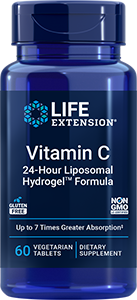
The thing about vitamin C is that it doesn't stay in the body for long; you quickly excrete the excess. As Dr. Michael A. Smith, MD, points out: “As a water-soluble vitamin, the most important part of taking vitamin C is daily replenishment.” One workaround is to take liposomal vitamin C, a highly absorbable formula that stays in the body for up to 24 hours.
With traditional vitamin C formulas, though, just because you take more doesn’t mean your body actually absorbs it. What’s the difference between 500, 1,000, and 2,000 mg of vitamin C? As the dose of vitamin C increases, the absorption rate actually decreases. Studies have shown that complete plasma saturation occurs at 1,000 milligrams per day. Can you take a dose higher than 1,000 milligrams? Sure, but your body just won’t absorb the higher dose as efficiently.
How long does vitamin C stay in your system after taking a supplement?
Water-soluble vitamins cannot be stored in fat for long-term use. Instead, they leave the bloodstream rather quickly. This is why consuming vitamin C-rich foods and taking a supplement every day is so important for maintaining consistent nutrient levels.
“As a water-soluble vitamin, the most important part of taking vitamin C is daily replenishment.”
What’s the best way to take vitamin C?

When it comes to vitamin C intake from food, what you eat matters. Cooking up some roasted vegetables—and pairing them with an iron-rich skirt steak—is one way to optimize your vitamin C intake.
With regard to supplements, vitamin C should be taken as the label suggests. Typically, you’ll be instructed to take vitamin C supplements with food. And because vitamin C clears from the blood relatively quickly, make sure to take it on a consistent basis. The exact timing doesn’t matter as much as the frequency.
What are the health benefits of vitamin C?

Everyone knows vitamin C and immune health go hand-in-hand, but there are a lot more reasons to love it:
1. Antioxidant protection
Vitamin C is one of the body's primary antioxidants, the purpose of which is to neutralize free radicals, unstable molecules that can impact healthy cells. It also helps regenerate other antioxidants, such as vitamin E. Rest assured, your cellular health is in good hands with vitamin C.
2. Collagen production
Collagen is the most abundant protein in the body and is an essential part of connective tissue. It provides structural support for skin, bones, blood vessels and joints. Here’s the catch: you can’t have collagen without vitamin C. Vitamin C is a necessary co-factor for the enzymes that help synthesize collagen.
3. Immune health support
Research studies have concluded that vitamin C contributes to both the innate and adaptive immune system. For one, vitamin C accumulates in immune cells to support healthy cell functioning. Vitamin C also promotes antioxidant activity within the skin—your body's first line of defense against immune challenges.
4. Iron absorption support
Iron is important for oxygen transport, brain development and several other bodily functions. The most absorbable form is heme iron, which comes from meat, particularly red meat and organ meats. In contrast, plant foods like leafy greens, beans and whole grains provide non-heme iron, which is not as easily absorbed.
The key to increasing the absorption of non-heme iron is vitamin C. Once in the digestive tract, vitamin C converts non-heme ferric iron into the more absorbable form, ferrous. Pairing vitamin C foods with iron-rich foods is especially beneficial for anyone who follows a vegan or vegetarian diet.
What happens if I take too much vitamin C?

Vitamin C is well-tolerated by most healthy people—even at high doses. Water-soluble vitamins, like vitamin C, get excreted through urine. When your body recognizes it has high vitamin C concentrations, it simply flushes out the excess.
Of course, there are exceptions. If you have kidney health considerations, always speak with your healthcare provider before taking a high-dose vitamin C. Remember, the kidneys are responsible for urination. If you take more vitamin C than you need, you may put your kidneys into overdrive trying to get rid of the excess nutrient.
Regardless of kidney health, taking large amounts of vitamin C can cause digestive discomfort that may make it hard to leave the bathroom. The most responsible way to take vitamin C is as directed by your physician. And, of course, follow the dosage suggestions and warnings on the supplement label.
What are signs of low vitamin C intake?

Studies have observed low vitamin C levels are relatively common in Western populations. Even in the United States, where food is seemingly abundant, lack of nutrition education and poor eating habits are quite prevalent. A diet with low concentrations of fruits and vegetables increases your chance of low vitamin C intake.
What can you do? Take a good look at your daily meals. The 2025-2030 Dietary Guidelines for Americans recommend Americans consuming a 2,000-calorie diet get at least 3 servings of vegetables per day and at least 2 servings of fruit per day.
Lower-calorie diets may require less fruit, while higher-calorie diets should include more servings of vegetables. To help you estimate your intake, follow these serving size suggestions below:
- 1 serving of vegetables = 1 cup raw or cooked or 2 cups leafy greens (i.e., spinach)
- 1 serving of fruits = 1 cup raw
How to get enough vitamin C from food each day

You know citrus fruits and broccoli are great sources of vitamin C, but exactly how much of these foods do you need to eat to get enough vitamin C? Using data from the United States Department of Agriculture and National Institutes of Health, the table below provides the vitamin C content of various foods.
Note: the % daily value represents the percentage of total daily intake for a 2,000-calorie diet. This number is based on the RDA, but it may not be specific to your age, gender or lifestyle needs.
| Food | Serving Size | Vitamin C (mg) | % Daily Value |
|---|---|---|---|
| Red pepper, sweet, raw | ½ cup | 95 mg | 106% |
| Orange juice | ¾ cup | 93 mg | 103% |
| Orange | 1 medium | 70 mg | 78% |
| Grapefruit juice | ¾ cup | 70 mg | 78% |
| Kiwifruit | 1 medium | 64 mg | 71% |
| Green pepper, sweet, raw | ½ cup | 60 mg | 67% |
| Broccoli, cooked | ½ cup | 51 mg | 57% |
| Strawberries, fresh, sliced | ½ cup | 49 mg | 54% |
| Brussels sprouts, cooked | ½ cup | 48 mg | 53% |
| Grapefruit | ½ medium | 39 mg | 43% |
| Broccoli, raw | ½ cup | 39 mg | 43% |
| Tomato juice | ¾ cup | 33 mg | 37% |
| Cantaloupe | ½ cup | 29 mg | 32% |
| Cabbage, cooked | ½ cup | 28 mg | 31% |
| Cauliflower, raw | ½ cup | 26 mg | 29% |
| Potato, baked | 1 medium | 17 mg | 19% |
| Tomato, raw | 1 medium | 17 mg | 19% |
| Spinach, cooked | ½ cup | 9 mg | 10% |
| Green peas, frozen, cooked | ½ cup | 8 mg | 9% |

Explore Our Best Vitamin C Supplements
How to choose the best vitamin C supplement

The best vitamin C supplements are high-quality and from a reputable brand. Look for these key features to make sure you’re getting exactly what’s promised on the label.
-
Backed by scientific research:
Look for vitamin C supplements that have been used and analyzed in scientific studies. The forms of vitamin C with the most studies to back them up are ascorbic acid, sodium ascorbate, calcium ascorbate and ascorbic acid with bioflavonoids. -
Specialty diet-approved:
A vitamin C supplement that meets your diet and health needs doesn’t automatically make it a high-quality formula, but it certainly makes it better suited for you. Besides, allergen-friendly, non-GMO vitamin C supplements give you even more confidence in their safety and effectiveness. -
Advanced formulations:
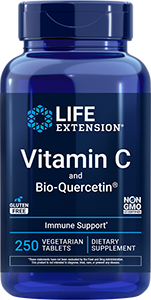
Rest assured that when taken correctly, traditional vitamin C formulas get the job done. But some go above and beyond by pairing vitamin C with other complementary nutrients such as quercetin for enhanced benefits. As we previously mentioned, liposomal vitamin C is a great option for greater nutrient delivery. Additionally, if you have digestive concerns, buffered forms of vitamin C may be better tolerated.
Frequently asked questions about vitamin C dosage

What are the side effects of taking too much vitamin C?
Side effects associated with vitamin C include digestive discomfort. However, side effects of vitamin C typically only occur at doses over 2,000 mg per day.
Be sure to read supplement labels carefully and never exceed the recommended serving size, or the dose recommended by your healthcare provider.
Is it better to get vitamin C from dietary sources or supplements?
Both food sources and vitamin C supplements can help you meet your micronutrient needs. The best approach is to follow a healthful diet and limit exposure to harmful pollutants, including tobacco smoke.
Then, add a vitamin C supplement to fill in any nutritional gaps. Talking with your doctor or registered dietitian can help you assess those gaps and provide guidance that’s more specific to your personal health goals.
Looking for quick help? Take our health quiz and get instant recommendations for which essential supplements suit you best.
Key Takeaways
- The body tolerates vitamin C very well, but it does not absorb it efficiently when taken at high doses.
- Vitamin C leaves the bloodstream quickly, which is why it’s so important to replenish concentrations with a healthy diet and daily supplement routine.
- The best vitamin C supplements are the ones that are well-researched and support your specific health needs.


References
- Alberts A, et al. “Vitamin C: A Comprehensive Review of Its Role in Health, Disease Prevention, and Therapeutic Potential.” Molecules. February 2025. https://pmc.ncbi.nlm.nih.gov/articles/PMC11820684/
- Carr AC, Maggini S. “Vitamin C and Immune Function.” Nutrients. November 2017. https://pmc.ncbi.nlm.nih.gov/articles/PMC5707683/
- Levine M, et al. “Vitamin C pharmacokinetics in healthy volunteers: evidence for a recommended dietary allowance.” Proc Natl Acad Sci U S A. April 1996. https://pubmed.ncbi.nlm.nih.gov/8623000/
- Makhakhe L. “The role of vitamin C on the skin.” S Afr Fam Pract (2004). July 2025. https://pmc.ncbi.nlm.nih.gov/articles/PMC12339815/
- “Dietary Guidelines for Americans, 2025-2030: Daily Servings by Calorie Level.” United States Department of Agriculture. https://cdn.realfood.gov/Daily%20Serving%20Sizes.pdf
- “Vitamin C.” National Institutes of Health. July 2025. https://ods.od.nih.gov/factsheets/VitaminC-HealthProfessional/

Always be in the know!
Access the latest deals, wellness news, expert health tips & more!
Popular Supplement