11 Best Vegan Supplements
Published: December 2021 | Updated: May 2026

At a Glance
- Supplements can help fill nutrient gaps in fully vegan or mostly plant-based diets.
- Vegan supplements provide nutrients like vitamin B12, vitamin D and omega-3 fats.
- These nutrients are important for energy, immune and brain health, and whole-body health.
A well-planned vegan diet can offer a wide range of health benefits, and it has been studied for heart health, metabolic health and more. But vegan and vegetarian diets also require more intention when it comes to meeting certain nutrient needs.
Because vegan diets eliminate all animal-based foods, vitamins and minerals that are naturally concentrated in animal foods may be harder to get in adequate amounts. Key nutrients like vitamin B12, vitamin D, omega-3 fatty acids and iron, along with iodine, zinc, calcium and selenium, may fall short without careful planning. Protein can also be a concern, with one study finding that only about 52% of vegans met protein requirements compared with 79% of omnivores.
This is where targeted supplementation can help. While not a substitute for a healthy diet, high-quality vegan-friendly multivitamins and supplements can help fill in nutrient gaps and support overall health.
Expert-recommended vegan supplements
The following are the top nutrients of concern for those on plant-based diets.
1. Vitamin B12
Vitamin B12 is one of the most important supplements for vegans. You've heard of B12 because it plays a key role in energy metabolism, nerve function, DNA synthesis and red blood cell formation. Because B12 is naturally found almost exclusively in animal products such as meat, eggs and fish, vegans risk being lacking in intake. In fact, research suggests that 52% to 95% of vegans who don't take supplements may have inadequate levels.
Fun fact: Vitamin B12 contains the trace mineral cobalt, which is why its compounds with B12 are called cobalamins.
2. Vitamin D
Vitamin D supports bone health, immune function, heart health, cognitive health and more. While the body can produce vitamin D in response to sunlight, many people don't make enough, especially those with limited sun exposure. And because dietary sources of vitamin D are largely animal-based, including fatty fish, egg yolks and liver, studies suggest that vegans may be particularly lacking in vitamin D.
Many vitamin D3 supplements also come from animals, but there are vegan-friendly options. Your best bet is a vegan D3 formula delivering 125 mcg of this key vitamin with no animal byproducts.
3. Omega-3 (DHA/EPA)
Fish oil is practically synonymous with heart health, thanks to the omega-3s within it. Omega-3 fatty acids are essential for cardiovascular and brain health, and there are three main types:
- DHA (docosahexaenoic acid) and EPA (eicosapentaenoic acid) are the forms most directly used by the body, and they are typically found in fatty fish.
- ALA (alpha-linolenic acid) is found in plant foods like flaxseeds, chia seeds and walnuts. While the body can convert ALA into DHA and EPA, this process is largely inefficient.
Most omega-3 supplements are made from fish oil. This can be a challenge for vegans who do not consume fish. Fortunately, algae-based supplements provide a vegan-friendly source of DHA and are an effective way to help meet the body's omega-3 needs without fish.
4. Iron
Most of us learned about iron in middle school. This essential mineral helps your body make hemoglobin, the protein in red blood cells that carries oxygen throughout the body. But when you get it from foods, it comes in two forms:
- Heme iron is found in animal-based foods such as red meat and is more easily absorbed and utilized by the body.
- Non-heme iron is found in plant foods like spinach and beans, and it is less efficiently absorbed. (Pairing this iron with vitamin C-rich foods can help improve uptake.)
Because of this, vegans may be at greater risk for low iron levels, although studies show overall intake can still be adequate with a well-planned vegan diet.
5. Calcium
Calcium is crucial for building and maintaining strong bones. Since dairy is one of the richest sources of calcium, vegans may fall short if they're not consuming enough fortified foods or high-calcium plant-based foods, such as leafy greens, almonds and tofu.
Studies suggest that many vegans have calcium intake below the recommended amount. Vegans can help fill in calcium gaps with vegan calcium supplements.
6. Zinc
Zinc is very well-known for immune function support, but it also promotes cellular metabolism and neurological health, which makes it important for daily nutrition. Zinc is most commonly found in animal-based foods like seafood, red meat and poultry. But it is also present in some plant foods, such as seeds, legumes and whole grains, though it's less bioavailable and more intake may be needed.
Because of this, studies have found that zinc intake is lower in vegans than omnivores. In fact, one study found that 47% to 50% of vegans had zinc levels lower than the reference range compared with 11% to 18% of omnivores.
7. Iodine
The inclusion of iodine may surprise you. After all, the top food source of iodine is seaweed, and it is sometimes added to table salt: two things that are not off the table for vegans. This may be because the main dietary sources of iodine include seafood (seaweed, shellfish and fish), dairy and eggs, and research suggests that vegans tend to have iodine levels below the optimal range. This makes thoughtful dietary planning or iodine supplementation especially important.
So why do you need it? Iodine is a trace mineral that is essential for thyroid health, which plays a key role in regulating metabolism.
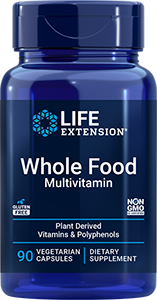
8. Multivitamins for vegans
While whole foods should be the foundation of a healthy diet, a vegan multivitamin can act as a nutritional safety net, helping fill multiple nutrient gaps in one convenient supplement. This can be especially beneficial for nutrients that are harder to get from plant-based sources. Because multivitamins contain a range of vitamins and minerals, it's important to carefully read the label to avoid hidden animal-derived ingredients.
A whole food multivitamin can be a helpful all-in-one option, though some people may prefer to supplement specific nutrients based on their individual needs.
9. Vitamin K

Calcium isn't the only nutrient you need for strong bones. Vitamin K also plays an important role by helping direct calcium from your blood into your bones. Like other nutrients, this vitamin exists in two forms:
- Vitamin K1 (phylloquinone) is the most common form of vitamin K and is found in plant foods like leafy greens.
- Vitamin K2 (menaquinone) is found primarily in animal-based foods such as egg yolks, meat and poultry, and it is more bioavailable.
While most vegans can get enough vitamin K1 through their diet, vitamin K2 intake is typically low and may be worth supplementing depending on your individual needs.
10. Selenium
Selenium is another trace mineral that supports metabolism. It also helps form enzymes that protect cells from oxidative stress.
Studies have consistently shown that selenium intake is lower among vegans than among omnivores. This is partly because many food sources, such as seafood, meat and poultry, are excluded from a vegan diet.
The top food source of selenium, however, is vegan-friendly. Brazil nuts contain so much selenium that just one to two nuts can meet daily needs. However, intake can be inconsistent, making careful dietary planning or supplementation helpful.
11. Pea/Plant protein
Protein has gotten a lot of attention lately thanks to the 2025-2030 Dietary Guidelines for Americans, which prioritize protein at every meal. Protein is an essential macronutrient that supports muscle maintenance, immune function and overall health. Animal-based foods like meat, dairy and eggs are some of the best sources of protein; even traditional protein supplements, such as whey, are derived from dairy.
Research shows this makes a difference: Protein intake at the recommended amount is generally lower among vegans than among omnivores. For example, one study found that about 52% of vegans met protein requirements compared with 79% of omnivores.
Protein needs can be met with careful meal planning, thanks to protein-rich, plant-based protein options like beans, lentils, tofu and whole grains. Additionally, plant-based protein supplements offer a convenient way to fill in gaps when needed.
| Nutrient | Vegan dietary sources | Health benefits |
|---|---|---|
| Vitamin B12 |
|
|
| Vitamin D |
|
|
| Omega-3 |
|
|
| Iron |
|
|
| Calcium |
|
|
| Zinc |
|
|
| Iodine |
|
Healthy thyroid function, which supports the body's metabolism |
| Multivitamins | The foods we eat provide a variety of vitamins and minerals, depending on the food source |
|
| Vitamin K |
|
|
| Selenium |
|
|
| Protein |
|
|

Explore Our Best Vegetarian and Vegan Supplements
How does a vegan diet affect nutrition?
A vegan diet eliminates all animal-based foods, which can affect intake of certain key nutrients. Nutrients such as vitamin B12, vitamin D and omega-3 fatty acids are primarily found in animal products, so they may be more difficult to obtain consistently on a vegan diet. Other nutrients, like iron, are present in plant foods but are less bioavailable than those from animal sources, meaning they are not absorbed as efficiently.
Eating a variety of foods can also help. Vegan diets are typically rich in many beneficial nutrients, including fiber, magnesium, folate, and vitamins C and E, as well as phytonutrients like flavonoids that provide antioxidant benefits. These nutrients have been studied for various health benefits, including healthy digestion, heart health and a healthy inflammatory response.
"If you have trouble getting certain nutrients from your diet, a vegan-friendly supplement can help fill in those gaps to help maintain your whole-body health."
Are vegan supplements inferior to animal-based supplements?
No, vegan supplements are not inherently inferior to animal-based supplements. But there can be differences in bioavailability, or how well the body absorbs and utilizes the nutrient, as well as differences in nutrient form and concentrations.
For example, iron from animal sources is in the heme form, which is more easily absorbed and utilized by the body than the non-heme iron found in plant-based supplements. Similarly, omega-3 fatty acids are typically sourced from fish, but vegan alternatives like algae-based DHA and EPA provide an effective plant-based option.
To ensure the quality of your vegan supplement, look for reputable, science-backed brands that offer a Certificate of Analysis (COA) on request to verify purity and potency. Also, make sure the product is truly vegan, especially if you are considering a multivitamin. Some supplements may contain hidden animal-derived ingredients, such as gelatin capsules or vitamin D sourced from sheep's wool. Choosing clearly labeled vegan products, such as algae-based omega-3s instead of fish oil, can help ensure the supplement aligns with a plant-based lifestyle.
Vegan supplements can help fill your nutrient gaps. Take our health needs quiz to get a recommendation based on your lifestyle and wellness concerns.
"A well-planned vegan diet can absolutely support overall health, but certain nutrients are simply harder to get without animal-based foods. I recommend thinking of supplements as a tool, not a replacement for a healthy diet, but a way to help fill targeted gaps and ensure your body is getting what it needs to function at its best."
Key Takeaways
- Some nutrients are harder to obtain without including animal-based foods in your diet.
- Plant food and animal food forms of nutrients like iron and vitamin K have different rates of absorption.
- Targeted vegan supplements can help you be consistent in your plant-based nutrition intake.

References
- Austin G, et al. "Dietary intakes and nutritional adequacy of Australians consuming plant-based diets compared to a regular meat-eating diet." Eur J Clin Nutr. September 2025. https://pubmed.ncbi.nlm.nih.gov/40251410/
- Eveleigh ER, et al. "Systematic review and meta-analysis of iodine nutrition in modern vegan and vegetarian diets." Br J Nutr. November 2023. https://pubmed.ncbi.nlm.nih.gov/36912094/
- Gudmannsdottir R, et al. "Vegan and omnivore diets in relation to nutrient intake and greenhouse gas emissions in Iceland." Sci Rep. May 2025. https://pubmed.ncbi.nlm.nih.gov/40414965/ Kalman D, et al. "Dietary Heme Iron: A Review of Efficacy, Safety and Tolerability." Nutrients. June 2025. https://pubmed.ncbi.nlm.nih.gov/40647237/
- Klein L, et al. "Selenium, Zinc, and Copper Status of Vegetarians and Vegans in Comparison to Omnivores in the Nutritional Evaluation (NuEva) Study." Nutrients. August 2023. https://pubmed.ncbi.nlm.nih.gov/37630729/
- Malhotra A, Lakade A. "Analytical Review on Nutritional Deficiencies in Vegan Diets: Risks, Prevention, and Optimal Strategies." J Am Nutr Assoc. August 2025. https://pubmed.ncbi.nlm.nih.gov/39936826/
- Neufingerl N, Eilander A. "Nutrient Intake and Status in Adults Consuming Plant-Based Diets Compared to Meat-Eaters: A Systematic Review." Nutrients. December 2021. https://pubmed.ncbi.nlm.nih.gov/35010904/
- Patel H. "Vitamin B12 Deficiency: Common Questions and Answers." American Family Physician. 2025. https://www.aafp.org/pubs/afp/issues/2025/0900/vitamin-b12-deficiency.html
- Simon R, et al. "Improving the selenium supply of vegans and omnivores with Brazil nut butter compared to a dietary supplement in a randomized controlled trial." Eur J Nutr. February 2025. https://pubmed.ncbi.nlm.nih.gov/39891729/
- Yannakoulia M, Scarmeas N. "Diets." The New England Journal of Medicine. June 2024. https://www.nejm.org/doi/full/10.1056/NEJMra2211889
- Zerback T, et al. "Assessment of vitamin A, vitamin B2, vitamin B12, vitamin K, folate, and choline status following 4 months of multinutrient supplementation in healthy vegans: a randomised, double-blind, placebo-controlled trial." Eur J Nutr. December 2025. https://pubmed.ncbi.nlm.nih.gov/41417236/
- "Calcium." National Institutes of Health. July 2025. https://ods.od.nih.gov/factsheets/calcium-HealthProfessional/
- Dietary Guidelines for Americans, 2025-2030. https://cdn.realfood.gov/DGA.pdf
- "Iodine." National Institutes of Health. November 2024. https://ods.od.nih.gov/factsheets/Iodine-HealthProfessional/
- "Iron." National Institutes of Health. September 2025. https://ods.od.nih.gov/factsheets/Iron-HealthProfessional/
- "Multivitamin/mineral Supplements." National Institutes of Health. July 2024. https://ods.od.nih.gov/factsheets/MVMS-HealthProfessional/
- "Omega-3 Fatty Acids." National Institutes of Health. August 2025. https://ods.od.nih.gov/factsheets/Omega3FattyAcids-HealthProfessional/
- "Selenium." National Institutes of Health. September 2025. https://ods.od.nih.gov/factsheets/Selenium-HealthProfessional/
- "Vitamin B12." National Institutes of Health. July 2025. https://ods.od.nih.gov/factsheets/VitaminB12-HealthProfessional/
- "Vitamin D." National Institutes of Health. June 2025. https://ods.od.nih.gov/factsheets/VitaminD-HealthProfessional/
- "Vitamin K." National Institutes of Health. March 2021. https://ods.od.nih.gov/factsheets/VitaminK-HealthProfessional/
- "Zinc." National Institutes of Health. January 2026. https://ods.od.nih.gov/factsheets/Zinc-HealthProfessional/

Always be in the know!
Access the latest deals, wellness news, expert health tips & more!
Active Lifestyle Favorite