Zinc for Men: Why It Matters and How Much You Need
Published: November 2025
At a Glance
- Zinc is essential for testosterone support, immune function, and overall vitality.
- Most males need about 11 mg/day, though active or older men may benefit from slightly higher intakes.
- Zinc monomethionine and zinc citrate are top choices for high absorption and consistent daily support.
Zinc might not get as much attention as protein or vitamin D, but it's one of the most important minerals for male health. It plays a key role in supporting testosterone levels, immune function, brain and eye health, and muscle recovery—all things that matter for staying strong, energized, and healthy.
As men age, dietary intake and absorption of zinc can decrease, which can lead to lower levels over time and impact areas like immune, neurological and hormone health. Let's explore the benefits of zinc for men, how much zinc should men take, and what forms of zinc are good for men.
What can zinc supplements do for men?
Maintaining healthy zinc levels through diet or supplementation helps your body function at its best, especially as you age. That's because zinc plays a part in nearly every system of the body, from hormones and immune health to muscle recovery, skin health, and prostate function.
| System | Zinc's role in men's health |
|---|---|
| Immune | Supports immune response and resilience during aging |
| Inflammatory response | Can help maintain a healthy inflammatory response by promoting immune cell health |
| Whole body | Provides antioxidant defenses and helps protect cells throughout the body |
| Brain & Cognition | Supports cognitive performance and brain health and function |
| Vision | Promotes eye health and visual function |
1. Immune support

Zinc is essential for keeping your immune system strong. Low intake, which can become more common in older adults, may affect immune function over time. Research shows that increasing zinc intake can help support immune response and resilience in aging adults.
Why it matters: As your body ages, it becomes less efficient at absorbing zinc from food. Supplementing can help bridge that gap and support your body's immune defenses.
Pro tip: You can pair zinc with foods rich in protein, like meat, fish, or legumes, to improve absorption.
2. Supports a healthy inflammatory response
Inflammation is part of your body's immune defense process. Zinc supports a healthy inflammatory response by promoting immune cell health. Studies in older adults show that zinc supplementation can help maintain a healthy inflammatory response.
Why it matters: A well-regulated immune response helps your body efficiently handle immune challenges.
Pro tip: Make sure you're getting enough antioxidants and omega-3 fats in your diet, as they work alongside zinc to support a healthy inflammatory response.
3. Antioxidant protection

Zinc helps defend your cells from oxidative stress caused by free radicals. It's a key component of superoxide dismutase (SOD), one of your body's most powerful antioxidant enzymes, and supports hundreds of reactions that protect cells throughout the body. A meta-analysis of 23 studies found that zinc supplementation supported the body's antioxidant defenses and helped protect cells from the effects of oxidative stress.
Why it matters: Oxidative stress plays a role in aging. Zinc supports your body's ability to combat it.
Pro tip: Combine zinc with other antioxidant nutrients like vitamin C and selenium for a stronger overall defense.
4. Brain health and cognitive function
Zinc supports normal brain signaling and healthy neurological function. Studies have shown that maintaining adequate zinc levels can lead to healthy cognitive performance and brain health, particularly in older adults.
Why it matters: Zinc is involved in communication between nerve cells and helps protect brain tissue from oxidative stress. Both are key for maintaining mental sharpness as you age.
Pro tip: Pair zinc with foods rich in omega-3 fats (like salmon) to support both brain and nervous system health.
5. Eye health

Your eyes contain high levels of zinc, and this mineral plays a major role in how your retina functions. As vision naturally changes with age, maintaining healthy zinc levels can help support eye health and visual performance.
Why it matters: Zinc helps transport vitamin A to the retina, where it's needed for proper vision. A steady intake can help support long-term eye health, especially in older adults.
Pro tip: Include zinc-rich foods like shellfish, nuts, and seeds in your diet, and pair them with colorful fruits and vegetables for a full spectrum of eye-supporting nutrients.

Explore Our Best Immune Support Supplements
How much zinc should men take?

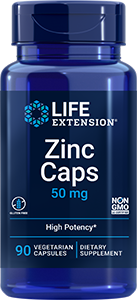
For most adult males, the recommended dietary allowance (RDA) for zinc is 11 mg per day. However, some research has found benefits from slightly higher intakes, around 20 to 50 mg per day, particularly in studies focused on immune health, antioxidant support, and healthy aging. This amount is generally enough to support healthy immune, hormonal, and cognitive functions.
It's important not to overdo it, though. Consistently taking more than 50 mg per day from supplements may interfere with copper metabolism and cause other imbalances over time.
Pro tip: Aim to meet most of your zinc needs through foods, like beef, oysters, pumpkin seeds and legumes, and use supplements to fill any gaps under the guidance of a healthcare professional.
Several factors can affect zinc dosage for men.
- Aging: As men get older, natural changes in digestion, absorption, and overall zinc balance can make it harder to maintain optimal levels. Research shows that older adults are more likely to experience lower zinc status, even with adequate food intake.
- High physical activity: Men who train regularly or engage in intense exercise can lose zinc through sweat and urine. Studies show that athletes often have lower blood zinc levels despite consuming more zinc in their diet, suggesting they may need slightly higher intake to stay in balance.
Pro tip: If you're very active or over 50, focus on including zinc-rich foods in your diet consistently, or talk to your healthcare provider about whether a supplement makes sense for you.
Targeted nutrition, like zinc, can support immune health. Take our health needs quiz to get a personalized recommendation on the supplements that fit your lifestyle.
What form of zinc should men take?
Not all zinc supplements are created equal. The form matters because it affects how well your body absorbs and uses it. Zinc monomethionine and zinc citrate are both highly bioavailable options, meaning they're well absorbed and easy on the stomach.
Other well-tolerated forms include zinc acetate and zinc gluconate, which are also absorbed efficiently and are often used in lozenges or general zinc supplements.
Pro tip: When taking zinc, always follow the product directions or the advice of a healthcare provider. Remember, you can pair zinc with foods rich in protein to improve absorption.
Can too much zinc be an issue?

Yes, it can. While zinc is essential for good health, more isn't always better. Taking more than 50 mg of zinc per day for long periods can interfere with copper metabolism, which may lead to deficiency and effects on blood health and immune function.
Why it matters: The goal is balance: enough zinc to support immune, hormonal, and neurological health without overloading your system.
Pro tip: If you're considering a higher-dose supplement or plan to take zinc long-term, talk with your doctor or healthcare provider first. They can help you determine the right dose and monitor your levels to keep everything in a healthy range.
How long does it take for zinc supplements to work?
The effects of zinc supplements can vary depending on your starting levels, diet, and overall health. Some studies show improvements in zinc status or related health markers within a few weeks, while others may take longer for noticeable effects.
Why it matters: Zinc works best when taken consistently. It's not about quick results, it's about maintaining steady intake so your body always has what it needs to support hormone balance, immune health, and more.
Pro tip: Take your supplement daily at the same time to build consistency.
Key Takeaways
- Zinc is a small mineral with a big job. From supporting hormone and immune health to helping your eyes and brain work their best.
- Some men can meet their needs through food, but age, activity, and absorption can make that tougher over time. That's where a quality zinc supplement can help.
- When taking a zinc supplement, stay consistent, aim for balance, and talk with your healthcare provider before starting a new product.


References
- Barnett JB, et al. "Low zinc status: a new risk factor for pneumonia in the elderly?" Nutr Rev. January 2010. https://pubmed.ncbi.nlm.nih.gov/20041998/
- Cabreiro F, et al. "Zinc supplementation in the elderly subjects: effect on oxidized protein degradation and repair systems in peripheral blood lymphocytes." Exp Gerontol. May 2008. https://pubmed.ncbi.nlm.nih.gov/18054192/
- Chu A, et al. "Lower Serum Zinc Concentration Despite Higher Dietary Zinc Intake in Athletes: A Systematic Review and Meta-analysis." Sports Med. February 2018. https://pubmed.ncbi.nlm.nih.gov/29164533/
- Faghfouri AH, et al. "Clinical efficacy of zinc supplementation in improving antioxidant defense system: A comprehensive systematic review and time-response meta-analysis of controlled clinical trials." Eur J Pharmacol. September 2021. https://pubmed.ncbi.nlm.nih.gov/34102185/
- Haase H, et al. "The immune system and the impact of zinc during aging." Immun Ageing. June 2009. https://pubmed.ncbi.nlm.nih.gov/19523191/
- Kahmann L, et al. "Effect of improved zinc status on T helper cell activation and TH1/TH2 ratio in healthy elderly individuals." Biogerontology. October 2006. https://pubmed.ncbi.nlm.nih.gov/16967204/
- Lima FDS, et al. "Zinc and aging: a narrative review of the effects on hematopoiesis and its link with diseases." Nutr Rev. August 2024. https://pubmed.ncbi.nlm.nih.gov/37717139/
- Maylor EA, et al. "Effects of zinc supplementation on cognitive function in healthy middle-aged and older adults: the ZENITH study." Br J Nutr. October 2006. https://pubmed.ncbi.nlm.nih.gov/17010236/
- Meng Q, et al. "L-shaped association between dietary zinc intake and cognitive decline in Chinese older people." Age Ageing. January 2024. https://pubmed.ncbi.nlm.nih.gov/38287702/
- Rasmussen HM, et al. "Nutrients for the aging eye." Clin Interv Aging. June 2013. https://pubmed.ncbi.nlm.nih.gov/23818772/
- Stiles LI, et al. "Role of zinc in health and disease." Clin Exp Med. February 2024. https://pubmed.ncbi.nlm.nih.gov/38367035/
- Wessels I, et al. "Dietary and Physiological Effects of Zinc on the Immune System." Annu Rev Nutr. October 2021. https://pubmed.ncbi.nlm.nih.gov/34255547/
- Wong CP, et al. "Protective role of dietary zinc on DNA damage, oxidative stress, and metal toxicity." Front Mol Biosci. June 2025. https://pubmed.ncbi.nlm.nih.gov/40630622/

Always be in the know!
Access the latest deals, wellness news, expert health tips & more!
Immune Support Favorite