How Does Vitamin C Support the Immune System?
Published: November 2021 | Updated: February 2026
At a Glance
- Vitamin C is essential for immune cell production and communication.
- There are some myths about the role vitamin C plays in immune challenges.
- High doses of vitamin C supplements don't provide more health benefits.
Your immune system is an intricate network of organs, specialized cells and proteins that comprise your natural defenses and work together to keep you in top-notch health. Not surprisingly, immune support supplements are popular choices for people who want to support immune function, with vitamin C supplements at or near the top of the list.
However, according to Stephen Tapanes, PhD, people get confused about vitamin C (aka ascorbic acid). Indeed, this vitamin is a cofactor or "helper molecule" in many immune function pathways and helps protect cells from oxidative stress. "But there are some misconceptions about vitamin C," said Dr. Tapanes, a scientist at Life Extension.
For example, people choose high doses of vitamin C supplements, thinking it is the best way to prepare themselves for health challenges. However, a higher dose of vitamin C may not mean more benefits—higher doses may increase plasma concentrations of vitamin C in your bloodstream, but your body will flush out what it doesn't use.
So, how does the body use vitamin C to support immune function? And how do you take it for optimal absorption? Let's peel back the layers of vitamin C's role in immune health.
Vitamin C's role in immune function

As a nutrient, vitamin C is one of the foundations for a healthy immune response, and vitamin C supplements can help strengthen that relationship in three ways:
- Support various immune function pathways, such as the innate immune system—your body's first line of defense—and the adaptive immune system, which remembers and builds antibodies against previous immune challenges.
- Promotes the healthy production and function of specialized immune cells, like B and T cells.
- Help maintain healthy vitamin C levels, necessary for the upkeep and regulation of overall immune health.
Here's a quick table summarizing how vitamin C works in the body.
| Immune System Components | Vitamin C's Role | Why It Matters |
|---|---|---|
| White blood cells | Supports the function of white blood cells | White blood cells help your immune system respond efficiently to keep you in good health |
| Skin barrier | Supports collagen production which helps maintain the integrity of the skin barrier, tissue and skin health | Helps maintain skin barrier integrity, and supports overall skin and tissue health |
| Antioxidant defense | Quenches free radical activity, which protects cells from oxidative stress | Quenches free radical activity |
| Innate immune system | Supports specific white blood cells such as neutrophils and natural killer cells, which act as your body's "security guards" | Supports your body's first line of defense, launching an immune response to anything foreign |
| Adaptive immune system | Supports the body's production of:
|
Helps the body "remember" and adapt to previous immune challenges |
You need to have healthy vitamin C levels all the time, not just when a specific challenge comes your way, to ensure it can do this important work.
How does vitamin C support white blood cell activity?

White blood cells are specialized immune cells that are your body's tiny defenders. There are several types of white blood cells, but, in general, they patrol your bloodstream, protect your cells, and keep tissues healthy; more specialized white blood cells remember past immune challenges.
Vitamin C intake helps keep your immune system strong by promoting the production and function of white blood cells. For example, vitamin C supports phagocytosis, a cellular process where macrophages (a type of white blood cell) gobble up and destroy undesirable immune intruders. Vitamin C also helps with cell signaling or "cell communication," so they know what to look for, how to eliminate it, and when to step back, explained Dr. Tapanes.
Why is vitamin C's antioxidant role important for immune health?
As a free-radical scavenger, vitamin C's antioxidant properties support immune and overall health in three ways:
- Protects cells from oxidative stress
- Helps keep tissues healthy
- Supports a healthy inflammatory response during immune function
What happens to the immune system when vitamin C is low

Insufficient vitamin C levels negatively impact how the immune system functions in two specific ways:
- Immune system function: As we've seen so far, vitamin C plays a vital role in the production of immune cells and how efficient they are at keeping you healthy from seasonal and other immune challenges. Its powerful antioxidant properties protect cells from oxidative stress as they perform their duties.
- The body becomes susceptible to immune challenges: Studies have found a link between low vitamin C levels and low vitamin C intake and an increased risk of immune challenges, Dr. Tapanes said. Maintaining adequate levels of vitamin C is crucial to a healthy immune system.
Observational studies have shown that vitamin C intake and exercise, on their own and in combination, are associated with a healthy inflammatory response and robust immune function, Dr. Tapanes added.
But if you do have low levels, one thing that likely will not help is to suddenly start taking it in large doses for a short time. "Taking large doses after facing immune challenges won't make a difference because much of that vitamin C gets excreted from the body. What's important to support your immune health is consistent intake, so your immune response is ready to go when it's needed," Dr. Tapanes said.
"Your body will absorb vitamin C from a conventional supplement, but they won't help maintain enough vitamin C plasma concentrations that allow the body to use it before flushing it out."

Explore Our Best Vitamin C Supplements
What are the best forms of vitamin C to take

Given how important vitamin C is to staying healthy, many people look for the largest possible dose of it when shopping for a supplement—but this is a mistake, said Dr. Tapanes. "Your body will absorb vitamin C from a conventional supplement, but they won't help maintain enough vitamin C plasma concentrations that allow the body to use it before flushing it out," he explained.
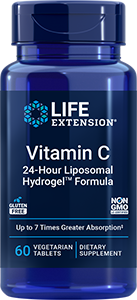
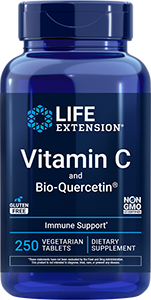
An alternative that may keep vitamin C in your bloodstream for up to 24 hours: a liposomal vitamin C supplement, Dr. Tapanes said. Additionally, you can also choose vitamin C supplements in combination with quercetin, elderberry and other nutrients that complement the health-promoting benefits of vitamin C.
Vitamin C supplements come in different shapes and doses, including capsules, drops, effervescent tablets, and even chewables and gummies.
How much vitamin C do you need for immune support?

In general, to maintain healthy levels, you need a certain amount of vitamin C, which will vary by age and gender:
- Adult men: 90 mg daily
- Adult women: 75 mg
- If pregnant: 85 mg
- If breastfeeding: 120 mg
Some lifestyle habits, like smoking, can deplete vitamin C levels in the body. The National Institutes of Health recommends men who smoke to aim for 125 mg of vitamin C, and women who smoke should aim for 110 mg of daily dietary supplementation, Dr. Tapanes noted.
However, the minimum amount of vitamin C that's recommended for daily consumption isn't sufficient to support immune function and overall health. "To get the most of your vitamin C, you will likely need to regularly take a higher dose," Dr. Tapanes said. "Many supplements provide a dose of 250-1000 mg to help maintain optimal levels that are associated with health benefits." You should always follow the instructions on the label when taking a vitamin C (or any) supplement.
Vitamin C Myths—Busted!
Here are the three most popular myths, according to Dr. Tapanes."More vitamin C is better."
—It's not uncommon to reach for some vitamin C supplements when we're experiencing immune challenges. Unfortunately, a higher intake of ascorbic acid when our defenses are already down won't make us fight challenges faster.Oranges are the best source of vitamin C."
—Oranges and orange juice may be rich in vitamin C, but they're by no means the best or only source. You'll find vitamin C in broccoli, Brussels sprouts, red bell pepper, and other fruits like strawberries, papaya, kiwi and pineapple.- "
You can't have too much vitamin C."
—Your body gets rid of excess, but large doses are associated with digestive and other discomforts.
What foods are a good source of vitamin C?

Ascorbic acid is packed with health-promoting benefits, says Dr. Tapanes. Nutrient-dense, whole foods should be your primary source of this essential vitamin. Here's a quick list of excellent vitamin C sources:
Vegetables rich in vitamin C:
- Cruciferous vegetables, including broccoli, Brussels sprouts and cauliflower
- Leafy greens like spinach, kale and arugula
- Mushrooms
- Beets
- Turnips
- Sweet potatoes
- Winter squash, kabocha squash
Fruits rich in vitamin C:
- Berries such as strawberries, raspberries, blueberries and cranberries
- Citrus fruits, including oranges, lemons, grapefruits and limes
- Guava
- Kiwi
- Mango
- Papaya
- Pineapple
- Watermelon, cantaloupe
- Tomatoes
- Peppers
Is it safe to take vitamin C every day?
Yes, as Dr. Tapanes explained, it's safe to take vitamin C daily. It's always smart to speak with your healthcare provider to choose the best vitamin C supplement and dosage tailored to your needs.
Should you get vitamin C from foods or supplements?
A balanced diet filled with a variety of whole foods should be your primary source of vitamin C. A vitamin C supplement complements your smart lifestyle choices.
Unsure of how to support your immune health? Take our quiz to get personalized supplement recommendations.
Key Takeaways
- Insufficient vitamin C levels negatively impact immune function, leaving us more susceptible to immune challenges.
- Nutrient-dense, whole foods, such as kale, cruciferous vegetables, beets, berries and citrus fruits, are excellent sources of vitamin C.
- A vitamin C supplement will complement lifestyle choices that support a robust immune response.


References
- Alberts A, et al. "Vitamin C: A Comprehensive Review of Its Role in Health, Disease Prevention, and Therapeutic Potential." Molecules. February 2025. https://pubmed.ncbi.nlm.nih.gov/39942850/
- Bhoot HR, et al. "Dietary Sources, Bioavailability, and Functions of Ascorbic Acid (Vitamin C) and Its Role in the Common Cold, Tissue Healing, and Iron Metabolism." Cureus. November 2023. https://pubmed.ncbi.nlm.nih.gov/38146585/
- Dresen E, et al. "History of scurvy and use of vitamin C in critical illness: A narrative review." Nutr Clin Pract. February 2023. https://pubmed.ncbi.nlm.nih.gov/36156315/
- Gandhi M, et al. "Scurvy: Rediscovering a Forgotten Disease." Diseases. May 2023. https://pubmed.ncbi.nlm.nih.gov/37366866/
- Hemilä H, Chalker E. "Vitamin C for the common cold and pneumonia." Pol Arch Intern Med. January 2025. https://pubmed.ncbi.nlm.nih.gov/39803741/
- Lykkesfeldt J, Carr AC. "Vitamin C." Adv Nutr. January 2024. https://pubmed.ncbi.nlm.nih.gov/37992968/
- See XZ, et al. "A comprehensive review and recent advances of vitamin C: Overview, functions, sources, applications, market survey and processes." Chemical Engineering Research and Design. June 2024. https://www.sciencedirect.com/science/article/pii/S026387622400251X
- Zhou H, et al. "Individual and joint associations of vitamin C intake and physical activity with inflammation and mortality in chronically infected populations: Evidence from a cohort study of NHANES 2005 to 2018." Medicine (Baltimore). September 2025. https://pubmed.ncbi.nlm.nih.gov/40958254/
- "Vitamin C." National Institutes of Health. July 2025. https://ods.od.nih.gov/factsheets/VitaminC-HealthProfessional/

Always be in the know!
Access the latest deals, wellness news, expert health tips & more!
Popular Supplement