Top 12 Vitamins & Supplements for Energy
Published: May 2022 | Updated: August 2026
At a Glance
- Taking the right nutrients to fight fatigue, manage stress and improve cognitive function can help make days more productive.
- Supplements like B vitamins, CoQ10, vitamin D and ashwagandha can help support your body's energy production.
- NAD+ supplements and CoQ10 are healthy aging champions that play a vital role in cellular energy production.
Feeling kind of "blah" lately? Before you reach for that second cup of coffee, consider whether your daily diet provides adequate fuel for your day. The vitamins, minerals and other nutrients found in a well-rounded diet give you energy. If you're falling short, that could be the culprit of your afternoon slump. Getting regular exercise and quality sleep can also make the difference between a high-octane day and a day that drags.
Even if you're filling your plate with healthy foods and making smart lifestyle choices, you might need a little help to fill your nutritional gaps, and targeted supplements may be able to help. Whether you're dragging because of your eating habits, stress levels, a demanding exercise routine or another reason, these are the best vitamins and supplements to help you reclaim those healthy energy levels.
Vitamins & minerals for energy you might be missing

If you're on a restricted diet, or just haven't been eating as nutritiously as you should, you might be lacking the following key nutrients needed to maintain healthy energy levels:
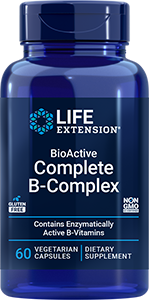
1. B vitamins
For energy support, B vitamins get an "A" grade. In fact, many experts consider B vitamins among the best vitamins for energy for adults.
Why they're important:
Each of the B vitamins plays a different and important role in energy metabolism, including breaking down carbohydrates, protein and fat, and transporting nutrients throughout the body. B vitamins also play vital roles in nervous system function, brain health, red blood cell formation, and healthy homocysteine (an amino acid) metabolism.How to get them:
B vitamins are found naturally in animal proteins like lean meat, fish, eggs, and dairy, as well as in leafy greens and legumes. High-quality multivitamins are also good sources because they usually contain enough vitamin B to meet your body's needs. However, if you have a limited diet, taking vitamin B12 can help ensure consistent nutritional levels. B-complex supplements are also excellent for providing the full spectrum of energy-promoting benefits.Pro tip:
Some data suggests that B vitamins, when combined with nutrients like caffeine and creatine, may support exercise performance.
2. Iron
Exercise is crucial to maintaining optimal energy levels. But pumping iron isn't the only iron you need. Your body also needs the mineral iron for multiple reasons.
Why it's important:
Iron is essential for hemoglobin (protein in red blood cells) and myoglobin (protein in muscle tissue) to do their job of transferring oxygen from one cell to the other. It is also required for the biochemical processes that generate cellular energy. Iron also supports neurotransmitter synthesis, a plus for brain health.How to get it:
Iron is in plenty of foods, notably meats and seafood, and most people get enough from a healthy diet. Statistics show about 14% of adults are lacking in iron intake. That said, vegans who avoid animal products have a much greater risk of low levels and may benefit from an iron supplement.Pro tip:
Adults should have their serum iron checked regularly as part of a CBC/chemistry panel, and ferritin testing is recommended if an iron deficiency is suspected. Do not supplement with iron if your levels are normal.
"Different supplements work for different people, especially if they are not getting enough of a particular vitamin or mineral."
3. Magnesium

If you're feeling low, a shortage of magnesium could be behind your general fatigue.
Why it's important:
Magnesium helps your body produce and use energy. It works with adenosine triphosphate (ATP), which is the main source of energy for your cells, and supports more than 600 enzymatic reactions in the body that involve your muscles, nerves, bones, and heart. Magnesium binds to adenosine triphosphate (ATP) to activate it. ATP is nothing without magnesium—it literally cannot be used effectively by most enzymes without it. Magnesium is well-studied to support muscle health and function, particularly among older adults. In a 12-week clinical study of older women, those who took 300 mg of magnesium supplements daily showed better physical performance than those who took a placebo.How to get it:
The highest foods in magnesium include beef, fish, poultry, dark leafy greens, nuts, legumes, seeds and whole grains.Pro tip:
Certain types of magnesium (magnesium glycinate, magnesium L-threonate, etc.) have been studied for specific benefits, such as heart, bone, brain and whole-body health, as well as healthy stress management.
4. Vitamin D
For groggy days, there's nothing like a little sunshine to get you going. When the rays hit, the cholesterol in your body reacts, producing vitamin D3, earning it the nickname "the sunshine vitamin." It's now known that vitamin D is a hormone because it can be synthesized internally and stimulates other cells. And like other hormones, vitamin D levels decline with age.
Why it's important:
Vitamin D directly regulates mitochondrial energy production in the muscles and other tissues through the vitamin D receptor. Clinical research has shown that vitamin D supplements help combat fatigue in people with low levels, but supplementation may not have that effect in those with sufficient levels. Still, our bodies need vitamin D to stay healthy. It supports your bones, your heart, your immune system and whole-body health.How to get it:
Sun exposure is one way to encourage vitamin D levels. Nutrient-dense foods like salmon and fatty fish, eggs, beef, liver and fortified foods are also good D3 sources.Pro tip:
A blood test is the only way to ensure you're getting sufficient vitamin D. Taking 5,000–8,000 IU (125–200 mcg) of vitamin D3 daily will help you achieve an optimal blood level of 50–80 ng/mL.
Energy support supplements that help with healthy aging

As you age, you naturally lose a little pep in your step, but with the help of these two well-studied supplements, you can promote energy production at the cellular level.
5. NAD+ supplements
NAD+ supplements are all the craze these days, for very good reasons.
Why it's important:
NAD+ is an essential coenzyme that helps convert nutrients into ATP (fuel for your cells). It plays pivotal roles in cellular energy production, cellular function, healthy DNA and healthy aging, and it is always in demand in the body. But NAD+ levels naturally decline over time.How to get it:
You can support healthy NAD+ levels by exercising and supplying the body with NAD+ precursors, or nutrients the body uses to build NAD+, such as nicotinamide riboside (NR), nicotinamide mononucleotide (NMN), and foods with vitamin B3 such as poultry, fish, legumes and nuts. Both NR and NMN supplements support healthy levels of NAD+ and cellular energy production, as well as healthy aging, and both have been shown to be well-tolerated. As with other supplements, however, you should always talk with a healthcare provider before adding a product or major lifestyle change to your routine.Pro tip:
Healthy stress management is important because unmanaged stress can deplete NAD+ levels.
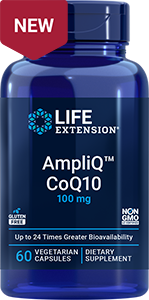
6. CoQ10
CoQ10 is a champion for healthy aging. Like NAD+, CoQ10 is an essential coenzyme for cellular energy metabolism, but it works through different biochemical pathways.
Why it's important:
CoQ10 is an essential helper in the mitochondria, where cells produce ATP. With this mitochondrial support, CoQ10 helps meet the energy demands of your hard-working heart muscle and the rest of your body. A meta-analysis of 13 randomized-controlled trials showed CoQ10 helped fight the effects of general fatigue, and the effect was greater with larger dosages and longer duration.How to get it:
While your body produces CoQ10 naturally, you can also get it from foods like fatty fish, whole grains, pistachios, broccoli, and spinach. CoQ10 supplements can help you get a consistent supply of this powerful enzyme.Pro tip:
To enhance absorption, take your CoQ10 with a fatty meal. Don't worry, taking CoQ10 will not disrupt your sleep, and it won't give you an immediate jolt of energy, either. The benefits of CoQ10 supplements build over weeks or even months.
Energy supplements that may also help with stress

From daily to-do lists to work deadlines and family obligations, stress can really knock your energy down a notch or two (or four!). Eating a balanced diet and managing stress proactively through regular exercise, meditation and other techniques can make a difference. Science also supports a few nutritional supplements for balancing your mind and body.
7. Ashwagandha
This powerful herbal nutrient has a centuries-long reputation not only for its ability to support a healthy stress response but also for its energy-promoting properties.
Why it's important:
Ashwagandha is an adaptogen, meaning it can help the body adapt to stress as well as support the body's overall well-being. It helps maintain already-healthy cortisol levels and fight fatigue. Its calming effect results in whole-body benefits, including supporting already-healthy blood pressure and promoting cognitive function. A meta-analysis of studies that included 1,249 people found that ashwagandha significantly improved memory, attention, processing speed and executive function.How to get it:
Ashwagandha is a well-studied supplement that comes in a variety of formulas that target mood and stress management, memory health and cognition, healthy sleep, and healthy energy and vitality.Pro tip:
Making lifestyle shifts to manage your stress will complement your stress-management supplements and support your body's ability to maintain homeostasis.
8. Ginseng
The adaptogen Panax ginseng (aka Asian, Chinese or Korean ginseng) is also an ally in the fight against stress. Like ashwagandha, this herb helps your body adapt to stress and promotes healthy energy levels while supporting well-being.
Why it's important:
Ginseng encourages production of ATP, the fuel your cells use for energy, by stimulating the creation of more mitochondria (the energy powerhouse) within your cells. Research shows ginseng can fight general fatigue, support a positive mood, promote healthy metabolism, fight oxidative stress and increase exercise endurance. Not bad for a little plant!How to get it:
Ginseng is a popular supplement found in many energy drinks and formulas. Look for supplements that use fermented Panax ginseng, which encourages better absorption of ginseng's active compound to help your body get up and go.
9. Rhodiola

Rhodiola (or Rhodiola rosea) is yet another adaptogenic herb that has long been celebrated in Eastern Asia and Europe and is now getting its due as one of the best nutrients for energy. The perennial flowering plant has roots known to help promote cellular energy and encourage physical endurance.
Why it's important:
Rhodiola promotes the efficient production of ATP in the mitochondria, which provides more of the energy your body needs to power through daily activities. In a large human study, participants taking 200 mg of rhodiola twice daily reported a significant decrease in measures of fatigue, with the most changes reported in the study's first week. Rhodiola also supports physical and mental performance. In clinical trials, rhodiola encouraged higher measures of associative thinking, short-term memory and concentration. It is also an adaptogen that encourages your body's healthy response to stress.How to get it:
Look for a rhodiola extract that is standardized to ensure consistent delivery of important compounds like rosavin and salidroside.
10. French oak wood extract
True to its name, French oak wood extract (Quercus robur) comes from the French oak tree. This wood extract has a unique way of fighting general fatigue and encouraging healthy energy levels.
Why it's important:
French oak wood extract promotes the creation of new ribosomes, which are cellular organelles that synthesize proteins. This helps your body maintain energy at the cellular level. Clinical research has shown that 200 to 300 mg of French oak wood extract may combat the effects of fatigue, promote refreshing sleep, support a positive mood, encourage energy levels and more.How to get it:
You can get this patented extract through dietary supplements designed to fight general fatigue and help maintain energy levels.
Muscle-supporting energy supplements

Hitting the gym with serious goals? These supplements help you make sure you're getting the nutrients you need to fuel every move!
11. L-carnitine
Give your exercise routine an upgrade with L-carnitine, a compound derived from the amino acids lysine and methionine. L-carnitine plays an important role in moving fatty acids into the mitochondria of your cells.
Why it's important:
Healthy levels of L-carnitine support optimum mitochondrial function and your body's energy production. L-carnitine also plays an important role in muscle health and healthy aging. It helps maintain healthy body composition and promotes healthy levels of nitric oxide, which supports already-healthy blood pressure. L-carnitine has also been studied for its support of the brain's defenses against age-related memory and cognitive decline. But, like other nutrients our body produces, levels of carnitine decline as we get older, reducing cellular energy production.How to get it:
L-carnitine is synthesized naturally by the liver and kidneys, and it can be found in animal products. It is also a popular pre-workout and post-workout supplement. The primary form, L-carnitine, is widely used for muscle health and cellular metabolism, but acetyl-L-carnitine has been studied for additional brain and nervous system benefits.
12. Creatine
Creatine is often associated with fitness, thanks to its well-researched support for upper- and lower-body strength. It has made a name for itself as a star supplement for all adults, especially women over 40 looking for a way to amp up their workouts and support energy metabolism.
Why it's important:
A protein found primarily in muscle cells and the brain, creatine supports muscle function, promotes cellular energy, and encourages exercise performance and recovery. But that's not all. Creatine has other important functions in the body, like recycling ATP, which can help your muscles generate more power and at higher volumes. When combined with exercise, especially resistance training, creatine may improve your results and give you an extra kick at the gym. A meta-analysis of 357 older adults found that creatine combined with at least six weeks of resistance training significantly increased fat-free mass and exercise performance compared to resistance training alone.How to get it:
Creatine is present in various meats, fish and milk, but supplementing is the best way to get a consistent, effective dose. Creatine supplements usually come in capsule and powder form, and formulas sometimes pair creatine with other nutrients, such as a creatine and acetyl-L-carnitine blend for energy.Pro tip:
Creatine is most effective at doses of 3 to 5 mg daily. Also, it may be more effective when combined with caffeine, which may help facilitate creatine uptake in muscles.
| Recommended supplement | How it may help with energy |
|---|---|
| B vitamins | Play important roles in energy metabolism |
| Iron | Required for the processes that generate cellular energy |
| Magnesium | Activates ATP (cellular fuel) to help your body produce and use energy |
| Vitamin D | Regulates mitochondrial energy production |
| NAD+ boosters NMN or NR | Converts nutrients into ATP |
| CoQ10 | An essential helper in the mitochondria, where cells produce ATP |
| Adaptogens (ashwagandha, ginseng, rhodiola) | Promotes healthy stress response and ATP production |
| French oak wood | Encourages the creation of new ribosomes and helps maintain cell energy |
| L-carnitine | Supports muscle health, mitochondrial function and energy production |
| Creatine | Supports muscle health, recycles ATP to help generate more power |

Explore Our Best Energy Management Supplements
FAQs about energy levels

Supplements are just one piece of the puzzle when it comes to your energy levels. Here's what you need to know about how your energy levels reflect on your overall health.
-
What affects energy levels?
Your lifestyle plays a key role in energy levels, and supplements cannot replace smart choices. Energy supplements are designed to fill nutritional gaps to help you keep up with your demanding schedule, not make up for a poor diet and little sleep. "Different supplements work for different people, especially if they are not getting enough of a particular vitamin or mineral," said Dr. Michael A. Smith, MD. -
Can low energy be a sign your mitochondria aren't functioning properly?
Yes, it absolutely can! And certain lifestyle choices can also be a factor. Remember, habits like physical activity, healthy stress management, quality sleep, and a balanced diet low in processed foods and refined sugars can support the energy-producing pathways essential to mitochondrial function. -
Can a "healthy lifestyle" actually cause low energy?
No, a healthy lifestyle would not be to blame for low energy levels, unless taken to an extreme level (such as severe calorie restriction.) Anything, even working out and eating healthy foods, can backfire if done in excess. It is important to remember that energy levels naturally decline with age. Do your best to stay on the path to wellness with whole food diets, movement, hydration, and plenty of sleep knowing that nature will take its course.
Key Takeaways
- Adaptogens like ashwagandha, ginseng, and rhodiola encourage energy production as well as a healthy stress response.
- Creatine and L-carnitine are well-known workout helpers, promoting both muscle health and cellular energy production.
- Eating a healthy diet, sleeping consistently and exercising regularly are key to maintaining healthy energy levels.


References
- Badrasawi M, et al. "Efficacy of L-carnitine supplementation on frailty status and its biomarkers, nutritional status, and physical and cognitive function among prefrail older adults: a double-blind, randomized, placebo-controlled clinical trial." Clin Interv Aging. November 2016. https://pubmed.ncbi.nlm.nih.gov/27895474/
- Belcaro G, et al. "Supplementation with Robuvit® in subjects with burnout associated to high oxidative stress." Minerva Med. June 2018. https://pubmed.ncbi.nlm.nih.gov/29164838/
- Conze D, et al. "Safety and Metabolism of Long-term Administration of NIAGEN (Nicotinamide Riboside Chloride) in a Randomized, Double-Blind, Placebo-controlled Clinical Trial of Healthy Overweight Adults." Sci Rep. July 2019. https://pubmed.ncbi.nlm.nih.gov/31278280/
- Cui A, et al. "Prevalence, trend, and predictor analyses of vitamin D deficiency in the US population, 2001–2018." Nutritional Epidemiology. October 2022. https://www.frontiersin.org/journals/nutrition/articles/10.3389/fnut.2022.965376/full
- Devries MC, Phillips SM. "Creatine supplementation during resistance training in older adults-a meta-analysis." Med Sci Sports Exerc. June 2014. https://pubmed.ncbi.nlm.nih.gov/24576864/
- Flanagan SD, et al. "The Effects of a Korean Ginseng, GINST15, on Hypo-Pituitary-Adrenal and Oxidative Activity Induced by Intense Work Stress." J Med Food. January 2018. https://pubmed.ncbi.nlm.nih.gov/28981384/
- Kendall KL, et al. "Ingesting a preworkout supplement containing caffeine, creatine, β-alanine, amino acids, and B vitamins for 28 days is both safe and efficacious in recreationally active men." Nutr Res. May 2014. https://pubmed.ncbi.nlm.nih.gov/24916558/
- Kröse JL, de Baaij JHF. "Magnesium biology." Nephrol Dial Transplant. November 2024. https://pubmed.ncbi.nlm.nih.gov/38871680/
- Lekomtseva Y, et al. "Rhodiola rosea in Subjects with Prolonged or Chronic Fatigue Symptoms: Results of an Open-Label Clinical Trial." Complement Med Res. 2017. https://pubmed.ncbi.nlm.nih.gov/28219059/
- Liao B, et al. "Nicotinamide mononucleotide supplementation enhances aerobic capacity in amateur runners: a randomized, double-blind study." J Int Soc Sports Nutr. July 2021. https://pubmed.ncbi.nlm.nih.gov/34238308/
- Lin X, et al. "Carnitine." Advances in Nutrition. December 2024. https://www.sciencedirect.com/science/article/pii/S2161831324001704
- Tsai IC, et al. "Effectiveness of Coenzyme Q10 Supplementation for Reducing Fatigue: A Systematic Review and Meta-Analysis of Randomized Controlled Trials." Front Pharmacol. August 2022. https://pubmed.ncbi.nlm.nih.gov/36091835/
- Veronese N, et al. "Effect of oral magnesium supplementation on physical performance in healthy elderly women involved in a weekly exercise program: a randomized controlled trial." Am J Clin Nutr. September 2014. https://pubmed.ncbi.nlm.nih.gov/25008857/
- Wang X, et al. "Mechanistic Insights into Salidroside's Mitochondrial Protection via AMPK/Sirt1/HIF-1α Pathway in Hypoxic HT22 Cells." J Vis Exp. April 2025. https://pubmed.ncbi.nlm.nih.gov/40354296/
- Wang Z, et al. "Effects of Creatine Supplementation and Resistance Training on Muscle Strength Gains in Adults <50 years="" of="" age:="" a="" systematic="" review="" and="" meta-analysis."="">Nutrients. October 2024. https://pubmed.ncbi.nlm.nih.gov/39519498/
- Yang F, et al. "Association of Human Whole Blood NAD+ Contents With Aging." Front Endocrinol (Lausanne). March 2022. https://pubmed.ncbi.nlm.nih.gov/35388296/
- Zhang J, et al. "Emerging strategies, applications and challenges of targeting NAD+ in the clinic." Nat Aging. September 2025. https://pubmed.ncbi.nlm.nih.gov/40926126/
- Zhu X, et al. "Effects of Withania somnifera (L.) Dunal (Ashwagandha) on cognitive and physical function in adults: a systematic review and meta-analysis." Front Pharmacol. May 2026. https://pubmed.ncbi.nlm.nih.gov/42199854/
- "Vitamin B12." National Institutes of Health. July 2025. https://ods.od.nih.gov/factsheets/VitaminB12-HealthProfessional/

Always be in the know!
Access the latest deals, wellness news, expert health tips & more!
Popular Supplement